
 Canada
 USA
USA Japan
Japan



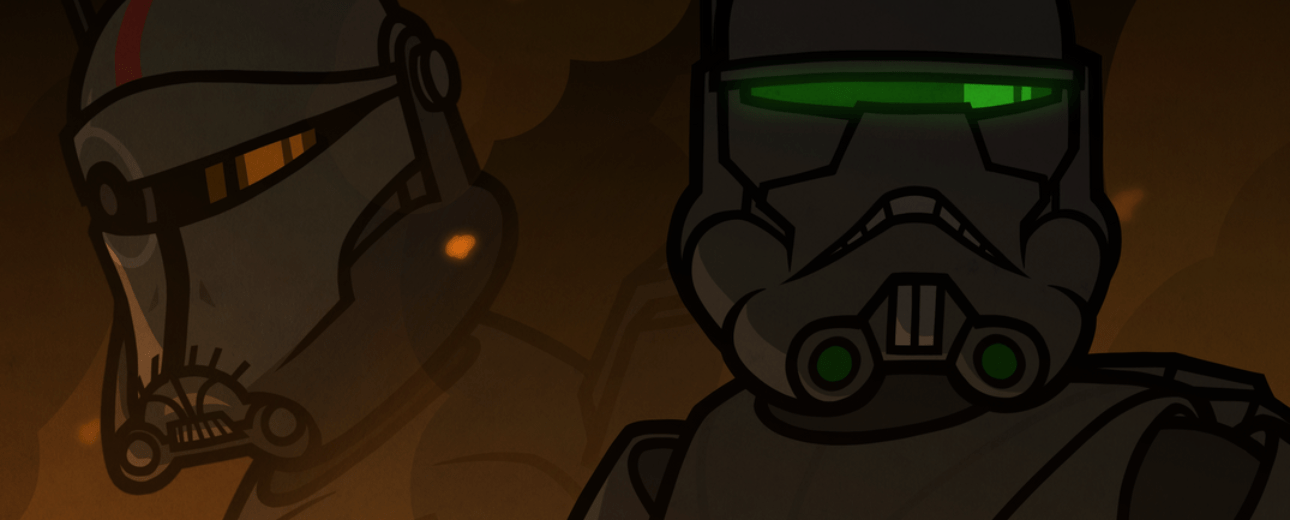
If you’ve been following The Bad Batch, you know that Crosshair isn’t just another clone trooper. He’s arguably the most complex, heartbreaking, and fascinating character in the entire series. While his brothers in Clone Force 99 represent different aspects of what makes the Bad Batch special, Crosshair stands apart as the squad’s sharpshooter and, eventually, its greatest tragedy. His journey from loyal brother to Imperial soldier and beyond forms one of the most compelling character arcs in modern Star Wars storytelling.
Crosshair’s story forces us to confront uncomfortable questions about loyalty, free will, and what happens when good soldiers follow bad orders. Unlike the clear-cut heroes and villains we’re used to in Star Wars, Crosshair exists in a morally gray area that makes him both frustrating and utterly captivating. Whether you love him, hate him, or find yourself somewhere in between, there’s no denying that Crosshair has left an indelible mark on Star Wars canon.
Understanding Clone Force 99 and Crosshair’s Role
Clone Force 99, better known as the Bad Batch, represents everything the Kaminoans didn’t plan for when they created the clone army. These weren’t your standard white-armored soldiers marching in perfect formation. Each member of the squad possessed genetic mutations that gave them enhanced abilities, making them the Republic’s go-to team for missions that required something beyond standard military protocol. And among these exceptional clones, Crosshair served as the team’s precision marksman, the soldier who could hit targets from distances that would make even the best regular clones shake their heads in disbelief.
What Makes Clone Force 99 Different From Regular Clones
The fundamental difference between Clone Force 99 and standard clone troopers goes far deeper than just their enhanced abilities. Regular clones were designed for uniformity, consistency, and predictability. They followed orders, maintained formation, and operated as interchangeable parts of a massive military machine. The Bad Batch, by contrast, were experimental results of genetic mutation that the Kaminoans initially considered failures but eventually recognized as potentially valuable assets. Each member developed distinct personalities, approaches to combat, and ways of thinking that would have been suppressed or eliminated in regular clone training.
This genetic divergence created soldiers who could think outside standard military doctrine, adapt to unconventional situations, and solve problems that would stump traditional clone units. Hunter developed enhanced sensory abilities that made him an exceptional tracker and tactical leader. Wrecker gained massive strength and a love of demolitions. Tech’s enhanced cognitive processing made him a genius with technology and information analysis. Echo, while not originally part of Clone Force 99, brought his own unique perspective as a regular clone who’d been transformed by Separatist experimentation. And Crosshair received the mutation that would define his entire existence: superhuman visual acuity and hand-eye coordination that made him the deadliest marksman in the clone army.
The squad’s unofficial nature within the Grand Army of the Republic gave them unusual freedom. They weren’t assigned to specific battalions or Jedi generals on a permanent basis. Instead, they got called in for specialized missions that required their unique skill sets. This operational independence meant Clone Force 99 developed a strong internal culture and identity separate from the broader clone army. They were brothers in the truest sense, bound by shared experiences and mutual reliance in ways that went beyond the already strong bonds between regular clones. This makes what happens to Crosshair all the more devastating, because he doesn’t just betray fellow soldiers; he betrays his family.
Crosshair’s Enhanced Abilities and Combat Specialization
What made Crosshair special wasn’t just his incredible aim, though that alone would have been enough to earn him a spot on any elite team. His mutation enhanced his eyesight and hand-eye coordination to superhuman levels, allowing him to make shots that seemed physically impossible. He could pick off battle droids from ridiculous distances, thread shots through impossibly small openings, and compensate for wind, gravity, and target movement with calculations that happened faster than most people could blink. His trademark toothpick wasn’t just an affectation; it was part of his personality, the visual representation of his cool, detached precision under fire.
Crosshair’s visual processing abilities operated on a level that regular beings couldn’t comprehend. When he looked at a battlefield, he didn’t just see enemies and obstacles; he saw angles, trajectories, distances, and opportunities. His brain automatically calculated ballistic trajectories, wind resistance, and the kinetic energy required for each shot. This wasn’t conscious mathematical work; it was instinctive, the same way most people don’t consciously calculate the physics of catching a ball. The crosshair tattoo over his right eye became the perfect symbol for this ability, representing how he literally saw the world differently than everyone else.
His weapon of choice, the modified Firepuncher sniper rifle, was customized specifically for his enhanced abilities. This wasn’t standard clone equipment; it featured enhanced optics, adjustable power settings, and stabilization systems that worked in concert with Crosshair’s natural talents. In his hands, the Firepuncher could make shots at ranges that would be considered impossible for standard weapons. He could adjust the bolt intensity depending on whether he needed to simply disable a target or completely eliminate it. The rifle became an extension of Crosshair’s will, so perfectly matched to his abilities that watching him work was like watching an artist with their preferred medium.
But Crosshair brought more to Clone Force 99 than just marksmanship. He could read battlefield situations with remarkable clarity, identifying priority targets and strategic positions that others might miss. His enhanced vision allowed him to spot enemy movements, hidden positions, and tactical advantages long before they became obvious to his squadmates. This made him invaluable not just as a shooter but as a reconnaissance asset and tactical advisor. When Crosshair said he had a shot, you could trust that assessment completely. When he identified a threat or opportunity, you knew it was real. This reliability made him indispensable to the squad’s operations.
The Squad Dynamic and Crosshair’s Relationships Before Order 66
Within the squad’s dynamic, Crosshair served as the cynical counterbalance to Hunter’s leadership and Wrecker’s enthusiasm. Where Tech approached problems with scientific curiosity and Hunter made decisions based on tactical assessment and moral consideration, Crosshair cut through complications with brutal efficiency. He said what others were thinking but wouldn’t say out loud. He questioned decisions that seemed based more on sentiment than strategy. This didn’t make him heartless; it made him honest, sometimes painfully so. His sharp tongue and cutting observations kept the squad grounded, preventing them from getting lost in idealism or sentiment when practical considerations demanded attention.
The relationship between Crosshair and his brothers formed the emotional foundation of his character before everything fell apart. Despite his sharp tongue and seemingly cold demeanor, Crosshair cared deeply about his squad. You could see it in the way he positioned himself to provide overwatch, how he’d crack the slightest smile at Wrecker’s antics, or how he’d defer to Hunter’s leadership even when he disagreed. When Wrecker got himself into trouble with his love of explosions, Crosshair would make sarcastic comments but always had his back when it mattered. When Tech got lost in technical explanations, Crosshair would cut him off with dry humor but valued his brother’s intelligence. When Hunter made command decisions, Crosshair might question the reasoning but ultimately trusted his leader’s judgment.
These weren’t just fellow soldiers to Crosshair; they were his family, the only family he’d ever known. Clones didn’t have childhoods in the traditional sense, didn’t have parents or extended relatives, didn’t experience the normal social development that most beings took for granted. Clone Force 99 was everything to each member: brothers, friends, comrades, and the only real emotional connections they’d ever formed. The bonds between them went beyond simple military camaraderie; they were foundational relationships that defined each member’s sense of self and belonging. This makes what happens next all the more devastating, because when Crosshair turns on his brothers, he’s not just changing allegiances; he’s severing the only meaningful relationships he’s ever known.
The Inhibitor Chip and Order 66’s Impact on Crosshair
When Order 66 activated across the galaxy, turning clone troopers against their Jedi generals in one of the most horrific betrayals in galactic history, the Bad Batch found themselves in a unique situation. Their genetic mutations seemed to provide some resistance to the inhibitor chip’s programming, that insidious piece of biotechnology that Palpatine had embedded in every clone’s brain to ensure their compliance when the time came. Most of the Bad Batch members experienced confusion, headaches, and momentary compulsion, but they managed to resist the chip’s directive to kill Jedi. Crosshair, however, wasn’t so fortunate.
How the Inhibitor Chip Affected Crosshair Differently
The inhibitor chip affected Crosshair differently than his brothers, and this difference would define his trajectory for seasons to come. While Hunter, Tech, Wrecker, and Echo felt the chip’s influence and fought against it, Crosshair seemed to succumb more completely. The programming took hold in his mind, reshaping his loyalties and perceptions in ways that appeared total and absolute. One moment he was their brother, the next he was following Imperial orders with the same precision he’d once applied to protecting his squad. This wasn’t just a simple case of mind control; the chip’s influence on Crosshair appeared to amplify certain aspects of his personality while suppressing others.
The exact mechanism of why Crosshair’s chip affected him differently remains somewhat mysterious, adding to the tragedy of his situation. Was it simply random variation in how the biotechnology interfaced with his specific neural structure? Did his genetic mutations interact with the chip in unexpected ways? Or did something about Crosshair’s psychology make him more susceptible to the programming? The show deliberately leaves these questions somewhat ambiguous, but the result was undeniable: Crosshair became the chip’s most complete victim among Clone Force 99, the one member who couldn’t shake off its influence through force of will or genetic advantage.
What made Crosshair’s situation particularly tragic was the ambiguity surrounding his actions and motivations even in those early moments. Was he completely controlled by the chip, or did it simply lower his inhibitions and amplify beliefs he’d already held? Crosshair had always been the most mission-focused member of the team, the one most likely to question whether sentiment was clouding tactical judgment. He’d shown impatience with what he perceived as unnecessary complications, preferring direct action to prolonged debate. The chip seemed to take that pragmatic streak and twist it into something darker, transforming his efficiency into cold ruthlessness and his loyalty to the mission into unwavering devotion to the Empire.
The First Confrontations Between Crosshair and His Brothers
The first major confrontation between Crosshair and his former brothers on Kaller set the tone for what was to come. Here was a soldier who’d fought beside them through countless battles, who’d saved their lives and had his life saved in return, now hunting them as traitors to the Empire. The other members of the Bad Batch kept hoping they could reach him, that the brother they knew was still in there somewhere fighting to get out. But Crosshair seemed convinced that they were the ones who’d betrayed their purpose, that by refusing to serve the Empire, they’d abandoned everything they were meant to be.
These early confrontations were characterized by a heartbreaking dynamic where both sides genuinely believed they were trying to help the other. Hunter and the squad saw a brother who’d been brainwashed and needed rescue. They approached each encounter hoping this would be the moment when Crosshair would break free from the chip’s control, when their real brother would come back to them. They held back in combat, took risks to avoid harming him, and constantly tried to reach him with appeals to their shared history and brotherhood. Every mission where they encountered Crosshair became an attempt at rescue as much as a tactical operation.
From Crosshair’s altered perspective, his brothers were the ones who needed saving. The chip’s programming convinced him that the Empire represented order, purpose, and the proper evolution of what the Republic had been. He saw Hunter’s squad as confused, misguided, allowing sentiment to override duty. In Crosshair’s warped view, he was being loyal to what they’d all sworn to be: soldiers following orders, serving the galactic government, maintaining peace and security. The fact that the government had changed and the orders had become tyrannical didn’t register through the chip’s influence. He genuinely believed he was on the right side and that his brothers had tragically chosen the wrong path.
The scenes where Crosshair faces off against his former squad hit especially hard because both sides genuinely believe they’re in the right. Neither side is completely wrong in their assessment, which makes their conflict feel real and painful rather than a simple good-versus-evil confrontation. Hunter’s assessment that Crosshair has been compromised is accurate. Crosshair’s belief that soldiers need purpose and structure isn’t inherently wrong, though his application of that belief to the Empire is tragically misguided. This moral complexity elevates Crosshair’s story above typical antagonist narratives and makes every confrontation emotionally devastating for everyone involved.
The Psychological Warfare of Hunting Your Own Brothers
What made Crosshair’s pursuit of his former squad particularly chilling was how he used his intimate knowledge of them against them. He knew their tactics, their tendencies, their weaknesses. He understood how Hunter thought, how Wrecker would react, what Tech would calculate. This familiarity made him a uniquely dangerous opponent, someone who could anticipate their moves and exploit their psychological vulnerabilities. When Crosshair set traps or planned ambushes, he did so with the advantage of years of shared experience, turning their history together into a weapon against them.
The mission on Bracca stands out as a particularly significant moment in this phase of Crosshair’s story. Hunting his former squad through the wreckage of a Venator-class Star Destroyer, Crosshair had multiple opportunities to kill his brothers but seemed hesitant to take the final shot. He could have ended the pursuit multiple times with his legendary marksmanship, but instead he kept trying to talk to them, to convince them to join the Empire, to make them see things his way. Was this the inhibitor chip’s programming creating conflict with his deeper memories of brotherhood? Or was it Crosshair’s own nature, unable to completely override years of fighting alongside these soldiers despite his conscious commitment to Imperial service?
This hesitation revealed cracks in Crosshair’s seemingly absolute conversion to Imperial loyalty. If the chip’s control was total, he would have simply eliminated the targets as ordered without hesitation. If he truly believed the Empire was right and his brothers were wrong, he would have neutralized them as efficiently as possible. But instead, he kept creating situations where they could talk, where he could explain his perspective, where they might choose to join him rather than forcing him to kill them. This suggested that beneath the chip’s influence and conscious rationalization, some part of Crosshair still desperately wanted his family back, even if he could only envision that reunion on Imperial terms.
Crosshair’s Personality and What Makes Him Unique
Before we dive deeper into his Imperial service and eventual character evolution, it’s worth examining what makes Crosshair tick as a person. Even among the already unique members of Clone Force 99, Crosshair stood out for his distinctive personality traits and approach to life as a soldier. Understanding who Crosshair was before Order 66 helps us appreciate the full tragedy of what he became and makes his later development all the more meaningful.
The Sharpshooter’s Mindset and Approach to Combat
Crosshair’s most obvious characteristic was his sharpshooting ability, but his personality went far beyond just being good with a rifle. He possessed a dry, cutting wit that could slice through pretension and nonsense with surgical precision. When other clones might sugarcoat harsh truths or dance around difficult subjects, Crosshair delivered reality straight, no chaser. This made him come across as harsh or even cruel at times, but it also meant you always knew where you stood with him. There was an honesty to Crosshair’s directness that, while uncomfortable, had its own kind of integrity.
The mental discipline required for elite marksmanship shaped Crosshair’s entire personality. Snipers need patience, the ability to wait for hours or even days for the perfect shot. They need emotional control, maintaining steady breathing and heart rate even in high-stress situations. They need absolute focus, blocking out distractions and maintaining concentration on the target. These qualities didn’t just apply to Crosshair’s combat performance; they defined how he approached everything in life. He was patient when it served his purpose, controlled in his emotional expression, and intensely focused on whatever objective he’d committed to.
This mindset also made Crosshair somewhat isolated within the squad’s social dynamic. While Wrecker was boisterous and Tech was eager to share information, Crosshair was content with silence. He didn’t need constant social interaction or validation from his brothers. He was comfortable being alone with his thoughts, comfortable with quiet, comfortable with the kind of solitude that makes many people uncomfortable. This self-sufficiency was both a strength and a vulnerability, because it meant Crosshair didn’t always recognize how much he actually needed his brothers until after he’d lost them.
Crosshair’s Elitism and Attitude Toward Regular Clones
His relationship with regular clone troopers revealed another layer of his character. Crosshair didn’t hide his contempt for “regs,” as he dismissively called standard clones. To him, Clone Force 99’s mutations made them superior soldiers, and he saw no reason to pretend otherwise. This elitism wasn’t just arrogance, though there was certainly some of that mixed in. Crosshair genuinely believed that their enhanced abilities gave them not just different capabilities but different responsibilities. Regular clones followed orders and fought in formation; the Bad Batch took on the missions that required something more, something special.
This attitude created tension in the few interactions Clone Force 99 had with regular clone units. Where other members of the Bad Batch might show some diplomacy or at least neutral professionalism, Crosshair openly displayed his disdain. He’d make comments about regular clones’ limitations, question their tactical decisions, and generally make it clear that he considered them inferior. This didn’t win Clone Force 99 many friends among the broader clone army, but Crosshair didn’t seem to care. He wasn’t interested in popularity or fitting in with soldiers he considered less capable.
Yet there was a tragic irony to Crosshair’s elitism. He looked down on regular clones for their uniformity and lack of individual distinction, yet the inhibitor chip affected him more completely than those same regular clones. His genetic superiority didn’t protect him from Palpatine’s programming; in some ways, it may have made him more vulnerable. The very mutations that made him special became a liability when combined with the chip’s influence. This suggests that Crosshair’s confident belief in his superiority was built on shakier foundations than he realized, a painful lesson he would learn the hardest way possible.
The Contradictions in Crosshair’s Character
Yet beneath that prickly exterior, Crosshair demonstrated genuine care for his squad in ways both obvious and subtle. He might mock Wrecker’s intelligence or question Hunter’s decisions, but he’d also position himself to provide the best covering fire for his brothers without being asked. He’d take the difficult shots that put him in danger to keep the rest of the team safe. His loyalty to Clone Force 99 was absolute, at least until the inhibitor chip corrupted that loyalty and redirected it toward the Empire. The tragedy is that Crosshair’s capacity for fierce, unwavering devotion didn’t disappear; it just got aimed at the wrong target.
These contradictions made Crosshair feel like a real person rather than a simple character type. He was simultaneously harsh and protective, isolated and deeply connected to his brothers, confident and yet defined by his role within the squad. He’d criticize his brothers’ decisions but trust them with his life without hesitation. He’d act like he didn’t care about social niceties but would be genuinely hurt if excluded or disrespected. These contradictions created depth and made his character feel authentic, someone whose personality had layers and complications rather than simple consistency.
The toothpick that Crosshair constantly chewed became a perfect visual representation of these contradictions. It suggested casual confidence, someone so sure of their abilities that they could afford to be relaxed even in combat situations. But it was also a physical outlet for nervous energy, something to occupy his mouth when he wasn’t speaking, a small comfort habit that suggested vulnerability beneath the cool exterior. The toothpick became as much a part of Crosshair’s identity as his crosshair tattoo, a small detail that said volumes about who he was.
The Imperial Service Era and Crosshair’s Transformation
After Order 66 and the inhibitor chip’s activation, Crosshair’s path diverged dramatically from his brothers’. While Hunter led the rest of the Bad Batch into a life of fugitives trying to find their place in a galaxy that no longer had use for clone soldiers, Crosshair embraced his role within the newly formed Galactic Empire. This period of Imperial service represents some of the darkest moments in Crosshair’s story, but also some of the most fascinating from a character analysis perspective.
Crosshair as an Imperial Asset
Under Imperial command, Crosshair’s skills were put to use in ways that would have been unthinkable during the Clone Wars. The Empire didn’t need a precision marksman for droid armies; they needed him for eliminating dissidents, deserters, and anyone who refused to fall in line with the new galactic order. Crosshair carried out these missions with the same cold efficiency he’d once applied to separatist targets, but now the targets were often beings who’d fought on the same side during the war. The tragedy is that Crosshair didn’t seem conflicted about this shift, at least not outwardly. The chip’s influence, combined with his natural inclination toward mission focus over moral questioning, made him a perfect Imperial soldier.
The types of missions Crosshair undertook during this period reveal how completely the Empire corrupted his abilities. He was sent to eliminate clone deserters, fellow soldiers who’d chosen to walk away from military service rather than serve the Empire. He provided sniper support for operations that suppressed civilian populations resisting Imperial authority. He hunted down Republic loyalists who refused to accept the new regime. Each of these missions would have been unconscionable to the pre-Order 66 Crosshair, who fought to protect the Republic and its citizens. But under the chip’s influence and his own rationalization, he executed these orders without apparent hesitation.
What made this period particularly chilling was how Crosshair seemed to take pride in his Imperial service. He wasn’t just following orders mechanically; he appeared to embrace his role, to find purpose and meaning in serving the Empire. When he spoke to his brothers during confrontations, he didn’t sound like someone being controlled against his will. He sounded convinced, passionate even, about the rightness of the Empire’s mission and the wrongness of resistance. This made it harder for his brothers to maintain hope that the real Crosshair was still in there somewhere, because this Imperial version seemed so genuine, so committed, so certain in his beliefs.
Building a New Squad Under Imperial Command
The formation of Crosshair’s new squad under Admiral Rampart showcased how the Empire tried to recreate the Bad Batch’s success with regular soldiers. These weren’t enhanced clones with genetic mutations; they were standard troopers being pushed to perform at elite levels. Crosshair’s interactions with this new team revealed how much he’d changed and how much he missed what he’d lost. He pushed them hard, held them to impossibly high standards, and showed little patience for their limitations. Where he’d once been part of a brotherhood of equals, each bringing their unique abilities to the squad, now he was the outsider trying to mold ordinary soldiers into something they could never be.
These new squad members could never replace Clone Force 99, and on some level, Crosshair must have known that. They lacked the genetic enhancements that made the Bad Batch special, but more importantly, they lacked the years of shared history and deep bonds that had connected Crosshair to his original brothers. When one of these Imperial squad members failed or made mistakes, Crosshair showed none of the patience or understanding he’d once extended to Wrecker’s enthusiastic demolitions or Tech’s lengthy explanations. He expected perfection and showed contempt for anything less, creating a command dynamic based on fear and hierarchy rather than brotherhood and mutual respect.
The contrast between Crosshair’s leadership of this Imperial squad and Hunter’s leadership of the Bad Batch couldn’t have been more stark. Hunter led through trust, understanding each member’s strengths and weaknesses and positioning them for success. He made decisions collaboratively, valued input from his team, and created an environment where each member felt valued and essential. Crosshair, by contrast, led through intimidation and impossible standards, creating a dynamic where his squad members feared disappointing him more than they trusted him to support them. This reflected both his transformation under the chip’s influence and the fundamental difference between the Republic’s approach to special operations and the Empire’s authoritarian methods.
The Obsessive Pursuit of Clone Force 99
One of the most chilling aspects of Crosshair’s Imperial service was his pursuit of his former brothers. The Empire didn’t just want the Bad Batch captured; they wanted them brought in by one of their own, a symbolic victory that would demonstrate the futility of resistance. Crosshair took on this mission with determination that seemed to border on obsession. Every encounter with the Bad Batch became a test of wills, with Crosshair trying to convince them to join the Empire while simultaneously preparing to eliminate them if they refused. His dialogue during these confrontations revealed a twisted logic: he genuinely believed that serving the Empire was the right choice, that it represented order and purpose in a chaotic galaxy.
The personal nature of this pursuit added layers of complexity to Crosshair’s Imperial service. He wasn’t just following orders to capture fugitives; he was trying to bring his family back, even if his definition of “back” meant forcing them to submit to the Empire. Every strategy he employed showed intimate knowledge of his brothers’ tactics and psychology. He set traps based on Hunter’s decision-making patterns, anticipated Tech’s analytical approach, and exploited Wrecker’s straightforward nature. This wasn’t just professional competence; it was the weaponization of love and brotherhood, using the deep knowledge that comes from caring about someone to hunt and capture them.
Each failed attempt to bring in the Bad Batch seemed to intensify Crosshair’s determination. After the confrontation on Bracca, after the failed trap on Ryloth, after every near-miss and escape, Crosshair’s pursuit became more personal, more driven by something beyond just mission completion. Was this the chip’s programming creating an overwhelming compulsion? Or was it Crosshair’s own psychology, unable to accept that his brothers had rejected both him and what he saw as the obvious right choice? The ambiguity made his pursuit all the more unsettling, because we couldn’t be sure whether we were watching a victim of mind control or someone making terrible choices of their own free will.
The Inhibitor Chip Removal and Its Aftermath
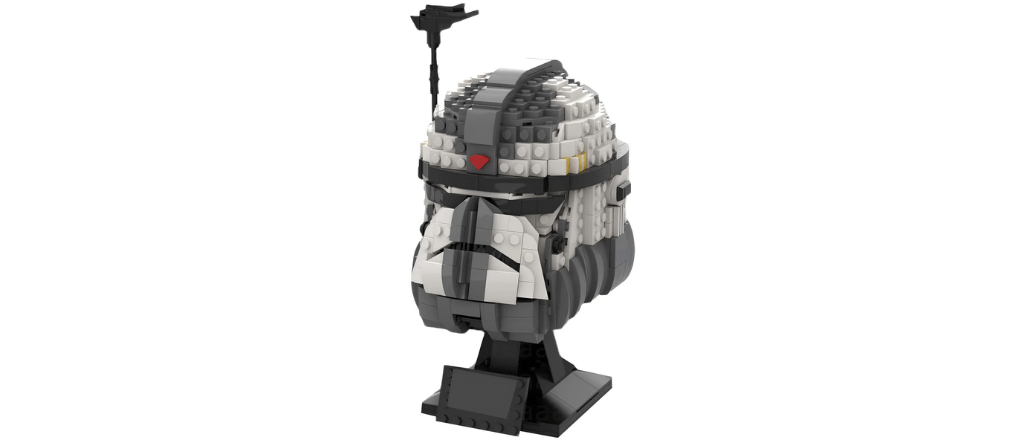
The revelation that Crosshair’s inhibitor chip had been removed changes everything we thought we knew about his Imperial service. In one of the most shocking twists of The Bad Batch’s first season, we learned that at some point during his time serving the Empire, Crosshair’s chip had been surgically extracted. This meant that his actions, his choices, his continued loyalty to the Empire—all of it came from Crosshair himself, not from biotechnological mind control. The implications of this revelation ripple through every interaction and decision that follows.
The Shocking Revelation and Its Implications
When Crosshair revealed to his brothers that he’d had his chip removed, it forced both them and the audience to reevaluate everything we’d seen. The comfortable narrative that Crosshair was simply a victim of Palpatine’s programming, that the real Crosshair was trapped inside fighting to get out—that story no longer held. Instead, we had to confront the much more complicated and uncomfortable reality that Crosshair had chosen the Empire. Even freed from the chip’s direct influence, he’d looked at the galaxy under Imperial rule and decided that this was where he belonged, that this was the order he wanted to serve.
The timing of when the chip was removed remains somewhat ambiguous, which adds another layer of complexity to understanding Crosshair’s journey. Was it removed early in his Imperial service, meaning most of his actions were his own choices? Or did it happen later, after the chip had already reshaped his beliefs and loyalties? The show suggests it happened relatively early, which means the Crosshair who hunted his brothers on Bracca, who led Imperial troops against civilians, who showed cold ruthlessness in service of the Empire—that was largely the real Crosshair, making choices he believed were right.
This revelation transformed Crosshair from a tragic victim into a much more morally complex figure. We could no longer excuse his actions as being entirely the result of the chip’s control. He bore responsibility for his choices, even while acknowledging that those choices were influenced by the psychological restructuring the chip had initiated. This moral ambiguity made Crosshair’s character infinitely more interesting but also more uncomfortable. It’s easier to sympathize with someone being controlled against their will than with someone who chose to serve evil, even if that choice was made under complicated circumstances.
The Psychology of Post-Chip Crosshair
The psychological complexity of this choice cannot be overstated. The inhibitor chip had essentially rewired Crosshair’s priorities and loyalties, making him believe that serving the Empire was correct and that his brothers were the ones who’d betrayed their purpose. But after the chip’s removal, why didn’t those beliefs reset to his pre-Order 66 mindset? Part of the answer lies in understanding how traumatic indoctrination works. The chip didn’t just control Crosshair’s actions; it reshaped his entire worldview during a period of massive galactic upheaval. Once those new neural pathways and belief systems were established, simply removing the chip didn’t automatically undo all that psychological restructuring.
Think of it like this: if someone spends months or years in a controlled environment where certain beliefs are reinforced constantly, those beliefs become integrated into their sense of self and reality. Removing the mechanism that initially created those beliefs doesn’t automatically erase the beliefs themselves. Crosshair had spent time under the chip’s influence believing that the Empire represented order, that his brothers had made the wrong choice, that serving Imperial interests was the right thing to do. Even after the chip was removed, those beliefs remained because they’d become part of how he understood the galaxy.
There’s also the deeply human element of pride and the difficulty of admitting you were wrong. By the time Crosshair’s chip was removed, he’d already committed acts in service of the Empire that couldn’t be taken back. He’d hunted his brothers, killed in the Empire’s name, and fully invested his identity in being an Imperial soldier. Returning to the Bad Batch would have meant confronting all those actions, admitting that he’d been manipulated, and accepting that the purpose he’d found in Imperial service was built on lies and cruelty. For someone with Crosshair’s personality, someone who prided himself on clarity of vision and strength of conviction, that kind of admission would be almost impossibly difficult.
Crosshair’s Rationalization and Philosophy
Crosshair’s post-chip removal philosophy, as he articulated it to his brothers, centered on the idea of accepting the new galactic order and finding purpose within it. He genuinely seemed to believe that the Empire represented stability after the chaos of the Clone Wars, that it gave soldiers like him a clear mission and purpose. This wasn’t the chip talking; this was Crosshair rationalizing his choice and trying to convince himself and his brothers that he’d made the right decision. The fact that he had to keep trying to convince them suggests an underlying uncertainty he wouldn’t consciously acknowledge.
His arguments to his brothers revealed both genuine belief and defensive rationalization. He’d point out that the galaxy needed order, that the Republic had failed, that soldiers needed purpose and structure. These weren’t entirely wrong points—the Republic did fail, chaos did follow the Clone Wars, and soldiers do struggle without clear missions. But Crosshair was using these truths to justify serving an authoritarian regime that committed atrocities, exploited its soldiers, and crushed freedom across the galaxy. He was taking valid concerns and twisting them into justification for the unjustifiable.
The most heartbreaking aspect of the chip removal revelation is that it eliminates the easy out for Crosshair’s character. We couldn’t simply say “once they remove the chip, everything will be fine and he’ll rejoin the team.” Instead, the story committed to a much harder and more realistic path: showing someone who’d been psychologically manipulated struggling to recognize that manipulation even after the direct control mechanism was removed. This elevated Crosshair’s arc from science fiction mind control story to genuine character study about belief, identity, and the difficulty of changing course once you’ve committed to a path.
Crosshair’s Complicated Relationship with the Empire
As Crosshair’s story progressed through The Bad Batch’s subsequent seasons, his relationship with the Empire became increasingly complex and fraught. What started as seemingly unwavering loyalty began to show cracks as Crosshair experienced firsthand how the Empire treated even its most dedicated servants. This slow disillusionment forms one of the most satisfying character arcs in Star Wars, precisely because it doesn’t happen quickly or easily—it’s a gradual, painful process of realization.
The Phasing Out of Clone Troopers
The turning point began with how the Empire treated clone troopers in general. Crosshair couldn’t help but notice that clones were being phased out in favor of recruited human soldiers, that the Empire viewed them as obsolete technology rather than as the highly skilled warriors they were. For someone who’d built his entire identity around being an elite soldier, the realization that his service meant nothing to the institution he’d chosen must have been devastating. The Empire didn’t care about Crosshair’s exceptional abilities or his loyalty; they cared only about his utility, and that utility had an expiration date.
This systematic devaluation of clones struck at the core of what Crosshair thought he was serving. He’d believed the Empire represented a meritocracy where skilled soldiers would be valued and given purpose. Instead, he discovered that the Empire’s priorities had nothing to do with merit or ability. Political convenience, cost-effectiveness, and control mattered more than the combat effectiveness that clones demonstrated repeatedly. Regular recruited soldiers might be less skilled, less disciplined, and less capable than clone troopers, but they were cheaper to produce and easier to control through traditional hierarchies rather than genetic programming.
Watching less capable soldiers replace him and his fellow clones must have been particularly galling for Crosshair given his elitism about Clone Force 99’s superiority. He’d always believed that exceptional abilities deserved recognition and advancement. The Empire’s decision to phase out clones regardless of their superior performance demonstrated that the system he’d chosen to serve didn’t actually value the qualities he’d prided himself on. It was a crushing revelation that began to undermine his rationalization for serving the Empire in the first place.
Encountering Imperial Incompetence and Cruelty
Crosshair’s interactions with Imperial officers and commanders revealed the fundamental disconnect between what he thought he was serving and what the Empire actually represented. He’d believed in order, efficiency, and purpose—in using his skills for a clear mission in service of galactic stability. But the Imperial officers he encountered were often incompetent, cruel for cruelty’s sake, or more interested in political maneuvering than effective military operations. This wasn’t the meritocracy Crosshair had imagined; it was a corrupt system where ability mattered less than political connections and willingness to embrace the Empire’s increasingly authoritarian methods.
The contrast between Crosshair’s professional military competence and the incompetence of many Imperial officers he served under created increasing friction. He’d execute missions with precision and efficiency, only to watch Imperial officers bungle the strategic follow-up or make decisions based on ego rather than tactical sense. He’d see political appointees given command over actual combat veterans, resulting in unnecessary casualties and failed objectives. Each of these experiences chipped away at his belief that the Empire represented superior order and organization compared to the Republic.
The casual cruelty that permeated Imperial operations also began to register with Crosshair, even through his psychological defenses and rationalization. During the Clone Wars, even difficult missions had clear military objectives and rules of engagement. The Empire, by contrast, seemed to embrace cruelty as a tool of intimidation and control. Civilian casualties weren’t unfortunate collateral damage to be minimized; they were sometimes the point, designed to terrorize populations into submission. Crosshair had signed up to be a soldier, not an enforcer of state terror, and the distinction began to matter even to someone trying hard not to see it.
The Mission on Desix and Meeting Commander Mayday
The mission on Desix proved particularly significant in Crosshair’s evolving view of the Empire. Working alongside Governor Tawni Ames and Commander Mayday, Crosshair experienced both the Empire’s callousness toward its own people and the genuine honor that could still exist in individual soldiers. When Imperial command abandoned Mayday and his men to die protecting resources that the Empire didn’t even bother to retrieve, Crosshair couldn’t ignore the implications. This was an organization that viewed its soldiers as completely expendable, not even worth the minimal effort of support or rescue.
Commander Mayday represented something Crosshair thought the Empire valued but discovered it didn’t: a loyal, capable soldier who cared about his men and executed his duties with professionalism and dedication. Mayday and his squad had been stationed on Desix guarding Imperial equipment, doing exactly what they were ordered to do, under harsh conditions with minimal support. They’d served faithfully despite being forgotten and undersupplied. When they finally needed help, when Mayday was wounded protecting Imperial assets from raiders, the Empire’s response was contemptuous indifference.
The developing respect between Crosshair and Mayday during their mission together showed Crosshair what brotherhood and military camaraderie could look like even within the Imperial system. Mayday treated his men with care, made tactical decisions based on their welfare as well as mission objectives, and maintained his dignity and honor despite the Empire’s neglect. This reminded Crosshair of what he’d lost when he’d chosen the Empire over Clone Force 99—the sense of belonging to something more than just a military hierarchy, of being valued as an individual rather than just an asset to be expended.
The Death That Changed Everything
Mayday’s death hit Crosshair harder than he would have expected, harder than he wanted to admit. Here was a loyal Imperial soldier, a good commander who cared about his men, dying in the snow because the Empire couldn’t be bothered to send adequate support or retrieve him after he was wounded. When Crosshair carried Mayday’s body back to base through a blizzard, struggling with the weight and the harsh conditions, he was doing exactly what soldiers are supposed to do: never leaving a comrade behind. The physical effort and personal risk Crosshair took to bring Mayday back alive demonstrated values that the Empire didn’t share or appreciate.
When they finally reached the Imperial base and the commanding officer showed nothing but contempt for Mayday’s condition and Crosshair’s efforts, something fundamental broke in Crosshair. Lieutenant Nolan’s callous dismissal of Mayday’s life, his sneering disdain for the idea that soldiers mattered beyond their immediate utility, represented everything wrong with the Empire distilled into one contemptible officer. The rage that flared in Crosshair in that moment had been building throughout his Imperial service, accumulating through every instance of incompetence, cruelty, and disregard for the soldiers who served.
When Crosshair shot Lieutenant Nolan, it was an act of both justice and rebellion. Justice for Mayday, for all the clones the Empire had used and discarded, for every soldier treated as expendable by officers who’d never faced real danger themselves. But it was also rebellion against everything the Empire represented, a violent rejection of the system Crosshair had tried so hard to believe in. This single action, this moment of choosing honor and humanity over orders and hierarchy, marked the beginning of the end for Crosshair’s Imperial career. More importantly, it marked the moment when his ideological commitment to the Empire finally shattered completely.
The consequence was immediate imprisonment, but the psychological consequence ran deeper. Crosshair couldn’t maintain the fiction anymore that the Empire represented order and purpose when it treated dedicated soldiers like garbage. He couldn’t rationalize serving a system that embodied the opposite of every military value he’d thought he was upholding. The punishment that followed, imprisonment in the nightmarish facility on Tantiss, would complete Crosshair’s education about what the Empire really was and how it treated anyone who showed the slightest independence or questioned its methods.
Imprisonment on Tantiss and Crosshair’s Darkest Hour
Crosshair’s imprisonment on Tantiss represented the absolute nadir of his journey, a period where everything he’d believed and every choice he’d made came crashing down around him. Tantiss wasn’t just a prison; it was a research facility where Dr. Royce Hemlock conducted horrifying experiments on clone prisoners, pushing the boundaries of science with complete disregard for the suffering of his subjects. For Crosshair, who’d spent so long believing in the Empire’s vision of order and purpose, being subjected to this nightmare facility was the final, undeniable proof of his mistake.
The Horrors of Dr. Hemlock’s Facility
The psychological torture of Tantiss went beyond just the physical confinement and experimentation. Crosshair was trapped with full awareness of how completely he’d been wrong, unable to escape or make amends, watching as the Empire he’d served demonstrated its true nature in the most horrific ways possible. The tremor in his hand that developed during his imprisonment became a physical manifestation of his psychological trauma, a constant reminder of his vulnerability and the price he’d paid for his choices. For someone who’d defined himself by his precision and control, losing the steadiness of his shooting hand was particularly cruel.
Dr. Hemlock’s experiments on Tantiss revealed the Empire’s complete disregard for clone humanity. These weren’t soldiers being detained for legitimate military reasons; they were test subjects for genetic experimentation, living resources to be exploited for Project Necromancer and other sinister Imperial programs. Crosshair witnessed firsthand how the Empire viewed clones: not as people, not even as useful tools, but as biological material to be studied, altered, and discarded. Every experiment, every painful procedure, every casual cruelty inflicted by Hemlock and his staff drove home the reality that Crosshair had been catastrophically wrong about what he was serving.
The conditions at Tantiss were designed to break prisoners psychologically as well as use them physically. The sterile white cells, the constant surveillance, the unpredictable schedule of when prisoners would be taken for experimentation or interrogation—all of it created an environment of helplessness and fear. For Crosshair, who’d always prided himself on control and precision, this enforced powerlessness was its own form of torture. He couldn’t shoot his way out, couldn’t plan an escape using his tactical skills, couldn’t do anything except endure and hope for an opportunity that might never come.
Connections with Fellow Prisoners
Meeting other clone prisoners at Tantiss, especially those who’d served the Empire faithfully only to be discarded or imprisoned, reinforced everything Crosshair had begun to realize. These weren’t traitors or deserters; they were loyal soldiers who’d committed no crime beyond being clones in an Empire that had decided they were obsolete. Crosshair saw his own fate reflected in their eyes, understood that his exceptional skills and dedication meant nothing to an organization that viewed all clones as disposable assets to be used and discarded.
The relationship Crosshair developed with fellow prisoners showed a side of him we’d rarely seen during his Imperial service. Without the armor of Imperial authority and ideology to hide behind, stripped of everything except his core self, Crosshair had to confront who he really was and what he truly valued. The camaraderie that developed among the prisoners, the mutual support and shared resistance against Hemlock’s cruelty, reminded Crosshair of what he’d lost when he’d chosen the Empire over his brothers. These connections weren’t based on genetic enhancement or tactical efficiency; they were human bonds formed through shared suffering and mutual respect.
Through conversations with other imprisoned clones, Crosshair learned stories of how the Empire had betrayed soldiers across the galaxy. Clones who’d served with distinction were retired forcibly or “disappeared” when they questioned orders. Units that knew too much about Imperial atrocities were eliminated or imprisoned. The systematic nature of this betrayal wasn’t random cruelty; it was policy, the Empire deliberately eliminating the clone army that had won the war because they represented a potential threat and an ongoing expense. Every story reinforced that Crosshair’s experience wasn’t unique—the Empire’s betrayal of its clone soldiers was universal and intentional.
The Breaking of the Marksman
Crosshair’s time at Tantiss also forced him to reckon with information about what the Empire was doing with clone genetic material and the experiments being conducted. The realization that the Empire wasn’t just phasing out clones but actively using them for sinister purposes, treating them as nothing more than biological resources to be exploited, completed the destruction of any remaining illusions Crosshair might have had. This wasn’t about order or stability; it was about power and control exercised with absolute ruthlessness.
The tremor in Crosshair’s hand became more than just physical trauma; it symbolized the breaking of the identity he’d built during his Imperial service. The precision marksman who could make impossible shots, who’d prided himself on control and efficiency, now struggled to hold a cup steady. This forced vulnerability, this undeniable evidence of damage, made it impossible for Crosshair to maintain the hard, emotionless persona he’d cultivated. He was broken, and he had to accept that before he could begin to rebuild.
What made the tremor particularly devastating was its permanence. This wasn’t an injury that would fully heal with time and proper medical treatment. The damage to Crosshair’s nervous system appeared to be lasting, a permanent reminder of what Tantiss had done to him. Every time he looked at his shaking hand, every time he tried to aim and found his precision compromised, he was forced to confront the cost of his choices. The Empire had taken the one thing that defined him—his perfect marksmanship—and broken it irreparably.
The psychological impact of this loss cannot be overstated. Crosshair’s entire sense of self-worth and identity was wrapped up in being the best sniper, the soldier who never missed. Without that ability, who was he? What value did he have? These questions tormented him during the darkest moments of his imprisonment, when escape seemed impossible and the future held nothing but more experimentation and suffering. The tremor forced Crosshair to find worth in himself beyond just his combat abilities, a painful but necessary evolution in his character development.
The Road to Redemption: Crosshair’s Journey Back
Redemption arcs can be tricky to pull off in storytelling, especially for characters who’ve done genuinely terrible things. What makes Crosshair’s redemption journey work is that it doesn’t come easy, it doesn’t erase his past actions, and it doesn’t ask for immediate forgiveness from those he’s hurt. Instead, it’s a painful, halting process of someone trying to become better while carrying the full weight of what they’ve done.
Escape from Tantiss and Reunion with Omega
The actual escape from Tantiss and reunion with Omega marked the beginning of Crosshair’s active redemption arc, but the emotional and psychological work started long before that. During his imprisonment, Crosshair had to sit with his choices, understand the full extent of his mistakes, and decide whether he even wanted redemption or if he’d given up completely. The fact that he chose to fight, to escape, to try to make things right despite having every reason to despair, showed that beneath all the damage and wrong choices, the core of who Crosshair had been still existed.
Omega played a crucial role in Crosshair’s redemption, just as she had with the rest of the Bad Batch. Her unwavering belief in people’s capacity for good, her refusal to give up on Crosshair even when he’d given everyone plenty of reasons to abandon him, provided a lifeline he desperately needed. But crucially, Omega didn’t excuse Crosshair’s actions or pretend they didn’t happen. She acknowledged what he’d done while still seeing the possibility of who he could become, giving him both accountability and hope in equal measure.
The escape itself required Crosshair to work with Omega despite his physical and psychological limitations. The tremor in his hand meant he couldn’t rely on his legendary marksmanship to shoot their way out. He had to adapt, find new ways to contribute, accept help from someone he’d once hunted. This forced humility was a necessary part of his redemption, breaking down the prideful self-sufficiency that had contributed to his fall in the first place. Learning to accept help, to admit vulnerability, to value himself beyond just his combat effectiveness—these were essential steps in Crosshair’s transformation.
The Awkward Reunion with the Bad Batch
The reunion with the Bad Batch was everything you’d expect it to be: awkward, tense, filled with unspoken hurt and anger alongside the relief of having him back. Hunter, Wrecker, and the others couldn’t just flip a switch and trust Crosshair again, not after everything that had happened. They’d spent years running from him, fighting against him, mourning the brother they’d lost. Having him back meant confronting all of that pain while trying to figure out if the Crosshair who’d returned was someone they could trust or if this was another betrayal waiting to happen.
Hunter’s response to Crosshair’s return was particularly complex. As the squad’s leader, he felt responsibility for what had happened to Crosshair, wondering if there was something he could have done differently to prevent his brother’s fall. But he also felt betrayed, angry about the years spent being hunted by someone who’d chosen to serve the Empire even after his chip was removed. These conflicting emotions made their early interactions charged with tension, both wanting to reconnect but neither quite knowing how to bridge the gap that had opened between them.
Wrecker’s reaction was more straightforward but no less painful. He’d missed his brother, wanted him back, but had been hurt by Crosshair’s actions and words during their confrontations. Wrecker didn’t have Hunter’s complicated leadership concerns or Tech’s analytical framework for processing the situation; he just knew his brother had hurt him and now was back asking for another chance. The big clone’s eventual acceptance came through actions rather than words, small gestures of inclusion and trust that showed he was willing to try again even if forgiveness would take time.
Proving Himself Through Actions
What makes Crosshair’s redemption feel earned is that he had to prove himself through actions, not just words. Apologies matter, acknowledgment of wrongdoing matters, but ultimately, Crosshair had to demonstrate through repeated choices that he was committed to being better, to protecting his family rather than hunting them, to fighting against the Empire rather than for it. Each mission where he had opportunities to betray the team but didn’t, each moment where he prioritized their safety over his own pride or safety, built toward genuine redemption.
The first few missions with Crosshair back in the squad were tests for everyone involved. His brothers watched for any sign that this was a trick, that Imperial loyalty still lurked beneath the surface. Crosshair felt the weight of that suspicion and had to resist the defensive anger that was his natural response to being doubted. Every successful mission where Crosshair proved reliable, every firefight where he had his brothers’ backs, every tactical decision where he deferred to Hunter’s leadership—these accumulated into a body of evidence that his return was genuine.
The tremor in Crosshair’s hand added another layer to his redemption arc. He couldn’t just slot back into his old role as the team’s perfect marksman because he literally wasn’t capable of that anymore. This forced both Crosshair and his brothers to find new ways for him to contribute, to accept him not as the flawless sniper he’d been but as the damaged, struggling person he’d become. There’s something beautiful about the message that redemption doesn’t require you to be perfect or to return to exactly who you were before; it requires you to be better than you are now, whatever that looks like.
Individual Reconciliations
Crosshair’s interactions with each member of the Bad Batch during his redemption phase revealed different aspects of healing and forgiveness. With Hunter, there was the complicated dynamic of two natural leaders working out how to coexist, how to trust each other’s judgment again after so much betrayal. They had to rebuild their tactical partnership, learning to anticipate each other’s moves and trust each other’s decisions in combat situations. This took time, countless missions where they proved to each other that the old synchronization could return, modified by what they’d both experienced.
With Wrecker, there was the straightforward joy of having his brother back tempered by hurt over how Crosshair had treated him. Wrecker had always looked up to Crosshair despite the sniper’s sometimes harsh comments, and having that relationship restored meant a lot to the big clone. Their reconciliation came through shared experiences, moments of humor and camaraderie that reminded them why they’d been brothers in the first place. Wrecker’s emotional simplicity became a gift in this context, allowing him to forgive more readily once Crosshair demonstrated genuine change.
Echo’s perspective on Crosshair’s situation came from his own experience of transformation and return. Having been captured by Separatists, turned into a cyborg weapon, and then rescued to find himself changed and struggling to fit back into military life, Echo understood what it meant to come back different. He could empathize with Crosshair’s struggle to find his place again, to accept his limitations while still contributing meaningfully. This shared experience of trauma and transformation created a unique bond between them, two brothers who’d been broken by their experiences but were working to rebuild themselves.
And with Omega, there was the unconditional acceptance that helped Crosshair believe redemption was possible. To Omega, Crosshair wasn’t a fallen brother who needed to return to who he’d been; he was a brother she was getting to know for the first time, someone who needed help finding his way. Her belief in him, her refusal to define him solely by his mistakes, gave Crosshair permission to see himself as more than just his Imperial service and the harm he’d caused. She helped him understand that he could be someone new, someone better, without erasing or forgetting what he’d done.
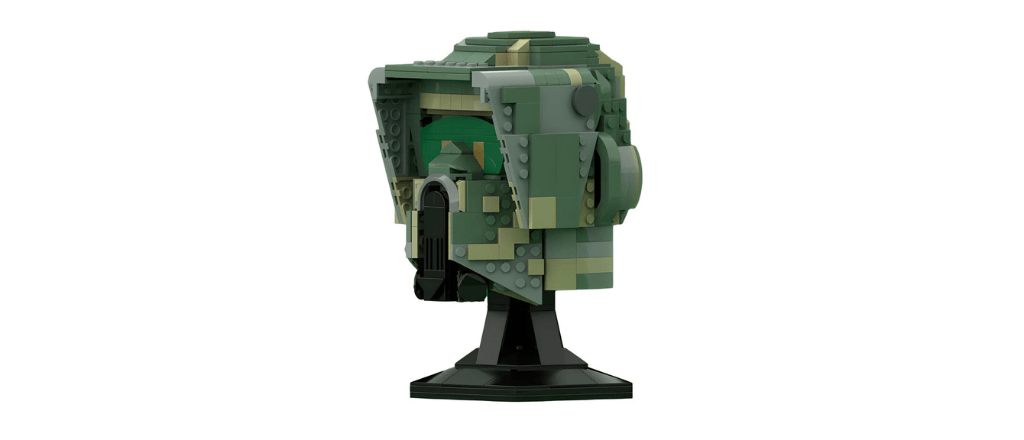
Crosshair’s Skills and Combat Abilities in Detail
While we’ve touched on Crosshair’s abilities throughout this analysis, it’s worth examining in detail just how exceptional his skills were and how they defined his role within the Bad Batch and later Imperial service. Crosshair wasn’t just good at shooting—he was operating at a level that bordered on superhuman, even by enhanced clone standards.
The Science Behind Crosshair’s Enhanced Vision
The genetic mutation that gave Crosshair his abilities specifically enhanced his visual acuity and hand-eye coordination. His eyesight allowed him to identify targets at distances that would be indistinct blurs to normal vision. He could track moving objects with perfect clarity, calculating trajectories and compensating for environmental factors instinctively. When Crosshair looked through his rifle’s scope, he didn’t just see a target; he saw a complete tactical picture including wind direction, distance, elevation differences, target movement patterns, and optimal firing solutions, all processed in fractions of a second.
His visual processing abilities operated on a level that regular beings couldn’t comprehend. The mutation didn’t just improve his eyesight like wearing corrective lenses; it fundamentally altered how his brain processed visual information. He could perceive and track multiple targets simultaneously, maintaining awareness of their positions and movement patterns without conscious effort. His peripheral vision was enhanced to the point where he could detect threats and opportunities that others would miss entirely. This gave him extraordinary situational awareness in combat, making him nearly impossible to ambush or surprise.
The genetic enhancement also affected his depth perception and distance judgment. Crosshair could estimate ranges with accuracy that would require regular soldiers to use laser rangefinders or advanced optics. He could compensate for parallax effects, atmospheric distortion, and other factors that degrade accuracy at extreme ranges. His brain essentially ran continuous ballistic calculations, updating constantly based on changing environmental conditions and target movement. This wasn’t conscious mathematics; it was intuitive, the same way most people intuitively know how hard to throw a ball to reach a target.
Mastery of the Firepuncher and Other Weapons
His weapon of choice, the modified Firepuncher sniper rifle, was as much a work of art as a tool of war. This wasn’t standard clone equipment; it was customized specifically for Crosshair’s abilities and fighting style. The Firepuncher had enhanced optics, stabilization systems, and power settings that allowed for different types of shots depending on the tactical situation. In Crosshair’s hands, it became an extension of his will, capable of shots that seemed impossible to observers. He could hit moving targets from a kilometer away, thread bolts through tiny openings, and make precision shots in conditions that would make most snipers give up.
The Firepuncher’s customization reflected Crosshair’s exacting standards and deep understanding of ballistics. The scope was calibrated precisely to his visual processing abilities, providing information overlays that complemented rather than replaced his enhanced perception. The trigger pull was adjusted to his exact preference, allowing him to control the exact moment of firing with microsecond precision. The stock was shaped to fit his body and shooting stance perfectly, minimizing movement and maximizing stability. Every component of the weapon was optimized for Crosshair’s specific physiology and combat style.
But Crosshair’s combat effectiveness wasn’t limited to long-range engagement. He was fully capable in close-quarters combat, quick-draw situations, and rapidly transitioning between multiple targets. The same enhanced hand-eye coordination that made him a devastating sniper also made him deadly at any range. He could draw and fire his sidearm with incredible speed, engage multiple opponents in quick succession, and maintain accuracy even while moving or under fire himself. This versatility made him valuable in any combat scenario, not just sniper positions.
The Mental Discipline of Elite Marksmanship
Beyond the physical abilities, Crosshair possessed the psychological attributes of an elite marksman: patience, focus, and the ability to control breathing and heartbeat to maintain perfect stillness when taking a shot. He could wait for hours if necessary, maintaining complete concentration on a target zone, ready to engage the moment the optimal shot presented itself. This mental discipline translated to other areas as well, giving Crosshair exceptional situational awareness and tactical assessment capabilities.
The ability to remain calm under pressure, to slow his breathing and heart rate voluntarily, to maintain concentration despite distractions and stress—these were skills that required years of training for most snipers but came naturally to Crosshair due to his genetic enhancement and innate temperament. He could enter a state of focused calm that allowed him to perform at peak efficiency even in the most chaotic combat situations. This psychological control was as important to his effectiveness as his enhanced vision and coordination.
Crosshair’s tactical intelligence complemented his physical abilities perfectly. He could read battlefields, identify key terrain features, predict enemy movements, and position himself for maximum effect. His understanding of geometry, ballistics, and tactics allowed him to find firing positions that others would overlook, angles that seemed impossible but provided perfect lines of fire. This combination of physical enhancement and tactical genius made him not just a sniper but a force multiplier for any operation he participated in.
Adapting to the Tremor and New Limitations
The tremor that developed during Crosshair’s imprisonment represented not just physical damage but the breaking of everything that had defined him. For someone whose entire identity centered on precision and control, losing the steadiness necessary for his legendary marksmanship was psychologically devastating. The struggle to compensate for the tremor, to find new ways to contribute when his defining ability was compromised, became a central part of Crosshair’s character development in later seasons. It forced him to find value in himself beyond just being the best shot, to discover that he was more than his abilities.
Learning to shoot with the tremor required Crosshair to completely relearn techniques he’d mastered through genetic enhancement and years of practice. He had to find ways to time his shots between tremor episodes, to brace his weapon differently, to rely more on prediction and less on reaction. The process was frustrating and humbling, forcing him to accept help and advice from his brothers when his pride would have preferred to struggle alone. Each successful shot became a victory, not just over the enemy but over his own physical limitations.
The tremor also forced the Bad Batch to adapt their tactics to accommodate Crosshair’s changed capabilities. They couldn’t rely on him to make the impossible shots anymore, at least not consistently. This meant repositioning him in their tactical formations, giving him different roles that played to his remaining strengths while accounting for his limitations. Rather than being purely the long-range precision shooter, Crosshair became more versatile, taking on mid-range support roles and using his tactical intelligence as much as his marksmanship.
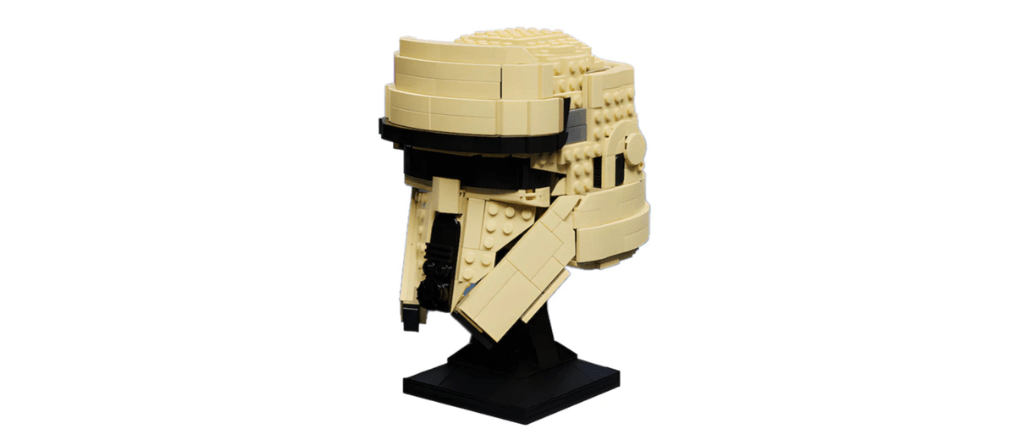
Crosshair’s Character Design and Visual Evolution
The visual presentation of a character in animation carries enormous storytelling weight, and Crosshair’s design perfectly embodied his personality and journey through every iteration of his appearance. From his distinctive Clone Force 99 armor to his Imperial modifications and eventual return to his roots, every visual element of Crosshair told part of his story.
The Original Bad Batch Armor Design
The original Bad Batch armor design for Crosshair was immediately distinctive within the squad. While all of Clone Force 99 wore modified armor in gray and orange colors rather than standard clone white, Crosshair’s particular configuration spoke to his role and personality. The armor was streamlined for mobility and precision rather than heavy protection, allowing the freedom of movement necessary for a sniper who might need to take unconventional positions. The color placement, the wear patterns, the customizations—all of it created a visual identity that was unmistakably Crosshair.
His armor featured specialized elements that supported his sniper role. The shoulder pauldron on his shooting side was designed to provide a stable rest for his rifle without restricting his range of motion. The chest plate had mounting points for ammunition and equipment positioned for easy access during combat. The gauntlets featured built-in stabilization systems that could assist with long-range shooting when needed. Every piece of equipment was chosen and modified for function, creating a visual design that told you exactly what this clone did and how he did it.
The wear and weathering on Crosshair’s armor told its own story. Battle scars, blast marks, and abraded paint showed a soldier who’d seen extensive combat. The maintenance and care of the equipment despite this wear indicated a professional who respected his tools and kept them functional. The distinctive patterns of use and damage were unique to Crosshair, a visual history of the missions and battles that had shaped him before Order 66 changed everything.
The Crosshair Tattoo and Its Symbolism
His helmet deserves special attention as a piece of character design. The modified clone helmet featured enhanced optics and targeting systems, with the visor configuration allowing for the kind of advanced vision Crosshair’s mutation provided. When he wore it, the helmet created an almost insectoid appearance, alien and focused, perfectly capturing the sense of a predator locked onto prey. When he removed it, revealing the crosshair tattoo over his right eye, that targeting reticle became a permanent part of his face, a mark that said “this is what I am, this is what I do.”
The crosshair tattoo itself worked on multiple levels as a design element. Practically, it marked Crosshair as the squad’s sharpshooter at a glance, instantly communicating his role to anyone who saw him. Symbolically, it represented his worldview: everything and everyone could be reduced to a target, assessed, and neutralized if necessary. The placement over his eye, his dominant sensory organ and the source of his enhanced abilities, created a direct visual link between his identity and his capabilities. As his character evolved, that tattoo remained constant, a reminder of who he’d been even as everything else changed.
The tattoo also served as a constant reminder to Crosshair himself of what he was supposed to be. Every time he looked in a mirror, every time someone looked at him, that crosshair reinforced his identity as a marksman. After the tremor developed and his shooting abilities were compromised, the tattoo must have felt almost mocking, a permanent declaration of a capability he’d lost. Yet it also represented his core self, the foundation of who he was beyond just his current physical state.
The Transformation to Imperial Colors
The transition to Imperial armor marked a dramatic shift in Crosshair’s visual presentation. The warm grays and oranges of Clone Force 99 were replaced with cold Imperial grays and blacks, the visual language of conformity and authoritarian control. This armor was less personalized, more standardized, reflecting Crosshair’s attempt to subsume his individual identity into the Imperial machine. Yet even here, elements of his original design persisted—the helmet modifications, the Firepuncher rifle, subtle reminders that beneath the Imperial paint scheme was still a member of the Bad Batch, no matter how much he tried to deny it.
The Imperial armor represented more than just a change of allegiance; it symbolized Crosshair’s attempt to become someone new, to shed his identity as part of Clone Force 99 and become purely an Imperial soldier. The standardized colors, the regulation equipment mounting, the conformity to Imperial design aesthetics—all of it showed Crosshair trying to fit into a system that valued uniformity over individuality. But the customizations he couldn’t quite eliminate, the personal touches that persisted despite his attempts at conformity, showed that complete transformation was impossible. He remained fundamentally himself beneath the Imperial facade.
The weathering and damage to Crosshair’s armor over time told its own story. Fresh and pristine Imperial armor gave way to battle-scarred equipment, then to the prison-issue clothing of Tantiss, and eventually to a return to modified clone armor that bore the marks of everything he’d been through. Each scratch, burn mark, and repaired section represented experiences and battles, creating a visual history of his journey. By the time Crosshair returned to something approximating his original Bad Batch appearance, the armor told a story of everything he’d lost and was trying to reclaim.
Physical Manifestations of Psychological State
The physical toll of Crosshair’s experiences showed in his body language and posture as well. The confident, almost arrogant stance of early Crosshair gave way to the rigid, militaristic posture of his Imperial service, which then broke down into the traumatized, uncertain movements of his post-Tantiss phase. The tremor in his hand became a visible manifestation of internal damage, impossible to hide and constantly present as a reminder of what he’d been through. The way other characters reacted to seeing that tremor, the mixture of concern and understanding, added another layer of emotional storytelling through pure visual means.
Crosshair’s facial expressions and body language evolved significantly throughout his arc. The sardonic smirks and eye rolls of early Crosshair, showing his dry humor and cynicism, disappeared during his Imperial service, replaced by cold, controlled expressions that revealed little emotion. During his imprisonment and afterward, his expressions became more open and vulnerable, showing pain, uncertainty, and genuine emotion he’d previously kept hidden. This visual evolution paralleled his internal character development, showing through animation the psychological journey he was experiencing.
The toothpick that had been such a distinctive part of Crosshair’s original appearance disappeared during his Imperial service and imprisonment, a small detail that spoke volumes. This casual habit, this small comfort item, had no place in the rigid Imperial system or the horrors of Tantiss. Its eventual return after his rescue symbolized Crosshair beginning to reclaim aspects of his original identity, small pieces of who he’d been reasserting themselves as he healed and rebuilt himself. These kinds of visual details enriched the character portrayal without requiring explicit dialogue or explanation.
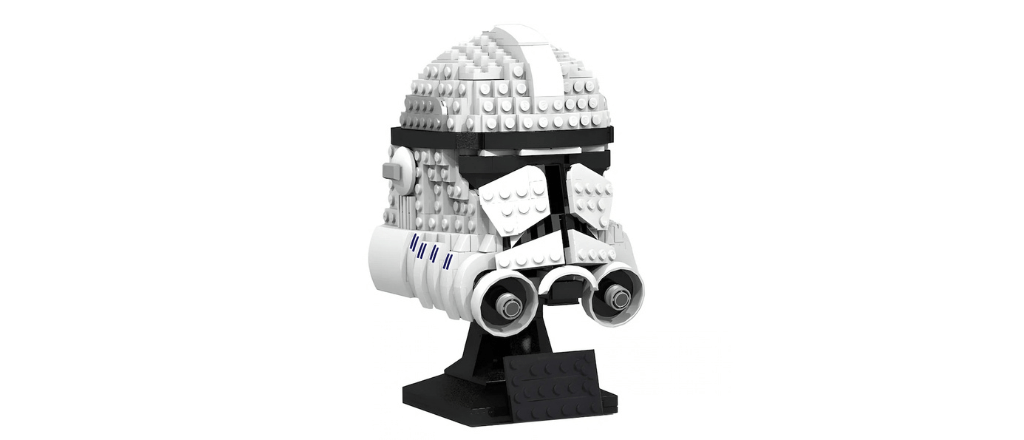
The Psychology of Crosshair: Understanding His Choices
To truly understand Crosshair as a character, we need to dig into the psychology behind his choices, particularly the decision to remain with the Empire even after his inhibitor chip was removed. This isn’t just about plot points or action sequences; it’s about understanding how a person’s beliefs, experiences, and identity can lead them to make choices that seem incomprehensible from the outside but make perfect sense to them in the moment.
Pre-Existing Personality Traits That Made Him Vulnerable
Crosshair’s pre-Order 66 personality already contained seeds of what would happen later. His elitism regarding Clone Force 99’s superiority over regular clones revealed a worldview built on hierarchy and meritocracy. He believed that exceptional abilities deserved recognition and that those with superior skills had different roles and responsibilities than everyone else. This wasn’t entirely wrong—special operations teams do require different capabilities and do take on different missions—but it created a psychological foundation that the Empire could exploit.
His respect for order, structure, and clear hierarchies made him psychologically predisposed to serve authoritarian systems. Crosshair was comfortable with command structures, with having defined roles and responsibilities, with knowing exactly what was expected and executing those expectations with precision. This made him an excellent soldier, but it also made him vulnerable to manipulation by systems that offered clear structure while pursuing evil ends. The Empire provided order and purpose, and Crosshair’s psychology valued those things highly enough to overlook or rationalize the darkness beneath.
Crosshair’s emotional self-sufficiency, while a strength in many ways, also made him vulnerable. He didn’t need constant emotional validation or connection the way some people do. He was comfortable with isolation, with being the outsider, with maintaining emotional distance. This meant he didn’t feel the emotional pull to return to his brothers as strongly as someone more emotionally dependent might have. He could rationalize staying with the Empire partially because he didn’t feel the deep emotional lack that losing his brothers created, at least not consciously. The pain was there, but his psychological defenses kept him from fully acknowledging it.
How the Chip Amplified Existing Tendencies
When the inhibitor chip activated, it didn’t create entirely new beliefs in Crosshair’s mind; it amplified and redirected tendencies that were already there. His respect for order and structure, his focus on mission completion over sentiment, his belief in hierarchy and his place within it—all of these existing traits were twisted into justification for Imperial service. The chip essentially gave him a new mission and a new hierarchy to serve, one that his existing personality was predisposed to accept.
The chip’s psychological manipulation worked by taking Crosshair’s genuine values and connecting them to false conclusions. His value for order was real; the chip made him believe the Empire represented order. His belief that soldiers needed purpose was genuine; the chip made him see Imperial service as the proper source of that purpose. His dedication to mission completion was authentic; the chip redirected that dedication toward Imperial objectives. This made the manipulation particularly insidious because it didn’t feel like manipulation to Crosshair—it felt like logical conclusions based on his existing values and beliefs.
The really fascinating psychological moment came after the chip’s removal. Why didn’t Crosshair immediately recognize that he’d been manipulated and return to his brothers? Part of the answer lies in cognitive dissonance, the psychological discomfort we feel when our actions conflict with our beliefs. By the time Crosshair’s chip was removed, he’d already committed significant actions in the Empire’s service. To acknowledge that these actions were wrong would require admitting that he’d been manipulated, that his judgment had been compromised, that he’d hurt his brothers while under false pretenses.
The Role of Pride and Sunk Cost
For most people, that kind of admission is difficult. For someone with Crosshair’s personality, someone who prided himself on clear vision and strong convictions, it was nearly impossible. Rather than face the crushing weight of that cognitive dissonance, Crosshair’s mind found a way to rationalize his choices. He convinced himself that the Empire really did represent order and purpose, that his brothers were the ones who’d made the wrong choice by refusing to adapt to the new galactic reality. This wasn’t the chip making him think this; it was his own psychological defense mechanisms protecting him from unbearable guilt and self-recrimination.
The sunk cost fallacy also played a role in Crosshair’s continued Imperial service. He’d invested so much time, energy, and identity into being an Imperial soldier that abandoning that path felt like admitting total failure. Every mission he’d completed, every choice he’d made in the Empire’s service, would be retroactively rendered meaningless if he acknowledged his mistake. It’s the same psychology that keeps people in bad relationships or failing careers long after they should have left: the more you’ve invested, the harder it becomes to walk away, even when you know you should.
Crosshair’s pride made it particularly difficult for him to admit error. He’d positioned himself as the one who saw clearly while his brothers were clouded by sentiment. He’d argued that serving the Empire was the right choice, the logical choice, the only choice that made sense for soldiers in the new galactic order. To return to his brothers would mean admitting he’d been wrong about all of that, that they’d been right and he’d been catastrophically mistaken. For someone who’d built his identity on being right, on seeing clearly when others were confused, that admission would be psychologically devastating.
Authority, Purpose, and the Clone Identity Crisis
Crosshair’s relationship with authority and purpose also shaped his choices. Clones were created to serve, bred and trained from birth to follow orders and complete missions. While Clone Force 99 had more independence than regular clones, they still operated within a military structure with clear chains of command and defined objectives. When the Republic became the Empire, that structure remained largely intact from a clone’s perspective. The Empire offered Crosshair what he’d always had: a clear purpose, defined missions, a place within a larger organization. Leaving that behind meant facing an uncertain future without the structure that had defined his entire existence.
This highlights a fundamental identity crisis that all clones faced after the war: if they weren’t soldiers following orders, what were they? Crosshair’s answer was to remain a soldier, to continue following orders even when those orders came from an evil regime. His brothers’ answer was to find new purpose beyond military service, to define themselves as more than just their programming. Both responses were understandable reactions to the same existential crisis, but they led to radically different outcomes.
The gradual breakdown of Crosshair’s psychological defenses, from his first doubts about Imperial methods through Mayday’s death to his imprisonment at Tantiss, represented the slow, painful process of someone confronting truths they’d desperately tried to avoid. Each experience that contradicted his rationalization of Imperial service chipped away at the mental framework he’d constructed to justify his choices. By the time he was imprisoned at Tantiss, experiencing firsthand the Empire’s complete disregard for clone lives, his psychological defenses finally collapsed entirely, leaving him to face the full weight of his mistakes without any remaining justifications.
Crosshair’s Relationships: Brotherhood, Betrayal, and Reconciliation
The heart of Crosshair’s story isn’t really about the Empire or inhibitor chips or tactical operations—it’s about family. Specifically, it’s about what happens when family bonds are tested to their absolute limit, when betrayal cuts deepest because it comes from someone you trusted completely, and whether reconciliation is possible after such profound hurt.
The Bond Between Crosshair and Hunter
The relationship between Crosshair and Hunter formed the central emotional axis of the Bad Batch squad. As leader, Hunter made the tactical decisions, but he always valued input from his team, including and especially Crosshair’s sharp assessments. These two had fought together through countless battles, developed an almost telepathic understanding of each other’s capabilities and thinking, and built a trust that only comes from repeatedly putting your life in someone else’s hands. When Crosshair turned on the squad, Hunter felt that betrayal more keenly than anyone except perhaps Omega.
What made their conflict so painful was that both genuinely believed they were right. Hunter thought Crosshair was being controlled and needed to be saved, while Crosshair thought Hunter was being sentimental and allowing attachment to cloud his judgment. Neither was completely wrong, which made their confrontations layered with tragedy rather than simple hero-versus-villain dynamics. When Hunter refused to give up on Crosshair despite every reason to do so, it wasn’t naive optimism; it was the stubborn refusal to abandon a brother, even when that brother had seemingly abandoned him first.
Their tactical partnership had been built on mutual understanding and complementary strengths. Hunter’s enhanced senses and tactical intuition combined with Crosshair’s precision and strategic vision to make them an extraordinarily effective command team. They could read each other’s intentions, anticipate each other’s decisions, and work in perfect synchronization without needing extensive communication. Losing that partnership was a tactical blow to the squad, but more importantly, it was an emotional devastation for Hunter personally.
The eventual reconciliation between Hunter and Crosshair didn’t happen in one dramatic moment of forgiveness. It came gradually, through small acknowledgments and tentative trust slowly rebuilt. Hunter had to accept that the Crosshair who came back wasn’t exactly the same person who’d left, that trauma and experience had changed him in fundamental ways. Crosshair had to accept Hunter’s leadership again, to trust that following Hunter’s judgment wouldn’t lead to the same kind of betrayal he’d experienced from the Empire. Their relationship had to be rebuilt from the ground up, acknowledging what they’d lost while finding new ways to function as brothers.
Wrecker’s Straightforward Pain and Forgiveness
Wrecker’s relationship with Crosshair showcased a different dynamic. Where Hunter led with tactical consideration and emotional control, Wrecker wore his heart on his sleeve. He’d looked up to Crosshair, admired his skills, and enjoyed their banter despite Crosshair’s sharp tongue. When Crosshair hunted them, Wrecker took it personally in a way that was heartbreakingly simple: his brother was trying to hurt him, and he couldn’t understand why. Wrecker’s emotional simplicity made the betrayal cut deeper in some ways, because he couldn’t intellectualize or rationalize it—he just felt the hurt directly.
Crosshair had often been harsh with Wrecker, making comments about his intelligence or his tendency to solve problems with explosions rather than subtlety. But beneath the sarcasm, there had always been affection and respect. Crosshair valued Wrecker’s straightforward nature, his unwavering loyalty, his ability to bring enthusiasm and joy to even dangerous situations. Losing that relationship, becoming someone Wrecker feared and fought against rather than fought alongside, represented a personal tragedy for both of them.
Wrecker’s eventual acceptance of Crosshair’s return came more easily than Hunter’s, not because he’d been hurt less, but because Wrecker’s emotional simplicity allowed him to move past hurt once Crosshair demonstrated genuine change. He didn’t need complex explanations or extended proving periods; he needed to see that his brother was sorry and was trying to be better. Once he saw that, Wrecker’s natural inclination toward forgiveness and acceptance took over. The joy of having his brother back outweighed the pain of what had happened, allowing them to begin rebuilding their relationship.
Tech’s Analytical Perspective
Tech’s relationship with Crosshair before his tragic death was fascinating because it operated on a completely different level than the others. Tech approached Crosshair’s betrayal and potential redemption with characteristic analytical detachment, calculating probabilities and assessing evidence rather than getting caught up in emotional responses. Yet beneath that analytical exterior, Tech cared deeply about his brother. His willingness to consider Crosshair’s return wasn’t based on sentiment; it was based on his assessment that the evidence suggested genuine change was possible.
Tech and Crosshair had always had an interesting dynamic. Tech would launch into detailed technical explanations that Crosshair would cut off with dry sarcasm, yet Crosshair clearly respected Tech’s intelligence and often relied on his analyses for tactical planning. They shared an appreciation for precision and accuracy, though Tech applied it to information and technology while Crosshair applied it to marksmanship and tactics. This common ground created a bond based on mutual respect for each other’s expertise.
Tech’s loss meant that Crosshair never got to fully reconcile with one of his brothers, a permanent scar on his redemption arc. The conversations they could have had, the understanding they might have reached, the partnership they might have rebuilt—all of that became impossible. This incompleteness added realistic weight to Crosshair’s redemption, acknowledging that sometimes you don’t get the chance to make amends with everyone you’ve hurt, that some relationships can’t be repaired because time and circumstances don’t allow for it.
Echo’s Unique Understanding
Echo’s addition to the Bad Batch created another interesting relationship dynamic. Having experienced his own traumatic separation and transformation, Echo understood what it meant to come back changed, to no longer fit perfectly into the role you once held. His perspective on Crosshair’s situation came from hard-earned experience: people could change, trauma could reshape you, and family was about accepting each other through those changes, not requiring everyone to stay frozen in time.
Echo had been a “reg,” a regular clone who followed protocol and respected military hierarchy. His transformation into a cyborg weapon by the Separatists and subsequent rescue left him changed in fundamental ways. He’d struggled to find his place again, to integrate his new capabilities and limitations with his sense of self. This experience gave him unique insight into Crosshair’s situation, understanding both the difficulty of returning after profound change and the importance of family accepting you despite that change.
The bond that developed between Echo and Crosshair was based on this mutual understanding of transformation and loss. Both had been changed against their will by systems that used them as tools. Both had to rebuild their identities after those transformations. Both struggled with physical limitations that affected their combat effectiveness. This shared experience created a foundation for connection that helped Crosshair feel less alone in his struggle to find his place again within the squad.
Omega’s Unconditional Acceptance
Omega’s relationship with Crosshair stood apart from all the others because she hadn’t known him before his transformation. To Omega, Crosshair wasn’t a fallen brother who needed to return to who he’d been; he was a brother she was getting to know for the first time, someone who needed help finding his way. Her unconditional acceptance, her belief in his capacity for good despite all evidence to the contrary, provided Crosshair with something he desperately needed: someone who saw him as a person rather than as his past mistakes or his former glory.
Omega had a remarkable ability to see potential in people that others had written off. She’d done it with Echo when he first joined, seeing value in his unique perspective and capabilities when others saw only his limitations. She did it with various allies and contacts the Bad Batch met in their travels. And she did it with Crosshair, refusing to give up on him even when his own brothers had moments of doubt. This unwavering faith wasn’t naive optimism; it was a genuine belief in people’s capacity for change and growth.
For Crosshair, who’d spent so long defining himself by his abilities and accomplishments, Omega’s acceptance based on who he was rather than what he could do represented a radical shift. She didn’t need him to be the perfect marksman or the tactical genius; she needed him to be her brother, to care about her and the squad, to choose good over evil. This simpler standard of worth helped Crosshair begin to find value in himself beyond his combat capabilities, a crucial step in rebuilding his identity after the tremor had compromised his defining skill.
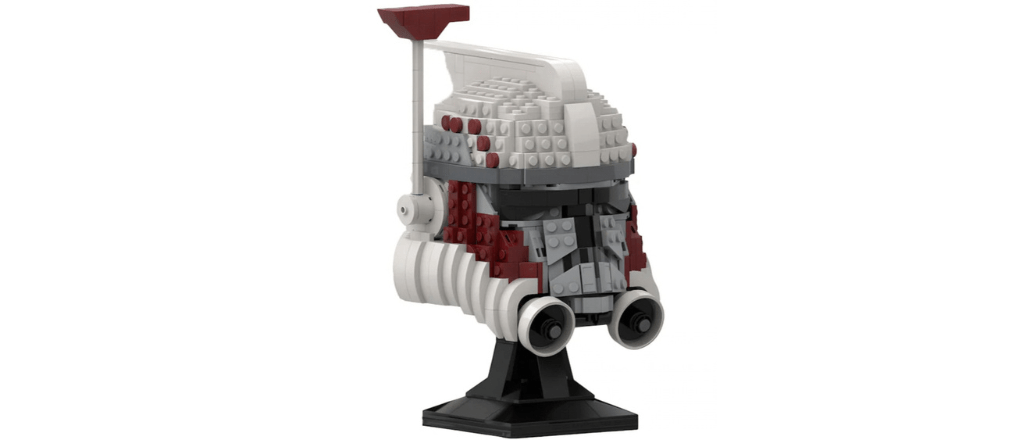
Crosshair in the Broader Star Wars Canon
While Crosshair’s story is intimately tied to The Bad Batch, understanding his role within the broader Star Wars canon helps illuminate why his character arc matters beyond just this one series. Crosshair represents themes and questions that resonate throughout Star Wars storytelling, from the original trilogy through the modern era.
Exploring Free Will and Programming
The question of free will versus programming that Crosshair embodies connects directly to larger Star Wars themes about identity and choice. The inhibitor chips were Palpatine’s ultimate expression of control, the removal of choice from soldiers who’d been bred for war. Crosshair’s struggle with the chip’s effects and aftermath asks fundamental questions: if your choices are manipulated, are you responsible for your actions? When does influenced choice become your own? How do you reclaim agency after it’s been taken from you? These aren’t just science fiction questions; they’re deeply human concerns about autonomy, responsibility, and moral culpability.
The inhibitor chip plotline that so heavily affects Crosshair also connects to The Clone Wars series and helps create narrative continuity across different Star Wars properties. The chips were introduced in Clone Wars, played a crucial role in the execution of Order 66, and continue to have consequences in The Bad Batch. Crosshair’s experience with his chip provides a different perspective on this plot element, showing long-term psychological effects rather than just immediate behavioral control.
This exploration of free will resonates with other Star Wars stories about characters struggling with their programming or destiny. Anakin Skywalker’s fall to the dark side involved questions about prophecy and whether his fate was predetermined. Luke’s journey in the original trilogy centered on whether he could choose a different path than his father. Rey’s arc in the sequel trilogy dealt with genetic legacy and whether her lineage determined her choices. Crosshair’s story adds another dimension to this ongoing Star Wars conversation about agency, choice, and identity.
The Fate of Clone Troopers After the War
Crosshair’s arc also provides crucial context for understanding what happened to clone troopers after the Clone Wars. While Order 66 and the rise of the Empire get significant attention in Star Wars storytelling, the fate of the clones themselves often gets less focus. Through Crosshair and the Bad Batch, we see how the Empire systematically devalued and discarded the clone army, replacing them with recruited soldiers and treating them as obsolete technology.
This adds emotional weight to the tragedy of the clones: they were created for a war that ended, served an Empire that didn’t want them, and had to find meaning and purpose in a galaxy that had moved on. The clones’ story becomes a meditation on being used and discarded, on the difficulty of finding purpose when your designed purpose no longer exists, and on the resilience required to rebuild identity after profound loss. Crosshair’s journey encapsulates all of these themes in personal, emotional terms.
The Bad Batch’s exploration of clone retirement, discrimination against clones, and the Empire’s cruel treatment of former soldiers adds depth to our understanding of this transitional period in galactic history. We see the human cost of the political transition from Republic to Empire, the individuals who fell through the cracks or were actively targeted by the new regime. Crosshair’s imprisonment at Tantiss and the experiments conducted there reveal the darkest aspects of how the Empire viewed clones: not as people or even as soldiers, but as biological resources to exploit.
A Different Model of Redemption
The character of Crosshair also contributes to Star Wars’ ongoing exploration of redemption as a central theme. From Anakin Skywalker to Ben Solo, Star Wars has always been interested in whether people who’ve done terrible things can be redeemed, what redemption requires, and whether forgiveness is always possible or appropriate. Crosshair’s redemption arc takes a different path than Vader’s deathbed salvation or Ben’s sacrificial redemption. His is slower, messier, more ambiguous, requiring him to live with his mistakes rather than dying to atone for them.
This provides a different model of redemption, one that might be more relatable to audience members dealing with their own need for change and forgiveness. Most people don’t get dramatic sacrifice moments that wipe their slates clean; they have to do the hard work of changing their behavior, making amends where possible, and living with the consequences of their past while building a better future. Crosshair’s redemption shows that path, validating the difficulty while affirming the possibility.
His story also explores the limits and complications of forgiveness. Not everyone forgives at the same rate. Some relationships can’t be fully restored. Some damage is permanent. These realistic complications make Crosshair’s redemption feel more authentic than simple “all is forgiven” narratives. The Bad Batch’s treatment of his return shows that loving someone and forgiving them doesn’t mean pretending their harmful actions didn’t happen or didn’t hurt.
Moral Complexity in Military Service
Crosshair’s story also reflects Star Wars’ increasing interest in the moral complexities of war and military service. Early Star Wars presented relatively clear-cut conflicts between good and evil, rebels and Empire, freedom and tyranny. Modern Star Wars storytelling has become more interested in exploring the gray areas: soldiers following orders in unjust systems, the difficulty of determining right action in complex situations, the long-term consequences of war on individuals and societies. Crosshair lives in those gray areas, making his story feel more grounded and contemporary even within the fantastical Star Wars setting.
The exploration of how good people can serve bad systems, how military culture can be corrupted, and how difficult it is to recognize and resist that corruption from within adds sophisticated political commentary to Star Wars. Crosshair’s gradual realization that the Empire doesn’t represent what he thought it did mirrors historical examples of people awakening to the true nature of authoritarian regimes they’d supported. This makes his story not just entertainment but a meditation on relevant political and ethical questions.
The Voice Behind Crosshair: Dee Bradley Baker’s Performance
While animation is a visual medium, the voice performance brings characters to life in ways that pure visuals cannot achieve. Dee Bradley Baker’s work voicing Crosshair, along with all the other clones in The Clone Wars and The Bad Batch, represents some of the finest voice acting in animation, bringing subtle distinction and emotional depth to characters who could easily have felt identical.
Creating Distinct Voices for Genetic Copies
Baker’s challenge in creating Crosshair was establishing a distinct vocal identity while maintaining the fundamental similarity that all clones share. Every member of the Bad Batch sounds related—you can hear the genetic connection—but each has unique vocal characteristics. For Crosshair, Baker chose to emphasize precision and control in his delivery, clipping words slightly, using a narrower pitch range than characters like Wrecker, and employing a tone that suggested constant evaluation and judgment.
The vocal choices Baker made for Crosshair perfectly complemented his visual design and personality. The clipped, precise speech pattern matched his marksmanship—every word carefully chosen and delivered with minimal waste, like shots fired with maximum efficiency. The controlled tone suggested someone always maintaining composure, always in command of himself, never allowing emotion to cloud judgment or compromise performance. Even Crosshair’s sarcasm was delivered with precision rather than broad humor.
Creating distinct voices for characters who are genetic copies requires incredible skill and attention to detail. Baker had to find ways to differentiate the Bad Batch members that felt natural and consistent while still maintaining the family resemblance. He gave Hunter a slightly lower register and more measured cadence, Wrecker a louder, more energetic delivery, Tech a faster pace and more academic vocabulary, and Crosshair the precise, controlled style that defined him. These distinctions made it easy for audiences to identify who was speaking even without visual cues.
Vocal Performance During Imperial Service
The coldness that characterized Crosshair during his Imperial service came through not just in what he said but how he said it. Baker removed warmth from Crosshair’s voice, made it more mechanical and controlled, suggesting someone who’d deliberately suppressed emotional connection. The contrast with Crosshair’s earlier vocal performance, where you could still hear traces of affection and even humor beneath the sharp exterior, made the transformation all the more disturbing. Baker showed through pure vocal performance how the inhibitor chip and Crosshair’s choices had changed him fundamentally.
During confrontations with his brothers, Baker had to convey multiple emotional layers simultaneously: Crosshair’s conscious conviction that he was right, underlying defensive anger at being questioned, and buried pain over the fractured relationships. The voice work during these scenes was masterful, showing absolute certainty on the surface while letting cracks of doubt and hurt seep through in subtle ways. A slight catch in the voice, a momentary tightness, a fractional pause—these tiny vocal choices revealed Crosshair’s internal conflict even as his words projected confidence.
The scenes where Crosshair tried to convince his brothers to join the Empire required Baker to walk a fine line between genuine belief and desperate rationalization. Crosshair needed to sound convinced, passionate even, about the Empire’s mission, but there also needed to be an undercurrent of trying too hard, of needing to convince himself as much as his brothers. Baker achieved this through intensity of delivery combined with subtle vocal tension, creating a performance that felt authentic to the character’s psychology in that moment.
Showing Vulnerability and Redemption
As Crosshair’s arc progressed toward redemption, Baker had to show the breakdown of that cold control and the gradual return of vulnerability and emotion. The tremor in Crosshair’s hand found its vocal equivalent in moments where his voice shook with suppressed emotion, where the carefully maintained control cracked to reveal the pain underneath. Baker played these moments with remarkable subtlety, never overplaying the emotion but letting it seep through the cracks in Crosshair’s armor.
The confrontation scenes between Crosshair and his brothers showcase Baker essentially performing against himself, creating distinct emotional realities for each character in the conversation. When Crosshair argues with Hunter, Baker differentiates not just the vocal tones but the emotional logic behind each character’s words. Crosshair’s defensive anger and hurt pride sound completely different from Hunter’s frustrated concern, even though they’re both coming from the same voice actor in the same recording session. This requires extraordinary skill and character understanding.
Baker’s performance during Crosshair’s imprisonment at Tantiss revealed new layers of the character. Stripped of his armor and weapons, reduced to his core self, Crosshair’s voice became quieter, less certain, more fragile. Baker showed us a person who’d had everything they’d built themselves on taken away, forced to confront their own vulnerability without any defenses. The strength in Baker’s work is that he never made Crosshair pathetic even in his lowest moments; broken, yes, but still retaining a core of dignity and determination.
The Technical Challenge of Self-Conversations
One of the most technically impressive aspects of Baker’s work is creating believable conversations between clones. When Crosshair talks with Hunter or other members of the Bad Batch, Baker has to perform both sides of the conversation in ways that feel natural and responsive. He can’t just perform each part in isolation; he has to create the sense that these characters are actually listening and responding to each other in real-time, even though it’s one person performing all the parts.
This requires Baker to deeply understand each character’s psychology, motivations, and emotional state in every scene. He has to track multiple emotional arcs simultaneously, maintaining consistency for each character while showing how they affect and respond to each other. The fact that conversations between clones in The Bad Batch feel natural and emotionally resonant is a testament to Baker’s extraordinary vocal acting ability and his complete understanding of these characters.
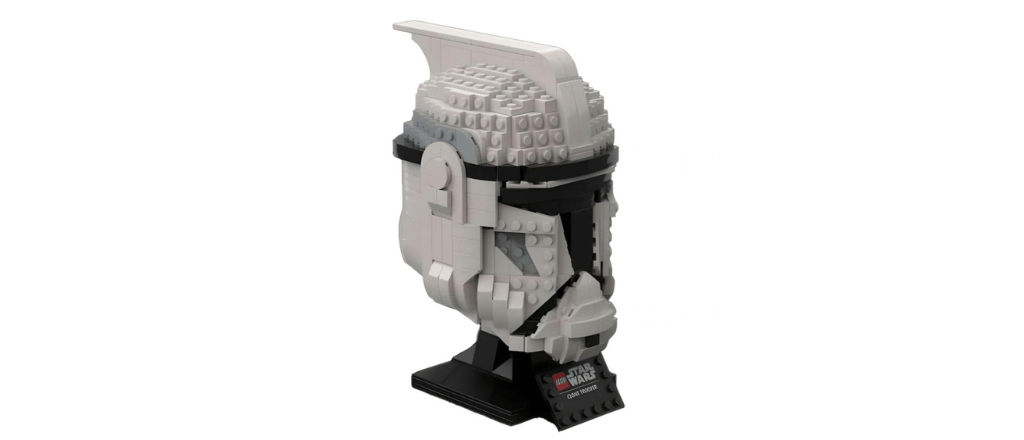
What Crosshair’s Story Teaches Us About Loyalty and Identity
Beyond the entertainment value and compelling character drama, Crosshair’s arc offers genuine insights about loyalty, identity, and the difficulty of change that resonate far beyond the Star Wars universe. His story provides a framework for thinking about real-world issues of belief, belonging, and the courage required to admit when you’ve been wrong.
The Nature and Limits of Loyalty
The question of loyalty drives much of Crosshair’s character arc. He believed he was loyal to the Empire when he was actually loyal to an idea of order and purpose that the Empire had promised but never delivered. This distinction matters because it reveals how easy it is to transfer loyalty from one thing to another when the underlying need remains constant. Crosshair needed to serve, to have clear missions and purposes, and when the Republic became the Empire, that need didn’t disappear. The tragedy is that he chose to serve an institution unworthy of his loyalty rather than face the uncertainty of finding a new purpose.
His story asks important questions about what loyalty means and what it should be based on. Is loyalty to an institution or system inherently valuable, or does it depend on whether that institution deserves loyalty? When an organization or system you’ve been loyal to reveals itself to be corrupt or evil, what do you owe it? How do you balance loyalty to ideals versus loyalty to specific people or institutions? Crosshair’s arc suggests that blind institutional loyalty can be dangerous, that true loyalty should be rooted in shared values and mutual respect rather than just hierarchy and structure.
The contrast between Crosshair’s loyalty to the Empire and his brothers’ loyalty to each other highlights different types of loyalty. Crosshair chose loyalty to an abstract institution and its promise of order. His brothers chose loyalty to each other as individuals, to their shared history and bonds. The story validates the brothers’ choice, showing that personal connections and ethical principles make a more solid foundation for loyalty than institutional allegiance. This has implications for how we think about loyalty in our own lives, to workplaces, political movements, or other systems versus to people and principles.
Identity Investment and the Difficulty of Change
Crosshair’s story also examines how identity becomes invested in our choices and affiliations. By the time his inhibitor chip was removed, being an Imperial soldier wasn’t just something Crosshair did; it was who he was. His entire sense of self had become wrapped up in that identity, making it psychologically dangerous to question or abandon it. We see this same dynamic in real life when people remain committed to political movements, relationships, or careers long after they’ve become harmful, because admitting the mistake feels like admitting that your entire identity was false.
The sunk cost fallacy that kept Crosshair committed to the Empire despite mounting evidence of its evil reflects a common psychological trap. The more we invest in a choice or path, the harder it becomes to abandon it even when we should. Every action Crosshair took in Imperial service became another reason to stay, another investment that would be lost if he admitted his mistake. Understanding this psychology helps us recognize the same pattern in our own lives and resist the urge to persist in harmful situations simply because we’ve already invested so much.
The difficulty Crosshair experienced in changing course even after recognizing his mistakes reflects a deeply human struggle. It’s one thing to intellectually understand that you were wrong; it’s another entirely to act on that understanding when doing so requires abandoning everything you’ve built, admitting you were manipulated, and facing the people you’ve hurt. Crosshair’s slow journey toward change feels authentic because it acknowledges how hard it is to overcome pride, sunk costs, and the fear of an uncertain future, even when you know change is necessary.
Redemption Without Erasure
His redemption arc also teaches something important about forgiveness and reconciliation. The Bad Batch didn’t immediately forgive Crosshair or pretend his actions didn’t matter. They made him prove his commitment to change through repeated actions, rebuilding trust slowly and carefully. But they also didn’t demand that he be perfect or return to exactly who he’d been before. They accepted that Crosshair had been changed by his experiences, that trauma had left marks, and that family means accepting people through their struggles and imperfections.
Perhaps most importantly, Crosshair’s story demonstrates that redemption doesn’t erase consequences. He couldn’t undo the things he’d done in Imperial service. People he’d hurt didn’t have to forgive him. The trauma he’d experienced couldn’t be wished away. Redemption meant living with all of that, accepting responsibility, and choosing to be better anyway. That’s a much more realistic and ultimately more meaningful vision of redemption than magical instant forgiveness and restoration.
The permanent nature of the tremor in Crosshair’s hand serves as a powerful metaphor for this reality. Some damage doesn’t fully heal. Some consequences of our choices stay with us permanently. Redemption doesn’t mean returning to exactly who you were before your mistakes; it means becoming someone better than you are now while carrying forward the marks of what you’ve been through. This more nuanced understanding of redemption feels both more realistic and more hopeful than narratives that suggest we can erase our pasts through sufficient remorse or sacrifice.
Lessons About Recognizing Manipulation
Crosshair’s difficulty recognizing that he’d been manipulated, even after the direct control mechanism was removed, offers insights into how psychological manipulation works. The inhibitor chip did its damage not just through direct control but by reshaping Crosshair’s beliefs and perceptions during a vulnerable period. Even after the chip was gone, those reshaped beliefs persisted because they’d become integrated into his worldview. This reflects how real-world manipulation works: controlling someone’s environment, information, and experiences to shape their beliefs in ways that persist even after the direct control ends.
The story validates the difficulty of recognizing manipulation from within. When your entire framework for understanding reality has been shaped by the manipulative influence, using that framework to recognize the manipulation is nearly impossible. It requires outside perspective, new experiences that contradict the manipulated beliefs, and often a crisis that forces you to question your assumptions. Crosshair needed all of these: his brothers’ continued resistance providing outside perspective, experiences with the Empire that contradicted his beliefs about what it represented, and the crisis of Mayday’s death and his own imprisonment forcing total reevaluation.
This has implications for understanding people in our own lives who seem to support harmful ideologies or remain in toxic situations. Judgment and condemnation rarely help people recognize they’ve been manipulated; what helps is maintaining connection, providing alternative perspectives, and being ready to support them when the crisis comes that forces them to question their beliefs. The Bad Batch’s refusal to give up on Crosshair, combined with their unwillingness to pretend his choices didn’t matter, models this balance between accountability and compassion.
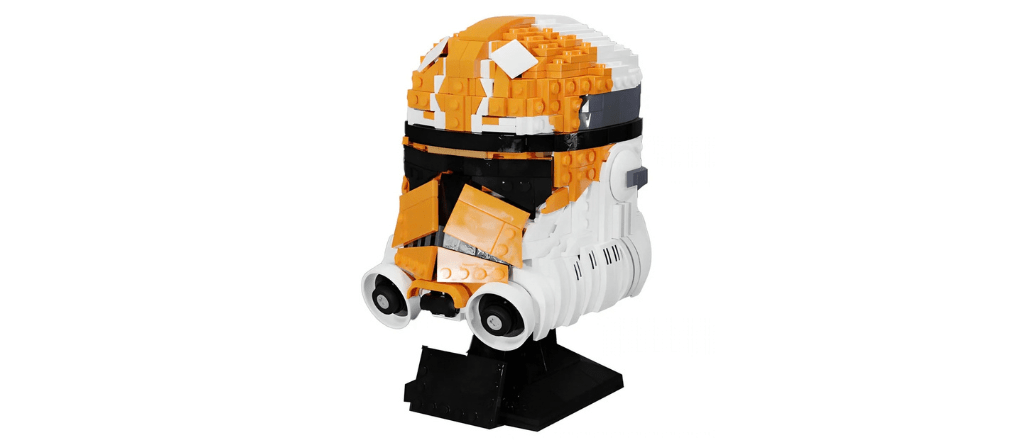
The Cultural Impact and Fan Reception of Crosshair
Since his introduction in The Clone Wars and prominent role in The Bad Batch, Crosshair has developed a dedicated following within the Star Wars fandom. His character has sparked countless discussions, fan theories, artwork, and analyses, becoming one of the most talked-about characters in modern Star Wars animation. Understanding how fans have received and interpreted Crosshair provides insight into why his character resonates so strongly.
Divided Fan Response and What It Reveals
The fan community has always been somewhat divided on Crosshair, which is actually a testament to how well the character is written. Some fans maintained unwavering sympathy for Crosshair throughout his Imperial service, seeing him as a victim of manipulation who deserved compassion rather than judgment. Others felt betrayed by his choices, particularly after the revelation that his chip had been removed, and struggled to accept his eventual redemption. This division mirrors the reactions of the Bad Batch themselves, making fan discussions feel like extensions of the show’s own thematic explorations.
The debates about Crosshair’s responsibility for his actions became particularly intense after the chip removal revelation. Some fans argued that the psychological manipulation of the chip meant Crosshair couldn’t be held fully responsible for his subsequent choices, that the damage had been done and removing the chip didn’t undo that damage. Others contended that once the chip was removed, his choices were his own and he bore full moral responsibility for continuing to serve the Empire. These discussions reflected genuine philosophical questions about free will, responsibility, and the effects of manipulation.
The emotional investment fans showed in Crosshair’s story demonstrated the effectiveness of the character writing. People genuinely cared about his fate, argued passionately about his choices, and created extensive fan works exploring his psychology and relationships. This level of engagement doesn’t happen with poorly developed characters; it happens when a character feels real enough to inspire genuine emotional connection and intellectual curiosity. The fact that fans couldn’t agree about Crosshair, just as the characters in the show couldn’t, showed sophisticated storytelling that respected audience intelligence.
Fan Art and Creative Engagement
Fan art and creative works featuring Crosshair have explored aspects of his character that the show itself couldn’t fully develop due to time constraints and narrative focus. Artists have depicted his internal struggles, imagined conversations between Crosshair and his brothers during their separation, and created visual representations of his trauma and recovery. The volume and quality of this fan engagement demonstrates how deeply Crosshair’s story has connected with audiences, inspiring them to expand and explore his character beyond what’s shown on screen.
Particularly prevalent in fan works are explorations of Crosshair’s relationships with his brothers, filling in emotional moments and conversations that happened off-screen or couldn’t be fully developed in the show’s runtime. Fan fiction writers have written extensive stories about Crosshair’s thoughts during his Imperial service, his processing of his mistakes, and the gradual rebuilding of trust with his brothers. These fan creations often explore the quieter, more intimate aspects of character development that action-oriented television sometimes has to skip.
The artistic community has also created powerful visual representations of Crosshair’s journey, from illustrations showing his transformation from Bad Batch member to Imperial soldier to broken prisoner to redeemed brother. Comic artists have created entire story arcs exploring moments between episodes. Digital artists have produced stunning portraits capturing different phases of his emotional journey. This creative output represents fans not just consuming the story but actively engaging with it, finding it meaningful enough to invest their own creative energy into expanding and exploring it.
Mental Health Discussions and Representation
Crosshair has also become a focal point for discussions about mental health, trauma, and recovery within Star Wars fandom. Fans with their own experiences of psychological manipulation, toxic relationships, or the difficulty of changing harmful patterns have found Crosshair’s arc particularly resonant. The way the show handles his PTSD symptoms, particularly the tremor and his struggle to rebuild himself after Tantiss, has been praised for avoiding both melodrama and oversimplification. Mental health advocates have pointed to Crosshair as a positive example of showing a character dealing with trauma without using it purely for plot purposes or as something that can be quickly overcome.
The representation of the tremor as a permanent consequence of trauma resonated particularly strongly with fans who live with lasting effects of their own traumatic experiences. The show’s refusal to magically heal Crosshair’s damage, combined with its portrayal of him learning to adapt and find value in himself despite his limitations, provided validation for people dealing with similar struggles. Crosshair’s story said that you can move forward and rebuild your life even when you can’t fully return to who you were before, that limitations don’t negate your worth, and that healing isn’t about erasing damage but about learning to live with it while still growing.
The character has also sparked valuable conversations about accountability and forgiveness in storytelling. Should characters who do terrible things be redeemed? What does meaningful redemption look like? How much forgiveness do we owe people who were manipulated versus people who made their own choices? Crosshair’s arc doesn’t provide simple answers to these questions, which has made him a rich subject for analysis and discussion. The fact that fans disagree about these issues, just as the characters in the show do, suggests sophisticated storytelling that respects audience intelligence and invites genuine ethical engagement.
Cosplay and Physical Embodiment
Cosplayers have embraced Crosshair’s distinctive look, with his armor, rifle, and crosshair tattoo becoming popular choices at conventions and fan events. The visual complexity of his design makes Crosshair a challenging but rewarding cosplay choice, and the character’s popularity ensures that recognizable Crosshair costumes receive enthusiastic responses from fellow fans. This physical embodiment of the character through cosplay represents another form of fan engagement, bringing Crosshair from animation into the real world.
The dedication required to create an accurate Crosshair costume—replicating the detailed armor modifications, constructing the Firepuncher rifle, achieving the precise look of the crosshair tattoo—demonstrates the level of fan investment in the character. Cosplayers often report that embodying Crosshair helps them understand the character better, that physically inhabiting his stance and mannerisms provides insight into his psychology and personality. This represents a unique form of character analysis, understanding through physical performance rather than just intellectual engagement.
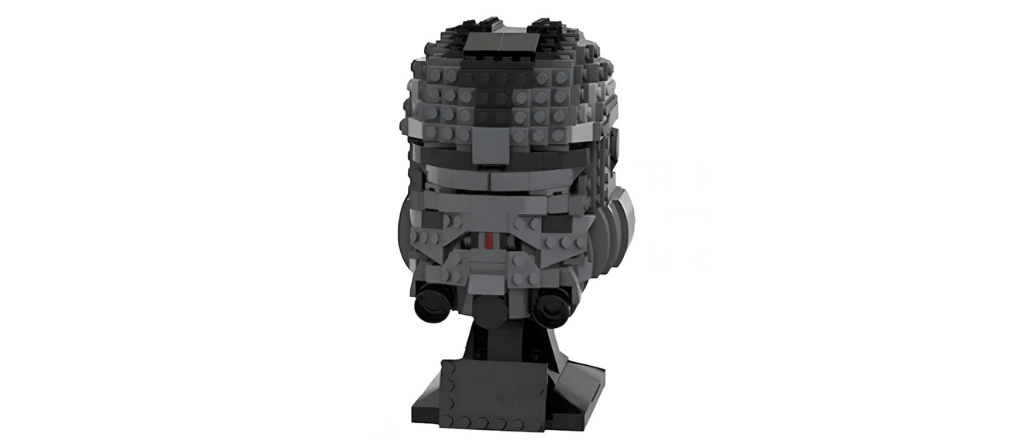
Crosshair’s Future in Star Wars
As of the conclusion of The Bad Batch’s third season, Crosshair’s immediate story has reached a satisfying conclusion, but questions remain about his future within Star Wars canon. The Star Wars universe has a long history of characters appearing across multiple properties and timelines, so speculation about where we might see Crosshair next is both fun and grounded in franchise precedent.
Potential for Continued Bad Batch Stories
The most immediate possibility involves Crosshair appearing in future Bad Batch-related content. While the main series has concluded, Star Wars has shown willingness to continue stories through various media including comics, novels, and potential animated specials or movies. Crosshair’s story with his brothers has reached a natural endpoint, but there’s always room to explore what happens next for these characters as they navigate life in a galaxy dominated by the Empire.
The period between The Bad Batch’s conclusion and the original trilogy offers years of potential storytelling opportunities. What does Crosshair do during this time? How does he continue to grapple with his past and build his future? Does he remain with his brothers, or does he eventually find his own path? These questions could be explored through various media, giving fans more time with a character they’ve grown to love while filling in gaps in Star Wars chronology.
Comics and novels in particular seem like natural homes for continued Crosshair stories. These media allow for deeper character exploration and internal perspective than animation sometimes permits. A novel exploring Crosshair’s internal experience during key moments of his arc, or a comic series following the Bad Batch during unchronicled periods, could provide the kind of detailed character work that fans crave. The success of other Star Wars novels and comics exploring animated characters suggests there would be audience appetite for such projects.
Live-Action Possibilities
Given the timeline, there’s theoretical potential for an older Crosshair to appear in live-action Star Wars properties set during the Original Trilogy era or beyond. We’ve already seen characters like Ahsoka Tano and Bo-Katan Kryze transition from animation to live-action, so there’s precedent for beloved animated characters appearing in live-action shows. An older, grayer Crosshair dealing with the long-term consequences of his choices could provide powerful storytelling opportunities, though the tremor and other effects of his trauma would need to be addressed.
The challenge of casting and portraying Crosshair in live-action would be significant. Finding an actor who could capture the character’s distinctive voice, mannerisms, and emotional complexity while physically embodying an older version of the character requires careful consideration. The visual design would need to honor the animated version while translating it into realistic live-action aesthetics. However, given the success of other animated-to-live-action transitions, it’s certainly possible if the story justified it.
Some fans have speculated about connections between Crosshair and other Imperial remnant storylines, particularly given his intimate knowledge of Imperial operations and facilities like Tantiss. While this is purely speculative, the possibility exists for Crosshair to have information or experience relevant to projects like The Mandalorian or Ahsoka, particularly anything involving Imperial cloning programs or Project Necromancer. His expertise and history could make him a valuable resource for New Republic forces trying to understand Imperial technology and operations.
Publishing and Expanded Universe
The novel and comic book markets offer perhaps the most likely avenue for continued Crosshair stories. Star Wars has a robust publishing program that often explores character backstories, fills in gaps between screen appearances, and follows up on storylines from the shows and movies. A novel exploring Crosshair’s internal experience during his Imperial service, his time at Tantiss, or his adjustment to life after redemption could provide the kind of character depth that animation sometimes struggles to fully capture due to time and pacing constraints.
These stories could explore moments that the show had to skip or compress, giving fans the emotional payoff and detailed character work they crave. Imagine a novel that spends significant time inside Crosshair’s head during his imprisonment at Tantiss, showing his thought processes, his psychological breakdown, and his slow realization of his mistakes in real-time narrative rather than abbreviated scenes. Or a comic series that follows the gradual rebuilding of trust between Crosshair and his brothers through smaller missions and conversations that couldn’t fit into the show’s main narrative.
The publishing route also allows for exploration of Crosshair’s character from other perspectives. A novel told from Hunter’s point of view dealing with having to hunt his brother, or from Omega’s perspective as she tries to understand and help him, could provide new insights into Crosshair’s impact on those around him. These alternate perspectives could deepen our understanding of the character and his relationships in ways that might not work in visual media where we’re primarily limited to what we can see and hear directly.
Legacy Regardless of Future Appearances
Regardless of whether we see Crosshair again in official Star Wars content, his impact on the franchise is already secure. He’s become one of the most compelling and complex characters in Star Wars animation, a figure whose story explores themes of loyalty, identity, redemption, and family in ways that resonate far beyond his specific narrative. Even if his story is complete, the conversations and analysis his character has inspired will continue as new fans discover The Bad Batch and as Star Wars storytelling continues to explore similar themes.
The lessons from Crosshair’s arc—about the difficulty of recognizing manipulation, the psychology of serving unjust systems, the complexity of redemption, the permanence of certain consequences, the possibility of change despite profound mistakes—these insights remain valuable regardless of whether the character appears again. His story has become part of the larger Star Wars conversation about what these stories mean and what they teach us about being human.
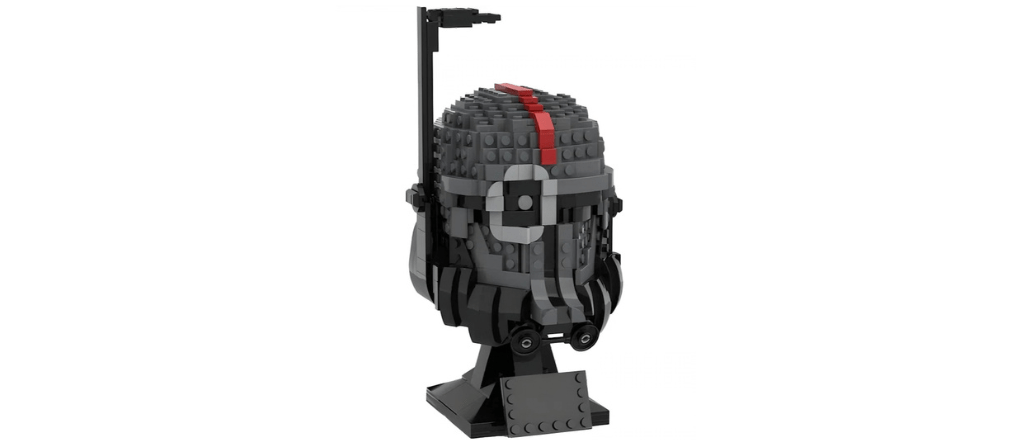
Comparing Crosshair to Other Star Wars Redemption Arcs
Star Wars has always been deeply interested in redemption as a theme, from Anakin Skywalker’s fall and salvation to various characters across the franchise who’ve walked the path from darkness to light. Comparing Crosshair’s redemption arc to others in Star Wars reveals what makes his journey unique and how it contributes to the franchise’s ongoing exploration of second chances and moral transformation.
Crosshair and Darth Vader: Contrasting Redemptions
The most obvious comparison is to Darth Vader, the ultimate Star Wars redemption story. Both Anakin and Crosshair were good people who fell into service of the Empire, committed terrible acts, and eventually turned against their Imperial masters. But the paths differ significantly. Anakin’s redemption came at the moment of his death, a final act of love for his son that redeemed a lifetime of evil. Crosshair’s redemption, by contrast, is something he has to live with, work through, and prove repeatedly. He doesn’t get the release of death to wipe the slate clean; he has to carry his mistakes forward and be better despite them.
Vader’s redemption was dramatic, climactic, and absolute. In choosing to save Luke and destroy the Emperor, Anakin made a single choice that defined his final moments and retroactively redeemed his life. It’s a powerful narrative that works within the mythic framework of the original trilogy, but it’s also a very specific type of redemption. Crosshair’s redemption is messier, more gradual, and more ambiguous. There’s no single moment where everything changes; instead, there’s a long process of small choices, setbacks, and incremental progress toward becoming better.
The difference also lies in what comes after the turning point. Vader died immediately after his redemptive choice, so we never had to grapple with what his redemption would look like in practice, how the galaxy would respond to a redeemed Vader, or how he would live with the weight of his crimes. Crosshair survives his redemption, forcing both him and those around him to deal with these exact questions. This makes his arc feel more grounded and realistic, exploring redemption as an ongoing process rather than a single transformative moment.
Agent Kallus and the Imperial Defector Arc
Agent Kallus from Star Wars Rebels provides another interesting parallel. Like Crosshair, Kallus served the Empire faithfully, genuinely believing in its mission of bringing order to the galaxy. His gradual realization that the Empire was corrupt and cruel mirrors Crosshair’s own journey, though Kallus’s path happened more quickly and with less personal cost. Both characters had to confront the cognitive dissonance between what they believed the Empire represented and what it actually was, but Crosshair’s journey was complicated by the inhibitor chip and the personal betrayal of hunting his own brothers.
Kallus’s redemption arc shows what happens when someone changes sides based on moral awakening without the complicating factors of mind control or family betrayal. His journey from Imperial Security Bureau agent to Rebel spy demonstrates that even people deeply embedded in evil systems can recognize their mistakes and choose differently. However, Kallus didn’t have the same level of personal relationships to repair that Crosshair did. He wasn’t hunting people who’d once been his family; he was fighting strangers who became allies after his change of heart.
The reception both characters received from their new allies also differs instructively. The Rebels were cautious about trusting Kallus but didn’t have years of personal hurt and betrayal to overcome. The Bad Batch had to wrestle with welcoming back someone who’d actively hunted them, who’d chosen the Empire even after his chip was removed, who’d hurt them personally and deeply. This made Crosshair’s redemption emotionally harder both for the characters involved and for the audience, creating a more complex exploration of what forgiveness and reconciliation actually require.
Iden Versio and Witnessing Imperial Atrocity
Iden Versio from the Battlefront II campaign offers yet another perspective on Imperial soldiers who defect. Iden was an Imperial loyalist who turned against the Empire after witnessing its willingness to destroy its own people at the Battle of Jakku. Her redemption arc, like Crosshair’s, involves not just changing sides but grappling with the guilt of actions taken in Imperial service. Both characters demonstrate that leaving the Empire doesn’t immediately make you a hero; it’s the first step in a longer journey of making amends and proving your commitment to doing better.
Iden’s turning point was witnessing a specific atrocity that made the Empire’s evil undeniable. Crosshair had multiple such moments—Mayday’s death being the most significant—but his psychological defenses and rationalization kept him from fully processing them until his imprisonment at Tantiss made denial impossible. This difference highlights how people respond differently to the same types of evidence, how psychological investment in a belief system can blind people to truths that seem obvious from outside, and how sometimes it takes not just witnessing atrocity but experiencing it personally to break through denial.
Both characters also dealt with trust issues when joining their former enemies. Iden had to prove herself to the Rebellion, and Crosshair had to prove himself to his brothers. The personal nature of Crosshair’s relationships made his path harder in some ways—the people he needed to win over were the same people he’d personally hurt, carrying deep emotional wounds from his betrayal. Iden’s victims were mostly strangers; Crosshair’s were his family. This intimate scale of betrayal and redemption makes his arc cut deeper emotionally.
What Makes Crosshair’s Arc Unique
What sets Crosshair apart from these other redemption arcs is the deeply personal nature of his fall and redemption. He didn’t just betray abstract ideals or unknown victims; he hunted his own brothers, the people who cared about him most. His redemption required reconciliation with specific people he’d personally hurt, not just a general turning toward the light. This intimate scale makes his arc feel more grounded and relatable than galaxy-spanning redemptions, even if it’s less dramatically epic.
Crosshair’s arc also differs in its ambiguity and incompleteness. We don’t get a single dramatic moment where Crosshair is definitively redeemed and all is forgiven. Instead, we see a gradual process of rebuilding trust, proving himself, and learning to live with what he’s done. Some of his brothers accept him more easily than others. Some relationships may never fully heal. Tech’s death means one relationship can never be repaired. This messy, realistic approach to redemption feels more honest than narratives where forgiveness comes quickly and completely once the character has turned to the good side.
The Thematic Significance of Crosshair’s Arc
Looking at Crosshair’s character arc from a thematic perspective reveals how his story explores some of The Bad Batch’s and Star Wars’s deepest concerns. His journey isn’t just about one clone’s fall and redemption; it’s about larger questions of identity, free will, family, and what it means to find purpose in a changing galaxy.
Identity Beyond Programming and Purpose
The theme of identity runs throughout Crosshair’s story. Clone troopers already face profound identity questions: they’re genetic copies, created for a specific purpose, denied the individual development most beings experience. Clone Force 99’s mutations give them a slight degree of individuality, but they’re still clones, still soldiers, still defined by their creation and purpose. Crosshair’s struggle to find identity beyond his role as a soldier, to determine who he is when the missions and chain of command that defined him are gone, speaks to universal human concerns about self-definition and purpose.
The question “Who am I when I can’t do the thing that defined me?” becomes central after Crosshair develops his tremor. His entire identity had been built around being the perfect marksman, the soldier who never missed. When that ability was compromised, he had to discover whether he had value beyond his capabilities, whether his worth as a person existed independently of his skills. This existential crisis mirrors what many people experience when injury, aging, or circumstances force them to redefine themselves beyond their previous roles or abilities.
Crosshair’s journey also explores how identity becomes entangled with our choices and the groups we belong to. When he chose the Empire, that choice became part of his identity in ways that made it psychologically difficult to reverse. Admitting his mistake would have meant admitting that a core part of how he saw himself was wrong. This resistance to changing identity even when it’s harmful reflects a real psychological phenomenon that affects people in various contexts, from political affiliations to career choices to relationship patterns.
Free Will in the Face of Influence
Free will versus determinism forms another central theme in Crosshair’s arc. The inhibitor chip literally removes his free will, making him act against his genuine interests and values. But even after the chip’s removal, Crosshair struggles to exercise true free will because his thoughts and beliefs have been shaped by its influence. This raises questions about the nature of choice itself: if our decisions are shaped by our experiences and influences, are we ever truly free? Can we be held responsible for choices made under influence, even if we technically made those choices ourselves?
The show doesn’t provide simple answers to these questions, instead presenting them as genuine dilemmas worth grappling with. Crosshair was manipulated by the chip, making him less than fully responsible for his initial turn to the Empire. But he also made choices after the chip’s removal to continue serving, making him responsible for those later actions even while acknowledging they were influenced by his earlier manipulation. This nuanced approach to responsibility reflects the complexity of real-world situations where people are influenced by factors beyond their control while still bearing some responsibility for their choices.
The exploration of free will extends to questions about how we break free from harmful influences. Crosshair needed external experiences that contradicted his beliefs—Mayday’s death, imprisonment at Tantiss, reconnection with his brothers—to create enough cognitive dissonance to change. This suggests that free will isn’t just an internal quality but depends partly on having access to information and experiences that challenge our existing beliefs. When systems of control limit that access, they limit free will even without direct mind control.
Family as Chosen Connection and Obligation
The nature of family, particularly chosen family, drives much of The Bad Batch’s emotional core, and Crosshair’s relationship to this theme is complex. Clone Force 99 represents family not by blood (though they are genetically related) but by choice and shared experience. When Crosshair rejects that family for the Empire, it raises questions about what we owe our families and what they owe us. His eventual return explores whether family bonds can survive betrayal, whether love and loyalty can overcome hurt and anger, and what reconciliation requires from all parties involved.
The show validates both the difficulty of forgiving family members who’ve hurt you and the value of maintaining those connections when reconciliation is possible. Hunter and the others don’t immediately welcome Crosshair back with open arms, acknowledging that betrayal damages relationships in ways that take time and effort to repair. But they also don’t permanently reject him, leaving space for redemption and reconnection when he demonstrates genuine change. This balanced approach reflects healthy family dynamics that maintain both accountability and compassion.
Crosshair’s story also explores what family means when one member has become someone different through trauma and experience. The Crosshair who returned wasn’t the same person who’d left; the tremor, the psychological damage, the weight of his choices had changed him fundamentally. His brothers had to decide whether they could accept this changed person into their family, whether they could love who he’d become rather than insisting he return to who he’d been. This theme resonates with families dealing with trauma, addiction, or other experiences that change people in lasting ways.
Recognizing and Resisting Authoritarian Systems
The corrupting influence of authoritarian systems and the difficulty of recognizing that corruption from within represents another key theme. Crosshair’s experience with the Empire demonstrates how good people can serve evil institutions by focusing on local missions and immediate orders while ignoring or rationalizing larger systemic cruelty. His gradual realization of the Empire’s true nature mirrors historical examples of people slowly recognizing that organizations or movements they’d believed in were actually harmful. The story validates both the difficulty of that recognition and the importance of acting on it once achieved.
This theme has obvious real-world relevance to how people relate to political systems, workplaces, religious institutions, or other organizations. Crosshair’s journey shows how people can become invested in defending systems that harm them, how institutional loyalty can override moral concerns, and how difficult it is to admit that something you’ve served faithfully is actually corrupt. It also shows that recognition is possible, that people can change their minds and leave harmful systems, even after years of service.
The Empire’s treatment of Crosshair and other clones also explores how authoritarian systems view their supporters—as useful tools to be exploited and discarded rather than as people deserving loyalty in return. Crosshair expected his service to be valued and rewarded; instead, he was used until he became inconvenient and then imprisoned. This betrayal mirrors how authoritarian regimes throughout history have treated even loyal supporters, discarding them the moment they become less useful or show any independence. The personal cost of that betrayal in Crosshair’s case helps audiences understand the human dimension of political oppression.
The Complexity of Meaningful Redemption
Finally, Crosshair’s arc explores the possibility and path of redemption itself. Can people who’ve done terrible things change? What does meaningful change require? How do we balance accountability for past actions with compassion for genuine transformation? The show refuses to provide simple answers, instead showing redemption as a difficult, ongoing process that requires courage, humility, and sustained effort. This nuanced approach to redemption feels particularly valuable in a cultural moment that often struggles to find the balance between accountability and forgiveness.
Crosshair’s redemption required multiple elements: recognition of his mistakes, genuine remorse, changes in behavior, making amends where possible, and accepting consequences he couldn’t avoid. But it also required grace from those he’d hurt, their willingness to give him chances to prove himself, and their acceptance of him as a changed person rather than demanding he become exactly who he was before. This bilateral nature of redemption—requiring both effort from the person seeking redemption and grace from those who were hurt—reflects the reality that redemption is a relational process, not something that can be achieved in isolation.
The permanence of some consequences, represented by the tremor and by Tech’s death, adds realism to the redemption narrative. Crosshair can’t undo what he’s done or fully return to who he was. Some damage is permanent. Some relationships can’t be fully restored. Redemption doesn’t erase these realities; it means moving forward despite them, finding ways to build a better future while carrying the weight of the past. This more complex vision of redemption feels more applicable to real life than narratives that suggest perfect restoration is possible through sufficient remorse or sacrifice.
Conclusion: The Legacy of Crosshair
Crosshair stands as one of the most compelling and complex characters in modern Star Wars storytelling, a figure whose journey from loyal brother to Imperial soldier to redeemed family member explores profound themes about identity, choice, loyalty, and change. His story resonates because it refuses easy answers, instead presenting moral complexity and psychological realism that respects audience intelligence while still delivering satisfying character development.
What makes Crosshair’s arc so powerful is its emotional honesty. The show never pretends that betrayal doesn’t hurt or that forgiveness comes easily. It acknowledges that trauma leaves real scars, that mistakes have consequences that persist even after redemption, and that rebuilding trust takes time and effort. By treating these elements seriously rather than as obstacles to be quickly overcome, The Bad Batch created a character arc that feels earned and meaningful.
Crosshair’s story also matters because it complicates our understanding of Star Wars villains and heroes. He reminds us that good people can make terrible choices, that manipulation and influence are real factors in human decision-making, and that the capacity for both cruelty and kindness exists within everyone. This moral complexity makes Star Wars feel more mature and relevant, capable of addressing real human experiences and dilemmas through its science fiction framework.
For fans who connected with Crosshair’s journey, his character provided representation of struggles they may have experienced themselves: the difficulty of leaving toxic situations, the shame of recognizing you’ve been manipulated, the slow process of rebuilding yourself after trauma, the challenge of seeking forgiveness from people you’ve hurt. Seeing these experiences reflected in Star Wars, treated with gravity and compassion rather than as plot devices, has meant a great deal to many viewers.
As The Bad Batch concluded, Crosshair’s fate offered something both satisfying and realistic: not a perfect happy ending where all is forgiven and forgotten, but a hard-won place within his family again, acceptance of who he’s become rather than who he was, and the ongoing work of living with his past while building a better future. It’s an ending that acknowledges both the possibility of redemption and its complexity, offering hope without negating accountability.
Crosshair’s legacy within Star Wars will likely endure because his story asks questions that remain relevant regardless of when you encounter them. His character proves that animation can deliver character depth and emotional complexity rivaling any medium, that Star Wars works can explore mature themes while remaining accessible, and that sometimes the most compelling stories come from characters who make us uncomfortable, who challenge our assumptions, and who refuse to fit neatly into simple categories of hero or villain.
Whether you view Crosshair as a tragic victim, a cautionary tale, a redemption success story, or some combination of all three, there’s no denying his impact on Star Wars storytelling. He stands alongside the franchise’s most memorable characters not because he’s the most powerful or the most heroic, but because he’s one of the most human, flaws and all. And in a galaxy far, far away filled with Jedi, Sith, and galactic conflicts, that humanity matters more than you might expect.
For additional reading and deeper dives into The Bad Batch and Clone Force 99, you can check out the official Star Wars website at https://www.starwars.com or explore detailed episode analyses and character studies on fan sites like StarWars.com’s Databank. The Bad Batch series is available for streaming on Disney+, where you can experience Crosshair’s complete journey from beginning to end. For those interested in the broader context of clone troopers in Star Wars, The Clone Wars series provides essential background, and various Star Wars novels and comics explore the clone experience in greater depth.
Crosshair’s story reminds us that redemption is possible even after profound mistakes, that family bonds can survive terrible betrayal, that people can change even when change seems impossible, and that sometimes the most heroic thing someone can do is admit they were wrong and choose to be better. These are lessons that transcend Star Wars, speaking to fundamental human experiences and offering both validation for those struggling and hope for those seeking to change. In that sense, Crosshair’s legacy extends far beyond his role in The Bad Batch, contributing to larger conversations about who we are, who we can become, and what we owe each other in the process.