
 Canada
 USA
USA Japan
Japan



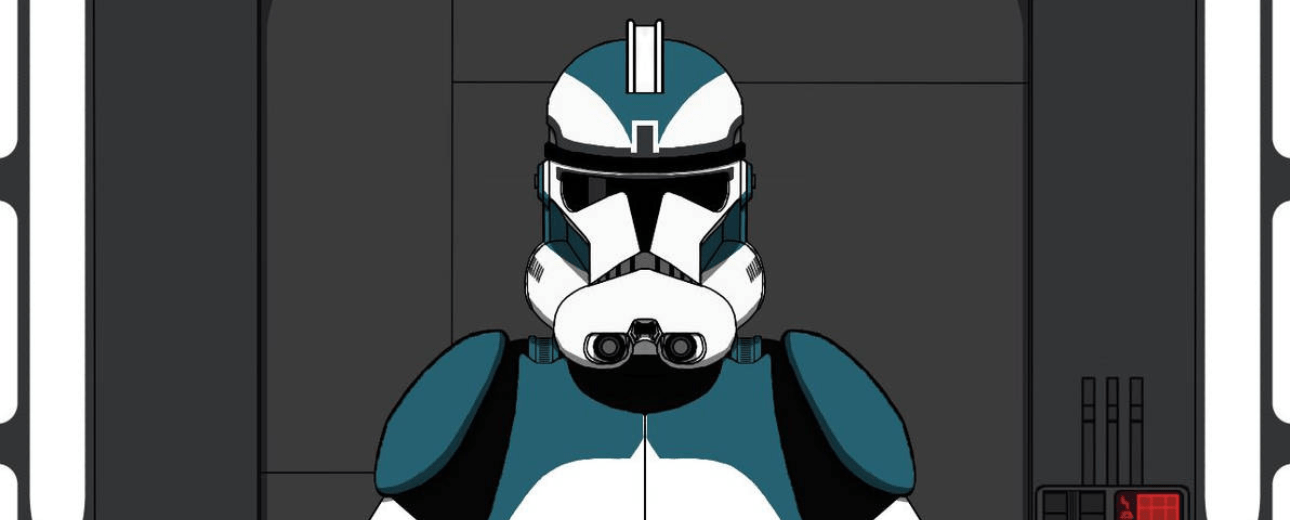
There is a specific moment in “Star Wars: The Clone Wars” animated series when you first see a Clone Trooper in full Phase 2 armor, and if you are the kind of fan who pays attention to design details, something clicks immediately. The armor is cleaner, more purposeful, more visually assertive than the Phase 1 variant it replaced. The helmet has that distinctive angular quality that simultaneously echoes the future Stormtrooper and maintains its own specific identity. The overall silhouette communicates something different from Phase 1 — not just an upgrade in the technical sense but a statement about what the Republic’s army has become over the years of the Clone Wars, how it has matured and hardened and grown into itself. Phase 2 armor is not just better equipment. It is a visual declaration about the evolution of a war and the soldiers who fight it.
Phase 2 Clone Trooper armor is one of the most significant and most beloved designs in the entire Star Wars visual canon, and its significance goes far beyond the specific technical improvements it represents over the Phase 1 variant. It is the armor that Clone Troopers wear for most of the Clone Wars — the armor of Rex and Cody, of Wolffe and Gree, of the 501st and the 212th and all the legendary battalions whose stories have become the emotional heart of the prequel era’s expanded storytelling. It is the armor that Clone Commanders personalized with unit colors and individual markings, creating one of the most visually diverse and most character-expressive military aesthetics in science fiction. And it is the armor that was worn at Order 66 — that moment of catastrophic betrayal that gives all of Phase 2’s visual history a specific and devastating weight.
This article is the complete guide to Phase 2 Clone Trooper armor: its origins and development, its design improvements over Phase 1, its technical specifications, its variants and specialized configurations, the personalization culture that made each unit’s armor unique, its role in the Clone Wars’ most significant battles, its relationship to the Stormtrooper armor that followed it, and why it remains, two decades after its introduction, one of the finest pieces of military design in the history of science fiction. Let’s gear up.
The Origins of Phase 2: Why an Upgrade Was Necessary
To understand why Phase 2 armor was developed and what it was trying to achieve, you need to understand what Phase 1 armor was and what its limitations were in the specific context of the Clone Wars. Phase 1 armor — the white, rounded armor that Clone Troopers wore at the Battle of Geonosis and through the early years of the war — was designed before the Clone Wars began, created as part of the original clone soldier program on Kamino to meet the specifications of a projected conflict that had not yet occurred. It was, in the terminology of military design, a first-generation solution: reasonable for the anticipated requirements, but inevitably limited by the fact that it was designed without the benefit of actual combat experience in the specific conditions of the war it was meant to serve.
The Clone Wars proved to be a conflict of extraordinary diversity and intensity — fought across hundreds of worlds in conditions ranging from arctic tundra to volcanic landscapes to dense urban environments to the vacuum of space, against an enemy that ranged from standard battle droids to specialized super droids to the adaptive tactics of Separatist commanders who learned from their defeats. Phase 1 armor, designed for a generalized combat scenario, showed specific limitations in this diverse operational environment: it was less comfortable for extended wear than it needed to be, its environmental sealing was insufficient for some of the extreme conditions that Clone Troopers encountered, and its modular adaptability was limited in ways that prevented the rapid customization that different operational requirements demanded.
The Kaminoan Design Process and Republic Military Input
The development of Phase 2 armor was a collaborative process between the Kaminoan designers who had created the original clone soldier program and the Republic Military leadership who had accumulated specific operational experience in the first years of the Clone Wars. This collaboration is significant because it represents a specific kind of design feedback loop — the translation of combat experience into design requirements, and the translation of those requirements into engineering solutions — that is one of the most important processes in military equipment development.
The Kaminoan designers brought their deep knowledge of the clone soldiers’ physiology and their specific expertise in the biotechnology and engineering that underpinned the clone program. The Republic Military brought the operational data: specific failure modes that Phase 1 armor had exhibited in combat, specific environmental challenges that had exceeded the Phase 1 armor’s capabilities, specific tactical requirements that had emerged from the experience of fighting the Separatist droid army across hundreds of engagements. The synthesis of these two knowledge bases produced the Phase 2 design, which addressed the specific limitations of Phase 1 while retaining and enhancing its core protective and functional capabilities.
The Timeline of Development and Deployment
The timeline of Phase 2 armor’s development and deployment is one of the more interesting logistical stories in the Clone Wars saga, because the transition from Phase 1 to Phase 2 was not a single event but a gradual process that played out across the middle years of the conflict. Phase 2 armor began appearing in specific units and contexts before it became the universal standard, and tracking this gradual deployment reveals something interesting about how the Republic managed military logistics during an active and expanding conflict.
The earliest Phase 2 deployments went to elite units and specialized forces — the ARC Troopers, the Clone Commanders, the units operating in the most demanding and most critical theaters of the war. This prioritization reflects standard military logic: the most capable and most important soldiers get the best equipment first, both because their effectiveness is highest and because the operational cost of equipment failures in elite units is greatest. By the time Phase 2 had become the universal standard across all Clone Trooper units, some Clone Commanders had already been wearing and customizing their Phase 2 armor for months or years, creating the elaborate unit markings and personal decorations that would become one of the most celebrated aspects of the Phase 2 aesthetic.
Phase 1 vs Phase 2: Every Significant Difference Explained
The comparison between Phase 1 and Phase 2 armor is one of the most discussed topics in Clone Wars fandom, and for good reason: the differences between the two variants are specific, significant, and genuinely illuminating about what the designers were trying to achieve with the upgrade. This is not a cosmetic update — it is a comprehensive redesign that addressed specific functional limitations while also making a series of deliberate visual choices that distinguish Phase 2 as a design statement in its own right.
The most immediately obvious difference is the overall visual aesthetic. Phase 1 armor has a rounded, almost organic quality — its curves echo the clone soldiers’ biological origins and give the overall impression of something grown or formed rather than manufactured. Phase 2 armor is more angular, more geometric, more visually assertive in its planes and edges. This shift from rounded to angular is not purely aesthetic: it reflects genuine changes in the armor’s structural design that improve its protective performance and its modularity, but it also creates a visual statement about the transformation of the clone army from the freshly commissioned force of Geonosis to the battle-hardened veterans of the Clone Wars’ middle period.
Helmet Redesign: The Most Critical Improvement
The Phase 2 helmet redesign is the single most significant improvement in the upgrade, and it is the element that most clearly demonstrates the design philosophy behind the entire Phase 2 project. The Phase 1 helmet was functional but limited in specific ways that combat experience had revealed: its visor configuration reduced peripheral vision in ways that were tactically disadvantageous, its communication systems were less integrated than optimal, and its environmental sealing was insufficient for some of the extreme environments that Clone Troopers had encountered.
The Phase 2 helmet addresses all of these limitations with specific, targeted design changes. The visor configuration is revised to improve peripheral vision without sacrificing forward visibility — a genuine engineering challenge that the Phase 2 design solves through a combination of visor geometry and enhanced sensor integration that compensates for the physical limits of the visor with electronic enhancement. The communication systems are fully integrated into the helmet structure rather than being partially external, improving their reliability and their resistance to damage. And the environmental sealing is significantly improved, with better protection against extreme temperatures, atmospheric contaminants, and aquatic environments.
Body Armor Improvements and Modular Systems
The body armor improvements in Phase 2 go beyond simply making the individual plates stronger or thicker — they represent a fundamental redesign of how the armor system works as an integrated whole. Phase 1 armor, while effective, had specific limitations in how its components connected and in the range of motion it allowed. Phase 2 addresses these limitations through a redesigned joint system that provides both better protection at vulnerable connection points and significantly improved mobility — allowing Clone Troopers to move with greater freedom than Phase 1 permitted without sacrificing the protection of those critical areas.
The modular system of Phase 2 is perhaps its most significant functional advance over Phase 1, because it directly addresses one of the most important operational requirements that the Clone Wars had revealed: the need for rapid adaptation to different environments and different mission profiles. Phase 2’s modular design allows specific armor components to be replaced, upgraded, or adapted for specific environmental or tactical requirements without replacing the entire armor system. A Clone Trooper deploying to an arctic environment can swap out specific Phase 2 components for cold-weather variants. A trooper deploying to an aquatic environment can integrate underwater breathing apparatus directly into the Phase 2 helmet system. This modularity is what enables the extraordinary variety of specialized Phase 2 configurations that the Clone Wars produced.
Comfort and Extended Wear Improvements
One of the less glamorous but genuinely significant improvements in Phase 2 armor is its improved comfort for extended wear — a quality that might seem like a minor consideration compared to protective performance or tactical capability but that has genuine operational significance. Clone Troopers in the extended campaigns of the Clone Wars were sometimes required to wear their armor for days or even weeks without significant breaks, and the physical discomfort of Phase 1 armor in extended wear situations had measurable impacts on soldier performance and wellbeing.
Phase 2’s improvements in this area reflect the Republic’s recognition that a soldier’s long-term effectiveness depends not just on the quality of their equipment in peak conditions but on their ability to sustain performance over extended operational periods. Better padding integration, improved weight distribution, enhanced ventilation systems, and refined joint design all contribute to a suit that is significantly more comfortable for extended wear than its predecessor — allowing Clone Troopers to maintain higher performance levels over longer operational periods and reducing the physical cost of the sustained campaigning that the Clone Wars demanded.
The Visual Language of Phase 2: Design as Identity
One of the most remarkable things about Phase 2 Clone Trooper armor is the specific culture of personalization and unit identification that it enabled and that became one of the most visually distinctive aspects of the Clone Wars aesthetic. The Phase 2 armor’s improved modular design and its larger surface area created opportunities for unit markings, personal decorations, and individual modifications that Phase 1 had not fully supported, and the Clone Troopers and their commanders embraced these opportunities with an enthusiasm that produced one of the most visually diverse military aesthetics in the history of science fiction.
The unit color system that most Clone battalions adopted is the most immediately recognizable expression of this personalization culture. Each major unit developed its own distinctive color scheme: the 501st Legion with their blue markings, the 212th Attack Battalion with their orange, the 104th Battalion (Wolfpack) with their grey and blue, the 41st Elite Corps with their green, the 327th Star Corps with their yellow. These colors were applied to specific armor components — pauldrons, knee plates, helmet markings — in patterns that were both unit-wide and individually variable, creating visual coherence within units while allowing individual troopers to express personal identity within the unit framework.
Commander Armor: The Apex of Phase 2 Personalization
The Clone Commander armor configurations represent the apex of Phase 2 personalization, combining the unit color systems with additional equipment and visual modifications that reflect the specific roles and personal identities of the Republic’s most celebrated Clone leaders. Commander armor is Phase 2 at its most elaborate and most visually impressive, and the specific configurations of the most famous Clone Commanders — Rex, Cody, Wolffe, Gree, Fox — are among the most beloved and most discussed designs in the entire Star Wars visual canon.
Commander Rex’s Phase 2 configuration is perhaps the most instantly recognizable: the blue markings of the 501st combined with the distinctive kama (the fabric skirt worn by ARC Troopers and Clone Commanders) and the pauldron configuration that identifies his rank and role. Rex’s armor also features his distinctive dual holsters and the personal modifications that reflect his years of combat experience and his specific combat style — close-quarters, aggressive, intensely personal in its execution. His Phase 2 armor is a portrait of the soldier he has become over years of the Clone Wars, as much a record of his experience as any biographical document.
The Kama, Pauldron and Commander Identification
The kama and pauldron system that distinguishes Clone Commander armor from standard trooper configurations is one of the most elegant solutions in the Phase 2 design to the problem of visual rank identification in a military force composed of genetically identical individuals. In a force where every soldier’s face is the same, visual rank identification through armor configuration is not just aesthetically interesting — it is operationally necessary. Soldiers need to be able to identify their commanders quickly in the chaos of combat, and the kama-and-pauldron system achieves this with a visual clarity that is immediately readable even at a distance.
The kama — the distinctive half-skirt worn by Clone Commanders and ARC Troopers — serves both a functional and a symbolic purpose. Functionally, it provides additional protection for the lower body in configurations where the standard leg armor leaves vulnerabilities, and it carries equipment attachment points that the standard trooper configuration lacks. Symbolically, it marks its wearer as someone who has earned elite status within the clone army — who has demonstrated the specific combination of tactical excellence, leadership capability, and combat experience that the Republic’s most demanding assignments require.
Specialized Phase 2 Variants: From ARC Troopers to SCUBA Troopers
The specialized variants of Phase 2 armor are one of the most impressive demonstrations of the design’s modularity and adaptability, and they cover an extraordinary range of operational environments and tactical roles. The Phase 2 system’s modular architecture allowed the Republic military to develop specialized configurations for virtually every operational context the Clone Wars produced, from the elite special operations missions of the ARC Troopers to the underwater operations of the SCUBA Troopers to the aerial assault missions of the Jet Troopers.
Understanding these specialized variants requires appreciating the specific operational requirements that each one was designed to meet, because the design choices in each variant reflect genuine thinking about what a soldier in that specific role needs and how the Phase 2 base platform can be adapted to provide it. This is not decoration or cosmetic variation — it is the application of the Phase 2 modular philosophy to the full diversity of operational requirements that the Clone Wars produced.
ARC Trooper Phase 2: The Elite Warrior Configuration
The ARC Trooper — Advanced Recon Commando — is the Clone Wars’ elite special operations warrior, and the Phase 2 ARC Trooper configuration is the most elaborate and most heavily customized expression of the Phase 2 design in standard deployment. ARC Troopers operate in small teams on high-risk, high-value missions that standard Clone Trooper units are not equipped to handle, and their armor configurations reflect the specific requirements of these demanding missions.
The ARC Trooper Phase 2 configuration adds several elements to the standard trooper base that reflect the specific demands of special operations work. The rangefinder — a targeting and surveillance device mounted on the helmet — reflects the ARC Trooper’s need for enhanced situational awareness in missions where they are operating without the support of larger units. The additional ammunition pouches and equipment carriers reflect the longer mission durations and more diverse equipment requirements of special operations work. The kama reflects their elite status and provides the additional protection and equipment attachment that extended independent operations require. Together, these additions create an armor configuration that is immediately identifiable as elite and that communicates the specific operational role of its wearer through its visual design.
SCUBA Trooper Phase 2: Underwater Operations
The SCUBA Trooper configuration is one of the most specialized Phase 2 variants, demonstrating the modular system’s ability to adapt the base platform for operational environments that are as far from the standard battlefield as it is possible to get. Underwater combat is a genuinely extreme operational context — the physics of movement, weapons use, and communication are all fundamentally different from surface combat, and a standard armor configuration that is optimized for surface operations becomes a serious liability in an underwater environment.
The Phase 2 SCUBA configuration addresses the specific challenges of underwater operations through targeted modifications to the base platform. The rebreather system integrated into the helmet provides extended underwater breathing capability without the bulk and vulnerability of external breathing apparatus. The fin attachments that replace the standard boot configuration provide the propulsion efficiency needed for underwater movement. The weapon modifications — the DC-17m underwater blaster configuration — provide effective combat capability in an environment where standard blaster technology performs differently. These modifications create a genuinely capable underwater combat system from the Phase 2 base, demonstrating the design’s extraordinary adaptability.
Jet Trooper and Aerial Assault Configurations
The Jet Trooper configuration adds the Z-6 jetpack to the Phase 2 base platform, creating an aerial assault capability that has proven essential in specific tactical contexts throughout the Clone Wars. Jet Troopers provide the Republic military with the ability to assault elevated positions, to cross terrain features that would stop ground-based forces, and to conduct the kind of rapid vertical insertion that specific missions require.
The integration of the jetpack with the Phase 2 armor system is one of the more technically interesting aspects of the Jet Trooper configuration, because it requires the armor to distribute and manage forces that standard trooper operations do not produce. The reinforced back plate and modified shoulder configuration of the Jet Trooper variant reflect the specific structural demands of jetpack integration, ensuring that the forces generated by the jetpack are distributed across the armor system in ways that protect the wearer and maintain the structural integrity of the armor during flight operations.
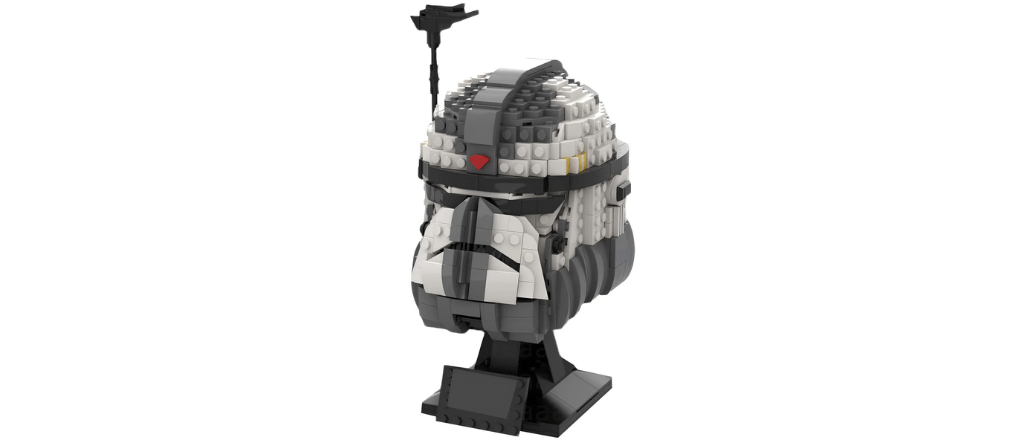
Phase 2 Armor in the Clone Wars’ Most Significant Battles
Phase 2 armor was the armor of the Clone Wars’ most intense and most consequential campaigns, and the battles where it proved its worth are some of the most dramatically significant in the franchise’s history. Understanding Phase 2 in its operational context — seeing how it performed in the specific conditions of the battles where Clone Troopers wore it — is essential to understanding what it represents and why it matters to the Clone Wars saga.
The Siege of Mandalore is perhaps the most dramatically significant Phase 2 battle, partly because of its extraordinary production quality in “The Clone Wars” animated series and partly because of the specific emotional weight of its context — the final major campaign of the Clone Wars, fought by the 332nd Company under Captain Rex alongside the former Jedi Ahsoka Tano against Maul’s forces. The 332nd Company’s distinctive Phase 2 armor — painted with a specific blue and white pattern that echoes Ahsoka’s facial markings — is one of the most visually striking expressions of Phase 2 personalization in the entire series, and it was created specifically as a gesture of loyalty and solidarity from Rex and the 332nd to their former commander.
The 501st at the Citadel and Umbara
The 501st Legion’s Phase 2 armor is most memorably associated with two specific campaigns that represent the full range of what the Clone Wars asked of its soldiers: the Citadel rescue mission on Lola Sayu and the brutal Battle of Umbara. These two campaigns show Phase 2 armor in very different operational contexts — one a small-unit special operations mission requiring stealth and precision, the other a grinding campaign against an enemy whose technological sophistication and terrain advantage pushed Clone Trooper equipment to its limits.
The Umbara campaign is particularly significant for Phase 2 armor because it is the campaign that most clearly demonstrates both the armor’s capabilities and its limitations in extreme conditions. Umbara’s hostile environment — the near-complete darkness of a world that receives no direct sunlight — challenged the Phase 2 helmet’s sensor systems in ways that revealed both their capabilities and their limits. The modified sensor configurations that Clone Troopers adapted during the Umbara campaign represent some of the most interesting field-expedient modifications in the Phase 2 armor’s history, and they illustrate the design’s adaptability in the face of unexpected operational challenges.
Order 66 and the Weight of Phase 2 Armor
There is no discussion of Phase 2 armor that can be complete without confronting Order 66 — the command that activated the inhibitor chips in every Clone Trooper and directed them to kill their Jedi commanders. Order 66 is the defining tragedy of the Clone Wars era, and it was carried out by soldiers wearing Phase 2 armor, which gives every image of that armor a specific and devastating retrospective weight.
The specific visual impact of Phase 2 armor at Order 66 is one of the most powerful pieces of visual storytelling in the Star Wars saga. The armor that had been decorated with unit colors and personal markings, that had been the visual expression of the clone soldiers’ individual identities and their loyalty to their Jedi commanders — this same armor, in the same colors, carried out the betrayal. The 327th Star Corps’ yellow-marked Phase 2 troopers killed Aayla Secura on Felucia. The 212th’s orange-marked troopers turned on Obi-Wan on Utapau. The armor did not change. The soldiers in it did, in the most terrible way imaginable, and the visual continuity of the Phase 2 design across that moment of transformation is one of the most haunting aspects of how Order 66 is depicted in the franchise.
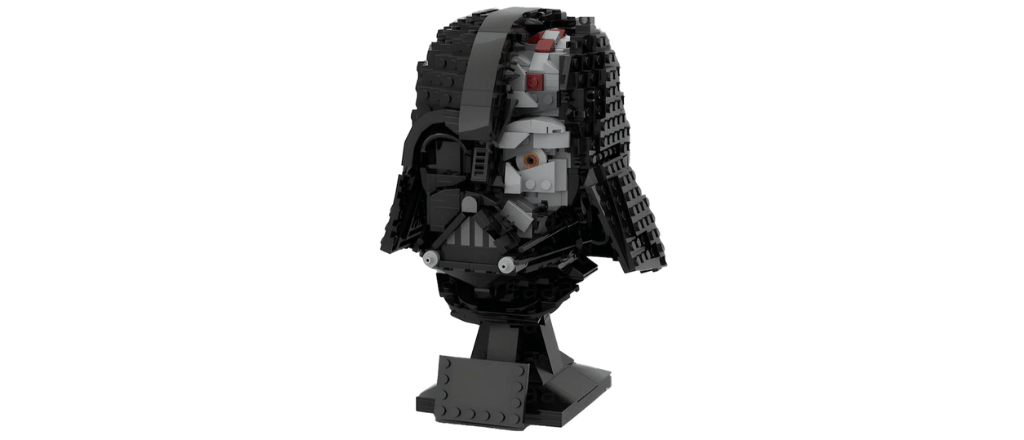
The Transition to Stormtrooper Armor: Phase 2’s Imperial Legacy
The relationship between Phase 2 Clone Trooper armor and the Stormtrooper armor that replaced it in the early Imperial period is one of the most discussed design lineages in the Star Wars franchise, and understanding it properly requires understanding both the specific design elements that carried over and the specific reasons why the transition happened the way it did. The Stormtrooper armor did not emerge from nowhere — it was developed from the Phase 2 foundation, and the visual echoes between the two designs are not coincidental but reflect a deliberate design continuity that has specific narrative and historical significance.
The visual lineage from Phase 2 to Stormtrooper is most clearly visible in the helmet design. The angular geometry of the Phase 2 helmet, its visor configuration, the overall proportions of the head piece — all of these elements carry forward into the Stormtrooper helmet in ways that make the design relationship immediately legible even to casual viewers. The Stormtrooper helmet is recognizably a development of the Phase 2 helmet rather than an entirely new design, which is exactly what you would expect from an empire that was building its military apparatus on the foundation of the Republic’s Clone army.
Why the Empire Changed the Armor Despite Its Effectiveness
The Imperial decision to develop new Stormtrooper armor rather than simply continuing to use Phase 2 is an interesting choice that reflects several different factors operating simultaneously. Phase 2 armor was, by any objective measure, highly effective — it had been refined through years of the Clone Wars to meet the specific demands of the conflict, and the Clone Troopers who wore it had developed both individual expertise and unit-level tactical integration with the equipment that took years to develop. Why would an empire that was building its military on this foundation choose to change it?
The answer has several dimensions. First, the transition from clone soldiers to recruited Stormtroopers required armor that could be manufactured for soldiers of varying physiology rather than the highly standardized physiology of the clones. Phase 2 armor was designed to extremely precise specifications matched to the clone soldiers’ bodies, and adapting it for a diverse recruited force required design changes that effectively produced a new variant. Second, the Empire had specific political and aesthetic reasons to distinguish its military from the Republic’s — to create visual markers of the new order that differentiated Imperial soldiers from their Republic predecessors. Third, the specific operational requirements of Imperial peacekeeping and occupation duties differed from the combat requirements of the Clone Wars, suggesting different design priorities.
The Bad Batch and Phase 2’s Continued Presence
“The Bad Batch” animated series is the canonical production that most directly explores the transition period between the Clone Wars and the early Imperial era, and it shows Phase 2 armor in a fascinating in-between context: worn by Clone Troopers who are still active in the early Imperial period, existing alongside the new Stormtrooper armor that is gradually replacing it, and carrying all the emotional weight of the Clone Wars era into a new and darker political reality.
The Clone Force 99’s distinctive Phase 2 armor configurations — each member’s unique modifications reflecting their specific enhanced abilities and personal combat styles — are among the most visually interesting Phase 2 expressions in the franchise. Hunter’s Phase 2 with its bandana and modified visor, Wrecker’s oversized configuration scaled for his extraordinary physique, Tech’s helmet with its elaborate sensor and communication enhancements, Crosshair’s sniper-optimized modifications — each of these is a perfect expression of the Phase 2 philosophy of personalization, and seeing them in the context of the early Imperial period gives them a specific poignancy that the Clone Wars context alone would not produce.
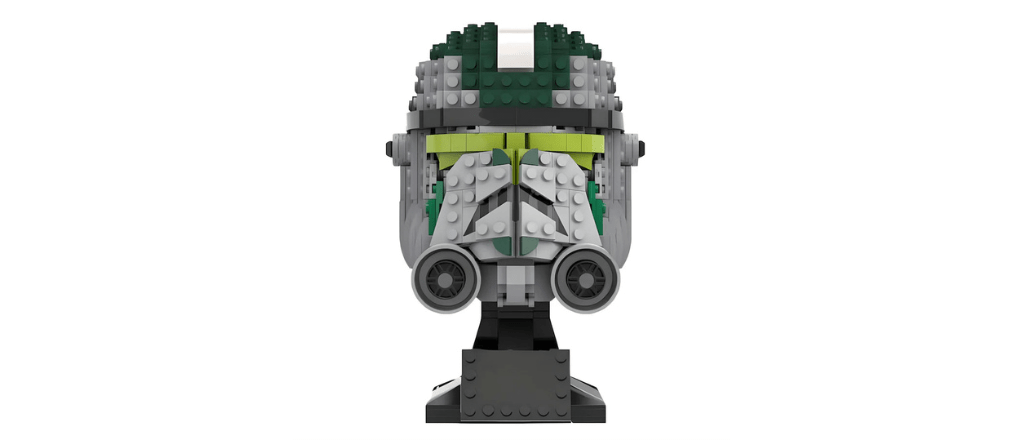
The Cultural Legacy of Phase 2 Armor: Fan Impact and Merchandise
The cultural impact of Phase 2 Clone Trooper armor on the Star Wars fan community is one of the most significant of any specific design in the franchise’s history, and it extends across cosplay, collecting, fan art, and the broader culture of Star Wars fandom in ways that speak to the specific qualities that make this design so enduringly beloved. Phase 2 armor is not just visually impressive — it is emotionally resonant, associated with characters and stories that have become central to the franchise’s emotional landscape, and its specific aesthetic is one that fans engage with more actively and more personally than most Star Wars designs.
The cosplay community’s engagement with Phase 2 armor is extraordinary in its depth and breadth. The 501st Legion— the premier Star Wars costuming organization — has elaborate standards for Phase 2 Clone Trooper costumes that reflect the community’s investment in accurate representation of these designs, and the variety of unit configurations within those standards means that Phase 2 is one of the most diverse and most actively engaged-with costume categories in the organization. Fans build Phase 2 armor in specific unit configurations — 501st, 212th, 104th, 327th — with the same specific unit markings and personal modifications that the animated series depicted, creating costumes that are simultaneously accurate to the canonical designs and expressions of personal connection to specific characters and stories.
The collecting community’s relationship with Phase 2 Clone Trooper armor is one of the most active in Star Wars merchandise history, driven by both the visual diversity of the unit configurations and the emotional significance of the characters associated with them. Phase 2-specific merchandise — action figures, helmets, prop replicas, model kits — consistently performs strongly in the collector market, and the specific unit configurations command premium interest from collectors who have personal connections to the specific battalions and characters they represent.
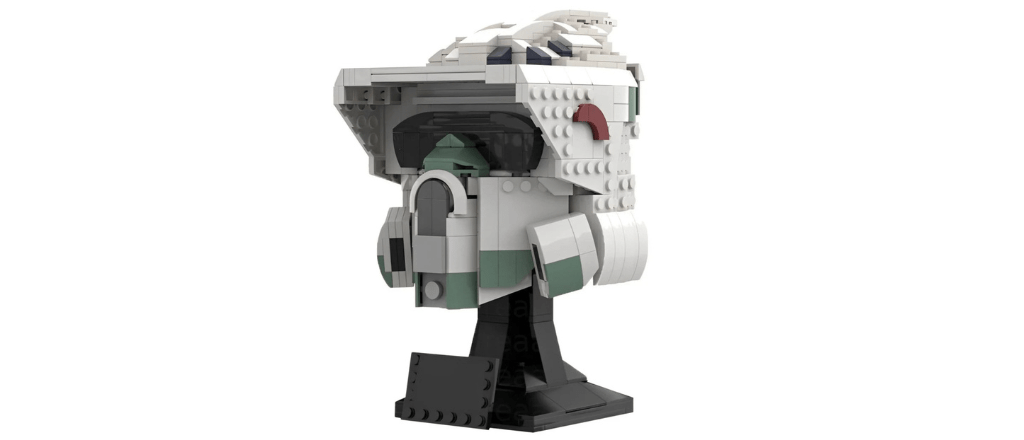
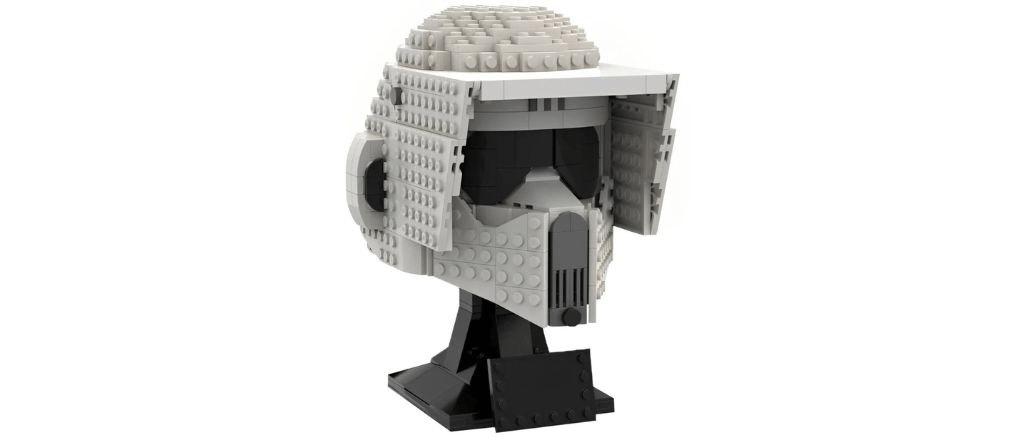
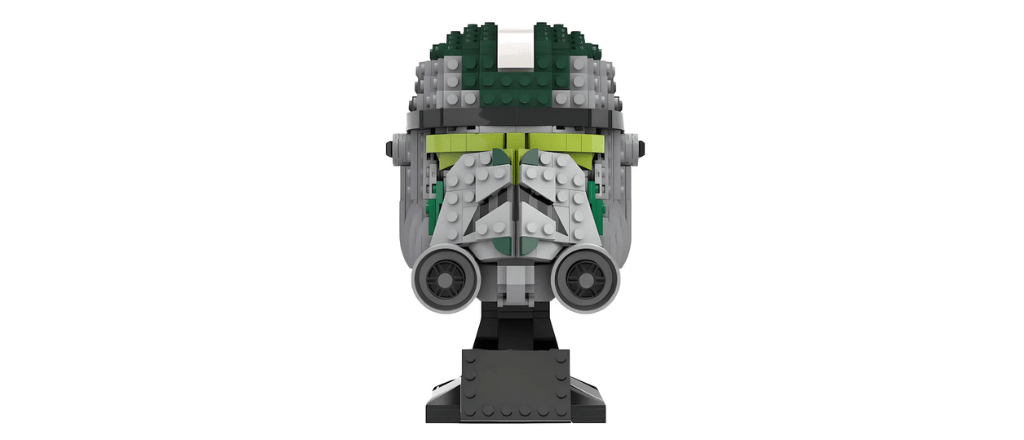
The LEGO Star Wars line has been one of the most significant venues for Phase 2 Clone Trooper representation in the collecting space, with numerous sets that feature specific unit configurations and specific characters in Phase 2 armor. The LEGO representations of Phase 2 armor are remarkable for their accuracy and their diversity — the specific unit colors, the commander configurations, the specialized variants — all rendered in LEGO’s distinctive aesthetic with a fidelity that reflects genuine investment in getting the design details right.
Why Phase 2 Armor Remains the Best Clone Trooper Design
Having examined Phase 2 Clone Trooper armor in comprehensive detail, the final question worth addressing is the one that is ultimately most important for any fan: why does it remain, decades after its introduction, the finest Clone Trooper design in the franchise’s history? The answer involves both the specific qualities of the design itself and the specific narrative and emotional context that gives it meaning.
The design is simply excellent — more visually sophisticated than Phase 1, more functionally convincing, more expressive of the specific military and personal identities of the soldiers who wear it. The angular aesthetic is genuinely beautiful in a way that military design rarely achieves, combining functional credibility with visual elegance in proportions that make Phase 2 armor recognizable as Star Wars while being distinctively itself. The personalization system that it enables is one of the most creative solutions in science fiction military design to the challenge of creating visual diversity within a uniform force — allowing individual identity to emerge within a framework of collective military identity in ways that are both aesthetically stunning and narratively meaningful.
But the most important reason that Phase 2 armor remains the finest Clone Trooper design is not its visual quality — it is its emotional resonance. Phase 2 armor is the armor of the Clone Wars’ most beloved characters at the most significant moments of their stories. It is Rex’s armor when he makes the choice not to execute Ahsoka. It is Cody’s armor when he gives the order that nearly kills Obi-Wan. It is the 332nd Company’s armor, painted with Ahsoka’s colors, at the Siege of Mandalore. It is every Clone Commander’s personalized expression of individual identity within the context of a military force that was designed to treat them as interchangeable.
Phase 2 armor carries all of this emotional weight, all of this specific history, all of these specific moments of heroism and tragedy and loyalty and betrayal. It is not just beautiful equipment. It is the visual record of the Clone Wars — of what those soldiers were, what they did, what was done to them, and what they lost. And that is why, when you see a Clone Trooper in Phase 2 armor, something happens that goes beyond the appreciation of good design. You feel the weight of the story it carries. And that is the most a piece of science fiction visual design can ever achieve.
For readers who want to explore Phase 2 Clone Trooper armor further, the Star Wars Databank at starwars.com maintains official documentation of Clone Trooper armor variants with canonical technical information. The Wookieepedia at starwars.fandom.com provides comprehensive lore documentation for Phase 2 armor, all specialized variants, and the specific Clone commanders associated with each unit configuration. The “Star Wars: The Clone Wars Character Encyclopedia” published by DK Books at dk.com is an essential reference for the specific unit configurations and commander armor designs discussed in this article. “Star Wars: The Clone Wars” and “Star Wars: The Bad Batch”, both available on Disney+ at disneyplus.com, are the essential primary viewing experiences for Phase 2 armor in its full canonical context. The 501st Legion at 501st.com provides the most detailed costuming standards for Phase 2 Clone Trooper armor and is the essential resource for anyone interested in building their own Phase 2 costume. And “Star Wars: The Clone Wars — The Complete Season Collection” available through major retailers provides the full arc of Phase 2 armor’s appearance across the series in the highest quality currently available.
Phase 2. The armor of legends. The armor of brothers. The armor of the Clone Wars.