
 Canada
 USA
USA Japan
Japan



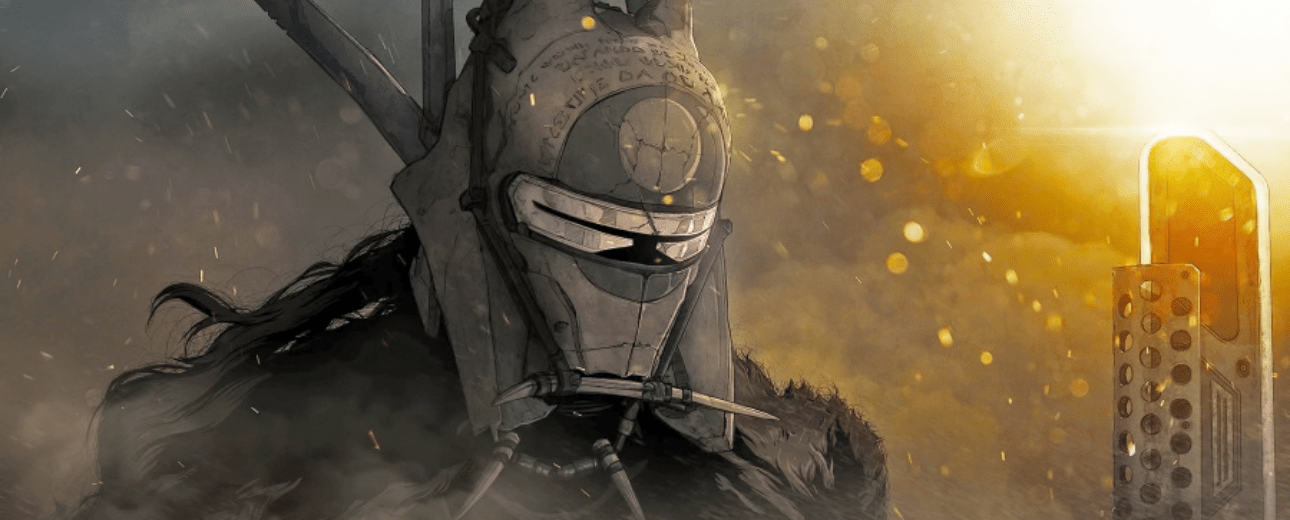
When Solo: A Star Wars Story hit theaters in 2018, audiences expected a straightforward origin tale about everyone’s favorite scoundrel. What they got was so much more, including one of the most surprising and meaningful character reveals in recent Star Wars history: Enfys Nest. This mysterious figure, initially presented as a ruthless pirate leader terrorizing the galaxy, turned out to be something entirely different—a young freedom fighter battling against the very criminal syndicates and Imperial oppression that would eventually necessitate the Rebel Alliance.
Enfys Nest represents something rare in Star Wars storytelling: a character whose entire purpose subverts our expectations while enriching the larger narrative. Wrapped in intimidating armor and leading the fierce Cloud Riders, Enfys seemed like just another obstacle for Han Solo to overcome on his journey to becoming the cynical smuggler we meet in A New Hope. Instead, she became a mirror reflecting what Han could be if he chose to fight for something larger than himself, a road not taken that makes his eventual heroism in the original trilogy all the more meaningful.
What makes Enfys Nest particularly fascinating is how her story connects to the broader Star Wars saga while standing completely on its own. She’s not related to any existing characters through family ties or Force connections. She doesn’t wield a lightsaber or command Star Destroyers. Instead, she’s simply a person who saw injustice and decided to fight back, gathering others who felt the same way and creating something that would eventually help birth the Rebellion. In a galaxy often dominated by Skywalkers and Palpatines, Enfys reminds us that ordinary people making extraordinary choices can change the course of history.
The Mysterious Introduction of Enfys Nest
The first time we see Enfys Nest in Solo: A Star Wars Story, she’s anything but welcoming. The scene is a high-speed train heist on Vandor, where Han Solo and his crew are attempting to steal coaxium fuel for Dryden Vos and the Crimson Dawn crime syndicate. Everything seems to be going according to plan until the Cloud Riders arrive, swooping down on their custom swoop bikes like something out of a nightmare, and at their head rides a figure in distinctive armor that would become iconic.
That initial appearance is designed to terrify. Enfys Nest’s armor is a masterpiece of intimidation: layered plating in earth tones and reds, weathered by countless battles and long journeys across harsh environments. The helmet is the most striking element, with a narrow horizontal visor that gives nothing away about the person beneath, decorated with what appears to be war paint or blood-red markings. The entire ensemble suggests a warrior who has seen extensive combat, someone hardened by violence and loss. When Enfys speaks for the first time, even the voice is modulated and distorted, adding to the sense of inhuman menace.
The Cloud Riders themselves add to this threatening impression. These aren’t uniformed soldiers or identical droids; they’re a ragtag collection of beings from various species, each riding customized swoop bikes and wielding an eclectic mix of weapons. They fight with the desperation and skill of people who’ve been in countless life-or-death situations, and they clearly respect and follow their masked leader without question. The choreography of their attack on the train shows coordination and tactical awareness—these are experienced fighters executing a well-planned operation.
What’s brilliant about this introduction is how it plays with audience expectations shaped by decades of Star Wars storytelling. We’ve seen countless masked villains in this universe, from Darth Vader to Kylo Ren, and the formula is familiar: mysterious masked figure equals antagonist to be defeated or redeemed. The film encourages us to slot Enfys into this familiar category, to see her as just another obstacle in Han’s journey rather than as a fully realized character with her own motivations and moral framework. This misdirection makes the eventual reveal all the more powerful.
The Train Heist and First Confrontation
The confrontation on the conveyex train represents our first real look at Enfys Nest in action, and it establishes several important things about her character and her methods. First, the Cloud Riders are competent and dangerous opponents. They don’t just charge in blindly; they have a plan, they adapt when things don’t go as expected, and they’re willing to take significant risks to achieve their objectives. When Enfys herself faces off against Han and his crew, she fights with a combination of skill and ruthless efficiency that marks her as a genuine threat.
The weapon Enfys carries is as distinctive as her armor—a staff with energized ends that can block blaster fire and deliver devastating strikes in close combat. This choice of weapon is interesting because it’s not a blaster or a lightsaber but something that requires skill and proximity to use effectively. It suggests someone who’s been trained in combat, who’s comfortable getting close to enemies rather than fighting from a distance. The way she wields this weapon during the train fight shows years of practice and combat experience compressed into someone whose true age we don’t yet know.
What’s also notable about this first confrontation is that Enfys isn’t unnecessarily cruel or sadistic. She and her Cloud Riders are there for the coaxium, not to massacre Han’s crew for sport. When the situation becomes untenable—when it’s clear that continuing the fight will result in casualties on both sides without achieving the objective—Enfys makes the tactical decision to withdraw. This practical approach to violence, using it as a tool to achieve goals rather than as an end in itself, distinguishes her from truly villainous characters in Star Wars who often revel in cruelty.
The aftermath of this encounter sets up the dynamic that will persist through much of the film. Han and his crew now know that the Cloud Riders are after the same prize they are, that Enfys Nest is a formidable opponent, and that future conflicts are inevitable. For the audience, Enfys has been established as a credible threat, someone whose presence raises the stakes and complicates Han’s plans. The stage is set for what we assume will be a typical hero-versus-villain dynamic, which makes the eventual subversion of these expectations so satisfying.
Building the Mystique
Throughout the middle portion of Solo, Enfys Nest maintains her mysterious, threatening presence. Every mention of her name carries weight, and the various criminals Han encounters treat the Cloud Riders as a serious danger rather than a minor annoyance. This buildup serves multiple narrative purposes: it keeps tension high, it provides an external threat that complicates Han’s schemes, and most importantly, it establishes Enfys as someone significant enough that the eventual reveal of her true nature and motivations will feel meaningful rather than like a minor plot twist.
The film drops hints that there’s more to Enfys than simple piracy. The Cloud Riders don’t engage in the kind of random violence and destruction you’d expect from typical space pirates. They’re selective in their targets, focused in their operations, and while they’re certainly willing to fight, they’re not starting fights for their own sake. For viewers paying attention, these clues suggest that perhaps the Cloud Riders aren’t just criminals but something else entirely, though the film is careful not to make this too obvious before the big reveal.
The Truth About Enfys Nest: A Revolutionary, Not a Pirate
The transformation of Enfys Nest from apparent antagonist to sympathetic revolutionary happens in one of Solo’s most powerful scenes, and it recontextualizes everything we’ve seen up to that point. When Enfys finally removes her helmet and reveals herself as a young woman, probably still in her teens or early twenties, the impact is immediate and profound. This isn’t a hardened criminal or a monster; she’s barely more than a child who’s been forced to become a warrior because the galaxy offered her no other choice.
The voice we hear when the helmet comes off is nothing like the modulated, threatening sound from earlier. It’s young, clear, and tired—the voice of someone who’s carrying burdens too heavy for her age but is determined to bear them anyway. When Enfys speaks to Han and explains who she really is and what she’s really fighting for, every word carries the weight of loss, determination, and a idealism that hasn’t yet been crushed by the galaxy’s brutality despite having every reason to be.
Enfys reveals that the Cloud Riders aren’t pirates in the traditional sense. They don’t steal for profit or personal gain; they’re freedom fighters striking back against the criminal syndicates and the Empire that are crushing the life out of ordinary people across the galaxy. The coaxium they’ve been chasing isn’t meant to be sold for personal enrichment; it’s desperately needed fuel for a nascent rebellion that’s trying to organize resistance against overwhelming oppression. Every raid, every fight, every risk has been in service of this larger cause.
The Legacy of the Original Cloud Riders
What makes Enfys’s story even more poignant is the revelation about the original Cloud Riders and how she came to lead them. The Cloud Riders weren’t always her group; they were originally led by her mother, who fought against the same injustices before being killed by enforcers of the very syndicates that now employ Han Solo. Enfys inherited not just the leadership of the Cloud Riders but her mother’s cause, her mother’s fight, and her mother’s determination to resist oppression no matter the cost.
This generational aspect of resistance adds depth to Enfys’s character and to the Cloud Riders as an organization. They represent a legacy of fighting back, a tradition passed down from parent to child when the parent falls in battle. The armor Enfys wears isn’t just protective equipment; it’s her mother’s armor, worn in memory and in continuation of a fight that predates her own involvement. Every scratch, every dent, every mark on that armor tells a story of battles fought and prices paid in the struggle for freedom.
The weight of this inheritance is visible in how Enfys carries herself once we understand who she really is. She’s not playing at being a revolutionary or trying on rebellion like a costume; she’s continuing a fight that cost her mother’s life and will likely cost her own eventually. This knowledge that she’s probably going to die in this struggle, that most of her Cloud Riders probably won’t survive to see the freedom they’re fighting for, informs every decision she makes. It’s not about personal glory or revenge; it’s about doing what’s right even when the odds are impossible.
When Enfys tells Han about her mother and the legacy she carries, it’s meant to resonate with him on a personal level. Han’s also lost people—we’ve seen it earlier in the film with the death of his mentor and father figure. The difference is that Han responded to loss by becoming more cynical and self-protective, while Enfys responded by dedicating herself to ensuring others don’t suffer similar losses. This contrast between their reactions to trauma becomes central to the film’s thematic exploration of what kind of person you choose to become when the galaxy beats you down.
The Choice She Offers Han Solo
The scene where Enfys reveals herself and explains her mission to Han Solo represents one of the most important moments in the film, not because of action or spectacle, but because of the moral choice it presents. Enfys lays out clearly what’s happening in the galaxy: the Empire and criminal syndicates like Crimson Dawn are working together to exploit and oppress ordinary people, enriching themselves while billions suffer. She explains that the coaxium Han’s been trying to steal is desperately needed by people trying to organize resistance.
Then comes the offer: join us. Help us. Use your skills and your courage for something that matters beyond your own survival. Enfys sees in Han something he doesn’t fully see in himself yet—the potential to be a hero rather than just a survivor. She’s not asking him to lead or to sacrifice himself immediately; she’s simply asking him to make one choice that helps the right side, to start down a path that might eventually lead to the heroism he’ll show at Yavin IV years later.
What makes this moment so powerful is how it’s framed not as a desperate plea but as a recognition of Han’s agency and potential. Enfys doesn’t try to guilt or manipulate him; she presents the situation honestly and trusts him to make his own decision. She acknowledges that he’s been through hardship, that he has his own priorities and loyalties, but suggests that maybe, just maybe, those priorities could expand to include something larger than himself and his immediate circle.
Han’s reaction to this offer tells us everything about where he is in his character journey at this point in his life. He’s tempted—you can see it in how he listens, how he considers—but he’s not ready yet to fully commit to someone else’s cause. He’s been betrayed too many times, lost too many people, and built too many walls around his heart to immediately tear them down just because someone made a compelling moral argument. His eventual decision to help Enfys, even while maintaining emotional distance from her cause, represents a compromise between his cynicism and his buried idealism.
The conversation between Enfys and Han also serves a important narrative function for the audience. It transforms our understanding of everything we’ve seen before. Those “pirate attacks” we witnessed? They were resistance operations against criminal and Imperial targets. The “ruthless marauder” we thought Enfys was? She’s actually someone fighting for the oppressed. The film pulls off a magic trick where a character’s fundamental nature doesn’t change, but our perception of them is completely inverted, and we realize we were seeing things from the wrong perspective all along.
The Cloud Riders: More Than Just a Gang
Understanding Enfys Nest requires understanding the Cloud Riders themselves, because she’s inseparable from the group she leads. The Cloud Riders aren’t just her followers or her gang; they’re a community of resistance fighters who’ve come together from diverse backgrounds, united by shared experiences of oppression and a common determination to fight back. Each member has their own story, their own reasons for joining, and their own skills they bring to the group.
What immediately stands out about the Cloud Riders is their diversity. Unlike the uniformity of Imperial forces or even the somewhat standardized appearance of criminal organizations, the Cloud Riders include multiple species, ages, and backgrounds. You see humans, aliens we recognize from other Star Wars media, and beings we’ve never encountered before, all working together without the rigid hierarchies and species-based discrimination that plague much of the galaxy. This diversity isn’t just cosmetic; it reflects the Cloud Riders’ fundamental philosophy that oppression is oppression regardless of who’s suffering it.
The name “Cloud Riders” itself carries significance. They’re riders, suggesting mobility and freedom, and they move through the clouds, above the ground-level suffering of the oppressed but not so far above that they lose sight of it. They strike from unexpected directions, appear when needed, and disappear before overwhelming force can be brought against them. This hit-and-run approach to resistance reflects the practical reality of fighting against forces with vastly superior resources—you can’t win conventional battles, so you don’t fight conventional battles.
The History and Evolution of the Group
The Cloud Riders existed before Enfys Nest took leadership, which adds important historical context to their operations and philosophy. Originally formed as a swoop gang, they evolved into something more meaningful under the leadership of Enfys’s mother. This evolution from criminal gang to resistance movement mirrors larger patterns in Star Wars storytelling—the Rebellion itself began with scattered groups who were branded as terrorists and criminals by the Empire before coalescing into a legitimate resistance movement.
Under Enfys’s mother, the Cloud Riders transitioned from fighting for themselves to fighting for others. They began targeting not just anyone with valuable cargo but specifically the syndicates and Imperial operations that were exploiting vulnerable populations. This shift in focus and purpose attracted new members who weren’t interested in crime for profit but in resistance for justice. People who’d lost homes, families, and futures to Imperial or criminal oppression found purpose and community among the Cloud Riders.
When Enfys’s mother was killed, the organization faced a critical decision point. They could have dissolved, scattered back to their individual lives or other criminal enterprises. They could have reverted to simple piracy, using their skills for personal enrichment without the ideological component her leadership had brought. Instead, they chose to follow her daughter, accepting the young Enfys as their leader and continuing the fight her mother had started. This loyalty to a cause rather than just to a person speaks to how thoroughly the original Enfys had transformed the group.
The inheritance of leadership by the younger Enfys added new dimensions to the Cloud Riders’ identity. She brought her own experiences and perspectives, her own tactical ideas, and her own connections to emerging resistance networks across the galaxy. Under her leadership, the Cloud Riders became less isolated, beginning to coordinate with other resistance cells and contribute to the larger movement that would eventually become the Rebel Alliance. This integration into broader resistance networks made them more effective but also more vulnerable as Imperial intelligence worked to map and destroy insurgent organizations.
Members and Structure
The Cloud Riders operate with a relatively flat organizational structure compared to military or criminal hierarchies. Enfys is clearly the leader, but leadership seems to be based on respect and shared commitment rather than fear or rigid authority. Members appear to have significant autonomy in how they execute missions, bringing their individual skills and expertise to bear without requiring micromanagement. This organizational flexibility allows the Cloud Riders to adapt quickly to changing circumstances and to operate effectively even when communications are disrupted or leadership is compromised.
Individual Cloud Riders specialize in different roles based on their backgrounds and abilities. Some are pilots skilled at handling the challenging swoop bikes the group uses for rapid deployment and escape. Others are mechanics who keep equipment functioning despite limited resources and constant use. Combat specialists provide the fighting capability for raids and defense. Intelligence gatherers monitor syndicate and Imperial activities to identify targets and avoid traps. This specialization within a small organization maximizes effectiveness while maintaining the cohesion that comes from everyone knowing and trusting each other.
The diversity of the Cloud Riders extends beyond species to include varied backgrounds and experiences. Some members are natives of worlds crushed by Imperial occupation. Others are former criminals who found redemption in fighting for a cause larger than personal profit. Some are former Imperial citizens who became disillusioned with what the Empire really represented. A few might even be deserters from Imperial service or defectors from criminal organizations. This mix of backgrounds brings different perspectives and skills while creating a shared culture based on chosen values rather than inherited identity.
Recruitment to the Cloud Riders appears to be organic and based on trust rather than formal applications or requirements. People find the group or are found by it after demonstrating both capability and the right motivations. Someone who fights back against oppression, who helps others at personal risk, who shows they can be trusted—these are the qualities that might lead to an invitation to join. Once accepted, new members are integrated into the group through shared experiences and the bonds that form when people fight and survive together.
Swoop Bikes and Tactical Mobility
The Cloud Riders’ signature equipment is their fleet of customized swoop bikes, and understanding these vehicles helps explain how the group operates tactically. Swoop bikes are fast, maneuverable, and relatively cheap compared to starfighters or other military vehicles. They can operate in atmosphere and in space (though not for long-distance travel), making them versatile for various mission types. Each bike in the Cloud Riders fleet has been customized by its rider, creating a collection of unique vehicles rather than standardized equipment.
These customizations reflect both practical necessities and personal expression. Weapons are mounted in different configurations based on the rider’s combat style and role within the group. Enhanced engines provide speed advantages or better handling. Defensive modifications offer some protection against return fire. Visual customization makes each bike distinctive while contributing to the overall intimidating appearance of the Cloud Riders as a group. When you see a fleet of these customized swoop bikes descending on a target, the variety actually enhances the threatening impression—these aren’t mass-produced soldiers, they’re individual fighters who’ve chosen this path.
The tactical advantages of swoop bikes are significant for a guerrilla resistance force. They enable rapid deployment from hidden bases to operational areas without the logistical requirements of larger vehicles. They provide mobility during operations, allowing Cloud Riders to reposition quickly or escape if a mission goes bad. Their speed makes it difficult for enemies to pursue effectively, and their small size makes them hard targets for heavy weapons. These advantages align perfectly with hit-and-run tactics necessary when fighting forces with superior numbers and firepower.
However, swoop bikes also have significant limitations that shape how the Cloud Riders operate. They can’t carry much cargo, limiting what can be stolen or transported in a single operation. They offer minimal protection to riders, making engagements risky and casualties likely if fights are prolonged. They require regular maintenance and fuel, creating logistical challenges for a group operating on limited resources. These constraints mean the Cloud Riders must be selective about targets, quick in execution, and willing to abandon operations that become too costly.
The Cloud Riders’ Connection to Emerging Rebellion
One of the most significant aspects of the Cloud Riders under Enfys Nest’s leadership is their connection to the nascent Rebellion that’s forming during the Solo timeframe. The film is set roughly a decade before A New Hope, during a period when the Empire has consolidated power but organized resistance is still fragmented and uncoordinated. The Cloud Riders represent one of many small resistance cells operating independently, but Enfys is working to connect these cells into something larger and more effective.
The coaxium that drives the plot of Solo is important precisely because it represents resources that resistance movements desperately need. Fuel is required for any military operations, and refined coaxium is among the most valuable fuels in the galaxy. Without access to fuel, ships can’t fly, bases can’t maintain power, and resistance operations can’t function. By trying to acquire this coaxium, Enfys isn’t enriching herself; she’s trying to enable continued resistance operations and share these resources with other cells who need them.
Enfys mentions that the coaxium will be distributed to allies who are forming what will eventually become the Rebellion. This network-building aspect of her work is perhaps even more important than the material resources she’s gathering. By creating connections between different resistance groups, sharing intelligence and resources, and building trust across this underground network, Enfys and the Cloud Riders are doing essential work that will make unified resistance possible. The Rebel Alliance we see in the original trilogy didn’t spring into existence fully formed; it grew from connections like these, built by people like Enfys.
The Cloud Riders’ operating philosophy aligns with Rebel Alliance principles we’ll see later. They target Imperial and criminal operations, not innocent civilians. They try to minimize casualties even among enemies when possible. They’re fighting for freedom and justice, not conquest or revenge. This alignment isn’t coincidental; groups like the Cloud Riders helped establish the ethical framework and operational approaches that the Rebellion would later formalize. Enfys and her fighters are prototypes for what Rebel soldiers will become.
Enfys Nest’s Combat Skills and Fighting Style
While Enfys Nest’s importance lies primarily in her role as a revolutionary leader and symbol of resistance, she’s also a formidable combatant whose fighting skills deserve examination. The way Enfys fights tells us about her training, her experiences, and her approach to the violence that’s become necessary in her life. Every movement, every tactical choice, reveals character as much as it advances action sequences.
Enfys’s signature weapon is an electrostaff, a melee weapon with electrified ends that can block blaster bolts and deliver devastating strikes. This choice of weapon is significant for several reasons. First, it’s not a gun, which requires her to close with enemies rather than fighting at range. This suggests someone confident in their abilities and willing to take personal risks. Second, the staff is versatile, useful for both offense and defense, which aligns with the Cloud Riders’ need for adaptability. Third, a melee weapon requires extensive training to use effectively, indicating that Enfys has invested significant time in developing combat skills rather than relying on genetic advantages or Force powers.
The fighting style Enfys employs with her electrostaff combines elements from various martial traditions. We see spinning strikes that use the staff’s length and weight to generate momentum and power. We see defensive techniques where the staff intercepts incoming attacks or creates barriers of energy that deflect blaster fire. We see quick, precise jabs and strikes targeted at vital points rather than wild swinging. This disciplined, technically proficient approach suggests formal training, probably inherited from her mother and the original Cloud Riders who taught her how to fight.
What’s particularly notable about Enfys’s combat style is how it balances aggression with control. She’s willing to press attacks and take initiative in fights, but she’s not reckless or driven by rage. Even in the midst of intense combat, she maintains awareness of her surroundings, positioning herself advantageously and retreating when discretion is the better choice. This tactical awareness, fighting smart rather than just fighting hard, has kept her alive through countless engagements against forces that should overwhelm her through sheer numbers.
Armor and Protection
The armor Enfys wears serves both practical and symbolic functions, and understanding it helps us understand the character. Practically, the armor provides protection against blaster fire, environmental hazards, and melee attacks. It’s clearly been maintained and repaired extensively—you can see where plates have been replaced, where damage has been patched, where the original design has been modified based on combat experience. This well-used, well-maintained quality suggests someone who takes her survival seriously and has learned from experience what works and what doesn’t.
The symbolic aspect of the armor is equally important. This was her mother’s armor, worn in battles Enfys never witnessed but whose consequences she lives with daily. By wearing it, she’s literally carrying her mother’s legacy into every fight, every confrontation, every moment where she puts herself at risk for the cause her mother died for. The armor is reminder, memorial, and statement of continuity all at once. It says: the fight didn’t end when my mother fell; I picked up where she left off.
The helmet deserves special attention because of how the film uses it narratively. When Enfys wears the helmet, she’s terrifying—an anonymous warrior whose humanity is hidden behind the mask. The voice modulation makes her sound larger, older, more threatening than she actually is. This intimidation factor has practical advantages, making enemies hesitate or make mistakes out of fear. But it also creates distance, making her seem less than human, which is precisely what makes the eventual reveal so impactful.
When Enfys removes the helmet and we see her face for the first time, the armor suddenly looks different. Instead of menacing, it seems almost too large for her, protective in a way that’s almost parental. We realize we’ve been seeing a young person wearing armor that makes her look like a veteran warrior, using intimidation to compensate for youth and inexperience. The gap between the terrifying image she projects and the young woman she actually is creates cognitive dissonance that makes us reconsider everything we’ve assumed about her.
Tactical Intelligence
Beyond individual combat skills, Enfys demonstrates considerable tactical and strategic intelligence in how she plans and executes operations. The train heist that opens our introduction to her shows careful planning—the Cloud Riders knew exactly when and where to strike, what the objective was, and how to approach the target to maximize their chances of success. While the operation ultimately failed to secure the coaxium, it wasn’t due to poor planning but rather the intervention of unexpected variables (namely Han Solo and his crew).
Throughout Solo, we see Enfys making intelligent tactical decisions. When situations become unfavorable, she withdraws rather than escalating into unwinnable fights. When she has the opportunity to ambush Han’s crew on Savareen, she doesn’t simply attack; she waits for the right moment to reveal herself and attempt diplomacy. When violence does become necessary, she ensures her forces have advantageous positions and clear objectives. These decisions show mature tactical thinking that doesn’t rely on overwhelming force or lucky breaks.
Enfys also demonstrates strategic understanding of the larger conflict she’s engaged in. She recognizes that acquiring resources like coaxium is important, but connecting with potential allies like Han Solo is equally valuable. She understands that the Cloud Riders alone can’t defeat the Empire or the criminal syndicates, but they can be part of a larger movement that might. This strategic perspective, thinking beyond immediate tactical victories to long-term goals, distinguishes her from simple pirates or rebels without a larger plan.
The intelligence gathering capabilities the Cloud Riders demonstrate under Enfys’s leadership suggest she’s built or maintains networks that provide information about target movements, syndicate operations, and Imperial activities. Knowing when and where the coaxium shipment would be vulnerable enough to attack requires advance intelligence. Tracking Han Solo’s movements and anticipating his involvement with Dryden Vos required information gathering. This intelligence apparatus, however informal, represents another aspect of Enfys’s capabilities beyond just fighting ability.
The Philosophical Core: Why Enfys Fights
Understanding Enfys Nest’s motivations requires looking beyond the surface-level “she’s a rebel fighting against bad guys” to examine the deeper philosophical and ethical framework that drives her actions. Enfys isn’t fighting simply because she enjoys combat or seeks power; she fights because she’s developed a clear moral vision about how the galaxy should be and what’s required to move toward that vision. This ideological foundation makes her a true revolutionary rather than just a rebel without a cause.
At the core of Enfys’s philosophy is a recognition that the galaxy’s current power structures are fundamentally unjust. The Empire claims to bring order and security but actually delivers oppression and exploitation. Criminal syndicates like Crimson Dawn present themselves as business organizations but profit from slavery, drugs, and violence that destroy countless lives. Legitimate governments and corporations collaborate with both the Empire and the syndicates, prioritizing profit and power over the welfare of ordinary beings. Enfys has looked at this system and concluded that it cannot be reformed from within; it must be opposed from without.
This understanding leads to a second key principle: the oppressed have not just the right but the obligation to resist oppression. Enfys doesn’t believe in passive acceptance of injustice or in waiting for those in power to voluntarily become more just. She believes that people being exploited and brutalized have the moral authority to fight back, to disrupt the systems harming them, and to build alternatives even if the powerful call such efforts terrorism or piracy. This active resistance philosophy aligns with revolutionary movements throughout human history, and it’s what transforms the Cloud Riders from a gang into a movement.
A third element of Enfys’s philosophy is her belief in solidarity across differences. The Cloud Riders include multiple species, people from different worlds, individuals with varying backgrounds and experiences. What unites them isn’t shared identity but shared commitment to resisting oppression and building a better alternative. Enfys rejects the Imperial logic that organizes the galaxy into hierarchies based on species, homeworld, or other arbitrary categories. In her view, anyone who opposes injustice is a potential ally, regardless of where they come from or what they look like.
The Cost of Resistance
Enfys is under no illusions about the costs of the resistance she’s chosen to lead. She’s already lost her mother to this fight. Many Cloud Riders have died in operations against the Empire and the syndicates. She and her followers live in constant danger, always one step ahead of forces that would destroy them if given the chance. They lack the resources, numbers, and firepower to win conventional confrontations, forcing them into dangerous hit-and-run tactics with no margin for error. Enfys has accepted that she will probably die before seeing the freedom she’s fighting for.
This awareness of costs makes Enfys’s commitment all the more meaningful. She’s not a naive idealist who thinks fighting oppression will be easy or that good always triumphs. She knows exactly how long the odds are, how powerful the forces arrayed against her are, and how likely it is that she personally won’t survive to see victory. Yet she fights anyway, because the alternative—accepting oppression, allowing injustice to continue unchallenged—is worse than the risks of resistance. This clear-eyed idealism, acknowledging reality while refusing to surrender to it, makes her a compelling character.
The cost extends beyond just personal risk. Enfys has to ask others to take the same risks she takes, to potentially die for the cause she’s leading them toward. This burden of leadership weighs on her; you can see it in moments when she’s not performing the role of fearsome Cloud Rider leader. She’s responsible for these people who’ve chosen to follow her, and that responsibility means their deaths, when they come, are partly on her conscience. Yet she also knows that without organized resistance, each of these people would be oppressed anyway, dying meaninglessly rather than dying for a cause they believed in.
There’s also the cost of becoming someone who’s comfortable with violence. Enfys has killed people. She’s led operations where people died, including people who weren’t personally evil but were working for evil systems. The violence she employs is justified in her mind as defensive and necessary, but she’s still someone who’s had to make peace with taking lives. This moral weight, the damage that necessary violence does to the person employing it, isn’t something the film dwells on extensively, but it’s implied in how tired Enfys seems behind the warrior persona.
Hope and the Long Struggle
Despite all the costs and risks, Enfys maintains hope that resistance matters and that change is possible. This hope isn’t based on certainty that the Rebellion will succeed or that the Empire will fall; it’s based on the belief that fighting for justice has inherent value regardless of outcome. Even if the Empire crushes all resistance, the act of resisting matters. Even if the syndicates destroy the Cloud Riders, the fact that they fought back matters. This existential commitment to resistance as a moral imperative rather than just a strategic choice gives Enfys’s struggle meaning beyond its practical outcomes.
The coaxium she’s trying to acquire in Solo represents this hope in material form. Yes, it’s valuable fuel that can power ships and bases, but more importantly, it represents the resources that make sustained resistance possible. With fuel, resistance cells can operate, connect with each other, and build toward something larger. Without it, they’re scattered individuals making futile gestures against overwhelming power. Enfys sees gathering and distributing resources as essential work, unglamorous but critical to transforming scattered resistance into organized rebellion.
Enfys’s interaction with Han Solo carries special significance in this context because it represents her attempt to expand the circle of resistance. She sees in Han someone with skills, courage, and buried idealism that could serve the cause. By explaining her situation to him and offering him a chance to help, she’s doing what resistance movements must do: recruit allies, show others that resistance is possible, and build the networks that might someday tip the balance. Whether Han joins immediately doesn’t matter as much as planting the seed, showing him that there’s an alternative to cynicism and self-interest.
The ultimate hope Enfys carries is that enough small acts of resistance, enough people choosing to fight back, enough resources gathered and shared, enough connections built between scattered cells, will eventually create a force capable of challenging the Empire directly. She’s contributing to something larger than herself or the Cloud Riders, something that might take decades to fully form but that started with decisions like the one she made to continue her mother’s fight. This long-view perspective, fighting for a future you might not live to see, requires a special kind of hope and commitment.
Enfys Nest in the Broader Star Wars Canon
While Enfys Nest appears in only one film, her significance extends into the broader Star Wars canon and helps enrich our understanding of the era between Revenge of the Sith and A New Hope. She represents a piece of the puzzle that explains how scattered resistance to the Empire eventually coalesced into the organized Rebel Alliance we see in the original trilogy. Understanding her place in this larger story helps us appreciate both her individual importance and the themes she embodies.
The timeline of Solo places it approximately ten years before A New Hope, during a period when the Empire has fully consolidated power but organized rebellion is still fragmented. This is after the immediate post-Revenge of the Sith chaos but before the formal organization of the Rebel Alliance. It’s a period characterized by scattered resistance cells operating independently, trying to fight back against Imperial oppression without coordination or unified strategy. Enfys and the Cloud Riders represent exactly this kind of early resistance: committed, active, but not yet part of a larger organizational structure.
Connections to Other Resistance Movements
Enfys’s work connecting different resistance cells and distributing resources among them links her to other early resistance efforts we’ve seen in Star Wars canon. The Rebel Alliance didn’t spring into existence fully formed; it grew from groups like the Cloud Riders, from resistance cells on occupied worlds, from former Republic loyalists, and from various other sources of opposition to Imperial rule. Enfys’s efforts to build these connections represent essential work in creating the networks that would eventually allow unified action.
Characters like Saw Gerrera, who appears in various Star Wars media as an early resistance fighter whose methods were considered too extreme by later Rebel leadership, represent another facet of early resistance. While we don’t know if Enfys and Saw ever met or coordinated, they’re part of the same phenomenon: individuals and small groups fighting back before the Rebellion became organized enough to establish unified command and standardized methods. Some of these early resisters, like Saw, would remain independent even after the Alliance formed; others would integrate into the larger organization, contributing their experience and capabilities to the unified effort.
The Ghost crew from Star Wars Rebels, operating around the same time period as Solo, represents yet another resistance cell working independently while beginning to connect with larger movements. While Enfys’s methods and circumstances differ significantly from Hera Syndulla’s crew, both groups share the essential characteristics of early resistance: small numbers, limited resources, hit-and-run tactics, and focus on disrupting Imperial and criminal operations rather than trying to hold territory. These parallel stories create a richer picture of what early resistance to the Empire actually looked like across the galaxy.
Bail Organa and Mon Mothma, working within the Imperial Senate to organize legitimate opposition while secretly supporting armed resistance, represent the political side of early rebellion that complements the military action undertaken by groups like the Cloud Riders. Enfys’s mention of distributing resources to allies suggests she’s connected, directly or indirectly, to these political figures who are working to transform scattered resistance into organized alliance. The coaxium she’s trying to acquire might flow through networks that ultimately connect to Organa and Mothma’s efforts.
Thematic Significance
Beyond her specific plot role, Enfys Nest embodies several important themes that resonate throughout Star Wars storytelling. First, she represents the power of ordinary people to resist tyranny. She’s not Force-sensitive, not from a legendary bloodline, not gifted with superhuman abilities beyond the combat training she’s received. She’s simply someone who looked at injustice and decided to fight back, who inspired others to do the same, and who made a real difference through determination and courage.
Second, Enfys embodies the theme of generational resistance and inherited causes. Her mother started the fight; Enfys continues it; presumably others will carry on if she falls. This pattern of resistance passing from parent to child, from one generation to the next, appears throughout Star Wars. Luke inheriting his father’s lightsaber and legacy, Leia naming her son Ben after Obi-Wan, Rey adopting the Skywalker name—all of these involve people carrying forward what previous generations started. Enfys does this quite literally by wearing her mother’s armor and leading her mother’s organization.
Third, she represents the moral complexity of resistance and revolution. Enfys and the Cloud Riders engage in actions that could legitimately be called piracy, theft, and violence. From certain perspectives, they’re criminals and terrorists. Yet from another perspective, they’re freedom fighters resisting oppression through the only means available to them. Star Wars has always grappled with this tension between law and justice, between official authority and moral truth, and Enfys exists right in the middle of this tension.
Finally, Enfys embodies hope and possibility even in the darkest times. When we meet her, the Empire seems invincible and resistance seems futile. Yet she fights anyway, building connections and gathering resources for a rebellion that doesn’t yet exist in organized form. She’s planting seeds she might never see grow, building foundations for structures she might never inhabit. This faith in eventual victory despite current circumstances, this commitment to doing the right thing regardless of immediate outcomes, is quintessentially Star Wars.
Her Impact on Han Solo’s Journey
One of Enfys Nest’s most important narrative functions is her impact on Han Solo’s character development. The Han we meet at the beginning of Solo is already cynical and self-interested, but he still has sparks of idealism and heroism buried under his defensive layers. Throughout the film, that idealism gets beaten down further by betrayals and harsh lessons about trusting people. By the time he meets Enfys on Savareen, Han has almost fully committed to the cynical scoundrel identity he’ll carry into A New Hope.
Enfys’s revelation and her offer to Han represent a crossroads moment in his development. She shows him that there’s still idealism in the galaxy, that some people really are fighting for causes larger than themselves, that the choice to help or to remain selfishly neutral is a real choice with moral weight. Han doesn’t fully accept her offer—he helps her but doesn’t join the resistance at this point—but she plants seeds that will eventually grow. The Han Solo who shows up at Yavin IV to help Luke is the eventual result of seeds Enfys planted on Savareen.
The contrast between Enfys and the other characters Han encounters in Solo sharpens the thematic resonance. Tobias Beckett, Han’s mentor, teaches him that everyone betrays everyone and looking out for yourself is the only rational response. Qi’ra shows him that people can be corrupted by proximity to power and that love isn’t always enough to redeem someone. Lando demonstrates that style and self-interest can coexist with occasional heroism. Enfys offers something different: a vision of committed resistance motivated by genuine idealism despite all the evidence that such idealism is foolish.
Han’s decision to give Enfys the coaxium rather than delivering it to Dryden Vos represents a significant choice that sets him on the path toward eventual heroism. He could have tried to profit from the coaxium, could have used it as leverage with Vos, could have done a dozen different things that would have served his immediate self-interest. Instead, he chooses to help someone fighting for a cause he’s not ready to fully join, accepting significant personal risk and forgoing profit to do so. This decision, influenced by Enfys’s example and argument, is a crucial step in his character development.
Years later, when Han makes the decision to return and help Luke at the Battle of Yavin, we can see the seeds Enfys planted bearing fruit. He’s not joining the Rebellion because he’s been convinced of abstract ideological principles; he’s joining because he’s seen that resistance to tyranny is real and necessary, that ordinary people really do fight against impossible odds for causes larger than themselves, and that sometimes the right thing to do is to help even when profit isn’t involved. Enfys showed him this possibility, and while it took years for him to fully embrace it, she started him down that path.
The Visual Design and Aesthetic of Enfys Nest
The visual design of Enfys Nest is one of Solo’s most memorable achievements, creating a character whose appearance tells a story even before she speaks. Every element of her design—from armor to weapons to color palette—contributes to the narrative and thematic work the character does. Understanding these design choices helps us appreciate the thought and artistry that went into creating such an iconic character from limited screen time.
The armor design for Enfys Nest draws from various real-world historical inspirations while remaining distinctly Star Wars in execution. The helmet’s narrow horizontal visor recalls ancient Greek or Roman helmets, creating associations with classical warriors and historical battles for freedom. The layered plating has medieval influences, suggesting a warrior from a more primitive age thrust into a technological conflict. The weathering and battle damage give it a lived-in quality that’s essential to Star Wars’ aesthetic philosophy—nothing looks factory fresh because everything has history.
The color palette of earth tones, reds, and oranges creates a visual connection to desert and frontier environments, suggesting someone who operates on the edges of civilized space. These warm colors contrast sharply with the cool grays and blacks of Imperial design, visually distinguishing Enfys and the Cloud Riders from their primary antagonists. The red markings on the armor could be war paint, could be blood stains, could be deliberate design choices to intimidate enemies—the ambiguity is intentional, allowing audiences to project meaning onto visual elements.
The Helmet as Narrative Device
The helmet Enfys wears deserves special attention because of how brilliantly the film uses it as a narrative device. Throughout most of Solo, we never see Enfys’s face; the helmet remains in place, creating mystery and allowing audiences to make assumptions. The voice modulation that comes through the helmet adds to this misdirection, making Enfys sound older, larger, more masculine than she actually is. The film uses our own biases and expectations against us—we hear a modulated voice and see intimidating armor, and we assume we know what’s underneath.
The design of the helmet itself is striking in its simplicity. Unlike overly complicated helmets that try to pack in too many visual details, Enfys’s helmet is relatively clean, defined by that distinctive horizontal visor and the overall shape. This simplicity makes it more memorable and allows it to read clearly even in action sequences where visual complexity might get lost. It’s the kind of design that’s immediately recognizable even in silhouette, which is a mark of excellent character design.
When Enfys finally removes the helmet, the reveal is staged for maximum impact. We’ve been conditioned to expect a grizzled veteran, probably male, probably scarred and brutal-looking. Instead, we see a young woman with a face that shows weariness and loss but also determination and intelligence. The cognitive dissonance between what we expected and what we see is immediate and powerful. Suddenly, all the assumptions we’d made have to be reevaluated, and we realize we’ve been seeing this character through a distorted lens created by our own preconceptions.
The film never makes a big deal out of the fact that Enfys is a woman or that she’s young; it simply presents these facts and allows them to speak for themselves. There’s no extended dialogue about gender or age, no scenes where male characters express surprise or skepticism. Enfys is simply accepted as who she is: a capable leader whose gender and age are relevant to understanding her story but don’t define her competence or authority. This matter-of-fact treatment makes the character stronger than if the film had dwelt on her defying expectations.
The Electrostaff and Visual Combat Style
Enfys’s electrostaff is another brilliant design choice that serves both aesthetic and narrative functions. Visually, it’s striking—a long staff with electrified ends that crackle with energy, creating dramatic visual effects during combat. The weapon moves with Enfys in flowing, practiced motions that demonstrate skill and training. When she blocks blaster bolts with the electrified ends, it creates spectacular visual moments that emphasize her combat prowess.
From a narrative perspective, the choice of a melee weapon over a blaster or other ranged weapon tells us important things about Enfys. It suggests confidence and skill—you don’t choose a weapon that requires close-quarters combat unless you’re confident in your abilities. It demonstrates commitment to personal risk—fighting at range is safer than engaging in melee, but Enfys doesn’t take the safe option. It also creates a visual distinction from the countless blaster-wielding characters in Star Wars, making Enfys’s combat style memorable and unique.
The electrostaff also has symbolic resonance within Star Wars visual language. Electrostaffs have been used by various guards and warriors throughout the franchise, often by characters defending something important or fighting against overwhelming odds. The weapon requires skill but is available to non-Force users, making it a symbol of martial prowess achieved through training rather than mystical powers. This aligns perfectly with Enfys’s character as someone who fights through determination and skill rather than inherited advantages.
Combat sequences featuring Enfys are choreographed to emphasize both her skill and her tactical intelligence. She doesn’t engage in flashy, unnecessarily complex movements; her fighting style is efficient and effective, using the minimum necessary motion to achieve maximum effect. This practical approach to combat distinguishes her from Jedi or Sith whose Force powers allow for more theatrical fighting styles. Enfys fights like someone who’s learned through hard experience that wasted motion can get you killed.
The Cloud Riders’ Visual Identity
The visual design extends beyond Enfys herself to encompass the entire Cloud Rider aesthetic. Each Cloud Rider has a distinctive look, with customized armor and clothing that reflects their individual personality while maintaining overall group cohesion. This balance between individual expression and group identity visually represents the Cloud Riders’ philosophy: they’re a collective united by shared values, not an army demanding conformity.
The swoop bikes the Cloud Riders use are equally distinctive, each customized with different paint schemes, weapons configurations, and modifications. When the Cloud Riders attack as a group, the visual effect is both chaotic and coordinated—a swarm of individualized threats moving with shared purpose. This creates a very different impression than Imperial forces with their standardized equipment and uniform appearance. The Cloud Riders look dangerous precisely because they look unpredictable, each member bringing unique capabilities to the collective effort.
The overall aesthetic of the Cloud Riders evokes frontier justice and resistance movements throughout history. Their equipment looks used, maintained, repaired repeatedly because they can’t just buy replacements. Their appearance is intimidating not through clean uniformity but through the visible evidence of battles fought and survived. They look like people who’ve had to fight for everything they have, which is exactly what they are. This visual storytelling communicates character and theme without requiring exposition.
The Legacy and Future of Enfys Nest
Although Enfys Nest has appeared in only one film so far, her character has made a lasting impact on Star Wars fandom and opened interesting possibilities for future stories. Understanding her legacy involves looking at both her in-universe impact on the development of the Rebellion and her out-of-universe impact on fans and the franchise itself.
Within Star Wars canon, Enfys’s work building connections between resistance cells and gathering resources for emerging rebellion represents important contributions to the eventual formation of the Rebel Alliance. While we don’t see her in Rebels, Rogue One, or the original trilogy, it’s entirely possible that she and the Cloud Riders continued operating during those periods, conducting the kind of small-scale resistance operations that don’t make it into the spotlight of major historical events. Her network-building efforts would have been essential to creating the organizational infrastructure that allowed scattered resistance to become coordinated alliance.
The resources Enfys gathered, including the coaxium from Solo, would have contributed to the Rebellion’s logistical capabilities. Fuel is necessary for every military operation, and the Rebellion’s constant struggle to maintain supply lines and keep forces operational means that every acquisition of resources like coaxium mattered. The contribution Enfys made might seem small compared to the Death Star plans or major battles, but successful rebellions are built on countless small contributions that collectively make large operations possible.
Enfys’s philosophical approach to resistance—building coalitions across differences, focusing on justice rather than revenge, targeting oppressive systems rather than just individual bad actors—aligns with the principles the Rebel Alliance would eventually formalize. People like Enfys helped establish the moral framework and operational philosophy that distinguished the Rebellion from mere terrorist organizations or rival power-seekers. Her influence on early resistance culture might have rippled forward to shape how the Alliance operated years later.
Possibilities for Future Appearances
From an out-of-universe perspective, Enfys Nest represents a character with significant potential for future Star Wars stories. Her appearance in Solo was well-received by fans who appreciated a new character who felt both fresh and consistent with Star Wars themes. The open-ended nature of her story—we see her beginning but not her ending—creates opportunities for writers to explore what happened to her and the Cloud Riders in subsequent years.
There’s considerable potential for Enfys to appear in animated series or novels set during the period between Solo and A New Hope. A story following her efforts to connect resistance cells and build the networks that became the Rebellion could be fascinating, showing the unglamorous but essential work of organizing resistance. We could see her interacting with other early resistance figures like Saw Gerrera, potentially exploring ideological differences about methods and goals. We could see the Cloud Riders participating in the kinds of operations mentioned but not shown in other Star Wars media.
Another interesting direction would be exploring what happened to Enfys during the Galactic Civil War proper. Did she integrate the Cloud Riders into the formal Rebel Alliance structure, or did they remain independent operators? Did she survive to see the Empire’s defeat at Endor, and if so, what role did she play in building the New Republic? Did she continue fighting in the post-Endor period when Imperial remnants still posed threats? These questions offer rich storytelling possibilities.
There’s also potential to explore Enfys’s backstory more deeply. We know her mother was the original leader of the Cloud Riders and died fighting the syndicates, but we don’t know many details about that conflict or about Enfys’s childhood and training. A story showing how a young person becomes a revolutionary leader, how she learned to fight and to lead, how she processed her mother’s death and decided to continue the fight—this could be powerful character work that deepens our understanding of who Enfys is.
Fan Reception and Cultural Impact
Enfys Nest resonated with Star Wars fans for multiple reasons. Many appreciated that she represented a new type of character in the franchise: a young woman who’s a competent fighter and leader without being defined primarily by romantic relationships or family connections to existing characters. She’s important because of what she does and what she represents, not because of who she’s related to. This kind of character has become more common in recent Star Wars but was still relatively novel when Solo released.
The visual design of Enfys and her memorable action sequences led to significant fan engagement. Cosplayers embraced the character, creating impressive replicas of her distinctive armor and helmet. Fan artists produced artwork exploring her character and imagining untold stories. Fan fiction writers developed narratives about her further adventures or her backstory. This creative engagement from the fan community demonstrates that Enfys connected with audiences beyond just her role in Solo’s plot.
The character also sparked discussions about representation and storytelling in Star Wars. Enfys demonstrated that you could subvert audience expectations about gender and age while telling a compelling story that never stopped to make a big deal about defying those expectations. The reveal worked because it was organic to the story rather than feeling like a statement for its own sake. This balance between representation and narrative integration is something many fans highlighted as particularly successful.
Some fans have noted parallels between Enfys’s story and real-world resistance movements, seeing in her character a reflection of people throughout history who’ve organized resistance to oppression. This resonance with real-world struggles gives the character depth beyond pure entertainment, making her story feel meaningful and relevant. Star Wars has always engaged with political themes, and Enfys represents a continuation of that tradition in ways that feel authentic to the franchise while speaking to contemporary concerns.
Impact on the Wider Franchise
Enfys Nest’s character contributes to Star Wars’s ongoing expansion of what kinds of characters and stories can exist in the galaxy far, far away. She’s not a Jedi or a Sith, not royalty or chosen by prophecy, not gifted with supernatural abilities. She’s simply someone who saw injustice and organized resistance, who inspired others to join her cause, and who made a real difference through determination and courage. This grounds Star Wars in a way that complements but doesn’t replace the mythic elements of Jedi and destiny.
The success of Enfys as a character has likely encouraged Star Wars creators to develop more characters who occupy similar narrative space: important to the story without being central to grand prophecies or family sagas. Characters like Jyn Erso, Cassian Andor, and various Rebels characters share this quality of being significant through their choices and actions rather than through inherited destiny. Enfys helped demonstrate that audiences respond positively to these kinds of characters.
Her role in Solo also enriched the film’s exploration of Han’s character development by providing a counterpoint to the cynicism that dominates much of his journey. While other characters in Solo teach Han to distrust and look out for himself, Enfys shows him that idealism and resistance are possible, planting seeds that will eventually grow into his heroism. This thematic complexity makes Solo a richer film and contributes to the broader franchise’s exploration of how people become heroes.
Conclusion: The Enduring Importance of Enfys Nest
Enfys Nest stands as one of the most memorable and meaningful characters introduced in the Disney-era Star Wars films, a character whose importance extends far beyond her limited screen time. In a franchise sometimes criticized for relying too heavily on familiar characters and family connections, Enfys represents something refreshingly different: a new character whose significance comes from her actions and ideals rather than from her bloodline or destiny.
What makes Enfys resonate so powerfully is how her character embodies timeless themes of resistance and hope while feeling completely authentic to the Star Wars universe. She’s not a Jedi wielding the Force or a princess commanding armies; she’s a young person who saw injustice and organized people to fight back, who built networks and gathered resources, who risked everything for a cause she might not live to see succeed. This grounded heroism makes her inspiring precisely because it feels achievable—you don’t need Force powers or royal blood to fight for justice; you need courage and commitment.
The reveal of Enfys’s true identity remains one of Solo’s most powerful moments because it forces audiences to confront their own assumptions and biases. We expected a hardened male warrior and got a young woman carrying her mother’s legacy forward. The film uses this misdirection to make a point about perception and reality, about how easily we make assumptions based on surface appearances, about how heroes don’t always look like what we expect. This thematic depth elevates what could have been a simple plot twist into something more meaningful.
Enfys’s role in connecting scattered resistance cells and building toward the Rebellion enriches our understanding of how the Rebel Alliance came to exist. The organized movement we see in the original trilogy didn’t appear spontaneously; it grew from the efforts of countless individuals like Enfys who built networks, shared resources, and inspired others to join the fight. Seeing this network-building happen in Solo helps us appreciate the Rebellion as a collective achievement of many people rather than the work of a few legendary heroes.
The philosophical core of Enfys’s character—her clear-eyed idealism, her commitment to resistance despite impossible odds, her belief in solidarity and justice—resonates beyond Star Wars into real-world contexts. In every era, people face systems of oppression and must decide whether to accept, ignore, or resist them. Enfys’s choice to resist, to organize others, to fight for a better future even at tremendous personal cost, speaks to these universal human experiences. Her story reminds us that resistance is always possible and that ordinary people organizing together can challenge even the most powerful forces.
The visual design and aesthetic choices that brought Enfys to life demonstrate the artistry and thoughtfulness of Star Wars worldbuilding. Every element of her appearance—from the armor inherited from her mother to the distinctive helmet to the choice of an electrostaff—tells part of her story visually. The Cloud Riders’ customized equipment and diverse membership create a visual language that communicates values and history without requiring exposition. This visual storytelling is part of what makes Star Wars work so effectively as cinema.
Looking forward, Enfys Nest represents enormous potential for future Star Wars storytelling. Her story is far from complete, and the years between Solo and the original trilogy offer countless opportunities to explore what she and the Cloud Riders accomplished in building the Rebellion. Whether in novels, comics, animated series, or even future films, there’s space to develop this character further and to show more of the essential work that people like her did to make organized resistance possible.
For Han Solo’s character arc, Enfys represents a crucial intervention that plants seeds of heroism in soil that had become cynical and closed. She shows him that idealism exists, that people really do fight for causes larger than themselves, and that he could be one of those people if he chose. While he doesn’t immediately accept her invitation to join the resistance, her influence contributes to the eventual choice he makes to return and help at Yavin. The scoundrel with a heart of gold needed to see that hearts of gold fighting for justice actually existed.
In the broader landscape of Star Wars characters, Enfys Nest carves out a unique space. She’s not defined by Force abilities, royal lineage, or family connections to other characters. She doesn’t fit neatly into traditional hero archetypes of princess, knight, or chosen one. Instead, she’s a revolutionary leader, someone whose importance comes from organizing resistance and building networks rather than from individual combat prowess or mystical powers. This diversity of character types strengthens Star Wars by showing multiple ways to be significant in this universe.
Enfys also contributes to ongoing conversations about representation in Star Wars. She’s a young woman who leads through competence and conviction, whose gender is neither hidden nor made the central focus of her character. She demonstrates that you can create a character who defies traditional expectations while still telling a story that feels organic and earned rather than forced. This balance is something Star Wars continues to explore, and Enfys represents a successful example of how to achieve it.
The legacy of Enfys Nest, both within the Star Wars narrative and in the real-world impact on audiences, is that of meaningful resistance and enduring hope. She shows us that fighting against oppression matters even when victory seems impossible, that organizing others and building networks is heroic work even if it’s less dramatic than space battles, and that ordinary people making extraordinary choices can change the course of history. These lessons resonate whether we’re talking about a galaxy far, far away or the world we live in.
For fans who want to explore more about Enfys Nest and the era she inhabits, Solo: A Star Wars Story is available on Disney+ and other platforms. The official Star Wars Databank at https://www.starwars.com provides additional character information and context. Various reference books and behind-the-scenes materials offer insights into the design process and creative decisions that brought Enfys to life. The character has also appeared in some comics and novels that expand on the Solo era, providing additional context for the criminal underworld and early resistance movements of this period.
Enfys Nest reminds us why Star Wars continues to resonate across generations: because beneath the space battles and lightsaber duels, it’s telling stories about people choosing to fight for what’s right even against overwhelming odds, about hope persisting even in the darkest times, and about how individual choices to resist injustice can collectively create movements that change the galaxy. In wearing her mother’s armor and continuing her mother’s fight, Enfys embodies these themes perfectly, showing us that the struggle for freedom and justice is passed from generation to generation until finally, eventually, the light prevails over the darkness.