
 Canada
 USA
USA Japan
Japan



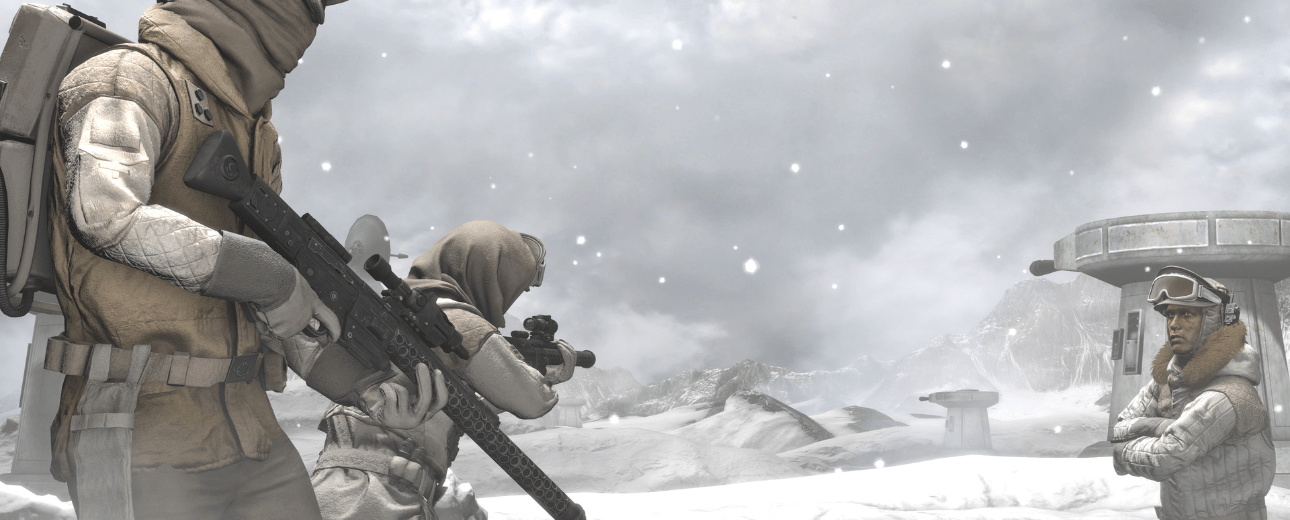
When most people think about The Empire Strikes Back, their minds jump straight to Darth Vader, the AT-AT walkers, or the emotional gut-punch of “I am your father.” And while all of that is absolutely deserved, there’s a group of fighters who almost never get the spotlight they deserve: the Hoth Rebel soldiers. These men and women, stationed in one of the most inhospitable places in the galaxy, stood their ground against the full might of the Galactic Empire so that the Rebel Alliance could live to fight another day. They are, without a doubt, some of the most courageous and underappreciated characters in the entire Star Wars saga. This article is a full, passionate deep-dive into their world — who they were, what they wore, how they fought, and why their legacy continues to matter so much to Star Wars fans everywhere. Whether you’re a lifelong fan or someone just discovering the magic of that icy battlefield, pull up a tauntaun and let’s get into it.
Who Were the Hoth Rebel Soldiers?
The Hoth Rebel soldiers were a core unit of the Rebel Alliance’s ground forces, specifically deployed to and stationed at Echo Base on the frozen planet of Hoth. Following the destruction of the first Death Star at the Battle of Yavin, the Rebel Alliance was forced to scatter and find a new hidden base. Hoth — remote, frozen, and seemingly devoid of any strategic value — was chosen precisely because no sane military force would think to look there. It was the perfect hiding spot, right up until it wasn’t. The soldiers who ended up at Echo Base weren’t random recruits thrown together by circumstance. These were dedicated, committed members of the Alliance to Restore the Republic, people who had genuinely given up their homes, their careers, their safety, and their comfort to fight against tyranny. It’s also worth noting that Hoth wasn’t just a military outpost — it was a community, with pilots, engineers, medics, officers, and ground troops all living and working together under extreme conditions.
The Origins of the Alliance Ground Forces
To truly understand the Hoth Rebel soldiers, it helps to look at the broader structure of the Rebel Alliance’s military. Unlike the Empire, which had effectively unlimited resources and could replace soldiers like expendable spare parts, the Rebellion operated on a shoestring budget with volunteers who brought whatever skills and equipment they could scrounge together. The ground forces — sometimes called the Alliance Army or simply Rebel infantry — were organized into divisions, companies, and squads, though the strict hierarchical structure of traditional militaries was regularly bent by the realities of guerrilla warfare. Ground troops were trained not just in combat, but in survival, sabotage, and adaptability, because a Rebel soldier had to be ready to fight in a jungle, a desert, a city, or a frozen wasteland. This versatility was one of the Alliance’s greatest strengths, and it showed at Hoth more than anywhere else. While Imperial Stormtroopers were trained to execute orders within rigid protocols, Rebel soldiers were actively encouraged to think creatively and adapt on the fly. That culture of improvisation is what you see so vividly during the Battle of Hoth, where outnumbered and outgunned troops still managed to delay the Empire long enough for the evacuation to succeed. The Rebel Alliance’s ground forces also had a deep respect for their individual members that the Empire simply didn’t possess — each life lost was felt, each soldier had a name, a story, and comrades who mourned them.
The People Behind the Helmets
Some were veterans of the Clone Wars era, soldiers who had watched the Republic crumble and the Empire rise and refused to accept it. Others were young idealists, inspired by the destruction of Alderaan and the courage of those who had already taken up arms. Many came from planets that had suffered directly under Imperial rule — worlds that had been strip-mined for resources, oppressed by Imperial governors, or had watched their people conscripted into the Imperial military against their will. What united every single one of them was a fierce, uncompromising belief that freedom was worth fighting for, even on a planet where the temperature regularly dropped to -60°C and the nearest friendly face might be light-years away. The expanded universe materials — particularly the Star Wars Legends novels and comics — have given names and backstories to dozens of Echo Base personnel, and each story is a testament to the extraordinary diversity of people who chose to stand against the Empire. These weren’t perfect people or trained superheroes. They were teachers, farmers, former Imperial officers, smugglers, and students who had made the same fundamental choice: that doing nothing in the face of evil was not an option they could live with. Understanding that context makes the Battle of Hoth so much more than a cool action sequence — it makes it a story about what ordinary people are capable of when they commit to something larger than themselves.
Echo Base: Life at the Frozen Edge of the Galaxy
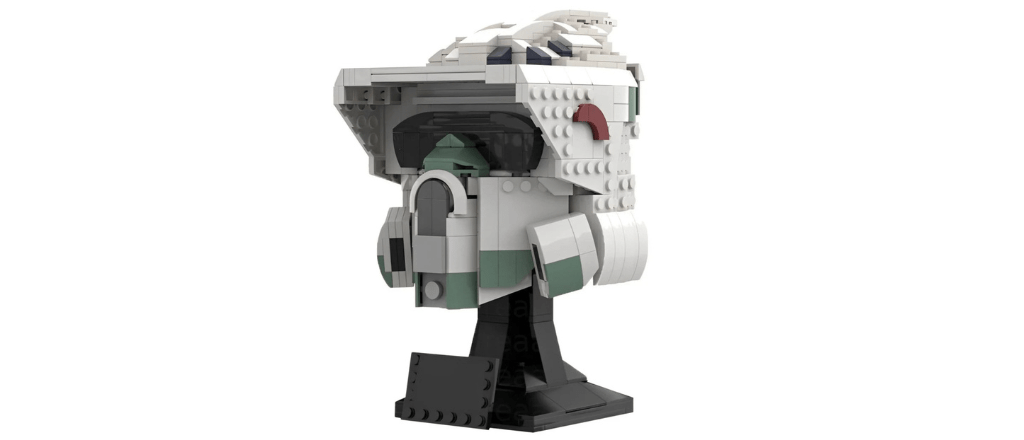
Before we talk about the battle itself, we need to spend some real time talking about what it was like to actually live at Echo Base, because that context is essential to understanding just how remarkable these soldiers were. Long before the first AT-AT appeared on the horizon, the Rebel soldiers stationed on Hoth were already fighting a different kind of war — a war against the cold, the isolation, the monotony, and the constant psychological pressure of knowing that the Empire was out there searching for them. Echo Base was carved into the Hoth glacier system, built inside a series of ice caverns that the Rebels excavated and expanded over months to house their fleet, their personnel, and their command infrastructure. The base included hangars for the T-47 airspeeders, living quarters, a command center, a medical bay, and the extensive power generation systems needed to keep everyone from freezing to death — just maintaining the base was a monumental engineering achievement that deserves far more recognition than it gets. Daily life for a Rebel soldier at Echo Base was challenging in every conceivable sense, and the mental and physical toughness required to function effectively in those conditions is genuinely extraordinary.
Morale, Brotherhood, and the Cold That Never Left
Despite all the hardship — or maybe in some ways because of it — there was a remarkable sense of camaraderie and community at Echo Base that shines through in every expanded universe account of the base. When you’re living through extreme hardship together, bonds form quickly and run very deep. Rebel soldiers shared meals in cramped mess halls, traded stories about where they came from and what they were fighting for, and kept each other’s spirits up with dark humor, small acts of kindness, and the knowledge that the person beside you was going through exactly the same thing. There are fan-expanded universe stories — now part of Star Wars Legends — that give fascinating glimpses into the daily lives of Echo Base personnel, painting a picture of people who were scared and cold and homesick, but also resolute and connected in ways that pure military hierarchy never could have manufactured. The shared mission gave meaning to all the discomfort. Every soldier at Echo Base knew that what they were doing mattered — that they were part of something larger than themselves, something that could change the galaxy. The Alliance didn’t promise comfort or safety or even survival. What it promised was purpose, and for many of these soldiers, that was more than enough. The psychological toll of living on Hoth was immense — soldiers couldn’t contact their families, couldn’t go outside without risking death, couldn’t know whether any given day might be their last — but the human capacity for connection and resilience meant that Echo Base was, against all odds, a place where people genuinely looked out for one another.
The Wampa Threat and the Wildlife of Hoth
One of the most underrated dangers facing the Rebel soldiers at Echo Base wasn’t the Empire at all — it was the wampa. These massive, white-furred predators were native to Hoth and posed a very real, very serious threat to anyone venturing outside the base perimeter. Luke Skywalker’s encounter with a wampa at the beginning of The Empire Strikes Back is famous, but it’s easy to forget that wampas represented an ongoing security concern for the entire base, not just a one-time dramatic incident for the main character. There are expanded universe accounts of wampas actually breaching the base itself — getting inside through maintenance tunnels or damaged sections of the outer wall — which meant that Echo Base soldiers had to deal with not just the threat of Imperial discovery, but also terrifying apex predators that could appear at any time. Special protocols were developed for wampa encounters, and some soldiers were specifically trained in Arctic wildlife threat response, adding yet another layer to the already impressive list of challenges these troops faced every single day. The wampa situation also speaks to something important about the Rebel Alliance’s relationship with Hoth more broadly: they were operating in an environment they didn’t fully understand, improvising as they went, and still making it work through sheer determination and adaptability. Beyond the wampas, Hoth’s extreme conditions affected everything from equipment reliability to basic human physiology — soldiers had to be constantly vigilant about frostbite, hypothermia, and equipment failure in ways that Imperial troops in more temperate postings never had to consider. The fact that Echo Base functioned as effectively as it did for as long as it did is a testament to the skill and dedication of everyone stationed there.
The Medical Corps and Survival Systems
No discussion of Echo Base life would be complete without giving proper credit to the Rebel medical corps, who operated under some of the most challenging conditions imaginable and kept the base’s personnel functional through sheer expertise and determination. Stationed in the base’s medical bay — the same facility where we see the bacta tank used to treat Luke Skywalker — these medics dealt with a constant stream of cold-weather injuries alongside the regular demands of military medicine. Frostbite was the most common issue, ranging from mild cases affecting fingers and toes to severe cases requiring significant intervention, and hypothermia was a constant risk for anyone who spent extended time outside or was caught in one of Hoth’s notorious storms. The bacta tank technology used at Echo Base represented some of the most advanced medical equipment the Rebellion could access, which says something important about how seriously the Alliance took the safety and wellbeing of its people — even when resources were desperately scarce. Beyond the high-tech equipment, Rebel medics relied on extensive practical field medicine training, covering everything from cold injury management to trauma care to psychological support for soldiers struggling with the mental strain of deployment. The medical staff were heroes in their own right, working long shifts in difficult conditions to ensure that every soldier who could be saved, was saved. Their contribution to the operational effectiveness of Echo Base is incalculable, and they deserved medals right alongside the pilots and infantry fighters who got most of the attention.
The Cold Weather Gear and Equipment of the Hoth Rebel Soldier
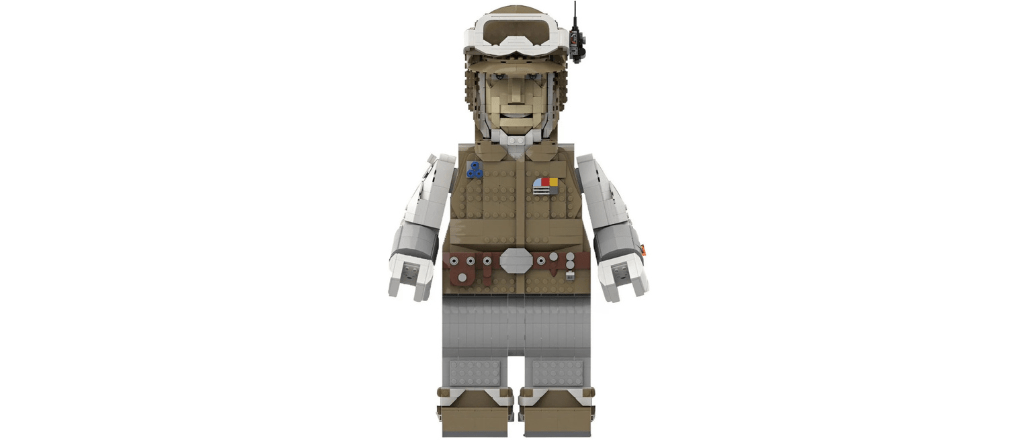
One of the most visually distinctive and genuinely fascinating things about the Hoth Rebel soldiers is their cold weather uniform and equipment loadout, which stands as one of the most practical and believable-looking designs in the entire Star Wars wardrobe. In a franchise that is absolutely not shy about spectacular, fantastical costume design, the Hoth Rebel outfit stands apart for its grounded, functional aesthetic — it looks like gear that would actually work, worn by people who actually needed it to work or they would die. The standard Hoth Rebel cold weather uniform consisted of several carefully considered layers, starting with a thermal undersuit designed to retain body heat and moving up through the iconic quilted jacket and trousers in the distinctive off-white, tan, and grey color palette that has become so recognizable. The production design team for The Empire Strikes Back clearly did extensive research on real-world military cold-weather gear, and it shows in every detail of the costume. On their heads, soldiers wore knit caps or helmets depending on role, with goggles to protect against the biting wind and blinding snow, and electrically heated glove liners under their outer gloves to keep trigger fingers functional in temperatures that would otherwise make them useless in seconds.
Weapons Systems and Battlefield Equipment
The Rebel soldiers at Echo Base carried a carefully selected range of Alliance weaponry, chosen or modified specifically for cold-weather performance wherever possible. The most common sidearm was the DH-17 blaster pistol — a compact, reliable weapon well-suited to the close-quarters combat that would inevitably happen inside the base corridors — while many troops carried the A280 blaster rifle for longer-range engagements and heavier firepower in open terrain. Some specialized units were equipped with PLX-1 portable missile launchers, which proved critical (if ultimately limited) against the Imperial AT-AT walkers, while E-Web heavy repeating blasters were set up at key defensive positions around the base exterior to provide covering fire during the evacuation. Equipment maintenance was a constant, exhausting challenge that rarely gets the attention it deserves in discussions of the Battle of Hoth. Cold weather is absolutely brutal on mechanical and electronic systems — blasters could misfire or fail entirely if moisture got into the power cells and froze, targeting systems needed constant recalibration as temperature fluctuations affected their calibration, and the lubricants used in virtually every piece of equipment had a frustrating tendency to thicken or freeze at exactly the wrong moment. Soldiers were trained in field maintenance under combat conditions, which in practice meant lying on your back in sub-zero temperatures trying to fix a jammed weapon with fingers that had lost most of their sensation — and yet they did it, every single day, because the mission demanded it and the alternative was unthinkable. The logistical challenges of keeping an armed force equipped and functional on Hoth were staggering, and the support staff who managed those challenges deserve enormous credit.
Vehicles and Heavy Assets of Echo Base
Beyond personal weapons and gear, the Rebel defenders of Hoth had access to a range of vehicles and heavy military assets that played crucial roles in both the ongoing defense of the base and the battle itself. The most famous of these are undoubtedly the T-47 airspeeders — atmospheric craft that were never designed for military use but were brilliantly modified by Rebel technicians for combat operations in Hoth’s brutal climate. The modifications required to make these civilian speeders function in Hoth’s extreme cold were extensive: heating elements had to be added throughout the vehicle, lubricants replaced with cold-weather variants, and sensor systems recalibrated for the unique electromagnetic environment of the planet. The result was a fast, maneuverable craft that was dangerously underpowered against AT-AT armor but proved invaluable for the tow-cable tactic that became the defining image of the battle. The v-150 Planet Defender ion cannon positioned outside Echo Base was arguably the single most important piece of heavy equipment available to the defenders, providing the ability to punch through the Imperial naval blockade in orbit and create windows for the evacuation transports to escape. Operating that cannon under fire, knowing that every shot was buying precious seconds for your comrades to reach hyperspace, required a particular kind of steady courage under pressure that rarely gets celebrated. Ground vehicles including snowspeeders used for patrol, supply sleds, and various support craft rounded out the Rebel vehicle pool at Hoth, each one a vital piece of the overall defensive and logistical picture.
The Battle of Hoth: Standing Against the Storm
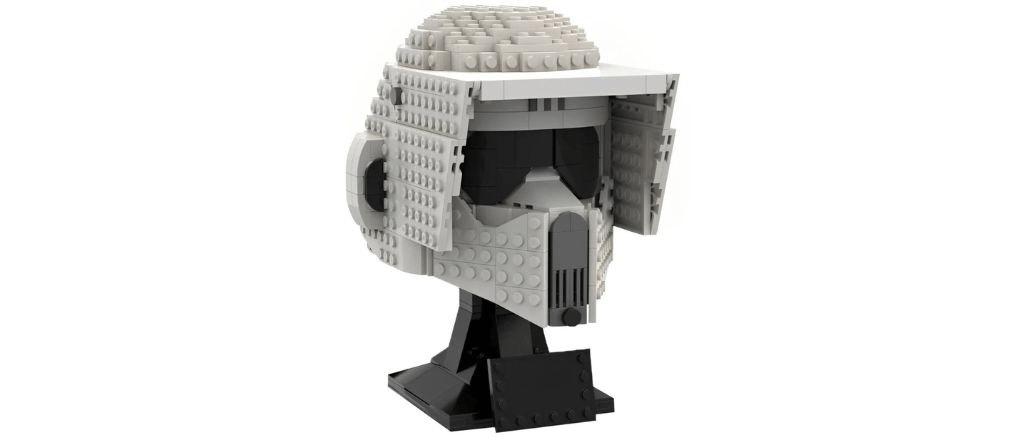
And then came the day that everything changed. The Battle of Hoth is one of the most celebrated and emotionally powerful sequences in all of Star Wars — a stunning, heartbreaking, and ultimately heroic engagement that defined the second act of the original trilogy and has haunted fans ever since. For the Rebel soldiers of Echo Base, it was the moment when all their training, all their sacrifice, and all their brotherhood was put to the ultimate, existential test. It began with an Imperial probe droid — one of thousands scattered across the galaxy in the Empire’s relentless search for the Rebel base — detecting the thermal signature of Echo Base and transmitting its findings before it was destroyed. General Veers confirmed the finding and reported directly to Darth Vader, who immediately ordered a full ground assault rather than simply ordering an orbital bombardment that would have ended things in minutes. That decision — driven by Vader’s obsessive determination to capture Luke Skywalker alive — gave the Rebels a crucial gift: time. And the soldiers of Echo Base used every second of it.
The Defensive Lines and the Ground Infantry’s Fight
The Rebel ground infantry played a critical and almost entirely overlooked role in the Battle of Hoth that deserves far more attention than it typically receives. While the snowspeeders attacking the AT-ATs are the visual centerpiece of the battle sequence, it was the soldiers in the defensive trenches who kept the Imperial advance from completely overwhelming the base before the evacuation could be completed. These troops manned heavy blaster emplacements, maintained constant suppressing fire against advancing Snowtroopers, laid explosive charges to collapse tunnels and slow Imperial progress through the glacier system, and ultimately fought hand-to-hand in the corridors of Echo Base itself as the Imperial forces breached the outer wall. The tactics employed by Rebel ground forces were classic guerrilla warfare principles adapted for a fixed defensive position — using knowledge of the base layout to set up ambush points in corridors and tunnels, exploiting the maze-like structure of the glacier system to slow the Imperial advance, and coordinating defensive fallback positions via encrypted short-range comms as sections of the base were progressively abandoned. Every minute those troops held their positions was another minute for a transport to launch, another minute for Alliance leadership to reach their ships, another minute that brought the Rebellion closer to survival. The soldiers who died in those trenches and corridors gave their lives so that the Alliance could fight another day, and that sacrifice is the true foundation of everything that follows in the Star Wars saga.
The AT-AT Walkers: Fighting the Impossible
The AT-AT walker problem is one of the defining tactical challenges of the Battle of Hoth, and how the Rebel soldiers dealt with it reveals everything about their ingenuity and courage. The AT-AT stands roughly 22 meters tall, is clad in armor plating too thick for standard Rebel weapons systems to penetrate, and carries devastating firepower in the form of heavy laser cannons mounted in the head unit. Against an enemy like this, conventional infantry tactics were essentially useless — you couldn’t shoot through it, you couldn’t outrun it, and you couldn’t hide from it for long. The Rebel response demonstrated exactly the kind of creative problem-solving under pressure that defined the Alliance at its best. The tow-cable technique — using snowspeeder harpoon guns to wrap cables around AT-AT legs and trip them — was improvised during the battle itself by Wedge Antilles and Wes Janson, who recognized in real time that conventional attack runs weren’t going to work and came up with something completely new on the fly. That’s not just bravery — that’s brilliance under fire, and it’s exactly the kind of thinking that the Rebel Alliance cultivated in its people. On the ground, infantry anti-armor teams used PLX-1 launchers and precisely placed demolition charges to target AT-AT joints, neck sections, and the terrain ahead of the walkers, while coordinating with air units to identify and exploit any vulnerabilities they could find. The fact that the Rebels brought down multiple AT-AT walkers during the battle — against a vehicle that was designed to be essentially invulnerable to their weapons — stands as one of the most impressive military achievements in the entire Star Wars saga.
The Snowtroopers: A Worthy and Dangerous Enemy
To properly appreciate what the Rebel soldiers accomplished at Hoth, you have to genuinely understand what they were up against in the form of the Imperial Snowtroopers. These were not ordinary Stormtroopers who happened to be wearing winter gear — Snowtroopers were specifically trained and extensively equipped for arctic warfare operations, representing one of the Empire’s most specialized and effective ground combat units. Their distinctive white armor featured integrated life support systems, heating elements, and cold-weather optical enhancements that allowed them to operate comfortably in conditions that would kill an unprotected human in minutes. They trained specifically for combat in frozen environments, practiced breach-and-clear techniques for attacking hardened positions in snow and ice, and had tactics developed specifically for overwhelming fixed defensive emplacements of exactly the kind the Rebels had built at Echo Base. The Snowtroopers were disciplined, well-equipped, and extremely capable — and the Rebel soldiers who held them off deserve enormous credit for it. The courage required to stand in a trench with a blaster rifle and hold your ground against a professional military force supported by walking tanks is the kind of courage that doesn’t get celebrated enough in either fiction or reality. Every meter of ground that the Rebel infantry forced those Snowtroopers to fight for was another meter that bought time for the evacuation, another small victory in a battle that was strategically lost but tactically heroic.
Key Figures Among the Defenders of Echo Base
While the Hoth Rebel soldiers as a collective are the true heroes of this story, there are a handful of specific individualswho stand out for their exceptional contributions to Echo Base and the Battle of Hoth — some well known, others deserving of far more recognition than they typically receive. General Carlist Rieekan is arguably the most underrated military commander in the entire Star Wars saga. His decision-making during the evacuation — keeping the ground defense active long enough to buy time while simultaneously prioritizing the escape of key personnel and leadership — was a masterclass in crisis command under impossible conditions. Rieekan understood something that many commanders struggle with: the difference between a tactical defeat and a strategic victory. By accepting that Hoth was lost and focusing entirely on maximizing what could be saved, he made decisions that preserved the Rebellion’s ability to fight on. Sergeant Zev Senesca (Rogue Two) found Luke and Han Solo in the Hoth wilderness — a rescue mission that saved two of the Alliance’s most important figures — before dying in his snowspeeder during the battle itself, a painful reminder that heroism and survival don’t always go hand in hand.
The Pilots of Rogue Squadron at Hoth
No account of Echo Base’s defenders would be complete without proper recognition of Rogue Squadron, the elite fighter group tasked with taking the modified T-47 airspeeders directly against the AT-AT advance. These pilots — including Wedge Antilles, Hobbie Klivian, Wes Janson, and the others — were among the most skilled combat aviators in the entire Alliance, and their willingness to fly lightly armored speeders at four-story walking tanks was an act of extraordinary courage bordering on suicidal determination. The famous tow-cable technique was improvised entirely on the fly, and its success was a testament to the skill, creativity, and absolute refusal to give up that characterized Rogue Squadron. But for every moment of triumph, there was loss — Dak Ralter, Luke’s gunner, was killed early in the engagement; Zev Senesca died when his snowspeeder was shot down; other pilots whose names we never learn gave their lives in that frozen sky. The pilots of Rogue Squadron paid an enormous price at Hoth, and understanding that cost is essential to understanding why the eventual Rebel victory at Endor feels so earned and so meaningful. These weren’t immortal heroes — they were people, frightened and mortal, who chose to fight anyway.
Officers, Techs, and the Support Personnel Who Made It All Work
Beyond the combat troops and pilots, Echo Base was kept operational by a vast network of support personnel whose contributions were every bit as essential as those of the fighters in the front lines. The comm officers who maintained the encrypted communication systems that coordinated the evacuation, operating under fire with the knowledge that a single failure in their systems could mean the difference between escape and capture. The engineers and technicians who kept the T-47 airspeeders flying in conditions those vehicles were never designed for, solving one impossible problem after another with improvised solutions and sheer stubborn ingenuity. The ion cannon crews who kept firing their weapon under increasingly dangerous conditions, punching holes in the Imperial orbital blockade one shot at a time so that evacuation transports could reach hyperspace. Major Bren Derlin — played memorably by John Ratzenberger in a role that gets a lot of fan attention — served as head of base security, responsible for the overall coordination of Echo Base’s defensive posture. In the expanded universe, Derlin is given a much fuller story, including the agonizing decisions he had to make during the battle about who to protect and what to sacrifice. Each of these people, named and unnamed, was a vital thread in the fabric of Echo Base, and the collective achievement of the evacuation belongs to all of them equally.
The Legacy of the Hoth Rebels Across Star Wars Media
The Battle of Hoth and the soldiers who fought it have had a profound and lasting impact on Star Wars storytellingacross multiple decades and media, from the original films through to the current Disney era and everything in between. Their story has been revisited, expanded, and celebrated in ways that consistently enrich our understanding of the Star Wars universe and of what the Rebel Alliance truly represented. In the Star Wars Legends continuity (the pre-Disney expanded universe), the Battle of Hoth was explored in remarkable detail across multiple formats. The original Empire Strikes Back novelization, various comic series from Dark Horse, and the extraordinary West End Games Star Wars RPG sourcebooks published throughout the late 1980s and 1990s all gave readers vastly more information about Echo Base, its personnel, and the full scope of the battle. The West End Games material in particular remains invaluable for fans interested in the tactical and technical details of the Rebel Alliance, containing information about Alliance military organization, equipment specifications, and battlefield tactics that was developed with genuine care and creativity. Under the Disney canon established after the 2012 Lucasfilm acquisition, the Battle of Hoth has continued to receive substantial attention and expansion through reference books, comics, and video games.
The Battle of Hoth in Video Games
From a gaming perspective, the Battle of Hoth has been one of the most consistently represented and beloved scenarios in the history of Star Wars video games, and for good reason — it’s a scenario that translates beautifully to interactive entertainment in ways that let players experience the conflict from ground level in ways the films can only hint at. The original LucasArts Battlefront games (2004 and 2005) made Hoth one of their signature maps, allowing players to fight as either Rebel soldiers or Snowtroopers across the frozen battlefield in ways that captured the chaos and desperation of the engagement brilliantly. The ability to play as an anonymous Rebel trooper — not Luke or Han or any named hero, just a regular soldier with a blaster and a mission — was genuinely powerful, giving players a direct connection to the experience of those unsung fighters. The EA Star Wars Battlefront series (2015 and 2017) returned to Hoth with vastly upgraded visual fidelity, creating a version of the battle that felt almost overwhelming in its scale and detail. Playing as a Rebel soldier in that game, running between AT-AT legs while snowspeeders scream overhead and explosions tear up the ice around you, gives a visceral understanding of what those fictional soldiers experienced that no amount of film-watching quite replicates. The Star Wars: Commander mobile strategy game also gave players the opportunity to manage Rebel base defenses in Hoth-like scenarios, adding a strategic layer to the experience that highlighted just how difficult General Rieekan’s job really was.
Comics, Novels, and the Expanding Universe
The Marvel Comics Star Wars series — both the original 1977-1986 run and the current Disney-era ongoing series — has explored the Hoth era extensively and given us some of the most emotionally resonant stories about Echo Base personnel ever told. The current ongoing series in particular features extended story arcs set in the period between A New Hope and The Empire Strikes Back, giving vital context to how the Rebellion arrived at Hoth and what the soldiers stationed there were thinking and feeling in the months leading up to the battle. Reference books like Star Wars: Complete Locations, the various Visual Dictionaries, and Star Wars: Absolutely Everything You Need to Know contain extraordinary detail about Echo Base’s physical layout, the equipment used by its defenders, and the tactical specifics of the battle that reward careful study. For fans who want to explore the Wookieepedia — the definitive Star Wars fan wiki at starwars.fandom.com — the Battle of Hoth article and its dozens of linked pages represent hundreds of hours of fascinating reading, compiled with the obsessive care that only the best fan communities can produce. The official StarWars.com website (starwars.com) also regularly publishes in-depth articles about Hoth, the soldiers who fought there, and the broader context of the Rebellion era that are well worth bookmarking.
The Hoth Rebel Soldier in Fan Culture and Cosplay
The passion that Star Wars fans feel for the Hoth Rebel soldiers is beautifully evident in the enormous amount of fan-created content, community activity, and cultural homage dedicated to these characters across decades of fandom. From cosplay to fan fiction to custom model-making to academic analysis, the soldiers of Echo Base have inspired creativity in fans of all ages and from all backgrounds, and that creative legacy is one of the most genuine tributes any fictional character can receive. The cosplay community around Hoth Rebels is particularly vibrant and welcoming. The Rebel Legion (www.rebellegion.com) — the premier Star Wars costuming organization for Rebel Alliance characters — has detailed and carefully researched costume standards for Hoth Rebel troopers, and members regularly appear at conventions, charity events, hospital visits, and fan gatherings in their cold-weather gear. There’s something genuinely wonderful about seeing a group of fully costumed Hoth Rebels walking through the halls of a convention center, bundled up in their quilted jackets and goggles on a warm summer day — it captures the spirit of the Rebellion perfectly.
Custom Figures, Dioramas, and Collectibles
In the custom figure and diorama community, the Battle of Hoth is one of the most beloved and frequently recreated subjects, inspiring some of the most technically impressive and emotionally resonant work that fan artists produce. Talented collectors and custom builders spend hundreds of hours creating detailed miniature recreations of Echo Base, the trench lines, and the battle itself — complete with custom-painted soldiers, weathered AT-AT models, battered snowspeeders, and painstakingly recreated frozen terrain. These dioramas are often genuine works of artistic merit, capturing the chaos, heroism, and tragedy of the battle in ways that complement and sometimes even deepen the experience of watching the film. From a commercial collecting perspective, the Hoth Rebel soldiers have been represented across virtually every Star Wars merchandise line over the decades. The original Kenner action figures from the early 1980s included Rebel soldiers in their Hoth gear, and these vintage pieces remain beloved collectibles that command significant prices on the secondary market. The Hasbro Black Series 6-inch line has produced excellent Hoth figures praised for their accuracy and articulation, while Hot Toys and Sideshow Collectibles have released premium 1:6 scale figures with extraordinary detail for the serious collector. The enduring commercial appeal of the Hoth aesthetic — its distinctive color palette, iconic equipment, and immediately recognizable visual identity — speaks to how deeply these soldiers have embedded themselves in the cultural memory of Star Wars fandom.
Fan Fiction and the Stories We Tell Ourselves
Fan fiction set at Echo Base has a long, rich, and genuinely moving history that represents one of the most heartfelt expressions of fan love for these characters. Sites like Archive of Our Own and FanFiction.net host hundreds of stories exploring the lives of Rebel soldiers at Hoth — their relationships, their fears, their moments of humor and tenderness and courage. These stories do something that the films simply don’t have time to do: they give names and faces and inner lives to the anonymous figures we see in the background of those iconic scenes, transforming them from extras into fully realized human beings. Reading a well-written fan fiction story about a Hoth Rebel soldier — their last night before the battle, their relationship with their squadmates, their thoughts about the cause they’re fighting for — is a profoundly moving experience that deepens your appreciation of what The Empire Strikes Back is really about. That creative engagement, that impulse to ask “but who were these people really?” and then sit down and answer your own question, is one of the most beautiful things about Star Wars fandom, and the soldiers of Echo Base have inspired it in fans for over four decades. The best of these stories capture something the films can only gesture at: the texture of daily life inside a military resistance movement, the small rituals and private jokes and quiet moments of connection that keep people human even in the most dehumanizing circumstances. They remind us that for the soldiers of Echo Base, the Rebellion wasn’t an abstract political cause — it was the people standing next to them in the trench, the colleagues they ate breakfast with every morning, the friends whose faces they carried with them into battle and whose loss they mourned in the aftermath.
The Women of Echo Base and Questions of Representation
An aspect of the Hoth Rebel forces that deserves specific and thoughtful attention is the role of women in Echo Base’s ground troops and support personnel — a topic that connects the Star Wars saga to broader conversations about representation in science fiction and action cinema. The original Star Wars films of the late 1970s and 1980s were, like most action cinema of that era, not particularly strong on gender representation in combat roles. But within the world of Star Wars, women serving in the Rebel Alliance — including in frontline and combat positions — was always canonical and intended. Princess Leia Organa is the most prominent female figure in the Hoth sequence, effectively commanding the entire evacuation operation from Echo Base’s command center with a calm authority that puts many screen military commanders to shame, and she was the last non-combatant to leave the base. Beyond Leia, careful viewing of the Echo Base scenes reveals female comm operators, technicians, and support staff throughout — women who were every bit as much a part of the Rebel military as their male counterparts. In the expanded universe and newer canonical materials, the presence of women in Rebel ground forces — including front-line combat roles — has been much more explicitly and consistently represented, reflecting both a more progressive storytelling sensibility and a commitment to portraying the Alliance as the genuinely egalitarian organization it was always meant to be. When we imagine the soldiers defending Echo Base, the fullest and most accurate vision includes people of all genders, species, and backgrounds, united by the same commitment to freedom — because that diversity was always the Alliance’s greatest strength and its sharpest contrast with the Empire’s narrow, oppressive homogeneity.
Why the Hoth Rebels Matter: Themes of Resistance, Sacrifice, and Hope
Beyond the tactics, the gear, the lore, and the fan culture, what ultimately makes the Hoth Rebel soldiers so profoundly meaningful to Star Wars fans is what they represent thematically — what they mean as symbols within the larger story that Star Wars is trying to tell. In a saga built around the eternal conflict between tyranny and freedom, the soldiers of Echo Base are the human face of that conflict, the proof that the themes aren’t abstract philosophical positions but lived realities for real people. They’re not Jedi with magical powers that place them beyond ordinary human experience. They’re not scoundrels operating with personal angles and self-interested motivations. They’re just ordinary people who decided to stand up for what’s right, even when — especially when — it cost them everything they had. That choice, repeated over and over again by person after person in the cold corridors of Echo Base, is the moral heart of the Star Wars saga, and it’s as relevant and powerful today as it was when the film was released in 1980. George Lucas has spoken openly about how Star Wars was partly inspired by the Vietnam War, with the Rebel Alliance representing an outgunned, determined resistance force and the Empire representing an overwhelming military superpower that couldn’t understand why the people it was trying to conquer refused to simply give up. Nowhere in the original trilogy is that political and moral subtext more clearly visible than at Hoth.
The Contrast Between the Alliance and the Empire
The contrast between the Hoth Rebels and the Imperial Snowtroopers illuminates one of the most important things Star Wars is trying to say about the nature of power and the nature of freedom. The Snowtroopers are imposing, disciplined, and genuinely powerful — they follow orders without question, execute their mission with mechanical efficiency, and represent the Empire’s total commitment to military force as the solution to every problem. But they are, fundamentally, instruments of oppression — faceless soldiers of a regime that actively crushes individuality, creativity, and the kind of human connection that makes life worth living. The Rebel soldiers, by contrast, are unmistakably individuals. They have names, faces, fears, and stories. They are scared, but they are brave anyway. They improvise constantly because their situation demands it. They care about each other in ways that the Empire actively discourages, because a soldier who cares deeply about the people beside them will fight harder and smarter than one who is simply executing orders. The battle between these two forces at Hoth isn’t just a military engagement — it’s a clash of philosophies about what human beings are and what they’re worth. And even in tactical defeat, the Rebels win that deeper battle, because they demonstrate conclusively that free people fighting for what they believe in can hold off an empire, even just long enough to matter.
The Meaning of Sacrifice in the Star Wars Saga
The theme of sacrifice runs through every aspect of the Battle of Hoth with an honesty and emotional weight that distinguishes it from simple action-movie heroics. The soldiers who held the defensive lines knew that many of them wouldn’t make it out — they made that calculation and chose to stand anyway, because the mission required it and because the people behind them deserved the chance to escape. The pilots who flew against the AT-ATs knew they were flying fragile civilian speeders against military-grade walking fortresses, and they did it anyway because someone had to. The support personnel who stayed at their posts until the last possible moment, ensuring that every transport that could launch did launch, made the same fundamental choice: that other people’s survival was worth their own risk, their own fear, their own possible death. That’s a kind of moral courage that transcends the fictional context in which it appears, and it’s one of the reasons the Battle of Hoth continues to resonate so deeply with audiences four decades after The Empire Strikes Back was first released. We recognize in those soldiers something true about what human beings are capable of when they commit to something larger than themselves, and that recognition is both humbling and inspiring. It’s also worth noting the strategic legacy of Hoth’s survivors. Those who made it off the planet carried the psychological weight of the battle with them — the friends they’d lost, the base they’d been forced to abandon, the knowledge of how close everything had come to ending there on that frozen world. But they also carried something else: the hard-won knowledge that they had faced the full might of the Empire and survived, that ordinary people with ordinary weapons and extraordinary determination could hold back an empire for long enough to matter. That knowledge, that proof of concept, was one of the foundations on which the eventual victory at Endor was built. The survivors of Hoth were among the most battle-hardened and motivated soldiers in the Alliance, shaped by their experience into exactly the kind of fighters who could see a mission through to its end regardless of the cost.
Hoth’s Place in the Broader Galactic Civil War
To fully appreciate what the Hoth Rebel soldiers accomplished, it’s worth taking a moment to place the Battle of Hoth in the context of the Galactic Civil War as a whole, because the engagement didn’t happen in isolation — it was a pivotal chapter in a much longer, much more complex struggle. The Battle of Yavin had been a stunning, almost incomprehensible victory for the Rebellion, the first time the Empire had suffered a truly catastrophic strategic defeat. That victory brought new recruits, new resources, and new hope to the Alliance, but it also made the Empire more determined and more dangerous than ever. In the years between Yavin and Hoth, the Rebellion was constantly on the move — conducting operations across the galaxy while Imperial forces hunted for their new base, always one step ahead of discovery, always improvising and adapting and refusing to be caught. The soldiers who eventually ended up at Echo Base had already been through a great deal before they ever set foot on Hoth, and that experience shaped their resilience and their effectiveness as fighters. The Battle of Hoth, understood in this context, was not just a single engagement but a crucial stress test of the Alliance’s fundamental approach to the war: avoid decisive confrontation where possible, preserve your forces, accept tactical defeats in exchange for strategic survival. The soldiers of Echo Base passed that test under the most extreme possible conditions, and the Rebellion that emerged from Hoth — scattered, wounded, but alive — was ultimately the Rebellion that won.
Conclusion: Echo Base Lives On in Our Hearts
The Hoth Rebel soldiers are, in the truest and most complete sense, the soul of The Empire Strikes Back. In a film absolutely full of iconic moments and unforgettable characters, they are the ones who ground the entire story in something recognizably, achingly human. They are scared and cold and outmatched in every conventional military metric, and they fight with everything they have anyway. They lose their base, their friends, and their security, and they keep going, because the Alliance is more than a base — it’s an idea, and ideas don’t die when buildings fall. They are, in miniature, everything the Rebel Alliance stands for, and everything that makes the Star Wars saga worth caring about across generations of fans.
Why These Soldiers Will Never Be Forgotten
When you watch the Battle of Hoth again — and you absolutely should, it holds up magnificently — take a deliberate moment to look at the faces in the background. The soldier firing from the trench who will never be named. The technician running through a corridor that’s being blown apart around them. The pilot climbing into a snowspeeder they know might not come back. These are the unsung heroes of Echo Base, and their story is one of the most genuinely moving in all of Star Wars, precisely because they’re so ordinary and so extraordinary at the same time. They didn’t have the Force guiding them. They didn’t have invincible armor or unlimited resources or the comfortable certainty that the story would end well for them. What they had was each other, a cause they believed in with everything they were, and the courage to stand their ground when every rational calculation said it was hopeless. In a galaxy far, far away, that was enough to change the course of history. And in our world, their story reminds us of something we need to be reminded of regularly: that ordinary people doing extraordinary things for each other is where hope has always lived. The soldiers of Echo Base made the final victory possible, and every fan who has ever felt a lump in their throat watching that evacuation sequence understands that truth on a level that goes beyond simple movie appreciation.
A Final Tribute to the Ordinary Heroes
So here’s to the soldiers of Echo Base — every single one of them, named and unnamed, celebrated and forgotten. Here’s to the ones who held the line and the ones who didn’t make it out. Here’s to General Rieekan’s cool-headed leadership under impossible pressure, to Wedge Antilles’ improvised brilliance when the conventional playbook ran out, to the anonymous trooper who kept firing from the trench until the very last possible moment. Here’s to the medics who kept people alive in impossible conditions, the engineers who kept the airspeeders flying in temperatures they were never designed for, the comm officers who kept the evacuation coordinated under fire, and every single person who chose to be part of the Rebellion when they could have looked away and chosen the easier path. Each of them, in their own way, was a hero — not the shining, effortless kind that legends are made of, but the hard, human, costly kind that actually changes history. The galaxy of Star Wars remembers them. And so do we.
May the Force be with them. Always.
One last thought: the next time someone asks you what your favorite Star Wars moment is, consider giving an answer that surprises them. Not a lightsaber duel or a space battle or a Force-powered feat of supernatural ability — but the image of an anonymous Rebel trooper, bundled up against the Hoth cold, firing their blaster into the advancing Imperial lines and refusing to stop. That image, more than almost any other in the saga, captures what Star Wars is really about. And the person behind that blaster — scared, brave, ordinary, extraordinary — deserves to be remembered.
For more deep dives into Star Wars lore and characters, check out Wookieepedia — the definitive fan wiki for all things Star Wars — and the official StarWars.com for news, articles, and official content. For cosplay and community, the Rebel Legion is the best place to connect with fellow fans who share your passion for the Alliance.