
 Canada
 USA
USA Japan
Japan



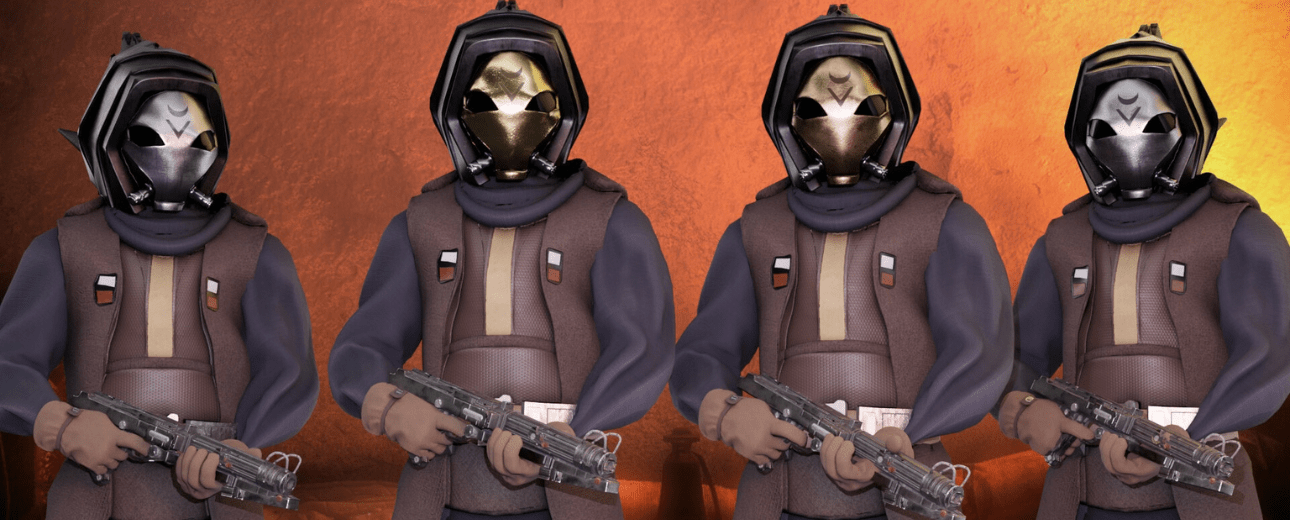
When you think of Star Wars villains, your mind probably jumps to Sith Lords, Imperial officers, or maybe even bounty hunters. But lurking in the shadows of the galaxy’s criminal underworld is a force that’s been quietly building power for decades: the Pyke Syndicate and their distinctive soldiers. These enigmatic warriors have become increasingly important to Star Wars storytelling, appearing in everything from The Clone Wars to The Book of Boba Fett, and their influence on galactic crime cannot be overstated.
The Pyke Syndicate represents one of the most successful criminal organizations in Star Wars history, and their soldiers form the backbone of that success. Unlike the flashy bounty hunters or the brutish enforcers of other crime families, Pyke soldiers operate with military precision, corporate efficiency, and a ruthlessness that makes them feared across the galaxy. Understanding these soldiers means understanding how organized crime actually functions in the Star Wars universe, how power is maintained through violence and intimidation, and how entire worlds can fall under the control of criminal enterprises.
What makes Pyke soldiers particularly fascinating is how they blend elements we recognize from real-world criminal organizations with the unique alien aesthetics and technology of Star Wars. They’re not just faceless thugs; they’re professional soldiers working for what is essentially a narcotics cartel with galactic reach. Their story intertwines with major events across multiple eras, from the Clone Wars through the fall of the Empire, making them a surprisingly important piece of Star Wars lore that often gets overlooked in favor of flashier villains.
Understanding the Pyke Syndicate and Its Military Structure
Before we can truly appreciate Pyke soldiers, we need to understand the organization they serve. The Pyke Syndicate isn’t just another gang or small-time criminal operation; it’s a sophisticated criminal empire that has operated successfully for generations, surviving regime changes, wars, and countless attempts to shut it down. The soldiers who enforce the Syndicate’s will are the visible manifestation of this criminal power, the armed force that turns economic dominance into territorial control.
The Pyke Syndicate’s primary business has always been spice, the Star Wars universe’s catch-all term for various narcotic substances that are illegal in most systems but enormously profitable. This focus on drug trafficking makes the Syndicate comparable to real-world cartels, but with the added complexity of operating across multiple star systems, dealing with various alien species, and navigating the political complexities of galactic governance. The soldiers serve as protection for spice shipments, enforcers collecting debts, and occupying forces when the Syndicate takes control of territory.
What sets the Pyke Syndicate apart from other criminal organizations like the Hutt Cartels or Black Sun is their business-like approach to crime. While the Hutts rule through personal power and hedonistic excess, and Black Sun operates through shadowy conspiracies, the Pykes run their empire like a corporation. They have hierarchies, territories, supply chains, and most importantly, a professional military force. Pyke soldiers aren’t just hired muscle; they’re career criminals who’ve chosen to serve the Syndicate, often with training and equipment that rivals legitimate military forces.
The Pyke Species and Their Military Culture
The Pyke species themselves are native to the planet Oba Diah, a world that became synonymous with spice production and criminal enterprise. Pykes are immediately recognizable by their distinctive physical appearance: tall, thin humanoids with large heads and eyes adapted for their homeworld’s unique atmospheric conditions. But what’s most important for understanding their soldiers is the culture that developed on Oba Diah, a culture that valued profit, efficiency, and the willingness to use violence to achieve business objectives.
Pyke society developed around the spice trade from very early in their history. When the rest of the galaxy discovered that Oba Diah produced valuable narcotic substances, the Pykes didn’t resist or try to maintain their traditional ways; they leaned into it, building an entire civilization around the production, processing, and distribution of spice. This pragmatic approach to their economic comparative advantage shaped everything about Pyke culture, including how they viewed military force.
In Pyke culture, soldiers aren’t warriors in the traditional sense; they’re business assets. A Pyke soldier is an investment, someone trained and equipped to protect the Syndicate’s interests, enforce its contracts, and eliminate threats to profitability. This creates a very different dynamic than you see with, say, Mandalorian warriors who fight for honor, or clone troopers who fight out of programming and duty. Pyke soldiers fight because it’s their job, and they’re compensated accordingly. This mercenary mindset makes them simultaneously more predictable and more dangerous than ideologically motivated forces.
The Pyke homeworld of Oba Diah became a fortress world under Syndicate control, with the organization’s headquarters and main spice processing facilities heavily defended by soldier garrisons. Young Pykes growing up on Oba Diah often see joining the Syndicate’s military forces as a legitimate career path, one that offers steady pay, opportunities for advancement, and the chance to travel the galaxy. This normalization of criminal military service within Pyke culture ensures a steady supply of recruits willing to enforce the Syndicate’s will across the galaxy.
How the Syndicate Recruits and Trains Its Forces
The Pyke Syndicate’s approach to building its military force is surprisingly sophisticated, combining elements of traditional military recruitment with the pragmatic business focus that defines the organization. Unlike criminal gangs that rely on whoever’s willing to pick up a blaster, the Syndicate actively recruits, trains, and maintains a professional fighting force. This investment in their soldiers pays dividends in operational effectiveness and the ability to project power across multiple systems simultaneously.
Recruitment for Pyke soldiers happens on multiple levels. The core of the force consists of Pyke natives from Oba Diah, individuals who grow up in Syndicate-controlled territory and are acculturated to see working for the organization as normal and even prestigious. These native recruits receive the most extensive training and often rise to leadership positions within the military structure. They’re loyal because the Syndicate is their government, their economy, and their culture all rolled into one; betraying it would mean betraying everything they know.
However, the Syndicate also recruits from other species and populations. Criminal organizations across the galaxy feed personnel into the Pyke military structure, whether as punishment for debts, as part of treaties between criminal factions, or simply because the pay is good and the work is steady. These non-Pyke soldiers serve in auxiliary roles or specialized units, bringing diverse skills and perspectives that make the Syndicate’s forces more adaptable. A human who knows how to pilot speeders, a Weequay with demolitions expertise, a Nikto who’s skilled in close combat—all of these can find a place in the Syndicate’s military apparatus.
Training for Pyke soldiers varies depending on their role and origin, but it generally emphasizes practical combat skills, loyalty to the organization, and understanding of the Syndicate’s business operations. A Pyke soldier isn’t just taught how to shoot; they’re taught why they’re shooting, who they’re protecting, and how their actions serve the larger economic interests of the organization. This education in the business side of things creates soldiers who can make intelligent decisions in the field, who understand when violence serves the Syndicate’s interests and when it creates more problems than it solves.
The Syndicate maintains training facilities on Oba Diah and several other controlled worlds, where recruits undergo weeks or months of preparation before being deployed. This training covers weapons proficiency, small unit tactics, protection details, intimidation techniques, and even basic accounting and logistics. A Pyke soldier guarding a spice shipment needs to know not just how to fight off hijackers, but how to verify the shipment’s contents, ensure proper documentation, and report discrepancies to their superiors. This combination of military and business skills makes them far more effective than simple hired guns.
Pyke Soldier Equipment and Combat Capabilities
One of the most distinctive aspects of Pyke soldiers is their equipment, which reflects the Syndicate’s wealth and their focus on practical efficiency over flash or intimidation. When you see a Pyke soldier, you’re looking at someone equipped with quality gear chosen for functionality, someone who’s been given the tools necessary to do their job effectively. This pragmatic approach to military equipment tells you a lot about how the Syndicate views its soldiers: as valuable assets worth investing in, but not as showpieces or symbols of power.
Distinctive Armor and Visual Design
The most immediately recognizable feature of a Pyke soldier is their armor and helmet design, which has become iconic within Star Wars visual language. Pyke soldiers typically wear form-fitting armor that accommodates their species’ unique physiology while providing protection against blaster fire and physical attacks. The armor is usually dark colored—blacks, grays, and deep reds—which serves both practical camouflage purposes and creates a visually intimidating presence.
The Pyke soldier helmet is particularly distinctive, with a face-covering design that features a narrow horizontal visor reminiscent of ancient Earth warrior helmets. This design choice isn’t just aesthetic; it serves practical purposes for the Pyke species. The helmet protects their large, sensitive eyes while providing enhanced visual displays and communications equipment. The narrow visor also creates a dehumanizing effect, making it harder for victims to see the soldier as a person rather than a faceless enforcer of Syndicate will.
Different ranks and roles within the Pyke military structure often feature variations in armor design and color. Officers might have more elaborate helmet designs or distinctive color patterns that mark their status. Specialized units—sniper teams, heavy weapons soldiers, pilot specialists—wear armor modified for their specific roles. This visual hierarchy serves practical command and control purposes while also reinforcing the Syndicate’s corporate-military culture where rank and role are clearly defined and visually apparent.
The armor itself is manufactured to high standards, often comparable to military-grade equipment used by planetary defense forces or corporate security. The Syndicate has the resources to acquire or produce quality protective gear, and they invest in it because dead soldiers are bad for business. The armor can stop most small arms blaster fire, provides environmental sealing for operations in hostile atmospheres, and includes integrated communications and sensor systems that allow for coordinated tactical operations.
Weapons and Combat Technology
Pyke soldiers are equipped with a variety of weapons depending on their role, but the Syndicate shows a clear preference for reliable, proven weapon systems over exotic or experimental technology. You’re more likely to see a Pyke soldier carrying a standard blaster rifle than some rare or unusual weapon, because reliability matters more than flash when you’re protecting valuable cargo or enforcing debt collection.
The standard armament for most Pyke soldiers consists of blaster rifles or blaster pistols manufactured by reputable weapons corporations. These aren’t unique Pyke-designed weapons; they’re commercially available or military surplus firearms that the Syndicate acquires through various legal and illegal channels. This approach makes sense from a logistics standpoint—ammunition and replacement parts are readily available, soldiers can be trained on standardized weapons, and if a weapon is lost or captured, it doesn’t reveal proprietary Syndicate technology.
However, the Syndicate does equip specialized units with more advanced weaponry when the mission requires it. Heavy weapons teams might carry repeating blasters or rocket launchers for dealing with armored targets or fortified positions. Sniper specialists receive precision rifles with advanced targeting systems. Close protection details for high-ranking Syndicate members carry compact but powerful weapons suited for bodyguard work. This flexibility in equipment loadout shows sophisticated military thinking, matching tools to tasks rather than giving everyone identical gear.
Beyond personal weapons, Pyke soldiers have access to a range of military equipment including thermal detonators, smoke grenades, electronic warfare gear, and various detection and surveillance devices. When the Syndicate moves to take control of territory or defend a major installation, their soldiers can deploy heavy equipment including mounted weapons, vehicles, and even limited air support in some cases. The organization’s wealth means they can acquire almost any conventional military technology they need, limited only by what they can purchase without drawing too much attention from legitimate authorities.
Vehicles and Transportation
The Pyke Syndicate operates across multiple star systems, which means their soldiers need reliable transportation to get from place to place and to move cargo securely. The Syndicate maintains a fleet of starships, ground vehicles, and specialized transport craft that serve both military and commercial purposes. This dual-use approach is typical of the organization—the same ship that carries a spice shipment also carries the soldiers protecting it, maximizing efficiency and reducing overhead.
For space travel, Pyke military units utilize a mix of armed freighters, escort fighters, and dedicated military transports. These vessels are generally modified commercial ships rather than purpose-built warships, which allows them to blend in with normal civilian traffic while still packing significant firepower if needed. A Pyke transport might look like an ordinary cargo hauler from the outside, but it carries reinforced armor, concealed weapons, and holds full of soldiers ready to deploy. This approach to naval force reflects the Syndicate’s strategy of operating in the gray areas between legitimate commerce and open warfare.
Ground vehicles used by Pyke soldiers follow similar principles: practical, reliable, and intimidating without being so overtly military that they attract unwanted attention. Armored speeders for urban operations, heavy cargo transports for moving spice and soldiers, fast attack vehicles for hit-and-run operations against rivals—the Syndicate maintains whatever its soldiers need to accomplish their missions effectively. These vehicles are often purchased from the same manufacturers that supply planetary defense forces or corporate security, again emphasizing the Syndicate’s preference for proven equipment over anything exotic or experimental.
The Syndicate also maintains extensive facilities for vehicle maintenance and modification. Captured vehicles, salvaged military equipment, and purchased transports all flow through Syndicate workshops where they’re refitted to serve the organization’s needs. This creates a somewhat eclectic mix of equipment in Pyke military units, but it also demonstrates adaptability and resourcefulness. A Pyke soldier might arrive at a mission in a modified civilian speeder, carrying a weapon purchased from a corrupt military officer, wearing armor manufactured on Oba Diah—all of it functional, none of it traceable back to a single source.

Pyke Soldiers in The Clone Wars Era
The Clone Wars era represents a golden age of sorts for the Pyke Syndicate, a period when the chaos of galactic war created unprecedented opportunities for criminal enterprises to expand their power and influence. During this time, Pyke soldiers became increasingly visible as the Syndicate moved from operating in the shadows to openly controlling territory and challenging legitimate authorities. Understanding their role during the Clone Wars helps explain how they became such a significant force by the time of the Empire and beyond.
The Spice Trade During Galactic War
The Clone Wars created a perfect environment for the Pyke Syndicate to thrive. With the Republic and Separatists focused on military conflict, law enforcement resources were stretched thin, and many worlds found themselves without adequate protection from criminal predation. The demand for spice actually increased during the war years, as soldiers on both sides sought chemical escape from the horrors of combat, and populations under occupation turned to drugs as a coping mechanism. The Syndicate recognized these opportunities and moved aggressively to expand their operations.
Pyke soldiers became the visible enforcement mechanism for this expansion. As the Syndicate moved into new markets and territories, their soldiers established strongholds, secured supply routes, and eliminated competition from rival criminal organizations. The military chaos of the Clone Wars meant that Pyke military operations often went unchallenged—a firefight between Pyke soldiers and a rival gang might not even register with local authorities who were dealing with droid invasions or Republic military operations.
The Syndicate also proved willing to do business with both sides in the Clone Wars, selling spice to Republic worlds and Separatist systems with equal enthusiasm. This neutrality required careful management and significant military force to maintain. Pyke soldiers had to protect shipments moving through war zones, defend Syndicate facilities from both Republic and Separatist forces who might decide to seize spice supplies, and enforce the organization’s strict neutrality against subordinates who might be tempted to take sides for personal profit.
The Oba Diah Conspiracy and Military Operations
One of the most significant Clone Wars events involving Pyke soldiers was the Oba Diah conspiracy, revealed when Jedi investigated the death of Sifo-Dyas and uncovered the Pyke Syndicate’s involvement in the creation of the clone army. This storyline, explored in The Clone Wars animated series, showed Pyke soldiers in a complex military-political operation that stretched back years before the war’s beginning.
The Syndicate’s involvement in the Sifo-Dyas affair demonstrated their capacity for sophisticated military operations beyond simple drug trafficking. Pyke soldiers participated in the hijacking of Sifo-Dyas’s ship, the subsequent cover-up, and the defense of Oba Diah when Jedi came searching for answers. These operations required coordination, discipline, and the ability to maintain operational security over an extended period—capabilities that proved the Pyke military structure was far more professional than many assumed.
When Jedi investigators Anakin Skywalker and Obi-Wan Kenobi arrived on Oba Diah seeking information about Sifo-Dyas, they encountered significant Pyke military presence defending the Syndicate’s secrets. The soldiers they faced weren’t disorganized thugs but trained fighters operating from fortified positions with good tactical awareness and coordination. While the Jedi ultimately prevailed due to their Force abilities and combat experience, the Pyke soldiers’ performance showed that the Syndicate had invested seriously in building a capable military force.
The Oba Diah incident also revealed the Syndicate’s connections to Count Dooku and the broader Separatist conspiracy. Pyke soldiers found themselves caught between multiple powerful forces—the Jedi seeking truth, Count Dooku demanding continued secrecy, and their own leadership trying to navigate the dangerous political waters. This complex situation required more than just military competence; it required political awareness and the ability to follow orders even when those orders came from outside the Syndicate’s normal command structure.
Territorial Expansion and Criminal Warfare
Beyond their involvement in galactic conspiracies, Pyke soldiers spent the Clone Wars years engaged in aggressive territorial expansion and warfare against rival criminal organizations. The chaos of galactic war created power vacuums across the Outer Rim and other less-governed regions, and the Syndicate moved quickly to fill those vacuums with their own authority. This expansion brought Pyke soldiers into conflict with everyone from local gangs to major criminal organizations like the Black Sun and various Hutt Cartel factions.
Criminal warfare during the Clone Wars era operated under different rules than the galactic conflict between Republic and Separatists. Pyke soldiers engaged in ambushes, assassinations, protection rackets, and territorial skirmishes that rarely made galactic news but reshaped the criminal underworld. A typical operation might involve Pyke soldiers moving into a city, eliminating the local gang leadership, and establishing Syndicate control over spice distribution in that area. These operations required combined arms tactics, intelligence gathering, and the ability to project force while minimizing attention from legitimate authorities.
The Syndicate also formed temporary alliances with other criminal organizations during this period, most notably through their participation in the Shadow Collective organized by Maul. This alliance brought Pyke soldiers into direct conflict with Republic forces during the Siege of Mandalore and other operations. Working alongside Death Watch Mandalorians, Black Sun operatives, and various other criminal fighters gave Pyke soldiers exposure to different combat styles and tactics, further professionalizing their capabilities.
These Clone Wars experiences transformed the Pyke Syndicate’s military forces from competent enforcers into a battle-tested army with experience in conventional warfare, urban combat, protection operations, and combined arms tactics. When the war ended and the Empire rose, the Syndicate’s soldiers were ready to adapt to the new galactic order, having learned during the Clone Wars how to operate in an environment of constant political and military change.

The Role of Pyke Soldiers Under the Empire
The transition from Republic to Empire created both challenges and opportunities for the Pyke Syndicate, and their soldiers had to adapt to a new security environment. The Empire’s approach to law and order was very different from the Republic’s, and criminal organizations had to figure out how to operate under a regime that claimed absolute authority while being willing to work with criminals when it suited Imperial interests. Pyke soldiers found themselves navigating this complex landscape, sometimes fighting Imperial forces and sometimes working alongside them.
Operating in the Imperial Era
The Empire’s rise initially threatened the Pyke Syndicate’s operations. The Emperor’s vision of an ordered galaxy under Imperial control seemed incompatible with large criminal organizations operating openly. Imperial forces began cracking down on criminal activity across many systems, and some within the Syndicate feared that the organization would be targeted for destruction. However, the Empire quickly proved to be as corruptible as the Republic had been, just in different ways.
Pyke soldiers during the Imperial era had to become skilled at bribing Imperial officers, avoiding Imperial patrols, and when necessary, fighting Imperial forces while making it look like the work of rebels or other criminals. The Syndicate learned that mid-level Imperial officers could be bought easily enough, but drawing the attention of high-level Imperial authorities or Darth Vader himself could be catastrophic. This created a delicate balancing act where Pyke military operations had to be aggressive enough to maintain the Syndicate’s power but subtle enough to avoid provoking full Imperial response.
The Empire’s focus on fighting the Rebellion actually created opportunities for criminal organizations. With Imperial military resources devoted to hunting rebels and maintaining political control, law enforcement suffered. Pyke soldiers exploited these gaps, operating in regions where Imperial presence was minimal or where corrupt Imperial officials looked the other way. Some Imperial governors even worked out arrangements with the Syndicate, allowing drug trafficking in exchange for intelligence on rebel activity or a cut of the profits.
Pyke soldiers also had to deal with increased competition from other criminal organizations during this period. The Imperial era saw the rise of various crime syndicates trying to fill the power vacuum left by the Republic’s fall, and the Syndicate had to fight to maintain its position. This led to increased military action against rivals, with Pyke soldiers engaging in everything from small-scale assassinations to large firefights over control of spice production facilities or distribution networks.
Strategic Alliances and Criminal Politics
The Imperial era saw the Pyke Syndicate forming various strategic alliances with other criminal organizations, and Pyke soldiers often worked alongside fighters from other groups in these arrangements. The most significant of these alliances involved cooperation with various Hutt Cartel factions, Black Sun remnants, and smaller criminal enterprises. These alliances were always temporary and pragmatic, based on mutual benefit rather than trust, but they expanded the operational capabilities of Pyke military forces.
Working in coalition with other criminal militaries exposed Pyke soldiers to different tactical approaches and combat styles. Hutt enforcers tended to favor overwhelming force and intimidation, while Black Sun operatives preferred subtlety and precision strikes. Pyke soldiers, with their corporate-military culture, often found themselves in leadership roles within these mixed forces, as their professional training and organizational skills proved valuable in coordinating operations between groups with very different operational philosophies.
These alliances also required Pyke soldiers to develop diplomatic and political skills beyond pure military competence. A Pyke officer leading a mixed force of Syndicate soldiers, Hutt mercenaries, and Black Sun operatives had to navigate competing interests, manage potential betrayals, and ensure that operations served the Syndicate’s interests while maintaining the alliance. This political complexity made service in Pyke military forces during the Imperial era more challenging but also more valuable to the organization.
The Syndicate’s willingness to work with other organizations didn’t mean they trusted them. Pyke soldiers assigned to joint operations always maintained separate command structures, independent communications, and exit strategies in case their allies proved treacherous. This cautious approach prevented several potential disasters when allied criminal groups attempted to betray the Syndicate or when Imperial forces targeted joint operations.
Conflicts and Territorial Control
Maintaining territorial control became increasingly important to the Pyke Syndicate during the Imperial era, and this required a significant military presence in Syndicate-controlled systems. Pyke soldiers established garrison forces on worlds where the Syndicate had major operations, creating what amounted to parallel military forces operating alongside or instead of legitimate planetary defense forces.
On some worlds, particularly in the Outer Rim, Pyke soldiers were the only significant military presence, effectively making the Syndicate the de facto government. These garrison troops had to perform all the functions of a legitimate military: maintaining order, defending against external threats, providing security for important facilities, and projecting power across the planetary territory. This required Pyke soldiers to develop skills beyond combat, including civil administration, infrastructure protection, and even disaster response when necessary to maintain the population’s cooperation.
The Syndicate also used its military forces to contest control of key locations like spice production facilities, major spaceports, and trade route nexus points. When the Empire or a rival organization threatened Syndicate control of these strategically important locations, Pyke soldiers had to be prepared to defend them. These defensive operations sometimes involved conventional military tactics like establishing defensive positions, mining approaches, and coordinating artillery and air support—capabilities that demonstrated just how far the Syndicate had come in building a professional military force.
Offensive operations during this period targeted rival criminal operations, corrupt Imperial officials who became too greedy or unreliable, and occasionally even rebel cells operating in Syndicate territory. The organization had no particular loyalty to the Empire, but they also didn’t want rebel activity drawing Imperial attention to areas where the Syndicate operated. Pyke soldiers sometimes found themselves in the strange position of eliminating rebel operations to protect the Syndicate’s business interests while simultaneously working against the Imperial government in other contexts.

Pyke Soldiers in The Book of Boba Fett
The appearance of Pyke soldiers in The Book of Boba Fett brought these forces to live-action for the first time and revealed how they operated during the early New Republic era. This series showed the Syndicate at a critical moment, attempting to maintain control over the valuable spice trade routes through Tatooine while facing challenges from both old rivals and new threats. The depiction of Pyke soldiers in this series expanded our understanding of how they operate and fight, while also showing their limitations.
The Tatooine Campaign
The Pyke Syndicate’s decision to move aggressively into Tatooine represented a significant military operation that required careful planning and substantial force deployment. Tatooine had long been under the influence of Jabba the Hutt and later his lieutenant Bib Fortuna, but with both dead and Boba Fett claiming Jabba’s territory, the Syndicate saw an opportunity to seize control of the valuable spice routes running through the desert world.
Pyke military planners approached the Tatooine operation with their typical corporate efficiency. They identified key allies and enemies, calculated the necessary force levels, and developed a strategy that combined military action with political maneuvering. The Syndicate worked to isolate Boba Fett by bribing or intimidating other crime families on Tatooine, cutting him off from potential allies before launching their main military push.
The deployment of Pyke soldiers to Tatooine showed the Syndicate’s ability to project force across star systems. They moved significant numbers of soldiers, equipment, and supplies to a world that wasn’t originally under their control, established bases of operation in Mos Espa and other settlements, and prepared for sustained combat operations. This logistical accomplishment demonstrated the organizational capabilities that made the Syndicate such a successful criminal enterprise.
Combat Tactics and Street Warfare
The actual combat operations shown in The Book of Boba Fett revealed both the strengths and weaknesses of Pyke soldiers in urban warfare. When they moved against Boba Fett’s territory, Pyke soldiers employed coordinated tactics, used cover effectively, and demonstrated fire discipline that showed professional training. They advanced in organized units, established fields of fire, and attempted to use superior numbers to overwhelm Fett’s limited forces.
However, the Pyke soldiers also showed some limitations when facing truly elite opponents. Boba Fett himself, Din Djarin, and the other Mandalorians proved significantly more combat-effective than the Syndicate soldiers, achieving kill ratios that demonstrated the difference between professional criminals and legendary warriors. The Pyke soldiers fought competently but couldn’t match the combat skills, armor, and weapons of opponents like Mandalorians who represented the absolute top tier of galactic fighters.
The street battles in Mos Espa showcased Pyke military equipment and tactics in live-action for the first time. We saw their distinctive armor and weapons, observed their unit cohesion and tactical communication, and watched how they responded to unexpected threats like the Rancor. The soldiers maintained discipline even when facing overwhelming force, retreating in good order rather than breaking and running, which showed the value of their training and organizational culture.
One particularly notable aspect of the Pyke operations on Tatooine was their willingness to use terror tactics and civilian casualties to achieve their objectives. The bombing that killed the Tusken Raiders who had allied with Boba Fett demonstrated the Syndicate’s ruthless approach to eliminating threats. Pyke soldiers weren’t constrained by the rules of warfare that might limit legitimate military forces; they would kill anyone and destroy anything if it served the Syndicate’s interests.
The Final Battle and Syndicate Defeat
The climactic battle between Boba Fett’s forces and the Pyke Syndicate revealed important information about the limitations of Pyke military power. Despite superior numbers and good tactical planning, the Syndicate’s forces were ultimately defeated by a combination of elite fighters and unexpected allies. This defeat wasn’t due to cowardice or poor training on the part of Pyke soldiers; rather, it demonstrated that even professional criminal military forces have trouble against opponents with superior individual combat skills and the willingness to fight to the death for personal honor rather than profit.
The battle also showed how Pyke soldiers respond when operations go badly. Unlike ideologically motivated forces that might fight to the last soldier, Pyke troops began withdrawing when it became clear the operation was failing. This pragmatic approach makes sense from the Syndicate’s business perspective—dead soldiers are a poor investment, and retreat allows the organization to try again another day with different tactics. The soldiers who survived the Tatooine operation would return to the Syndicate, report on what happened, and help plan future operations with lessons learned from the defeat.
The aftermath of the Tatooine campaign had significant implications for the Pyke Syndicate. The defeat didn’t destroy the organization, but it damaged their reputation and likely caused them to reevaluate their strategy for controlling spice routes in that region. For Pyke soldiers who participated in the operation, the experience would have been educational, showing them the dangers of underestimating opponents and the importance of proper intelligence gathering before launching military operations.

The Psychology and Culture of Pyke Soldiers
Understanding Pyke soldiers requires looking beyond their military capabilities to examine who these individuals are, what motivates them, and what kind of culture exists within the Syndicate’s military forces. Unlike clone troopers who were literally programmed for obedience or stormtroopers indoctrinated into Imperial ideology, Pyke soldiers are individuals who’ve chosen criminal military service as a career. This choice and the culture it creates tell us a lot about how the organization functions and maintains loyalty.
Motivation and Career Path
The decision to become a Pyke soldier stems from various motivations depending on the individual’s background. For Pykes native to Oba Diah, joining the Syndicate’s military forces is often seen as a legitimate career path, comparable to joining a planetary defense force or corporate security in other systems. These soldiers grow up in a society where the Syndicate is the government, the economy, and the social structure, so serving the organization militarily feels natural and even honorable.
For non-Pyke soldiers recruited from other species and backgrounds, the motivation is more overtly mercenary. The Syndicate offers competitive pay, steady employment, opportunities for advancement, and the chance to exercise violent skills that might not be welcome in legitimate society. Some recruits are career criminals who see Syndicate service as a step up from petty theft or small-time gang membership. Others are failed military personnel from legitimate forces, people with combat skills but lacking the discipline or morality to serve lawful organizations.
What unites both groups is a pragmatic approach to violence and loyalty. Pyke soldiers aren’t fanatics; they’re professionals who’ve chosen to apply military skills in service of criminal enterprise. They’re loyal to the Syndicate as long as the organization provides what was promised: regular pay, decent equipment, medical care when injured, and reasonable chance of survival. This transactional relationship creates a different kind of loyalty than you see in ideological military forces, but it’s loyalty nonetheless, based on mutual benefit and professional respect.
The career path for a Pyke soldier offers genuine opportunities for advancement. Competent soldiers can rise to leadership positions, commanding squads, platoons, and eventually entire garrison forces. Exceptional performers might be recruited into the Syndicate’s leadership structure, transitioning from military service to administrative or strategic roles. This mobility creates incentive for soldiers to perform well and remain loyal, as success in military service can lead to power and wealth within the organization.
Training Philosophy and Professional Development
The Pyke Syndicate’s approach to training its soldiers reflects the organization’s overall business philosophy: invest in your assets to maximize their effectiveness and longevity. New recruits undergo comprehensive training that covers not just combat skills but the broader context of how military operations serve the Syndicate’s business interests. A Pyke soldier needs to understand why they’re fighting, not just how, which requires education in the organization’s structure, goals, and methods.
Combat training emphasizes practical skills that soldiers will actually use in their duties. Unlike legitimate militaries that might train for large-scale warfare, Pyke soldier training focuses on the scenarios they’ll actually encounter: protecting shipments, enforcing debt collection, defending facilities, conducting raids on rival organizations, and urban combat. Live-fire exercises simulate these real-world situations, creating soldiers who are comfortable with the specific types of violence their jobs require.
The Syndicate also emphasizes continued professional development for its soldiers. Regular training updates keep skills sharp and introduce new tactics or equipment as they become available. Soldiers who show aptitude for leadership receive additional training in small-unit command, tactical planning, and the political aspects of military operations. This ongoing investment in soldier development pays dividends in operational effectiveness and helps retain experienced personnel who might otherwise seek opportunities elsewhere.
An interesting aspect of Pyke military training is the emphasis on knowing when not to fight. The Syndicate trains its soldiers to recognize when violence serves the organization’s interests and when it creates more problems than it solves. A Pyke soldier who kills a debtor might feel personally satisfied, but they’ve eliminated any chance of collecting that debt. Training includes scenarios where soldiers must exercise restraint, use intimidation instead of lethal force, and make judgment calls about the appropriate level of violence for a given situation.
Internal Culture and Soldier Identity
Within Pyke military units, a distinctive culture has developed over generations of criminal military service. This culture combines elements of traditional military discipline with the pragmatic flexibility necessary for criminal operations. Pyke soldiers develop a professional identity separate from but complementary to their loyalty to the Syndicate itself. They see themselves as skilled professionals doing a difficult job, not as mere thugs or disposable assets.
Unit cohesion among Pyke soldiers develops through shared experiences in dangerous operations. Soldiers who’ve fought together, protected each other, and succeeded in difficult missions develop genuine bonds of brotherhood. These bonds aren’t based on abstract ideals like honor or duty to the state; they’re based on the practical reality that your fellow soldiers are the people who keep you alive in combat situations. This creates fierce loyalty within units even if individual soldiers feel less personal connection to the Syndicate’s leadership.
The military culture also includes a certain pride in professional competence. Pyke soldiers take satisfaction in executing operations smoothly, in being more skilled than rivals, in having better equipment and training than other criminal forces. This professional pride motivates soldiers to maintain their skills and equipment, to study tactics, and to constantly improve their capabilities. A Pyke soldier wants to be seen as a consummate professional, not as a common criminal who happens to carry a gun.
However, this culture also includes a cynical awareness of their position within the galactic order. Pyke soldiers know they’re criminals, that they serve an organization that profits from addiction and misery, and that if captured by legitimate authorities they’ll be treated as criminals rather than prisoners of war. This awareness creates a certain fatalism and dark humor that pervades military units. Jokes about the futility of fighting for spice profits, gallows humor about death and capture, and cynical commentary on the Syndicate’s leadership are all common in Pyke military culture.
The Question of Loyalty and Betrayal
Loyalty in Pyke military forces operates differently than in ideological militaries. The Syndicate doesn’t expect its soldiers to have deep emotional commitment to the organization’s goals or to be willing to die for abstract principles. Instead, the organization creates loyalty through rational self-interest reinforced by culture and consequences. A Pyke soldier is loyal because the Syndicate pays well, because their unit has become a family of sorts, and because betrayal would have severe consequences for them and potentially their actual families.
The Syndicate maintains loyalty partly through positive incentives—good pay, benefits, opportunities for advancement—and partly through fear of consequences. Soldiers who betray the organization can expect not just their own deaths but potentially retaliation against their families or home communities. This combination of carrot and stick creates a loyalty structure that’s quite robust, even if it lacks the emotional intensity of truly ideological commitment.
Interestingly, the Syndicate also shows some flexibility about soldiers who want to leave service. A soldier who’s completed their term of service, who’s been injured and can no longer fight effectively, or who simply wants to retire can sometimes do so without penalty, provided they haven’t betrayed the organization and maintain operational security about what they know. This pragmatic approach to retention recognizes that forcing unwilling soldiers to stay creates more problems than it solves.
Betrayal, when it occurs, is dealt with swiftly and publicly. The Syndicate can’t afford to have its soldiers thinking that disloyalty is an option, so traitors are hunted down and killed in ways designed to send a message. Other soldiers are expected to participate in enforcing this discipline, which reinforces the culture of loyalty by making everyone complicit in maintaining it. A Pyke soldier who knows that they’d be expected to hunt down and kill a former comrade who betrayed the Syndicate is less likely to betray the organization themselves.
Comparing Pyke Soldiers to Other Star Wars Military Forces
To fully appreciate what makes Pyke soldiers unique, it’s useful to compare them to other military forces in the Star Wars universe. Each organization’s soldiers reflect the values, resources, and objectives of the institutions they serve, and these differences reveal a lot about what makes criminal military forces distinct from legitimate ones.
Pyke Soldiers vs Clone Troopers
The contrast between Pyke soldiers and clone troopers couldn’t be more stark. Clone troopers were genetically engineered for military service, programmed for obedience, and trained from birth to be the ultimate soldiers. Their entire existence was defined by warfare, and they had no choice about their military service. Pyke soldiers, by contrast, are volunteers (mostly) who’ve chosen criminal military service because it offers benefits they value.
This fundamental difference in recruitment creates very different military cultures. Clone troopers developed a brotherhood based on shared genetics and shared programming, with loyalty to the Republic and their Jedi generals (until Order 66) as core to their identity. Pyke soldiers develop brotherhood based on shared experience and mutual self-interest, with loyalty to the Syndicate as long as the organization holds up its end of the bargain. Clone troopers would fight to the death for abstract principles; Pyke soldiers retreat when operations become too costly.
In terms of combat effectiveness, clone troopers were probably superior soldiers in conventional warfare scenarios. They had better training, better equipment, better coordination, and absolute discipline. However, Pyke soldiers might actually be more effective in the asymmetric warfare, urban combat, and criminal enforcement operations that define their actual duties. Clone troopers were designed for large-scale planetary warfare; Pyke soldiers are optimized for the specific violence their jobs require.
The treatment of soldiers by their respective organizations also differs dramatically. The Republic used clone troopers as expendable assets, creating them by the millions and sending them to die in battles that often served political rather than purely military objectives. The Pyke Syndicate, for all its ruthlessness, actually values its soldiers as investments worth protecting and developing, because dead soldiers represent lost training investments and the need to recruit and train replacements.
Pyke Soldiers vs Stormtroopers
Stormtroopers represent the Imperial approach to military force: overwhelming numbers, standardized training and equipment, and ideological indoctrination into Imperial supremacy. Like Pyke soldiers, stormtroopers are generally volunteers rather than clones (at least by the time of the Empire’s height), but the motivations and culture differ significantly.
Stormtroopers join the Imperial military out of various motivations: belief in the Empire’s vision of order, desire for stable employment and benefits, family tradition of military service, or sometimes lack of better options. Once recruited, they undergo training designed to strip away individuality and create interchangeable parts in the Imperial military machine. The Empire doesn’t want soldiers who think independently; it wants obedient servants who follow orders without question.
Pyke soldiers, despite serving a criminal organization, actually have more operational autonomy than stormtroopers in many ways. The Syndicate needs soldiers who can make intelligent decisions in the field, who understand the business context of their operations, and who can adapt to changing situations without waiting for orders from central command. A Pyke soldier guarding a spice shipment might need to make a split-second decision about whether to fight or bribe approaching authorities, and the Syndicate trusts them to make the choice that serves organizational interests.
In combat effectiveness, both forces have significant weaknesses. Stormtroopers famously have terrible aim despite their training, a running joke in Star Wars but also a reflection of how mass-produced military forces often underperform compared to elite units. Pyke soldiers, as we saw in The Book of Boba Fett, are competent but not exceptional fighters who struggle against truly elite opponents. Both forces rely on superior numbers and adequate equipment rather than individual brilliance.
The equipment provided to each force reflects different resource priorities. The Empire supplies stormtroopers with standardized armor and weapons that look intimidating and serve propaganda purposes but often fail to provide adequate protection or effectiveness. The Pyke Syndicate equips its soldiers with practical gear chosen for functionality, which might not look as impressive but actually works better in most combat situations.
Pyke Soldiers vs Rebel Alliance Forces
The contrast with Rebel Alliance military forces highlights different approaches to military organization and soldier motivation. Rebel soldiers are volunteers fighting for ideological commitment to freedom and opposition to Imperial tyranny. They often lack formal military training, quality equipment, or standardized organization, but make up for these deficiencies with motivation, adaptability, and willingness to sacrifice.
Pyke soldiers have better training and equipment than most Rebel forces but less motivation to fight to the death. A Rebel soldier might hold a position against overwhelming odds because surrender means execution and failure means continued Imperial oppression. A Pyke soldier in the same situation would retreat or surrender because dying for a spice shipment makes no sense when the Syndicate can always get more spice.
This difference in motivation creates interesting tactical dynamics. Rebels excel at asymmetric warfare, guerrilla tactics, and operations where individual initiative matters more than organizational resources. Pyke soldiers excel at conventional military operations, protection details, and situations where superior firepower and numbers can be brought to bear. In a straight fight with equal numbers and equipment, Rebel forces might win through superior motivation and willingness to take risks, but Pyke soldiers would rarely allow themselves to be in that situation in the first place.
The Syndicate’s business-oriented approach to military operations means Pyke soldiers often avoid fights that Rebel forces would eagerly pursue. Rebels might attack an Imperial convoy to steal weapons, even at significant risk. Pyke soldiers would attack a convoy only if the potential profit exceeded the likely costs, and would withdraw if the situation became more dangerous than anticipated. This calculation-driven approach to violence makes Pyke forces more predictable in some ways but also more difficult to draw into disadvantageous engagements.
Pyke Soldiers vs Other Criminal Military Forces
Comparing Pyke soldiers to the military forces of other criminal organizations reveals what makes the Syndicate’s approach distinctive. Hutt Cartel enforcers, for example, tend to be a mix of species with variable training and equipment, united mainly by fear of their Hutt masters and the benefits of serving powerful crime lords. Black Sun operatives operate more like intelligence agents than soldiers, emphasizing subtlety and precision over military force.
The Pyke Syndicate’s corporate-military approach sets them apart from most criminal forces. Where other organizations might hire mercenaries or rely on whatever thugs are available, the Syndicate invests in building a professional military force with standardized training, equipment, and organization. This creates a more capable force than most criminal organizations can field, though it also requires more resources and infrastructure to maintain.
Compared to the various gang forces seen across Star Wars media, Pyke soldiers are in a completely different class. Street gangs rely on local toughs with minimal training and whatever weapons they can acquire. Pyke soldiers are career military personnel with formal training, quality equipment, and organizational backing. A Pyke soldier deployed to deal with a local gang is bringing professional military force to what’s essentially a street fight.
This professionalization of criminal military force represents the Syndicate’s greatest advantage and greatest vulnerability. It gives them military capabilities that rival or exceed many legitimate planetary defense forces, allowing them to hold territory and project power across systems. However, it also makes them a more obvious target for legitimate authorities and requires significant ongoing investment in maintaining force quality.
The Strategic and Tactical Doctrine of Pyke Military Operations
Understanding how Pyke soldiers fight requires examining the strategic and tactical doctrines that guide their operations. Unlike legitimate militaries with published doctrine and formal strategic planning processes, the Syndicate’s military thinking has evolved organically through decades of criminal warfare. However, clear patterns emerge that reveal sophisticated understanding of how to apply military force in service of criminal enterprise.
Strategic Objectives and Mission Types
At the strategic level, Pyke military operations serve the Syndicate’s business objectives of controlling spice production, protecting distribution networks, eliminating competition, and maintaining territorial control. Every military operation, from the smallest enforcement action to major campaigns like the Tatooine invasion, ultimately exists to serve these economic goals. This creates a very different strategic context than militaries fighting for national survival or ideological objectives.
The most common mission type for Pyke soldiers is protection of Syndicate assets. This includes guarding spice production facilities, protecting shipments in transit, defending Syndicate-controlled territory, and providing security for high-ranking organization members. These protection missions require different skills than offensive operations: patience, vigilance, ability to identify threats before they materialize, and knowing when to call for reinforcements rather than engaging threats directly.
Offensive operations generally fall into several categories. Elimination of rivals involves identifying competing criminal organizations or independent operators who threaten Syndicate business, then using military force to destroy them. Debt enforcement sends soldiers to collect money owed to the Syndicate, using violence or threat of violence to ensure payment. Territorial expansion deploys military force to establish Syndicate control in new areas, which might involve combat against existing criminal powers or intimidation of local authorities.
Special operations represent a smaller but important category of Pyke military activity. These missions might include assassination of specific targets, sabotage of rival operations, recovery of stolen Syndicate property, or gathering intelligence on threats to the organization. Special operations require highly skilled soldiers with specialized training, and the Syndicate maintains elite units specifically for these purposes.
Tactical Approaches and Combat Methodologies
At the tactical level, Pyke soldiers employ methodologies that reflect their professional training and practical focus. The Syndicate favors tactics that minimize risk to its soldiers while maximizing effectiveness against targets. This pragmatic approach means Pyke forces rarely engage in fair fights; they seek advantages in numbers, position, equipment, or intelligence that ensure victory with acceptable casualties.
Urban combat tactics feature prominently in Pyke soldier training and operations. Most Syndicate business occurs in cities and settlements where customers exist for spice and where the organization needs to maintain control. Pyke soldiers are skilled at fighting in built-up areas, using cover effectively, clearing buildings, establishing ambushes in urban terrain, and controlling civilian populations during combat operations.
When operating in the open, Pyke military units use conventional small-unit tactics adapted from legitimate military forces. Squads advance using fire and maneuver, establish supporting positions, use combined arms when available, and maintain tactical discipline under fire. This approach works well against other criminal forces or local security troops but struggles against truly elite military units with superior training or equipment.
The Syndicate also emphasizes intelligence and preparation in tactical planning. Before major operations, Pyke commanders gather detailed information about the target, enemy forces, terrain, potential complications, and exit strategies. This preparation allows for detailed operational plans that account for contingencies and reduce risk. A well-planned Pyke operation might look easy because the planning eliminated most sources of uncertainty before the first shot was fired.
Logistics and Sustainment
One of the most sophisticated aspects of Pyke military operations is the logistics system that sustains them. The Syndicate understands that armies run on supply lines, and they’ve built an extensive infrastructure to keep their soldiers equipped, fed, armed, and mobile across multiple star systems. This logistical capability often goes unnoticed but represents a major organizational achievement.
The Syndicate maintains supply depots throughout its territory and in strategic locations across the galaxy. These facilities stockpile weapons, ammunition, armor, medical supplies, food, and other necessities that military forces require. When Pyke soldiers deploy to a new operation, advance logistics teams ensure that supply lines are established before combat troops arrive, preventing situations where soldiers run out of ammunition or other critical supplies at crucial moments.
Medical support for Pyke soldiers reflects the organization’s investment in its military assets. The Syndicate employs medical personnel who treat wounded soldiers, maintains medical facilities in garrison locations, and evacuates seriously wounded soldiers to better-equipped hospitals when possible. This medical support serves both humanitarian purposes (keeping soldiers loyal by showing the organization cares about their welfare) and practical purposes (returning wounded soldiers to duty rather than recruiting and training replacements).
Transportation logistics represent another major investment. The Syndicate’s fleet of military transports, cargo ships, and support vessels allows rapid deployment of forces to where they’re needed. This strategic mobility gives Pyke military forces flexibility that territorial forces lack, allowing the organization to respond to threats or opportunities across multiple systems simultaneously.
Information Warfare and Intelligence Operations
Modern Pyke military operations increasingly emphasize information warfare and intelligence gathering as force multipliers. Understanding enemy capabilities, intentions, and weaknesses allows Pyke forces to apply military power more effectively, avoiding strong defenses and exploiting vulnerabilities. The Syndicate invests heavily in intelligence operations that support military planning and operations.
The organization maintains intelligence networks throughout its areas of operation and interest. These networks combine traditional human intelligence (infiltrators, informants, surveillance teams) with technical intelligence gathering (communications intercepts, data theft, sensor networks). Intelligence gathered through these means flows to military commanders who use it to plan operations and assess threats.
Pyke soldiers themselves receive training in intelligence gathering as part of their normal duties. A soldier on guard duty isn’t just watching for immediate threats; they’re observing patterns, noting unusual activity, and reporting information that might be useful for future operations. This emphasis on every soldier as an intelligence collector creates a vast information gathering apparatus that feeds the Syndicate’s decision-making processes.
Counter-intelligence operations protect the Syndicate from enemy intelligence gathering. Pyke military units employ communications security, counterintelligence screening of recruits, security sweeps for surveillance devices, and other measures to prevent rivals or authorities from learning about Syndicate operations. These defensive intelligence measures are as important as offensive intelligence gathering in maintaining operational effectiveness.

The Impact of Pyke Soldiers on the Broader Galaxy
Beyond their immediate role as enforcers for the Spice Syndicate, Pyke soldiers have had significant impacts on the broader Star Wars galaxy. Their activities have shaped criminal networks, influenced legitimate governments, and contributed to the overall balance of power in regions where the Syndicate operates. Understanding these broader impacts helps contextualize why Pyke soldiers matter beyond just their role in individual stories.
Economic Impact of Syndicate Military Power
The Pyke Syndicate’s military forces enable the organization’s economic activities, which in turn have massive economic impacts across the galaxy. The spice trade generates enormous profits, but it also creates addiction, poverty, and social dysfunction in communities where spice use becomes widespread. Pyke soldiers are the enforcement mechanism that makes this destructive economic activity possible, protecting shipments, intimidating authorities, and eliminating competition.
The Syndicate’s control over spice production and distribution affects legitimate economies as well. Worlds where the Syndicate operates might see reduced legitimate economic activity as resources flow into the drug trade. Local businesses might be forced to pay protection money to Pyke soldiers, reducing their profitability and potentially driving them out of business. Labor that could be employed productively instead goes into criminal activities or is wasted in addiction.
However, the Syndicate’s military forces also generate some economic benefits, at least for those connected to the organization. Pyke soldiers receive salaries that they spend in local economies. The Syndicate’s need for weapons, equipment, and supplies creates markets for manufacturers and suppliers. Communities under Syndicate control might actually see some stability and protection from other criminal predation, as the Syndicate maintains order (of a sort) in its territories.
The destabilizing effects of Syndicate military operations can’t be ignored. When Pyke forces move into a new territory, the resulting violence and disruption can devastate local communities. The Tatooine campaign shown in The Book of Boba Fett demonstrates this clearly—civilian deaths, destroyed property, disrupted businesses, and general chaos that harms everyone except the criminals fighting for control.
Political Influence Through Military Power
The Pyke Syndicate’s military capabilities give it political influence that criminal organizations without such forces can’t achieve. When your organization can field military forces comparable to planetary defense troops, governments have to take you seriously and often choose to negotiate rather than fight. This military-backed political power allows the Syndicate to influence policy, protect its operations, and expand its influence in ways that pure economic power alone couldn’t achieve.
Some governments in the Outer Rim and other less-governed regions have effectively surrendered sovereignty to the Syndicate in exchange for being left alone. These governments understand they can’t defeat Pyke military forces, so they reach accommodations where the Syndicate controls certain territories or activities while the nominal government maintains a facade of control. This creates de facto Syndicate governance in some regions, with Pyke soldiers acting as the real authority regardless of what local laws might say.
Even powerful governments like the Republic and Empire had to consider the Syndicate’s military capabilities when deciding how to respond to their criminal activities. A government that could certainly defeat Pyke forces in open warfare still had to calculate whether the effort and cost of military operations against the Syndicate justified the benefits. Often, governments decided that working with or ignoring the Syndicate was preferable to the disruption that military conflict would cause.
The Syndicate uses its military power to gain leverage in negotiations with both governments and other criminal organizations. When the Syndicate sits down to negotiate with another organization, the unstated but understood reality is that both sides have military forces and neither wants a war unless necessary. This creates pressure toward compromise and deal-making rather than conflict, shaping the political landscape of criminal enterprise across the galaxy.
Social and Cultural Impact
The presence of Pyke soldiers in communities has social and cultural impacts beyond immediate economic or political effects. In areas where the Syndicate operates openly, seeing Pyke soldiers becomes normalized, which subtly shifts social attitudes about crime, violence, and authority. Children growing up seeing Pyke soldiers as the real power in their communities learn different lessons about law, order, and morality than children in areas with effective legitimate governance.
The Syndicate’s military forces also contribute to the militarization of criminal culture more broadly. Other criminal organizations see the effectiveness of the Pyke approach and attempt to emulate it, building their own professional military forces. This arms race among criminal organizations leads to more sophisticated criminal violence, which legitimate authorities then struggle to counter without escalating to full military intervention.
Communities under Syndicate control develop complex relationships with Pyke soldiers. On one hand, these are criminal enforcers representing an organization that profits from addiction and misery. On the other hand, they might be the only significant security force preventing even worse predation from other criminals. Some community members might have relatives who serve as Pyke soldiers, creating personal connections that complicate simple moral judgments about the organization.
The cultural impact extends to how violence and military service are perceived. In societies where the Republic or Empire represent distant and often oppressive authority, criminal military service with the Syndicate might be seen as a legitimate alternative to supporting governments that don’t serve local interests. Pyke soldiers become folk heroes of a sort in some communities, romanticized as rebels against an unjust system even though they’re actually enforcing a different kind of oppression.
Impact on Law Enforcement and Security
The existence of professional criminal military forces like Pyke soldiers creates significant challenges for law enforcement across the galaxy. Local police and security forces designed to handle ordinary crime are completely outmatched by Syndicate military units. This forces governments to choose between deploying actual military forces against criminals (which has its own problems) or effectively ceding control of certain areas to criminal organizations.
Some worlds have developed specialized law enforcement units designed to counter organized criminal military forces. These units receive military-grade equipment and training, operate under modified rules of engagement that allow for military-style operations, and sometimes include former military personnel with combat experience. However, creating such units blurs the line between law enforcement and military operations, raising concerns about civil liberties and government overreach.
The Syndicate’s military capabilities also corrupt law enforcement through a combination of bribery and intimidation. A local police officer who knows that interfering with Pyke operations might result in a heavily armed military unit attacking the police station is unlikely to interfere, especially if the Syndicate is also offering bribes to look the other way. This corruption of law enforcement allows the Syndicate to operate with relative impunity in many areas.
Legitimate security forces have had to adapt their tactics and strategies to account for the threat posed by criminal military organizations. Intelligence gathering, infiltration operations, financial tracking, and other indirect approaches become more important than direct confrontation. Some governments have found that disrupting the Syndicate’s business operations and supply lines is more effective than trying to defeat their military forces in combat.

The Future of Pyke Soldiers in Star Wars Canon
As Star Wars continues to expand through new shows, movies, books, and other media, the role of Pyke soldiers and the Syndicate they serve will likely evolve. Understanding where these forces might appear in future stories and how they might develop helps us appreciate their place in the larger Star Wars narrative and speculate about unexplored aspects of their operations.
Potential Appearances in Upcoming Projects
The success of The Book of Boba Fett in bringing Pyke soldiers to live-action suggests we’ll see more of them in future projects. Several upcoming Star Wars shows and films could logically feature the Syndicate and its military forces. Any story dealing with the criminal underworld, spice trade, or the period between the fall of the Empire and rise of the First Order might include Pyke soldiers as antagonists or even complex characters with their own perspectives.
The Andor series and related projects exploring the criminal underworld during the Imperial era seem like natural places for Pyke soldiers to appear. The Syndicate would certainly be operating during this period, adapting to Imperial rule while maintaining their criminal empire. Stories about how criminal organizations navigated the transition from Republic to Empire could provide fascinating context for understanding the Syndicate’s long-term success.
Projects set during the New Republic era, like The Mandalorian and its various spin-offs, could explore how the Syndicate adapts to yet another change in galactic governance. With the Empire gone and the New Republic struggling to establish order, criminal organizations would have opportunities for expansion. Pyke soldiers might appear as a recurring threat as heroes try to establish legitimate governance in areas the Syndicate controls.
There’s also potential for stories that go deeper into the Syndicate itself, perhaps following a Pyke soldier character or exploring the organization from the inside. A series or novel that shows the criminal world from the perspective of those who live in it could provide fascinating insights into how someone becomes a Pyke soldier, what their daily life is like, and how they justify their role in an organization that causes so much harm.
Unexplored Aspects of Pyke Military Culture
Despite their appearances across multiple Star Wars properties, there’s still much we don’t know about Pyke soldiers and their military culture. Future stories could explore the training process that creates these soldiers, showing how the Syndicate transforms recruits into professional military criminals. We might learn more about the hierarchy within Pyke military forces, the relationship between military commanders and the Syndicate’s business leadership, and how soldiers advance through the ranks.
The personal lives of Pyke soldiers remain largely unexplored. Do they have families? What do they do when not on duty? How do they reconcile their role in an organization that profits from addiction with whatever moral framework they might maintain? A story that humanizes a Pyke soldier while not excusing their actions could provide valuable perspective on the criminal world and the people who inhabit it.
We also don’t know much about internal conflicts within the Syndicate’s military forces. Are there rivalries between different units or commanders? Do native Pykes look down on non-Pyke soldiers, or is the military more meritocratic than that? What happens when soldiers disagree with orders or question the Syndicate’s strategies? Exploring these internal dynamics could reveal the organization’s strengths and weaknesses.
The relationship between Pyke soldiers and the civilian populations they control deserves more attention. How do soldiers maintain order in Syndicate-controlled territories? What’s daily life like in a city where Pyke military forces are the de facto authority? Do some soldiers develop sympathy for the communities they’re oppressing, and if so, how does the Syndicate deal with that potential disloyalty?
Evolution of Tactics and Technology
As the Star Wars timeline progresses and military technology evolves, Pyke soldiers would presumably adapt their tactics and equipment to remain effective. Future stories might show the Syndicate adopting new weapons technologies, developing counter-drone systems, employing hacking and cyberwarfare capabilities, or otherwise modernizing their military forces to meet contemporary threats.
The rise of the First Order and its eventual conflict with the Resistance could create interesting opportunities and challenges for the Syndicate. Would Pyke soldiers find themselves caught between these warring factions, or would the Syndicate manage to profit from the conflict as they did during the Clone Wars? How would their tactics adapt to a galaxy once again consumed by major warfare?
We might also see the Syndicate’s military forces become more specialized, developing distinct units for different operational requirements. Elite commando units for high-risk operations, dedicated intelligence teams, specialized urban warfare forces, naval combat units for space battles—all of these could emerge as the organization continues to professionalize its military capabilities.
The potential for Pyke soldiers to employ force-sensitive operatives or other unusual capabilities exists but remains unexplored. While the Syndicate probably can’t recruit Jedi, they could potentially find force-sensitive individuals willing to work for criminal enterprise and train them as specialized soldiers. This would represent a significant escalation in the organization’s capabilities and create interesting storytelling possibilities.
The Syndicate’s Long-Term Viability
An interesting question for future stories is whether the Pyke Syndicate can maintain its power and influence indefinitely. Criminal organizations in the real world rise and fall based on various factors, and the Syndicate would face ongoing challenges to its existence. Future stories might explore the organization’s eventual decline, transformation, or even legitimate adaptation as galactic circumstances change.
The Syndicate’s reliance on the spice trade creates vulnerability. If medical technology advanced to the point where spice addiction could be easily cured, or if synthetic alternatives eliminated the need for naturally produced spice, the organization’s primary revenue source would disappear. How would Pyke soldiers adapt if the Syndicate had to find new criminal enterprises or even attempt to transition to legitimate business?
Demographic changes could also affect the Syndicate. If younger generations on Oba Diah reject criminal culture and refuse to join the Syndicate’s military forces, the organization would face a recruitment crisis. This could force greater reliance on non-Pyke soldiers, potentially changing the organization’s character and culture in fundamental ways.
External threats from rival criminal organizations, governmental anti-crime initiatives, or even vigilante groups could potentially damage the Syndicate beyond its ability to recover. A sustained, coordinated campaign against the organization that targeted its leadership, disrupted its supply chains, and defeated its military forces might succeed where previous efforts failed. Future stories could explore such a campaign from either the attackers’ or the Syndicate’s perspective.

Conclusion: The Legacy of Pyke Soldiers in Star Wars
Pyke soldiers represent a unique and important element of the Star Wars universe, showing us how organized crime operates at a galactic scale and what happens when criminal enterprises build professional military forces. From their distinctive armor and weapons to their sophisticated tactics and organizational structure, these soldiers embody the Syndicate’s approach to criminal enterprise: professional, efficient, and ruthlessly pragmatic.
What makes Pyke soldiers particularly fascinating is how they complicate our understanding of villainy in Star Wars. They’re not driven by ideology like the Sith or the Empire, not motivated by personal power like individual crime lords, and not chaotic troublemakers like street gangs. They’re professionals doing a job, which makes them simultaneously more relatable and more disturbing. It’s easy to understand why someone might become a Pyke soldier—the pay is good, the training is solid, there are opportunities for advancement—even while recognizing that the organization they serve causes enormous harm.
Their appearances across multiple eras and shows demonstrate the Syndicate’s longevity and adaptability. From The Clone Wars through the Imperial era to the early New Republic period shown in The Book of Boba Fett, Pyke soldiers have been a constant presence in the galaxy’s criminal underworld. This persistence suggests an organization that’s learned how to survive regime changes and galactic upheavals by remaining focused on business rather than politics.
The military capabilities represented by Pyke soldiers also remind us that power in the Star Wars galaxy doesn’t flow only from government or traditional military forces. Criminal organizations with sufficient resources and organization can field military forces that rival or exceed those of many legitimate governments. This creates a complex political landscape where official authorities must sometimes negotiate with or tolerate criminal powers they can’t easily defeat.
Looking at the broader themes, Pyke soldiers illustrate how systems of oppression can become normalized and even seen as legitimate by those who grow up within them. A Pyke soldier from Oba Diah might genuinely see nothing wrong with serving the Syndicate, viewing it as no different from military service anywhere else. This normalization of criminal violence raises uncomfortable questions about complicity, cultural relativism, and how we judge people who serve evil institutions while seeing themselves as doing honest work.
The human element of Pyke soldiers—their motivations, culture, and individual choices—adds depth to stories about the criminal underworld. These aren’t just faceless antagonists to be mowed down by heroes; they’re people who’ve made choices that led them to criminal military service, and understanding those choices helps us understand the broader social and economic systems that create them. Some might be cruel and enjoy violence, but others are probably just trying to make a living in a galaxy with limited opportunities.
As Star Wars continues to expand and explore different corners of its universe, Pyke soldiers will likely remain important antagonists and complex characters. Their professional approach to criminal violence, their distinctive visual design, and their connection to major criminal storylines make them valuable narrative elements. Whether they’re primary antagonists in a story about stopping the spice trade or background presence establishing the criminal context of a setting, Pyke soldiers help create the texture and complexity that makes Star Wars feel like a living, breathing galaxy.
The legacy of Pyke soldiers in Star Wars is one of showing that evil often wears a professional face, that criminal organizations can be sophisticated and well-organized, and that the line between legitimate and criminal military force is sometimes disturbingly thin. They remind us that in a galaxy at war, where legitimate authority has often proven corrupt or ineffective, criminal organizations can fill the vacuum and create their own order, enforced by professional soldiers who see themselves as doing a job rather than serving evil.
For fans interested in exploring more about the Pyke Syndicate and their soldiers, the Clone Wars animated series offers extensive background on the organization’s operations and their role in galactic events. The Book of Boba Fett provides the most detailed live-action depiction of Pyke military operations and tactics. Various Star Wars reference books and guides available through official sources provide additional details about the Syndicate’s history and structure. And for those who want to dive even deeper into the Star Wars criminal underworld, the official Star Wars website at https://www.starwars.com offers articles, character profiles, and other resources that expand on what we see in the shows and films.
Understanding Pyke soldiers enriches our appreciation of Star Wars as a complex universe where multiple forms of power compete and coexist. They show us that the galaxy isn’t just about Jedi and Sith, Republic and Empire, but also includes professional criminals building empires through violence and business acumen. In their own way, Pyke soldiers are as much a part of what makes Star Wars compelling as any Force-wielder or starfighter pilot, representing the gritty reality of a galaxy where crime and violence are everyday facts of life for countless beings.