
 Canada
 USA
USA Japan
Japan



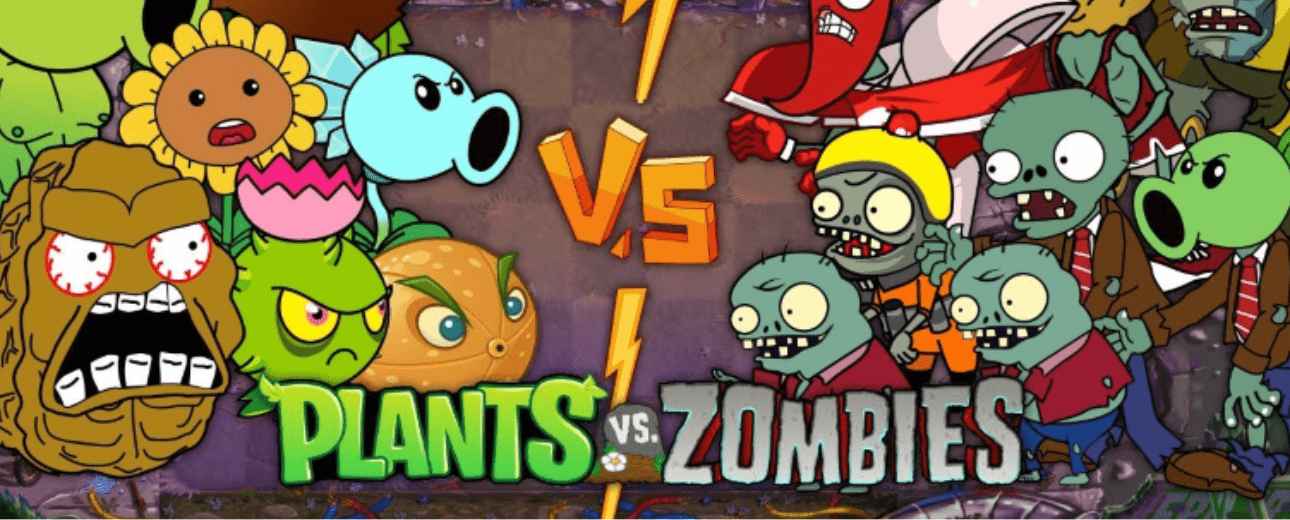
If you’ve ever dreamed of defending your lawn from the zombie apocalypse with LEGO bricks, you’re not alone. The intersection of Plants vs. Zombies and LEGO has been a topic of passionate discussion in both communities for years now, and the enthusiasm shows no signs of slowing down. This beloved tower defense game that captured millions of hearts has inspired some of the most creative fan builds in the LEGO community, while simultaneously being one of the most requested official collaborations that has yet to fully materialize.
The journey of Plants vs. Zombies in the LEGO world is fascinating because it represents the power of fan creativity meeting corporate realities. We’ve seen incredible custom builds, LEGO Ideas submissions that generated massive support, and ongoing speculation about whether an official product line could ever happen. For fans of both franchises, this ongoing saga is part frustration, part hope, and entirely captivating. Whether you’re a longtime fan who’s been following this story for years or someone just discovering the possibilities, there’s a lot to unpack about where we’ve been and where we might be going.
The Plants vs. Zombies Phenomenon: Why It’s Perfect for LEGO?
Before diving into the LEGO-specific journey, it’s worth understanding why Plants vs. Zombies feels like such a natural fit for brick-building in the first place. The game, originally created by PopCap Games and later acquired by Electronic Arts, became a cultural phenomenon when it launched in 2009. Its simple yet addictive gameplay combined with quirky humor, memorable characters, and surprising strategic depth made it accessible to players of all ages while maintaining enough complexity to keep hardcore gamers engaged for hundreds of hours.
The visual design of Plants vs. Zombies is inherently LEGO-friendly. Each plant and zombie has a distinctive, blocky silhouette that translates beautifully to brick form. The Peashooter with its bulbous head and long stem, the Sunflower with its cheerful face and bright petals, the Wall-nut with its stoic expression and defensive posture—these characters practically beg to be built with LEGO. Similarly, the zombies with their shambling poses, cone heads, bucket helmets, and newspaper shields offer endless opportunities for creative minifigure customization and accessory design.
The Grid-Based Gameplay That Matches LEGO’s DNA
The game’s grid-based layout is another element that makes it perfect for LEGO adaptation. The iconic suburban lawn where most battles take place is essentially a five-by-nine grid where players strategically place their plant defenders. This structured layout mirrors the systematic, building-block approach that LEGO sets naturally employ. You can almost imagine official LEGO instructions guiding you to create each lawn square, complete with grass tiles, pathways, and the all-important sunlight collection mechanics.
The modular nature of the game’s design philosophy aligns perfectly with how LEGO sets are traditionally constructed. Each plant occupies a specific square, zombies advance in defined lanes, and the entire battlefield operates on clear spatial rules. This organizational system translates seamlessly to physical brick building, where baseplates can represent the lawn, tiles can mark individual planting spots, and the whole experience can be expanded or reconfigured based on the builder’s preferences and available pieces.
Family-Friendly Tone Meets LEGO Values
Beyond the aesthetics, Plants vs. Zombies carries a sense of wholesome fun that aligns perfectly with LEGO’s family-friendly brand values. Despite being about a zombie invasion, the game never feels genuinely scary or inappropriate for younger audiences. The cartoonish art style, silly sound effects, and tongue-in-cheek humor create an atmosphere that’s more comedic than horrific. This tonal balance makes it an ideal candidate for LEGO licensing, appealing to both kids who love building and playing and adults who appreciate the nostalgia and strategic elements.
The game’s educational elements also shouldn’t be overlooked when considering LEGO compatibility. Plants vs. Zombies teaches resource management, strategic planning, and problem-solving through its gameplay mechanics. Players must decide where to place limited resources, plan ahead for zombie waves, and adapt strategies when plans don’t work. These same cognitive skills are developed through LEGO building, where children learn spatial reasoning, follow complex instructions, and solve structural challenges. The synergy between what both properties teach makes this partnership feel almost inevitable.
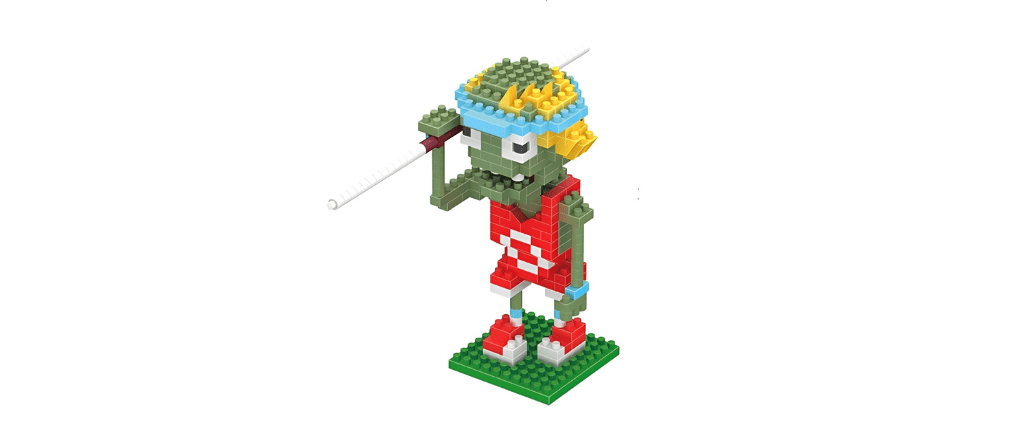
The LEGO Ideas Journey: A Story of Hope and Heartbreak
The most significant chapter in the Plants vs. Zombies LEGO story revolves around submissions to the LEGO Ideas platform. For those unfamiliar, LEGO Ideas is a community-driven initiative where fans can submit their own LEGO set designs for consideration. If a project receives 10,000 supporters within a certain timeframe, it enters a review phase where LEGO officially evaluates whether to produce it as a commercial set. This platform has given us beloved sets like the NASA Apollo Saturn V, the Medieval Blacksmith, and many others.
Plants vs. Zombies has been submitted to LEGO Ideas multiple times over the years, and several of these submissions have achieved the coveted 10,000 supporter milestone. This demonstrates the incredible enthusiasm within both the LEGO and Plants vs. Zombies communities for seeing an official collaboration. The designs that reached review status typically featured highly detailed lawn diorama setups, multiple plant and zombie characters, and clever building techniques that captured the game’s essence in brick form.
The Projects That Captured Our Hearts
One particularly notable submission showcased a complete backyard battlefield with detachable plant pots, buildable zombies with interchangeable accessories, and even a sun-collection mechanic using transparent yellow pieces. The creator had clearly spent countless hours perfecting the design, balancing playability with display appeal, and ensuring that the build captured both the strategy of the game and the charm of its characters. The level of detail included elements like Dave’s crazy neighbor character, the iconic lawnmower last line of defense, and even nighttime variants with mushroom plants.
Another submission that gained significant traction focused on a more compact, affordable design that would appeal to younger builders and parents concerned about price points. This version emphasized the core gameplay loop with just the essential plants and zombies, creating what could have been a perfect starter set. The builder’s approach to making the plants structurally sound while maintaining their recognizable appearances demonstrated real engineering skill and understanding of LEGO’s design principles.
The Disappointment of Rejection
However, despite achieving the required support and entering official review, these Plants vs. Zombies projects have consistently not been selected for production by LEGO. The reasons for this rejection have never been fully disclosed, but speculation within the community points to several possible factors. Licensing complications with Electronic Arts, concerns about the zombie theme fitting LEGO’s brand guidelines, or simply competition from other projects in the same review period could all have played roles in the decision.
What makes the repeated rejections particularly frustrating for fans is the clear demand demonstrated by the support numbers. When thousands of people actively click to support a project and potentially commit to purchasing it, that represents genuine market interest. The Plants vs. Zombies submissions didn’t just barely scrape by with 10,000 supporters; some of them gained support quickly and enthusiastically, suggesting a hungry audience waiting for these products.
The LEGO Ideas team has occasionally provided feedback on why certain projects don’t move forward, citing factors like existing product line conflicts, timing issues, or challenges in translating the design to mass production. For Plants vs. Zombies specifically, one could imagine concerns about the zombie theme, even though LEGO has produced monster-themed sets in lines like Monster Fighters and Hidden Side. The difference might be that those were LEGO’s own intellectual properties rather than licensed characters explicitly called zombies.

Fan-Created Dioramas: Where Creativity Blooms
While waiting for official LEGO recognition, the fan community has taken matters into their own hands with some absolutely spectacular custom builds. Searching through platforms like YouTube, Instagram, Reddit, and dedicated LEGO forums reveals an impressive collection of Plants vs. Zombies dioramas that showcase the incredible talent and dedication of builders worldwide. These fan creations range from simple vignettes to massive, multi-level displays that capture entire levels from the game.
One common approach in fan dioramas is creating a modular lawn system where individual squares can be rearranged or removed. This allows builders to recreate different game scenarios, swap out plants and zombies for different strategic setups, and keep their displays fresh and interesting over time. The modular design also makes these builds more practical for display purposes, as sections can be added or removed based on available space.
Innovative Plant Building Techniques
The plant characters themselves have been interpreted in countless creative ways by different builders. Some prefer a minifigure-scale approach where plants are built to match the size of standard LEGO minifigures, making them easy to integrate with existing LEGO collections. Others go for larger, more detailed builds that prioritize accuracy to the game’s art style over compatibility with minifigure scale. Both approaches have their merits, and the variety in the community means there’s inspiration for builders of all skill levels and preferences.
Some fan builders have created incredibly intricate versions of specific plants that deserve special recognition. The Sunflower builds often feature bright yellow petals constructed using a variety of techniques, from simple plate arrangements to complex petal shapes using curved slopes and specialized pieces. The cheerful face is typically rendered using printed tiles or careful stud placement, capturing that iconic smile that makes Sunflowers so beloved in the game. Many builders incorporate transparent yellow studs or bricks to represent the sun production mechanic, creating a visual callback to the gameplay even in static display.
The Peashooter presents an interesting building challenge because of its elongated stem and bulbous head. Talented builders have used Technic connectors, flexible tubing elements, and creative stacking techniques to achieve the right proportions. Some versions even include a launching mechanism using spring-loaded shooters or flick-fire missiles, allowing the LEGO Peashooter to actually launch projectiles just like in the game—a playability feature that would be amazing to see in an official set.
Complex Builds for Advanced Plants
More complex plants like the Chomper require advanced building techniques to capture their venus flytrap-like appearance and snapping jaw mechanism. Fan builders have incorporated hinges, ball joints, and clever part usage to create Chompers that can actually open and close their mouths. The rich green coloring typically uses various shades of green bricks to add depth and visual interest, while the interior of the mouth might feature red or pink pieces to represent the plant’s carnivorous nature.
The Tall-nut and Wall-nut defensive plants showcase how builders approach the challenge of creating sturdy-looking structures that also appear friendly and approachable. These builds often use brown and tan bricks to simulate wood grain or nutshell texture, with careful attention to the grain patterns and structural lines that make these plants recognizable. The faces require particular care, as the stoic, determined expressions of these defensive plants are central to their character.
Cherry Bomb builds demonstrate creativity in representing explosive plants. Some builders use transparent red and orange pieces to create flame effects that can be attached or removed, while others build the twin cherries with internal structure that allows them to be positioned in different ways. The fuses connecting the cherries are typically represented with thin black pieces or string elements, capturing that cartoon dynamite aesthetic from the game.
Zombie Army Construction
The zombie side of fan dioramas is equally impressive. Basic zombies are relatively straightforward to create using standard LEGO minifigures with custom printing or stickers for the tattered clothes and characteristic zombie appearance. However, specialized zombies like the Buckethead Zombie, Football Zombie, and Dancing Zombie require more creative solutions. Builders have crafted tiny LEGO buckets, miniature football gear, and even disco outfits to equip their zombie minifigures with game-accurate accessories.
The Gargantuar zombie presents a unique challenge due to its massive size compared to regular zombies. Fan builders have approached this in various ways, from creating larger-scale brick-built figures to using LEGO’s bigfig mold as a base and adding custom elements. Some impressive builds stand over a foot tall, using advanced building techniques to create articulated limbs and the characteristic telephone pole weapon that Gargantuars carry.

Large-Scale Display Projects That Push Boundaries
The most ambitious fan projects attempt to recreate entire levels from Plants vs. Zombies, complete with multiple rows of lawn, various plant defenders, waves of approaching zombies, and even environmental details like the house in the background. These massive dioramas can contain thousands of pieces and take weeks or months to complete. The result is a stunning display piece that captures the essence of gameplay while showcasing the builder’s technical skills and creative vision.
Some builders incorporate lighting elements into their dioramas, using LEGO’s light brick system or third-party LED solutions to illuminate Sunflowers, show Puff-shrooms glowing at night, or create dramatic spotlighting effects. The addition of lighting transforms these builds from static displays into dynamic scenes that truly come alive, especially in darkened room settings where the lights can shine most effectively.
Stop-Motion Animation and Digital Content
The dedication shown by these fan builders extends beyond just construction. Many create detailed photo shoots of their finished dioramas, staging zombie invasions, plant defenses, and action scenes that tell visual stories. Some even produce stop-motion animation videos recreating actual gameplay moments or creating original scenarios within the Plants vs. Zombies universe. These videos often go viral within the community and introduce new people to the possibility of Plants vs. Zombies LEGO builds.
One particularly impressive stop-motion series on YouTube follows a narrative where the homeowner must progressively upgrade their defenses as zombie waves become more challenging, directly mirroring the game’s progression system. The creator painstakingly repositions plants and zombies frame by frame, creating smooth animation that brings the LEGO builds to life in a way that static images cannot achieve. These projects require hundreds of hours of work but generate tremendous engagement and enthusiasm within both the LEGO and Plants vs. Zombies communities.
Community Collaboration and Shared Builds
Some fan projects take the form of collaborative community builds where multiple builders contribute sections or characters to a larger display. These group efforts, often coordinated through online forums or local LEGO user groups, allow participants to pool resources and expertise while creating something far more ambitious than any individual could manage alone. The results showcase diverse building styles united by a common theme and passion for Plants vs. Zombies.
At LEGO conventions and exhibitions, Plants vs. Zombies dioramas frequently appear as standout attractions. The colorful, immediately recognizable characters draw attention from casual attendees while the building quality impresses serious AFOL (Adult Fans of LEGO) collectors. These public displays serve the important function of demonstrating to LEGO representatives and other industry professionals that there’s genuine interest in official products, as the crowds gathering around fan builds speak louder than online petitions ever could.

Custom Minifigures and the Third-Party Market
The custom LEGO minifigure market has embraced Plants vs. Zombies enthusiastically, with several third-party manufacturers producing unofficial minifigures and accessories specifically designed for fans of the game. While these aren’t official LEGO products, they’re created to be compatible with LEGO bricks and minifigures, allowing fans to populate their MOCs (My Own Creations) with recognizable characters from the game.
These custom minifigures typically feature pad printing or waterslide decals that capture the distinctive artwork of Plants vs. Zombies zombies. You can find minifigures representing all the classic zombie types: the regular zombie with tattered clothing, the Conehead Zombie with its orange traffic cone, the Buckethead Zombie with its galvanized steel protection, and many others. Some manufacturers have even created minifigures for more obscure zombie types like the Snorkel Zombie, Dolphin Rider Zombie, and the imposing Gargantuar.
Plant Character Representation Challenges
For the plants, custom manufacturers face the challenge that plants don’t easily fit the standard minifigure format. Some have created tiny buildable plant figures designed to match minifigure scale, while others produce printed tiles or stickers that can be applied to custom LEGO builds. A few ambitious manufacturers have developed completely custom molds for plant characters, though these stray further from being purely LEGO-compatible. The variety of approaches reflects the creative problem-solving required to represent non-humanoid characters in a minifigure-based system.
Specialized accessory manufacturers have developed LEGO-compatible plants using injection molding to create custom pieces. These might include pre-formed Peashooter heads, Sunflower petals, or Wall-nut bodies that attach to standard LEGO elements. While technically not official LEGO pieces, they maintain compatibility and quality standards that allow them to integrate seamlessly into builds. The availability of these specialized pieces has significantly expanded what’s possible for builders creating Plants vs. Zombies content.
Quality Considerations and Sourcing
It’s worth noting that while custom minifigures and parts fill a gap left by the absence of official LEGO Plants vs. Zombies products, they exist in a legal gray area regarding intellectual property rights. These products use EA’s Plants vs. Zombies intellectual property without licensing, which technically infringes on copyright and trademark protections. However, the small scale of most custom minifigure operations and the niche market they serve means they typically fly under the radar of large corporations.
For fans and builders, custom parts offer a practical solution for creating Plants vs. Zombies LEGO content without having to design and print every element themselves. The quality can vary significantly between manufacturers, with some producing excellent pad printing that rivals official LEGO quality, while others might have alignment issues, fading, or poor color matching. Reading reviews and seeing example photos before purchasing is essential for getting satisfactory custom parts. Communities on Reddit and specialized forums often share recommendations for reputable sellers and warn against low-quality producers.
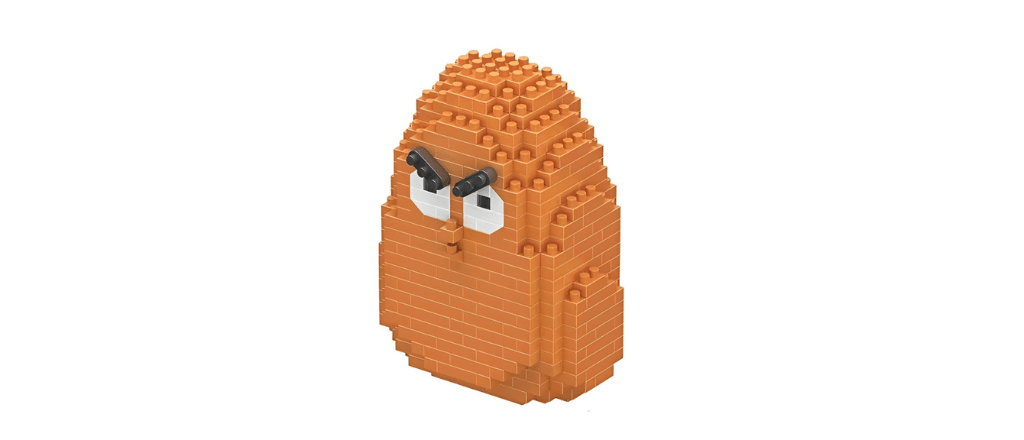
What Official LEGO Sets Could Look Like?
Imagining what official LEGO Plants vs. Zombies sets might contain is a favorite pastime for fans of both franchises. Based on LEGO’s design philosophy for other licensed properties and the natural elements of the game, we can speculate about potential product lines that would make sense from both creative and commercial perspectives.
A starter set would likely focus on the classic backyard lawn setting, probably representing a three-by-five grid to keep the price point accessible while still offering meaningful gameplay. This set would include essential plants like Peashooter, Sunflower, and Wall-nut, along with a selection of basic zombies. The build would feature grass tiles, a pathway for the zombies to shamble along, and possibly the iconic lawnmower as a last-ditch defense mechanism. Priced around forty to sixty dollars, this set would serve as an entry point to the theme while providing enough content to feel substantial and playable.
Core Set Concepts and Price Points
A deluxe set could expand to the full five-by-nine lawn with additional rows and more diverse plant and zombie selection. This might include special plants like Cherry Bomb, Potato Mine, and Snow Pea, while the zombie roster could expand to include Conehead, Buckethead, and Pole Vaulting zombies. At a higher price point of eighty to one hundred twenty dollars, this set would appeal to serious fans and collectors wanting a comprehensive Plants vs. Zombies LEGO experience. The build could incorporate interactive elements like a sun collection tray, removable plant pots for strategic repositioning, and perhaps even a buildable Crazy Dave character with his signature cooking pot hat.
The design philosophy would likely mirror successful LEGO gaming sets like the Super Mario line, incorporating interactive play features that bring the digital gameplay into physical form. Imagine trigger mechanisms that let Peashooters actually launch small projectile pieces, pressure plates that activate Cherry Bomb explosions using spring-loaded elements, or a sun generation system using transparent yellow pieces that can be collected and counted. These features would transform the set from a static display into an active, engaging play experience.
Environment-Specific Expansion Sets
Beyond the basic lawn defense sets, LEGO could develop environment-specific expansions representing different worlds from the game. A nighttime set could feature mushroom plants like Puff-shroom, Sun-shroom, and Doom-shroom, with glowing elements and darker color schemes to represent the moonlit battlefield. The zombie roster would include their nighttime variants, and the build could incorporate translucent blue pieces to create that characteristic nighttime atmosphere. This set might include glow-in-the-dark elements or battery-powered LEDs to enhance the nighttime theme.
A pool level set would be particularly interesting from a building perspective, incorporating transparent blue bricks to represent water while including aquatic plants like Lily Pad, Tangle Kelp, and Cattail. The zombies would need Ducky Tube zombies and Snorkel zombies, with perhaps a buildable Dolphin as well. This set would offer unique building techniques and play features involving the water element that would distinguish it from the standard lawn sets. The structural challenge of creating stable “water” sections using transparent pieces would showcase LEGO’s engineering excellence.
Vertical Building: Rooftop Challenges
The rooftop levels from the game could translate into a vertical building challenge, with sloped roof tiles and flowerpots instead of ground-based planting. This would require a different structural approach, potentially creating a buildable house structure with an accessible roof section. Pot-based plants and the Cabbage-pult would be essential inclusions, while zombies would feature the Bungee Zombie and Ladder Zombie that are specific to rooftop levels. The set could incorporate hinged sections that allow the roof to be angled for optimal viewing and playing angles, demonstrating how LEGO excels at creating builds with multiple configuration options.
Ancient Egypt, Pirate Seas, and other themed worlds from Plants vs. Zombies 2 offer additional opportunities for visually distinct sets. An Ancient Egypt set could feature pyramid structures, mummy zombies, and era-specific plants like the Bloomerang. The Pirate Seas set could include a buildable pirate ship section, plank-walking zombies, and aquatic plants adapted for saltwater. These themed expansions would provide variety in the product line and allow LEGO to showcase different building techniques and color palettes appropriate to each setting.

Collectible Elements and Expansion Packs
LEGO could also release smaller, affordable booster packs similar to their collectible minifigure series but themed around Plants vs. Zombies. These might include individual zombies or plants in blind bags, encouraging collecting and trading while keeping individual purchase prices low. This approach would allow LEGO to release a wider variety of characters than could feasibly fit in larger sets, appealing to completionist collectors who want every plant and zombie variant.
Alternatively, themed packs could group related characters together. A “Heavy Hitters” pack might include Chomper, Jalapeno, and Squash plants alongside Gargantuar, Catapult Zombie, and Football Zombie. A “Support Team” pack could feature Sunflower, Marigold, and Coffee Bean with Dancing Zombie and his backup dancers. These curated packs would tell mini-stories and create interesting display or play combinations while remaining affordable as impulse purchases or gifts.
Premium Collector Sets
The iconic Dr. Zomboss would certainly deserve his own set, probably featuring a buildable Zombot or another of his contraptions. This would be a premium set aimed at serious collectors, potentially incorporating advanced building techniques, electronic elements, and a highly detailed Dr. Zomboss minifigure. Such a set could serve as the crown jewel of a Plants vs. Zombies LEGO line, similar to how large villain sets anchor other licensed themes. The Zombot mech could stand over twelve inches tall with articulated limbs, opening cockpit, and launching missiles that recreate boss battle mechanics from the game.
A Zen Garden set could appeal to builders interested in more peaceful, display-oriented builds rather than action-focused playsets. This could feature a variety of plants in decorative pots, a buildable greenhouse structure, and the snail character from the game. The set would emphasize the collecting and nurturing aspects of Plants vs. Zombies rather than the combat, providing a different angle on the franchise that might appeal to builders who appreciate LEGO’s Botanical Collection or similar decorative sets.

The Business Case: Why LEGO Should Embrace Plants vs. Zombies?
From a purely commercial perspective, there are compelling reasons why LEGO should seriously consider an official Plants vs. Zombies collaboration. The franchise, despite being over fifteen years old, maintains impressive brand recognition and ongoing player engagement. Plants vs. Zombies 2 continues to be downloaded millions of times annually, the Garden Warfare shooter series has a dedicated fanbase, and various mobile iterations keep the brand active in the gaming marketplace. This sustained popularity provides confidence that the license wouldn’t be a flash-in-the-pan trend but rather a stable property with long-term potential.
The demographic overlap between LEGO consumers and Plants vs. Zombies players is significant. The game appeals to children, teenagers, and adults who appreciate its strategic depth, humor, and accessible gameplay. Similarly, LEGO has successfully expanded beyond its traditional child-focused market to capture adult collectors and hobbyists. A Plants vs. Zombies LEGO line could effectively bridge these audiences, offering something that kids would enjoy playing with while adults would appreciate building and collecting.
Proven Success with Gaming Licenses
LEGO’s recent success with video game licenses like Super Mario, Minecraft, and Overwatch demonstrates the viability of gaming properties in brick form. The Super Mario sets in particular share some interesting parallels with what Plants vs. Zombies sets could offer: interactive play features, collectible character elements, expandable environments, and appeal across multiple age groups. If Nintendo and LEGO can create a successful partnership around Mario, there’s no obvious reason why EA and LEGO couldn’t do the same with Plants vs. Zombies.
The Minecraft partnership has proven particularly instructive, showing how a game with simple blocky graphics can translate into sophisticated LEGO sets that appeal to builders of all ages. Minecraft LEGO has been a consistent seller for years, demonstrating that gaming licenses can have staying power beyond initial novelty. Plants vs. Zombies has similar potential for sustained appeal rather than being a one-wave gimmick, especially if LEGO commits to regular releases that explore different aspects of the game.
Market Positioning and Portfolio Diversification
The LEGO gaming portfolio currently focuses heavily on action-adventure and construction-based games. Adding Plants vs. Zombies would introduce a tower defense strategy game into the mix, diversifying the gaming licenses and potentially attracting fans who aren’t interested in the more combat-focused properties. This strategic diversity could strengthen LEGO’s overall gaming segment and reduce dependence on any single license while demonstrating that LEGO can successfully adapt various gaming genres.
The competitive landscape in the building toy market also factors into the equation. While LEGO dominates the brick-building category, competitors like Mega Construx have secured licenses for properties like Pokémon and Halo. If a competitor were to secure Plants vs. Zombies licensing, it could represent a lost opportunity for LEGO. Being proactive about securing desirable gaming licenses helps maintain LEGO’s market leadership position and prevents competitors from gaining footholds with popular properties.

Retail and Marketing Advantages
From a retail perspective, Plants vs. Zombies sets would likely perform well on store shelves. The colorful plants and quirky zombies would create visually appealing packaging that stands out in the toy aisle. The recognizable characters would help parents and gift-givers immediately understand what they’re purchasing, reducing the risk that often comes with less-established licenses. Retailers appreciate properties that have built-in name recognition and proven fan engagement, as these factors translate to reliable sales performance and reduced need for heavy marketing investment.
The cross-promotional opportunities between LEGO and EA could benefit both companies. EA could feature LEGO Plants vs. Zombies sets in their games through special events, unlockable content, or promotional tie-ins. LEGO could leverage EA’s massive player base to market sets directly to engaged fans through in-game advertising, social media campaigns, and collaborative content. This synergy between digital and physical products creates value for both partners and provides multiple touchpoints for reaching target audiences.
Seasonal marketing opportunities abound with Plants vs. Zombies. The zombie theme makes these sets perfect for Halloween promotions, potentially driving sales during a key retail period when parents are shopping for gifts and decorations. The garden and plant aspects work well for spring marketing campaigns. The year-round playability ensures these wouldn’t be limited to seasonal sales windows, providing consistent revenue throughout the year.

Challenges and Realistic Obstacles
Despite the strong case for Plants vs. Zombies LEGO sets, there are legitimate challenges that explain why we haven’t seen official products yet. Understanding these obstacles helps temper expectations while also suggesting potential paths forward that might overcome current barriers.
The zombie theme itself presents brand perception concerns for LEGO. While the company has produced monster-themed sets including zombies in various forms, there’s a difference between LEGO’s own original zombie characters and licensing a property explicitly focused on zombie apocalypse themes. LEGO is protective of its family-friendly image and might worry that Plants vs. Zombies, despite its cartoonish presentation, could push boundaries in ways that make parents uncomfortable or generate negative publicity from groups concerned about age-appropriate content.
Licensing Complexity with Electronic Arts
Licensing negotiations with Electronic Arts could also be complex. EA is a massive corporation with its own interests, licensing standards, and approval processes. Reaching an agreement that satisfies both EA’s requirements for how their property is represented and LEGO’s standards for design, quality, and brand fit might be more challenging than negotiations with smaller license holders. Additionally, EA might have existing licensing agreements for Plants vs. Zombies merchandise that create exclusivity issues or complicate new partnerships. The legal and financial terms required to satisfy both corporate entities could prove difficult to navigate.
The approval process for licensed products can be extensive, with multiple rounds of design review required from the license holder. EA would likely want to ensure that any LEGO sets accurately represent their intellectual property while meeting their quality standards. This could mean lengthy development cycles, frequent design revisions, and ultimately higher costs that make the partnership less attractive from a financial perspective. LEGO has walked away from potential licenses before when the approval process became too cumbersome or when license holders demanded too much control over final designs.
Technical Design Challenges
From a pure design standpoint, creating Plants vs. Zombies sets that satisfy LEGO’s quality standards could be technically demanding. The plants, in particular, don’t conform to standard LEGO building conventions. Creating buildable plants that are recognizable, structurally sound, and playable requires innovative part usage and design approaches. LEGO might need to develop new elements or printing techniques specifically for this license, which increases development costs and timeline while potentially creating inventory challenges if the sets don’t sell as expected.
The gameplay integration that would make Plants vs. Zombies sets special also presents challenges. How do you translate the strategic tower defense mechanics into physical LEGO play? Simply creating static dioramas wouldn’t fully capture the spirit of the game. Incorporating launching mechanisms for Peashooters, explosive effects for Cherry Bombs, and defensive strength for Wall-nuts requires mechanical solutions that add complexity to the builds and potentially raise price points beyond what the market will bear for these types of sets.

Timing and Market Considerations
Market timing could also be a factor in LEGO’s decision-making. While Plants vs. Zombies maintains ongoing popularity, it’s not experiencing the same cultural moment it had during its initial release and peak popularity years. LEGO typically prefers to license properties that are either currently trending or have timeless, multi-generational appeal. Plants vs. Zombies falls somewhere in between, which might make it less attractive than newer gaming phenomena or classic franchises with decades of history.
The competitive assessment of other potential licenses might simply show that LEGO has better opportunities elsewhere. With limited design resources and production capacity, LEGO must prioritize which licenses to pursue. If market research suggests that properties like Pokémon, Zelda, or other gaming franchises would generate higher sales or better brand synergy, Plants vs. Zombies might consistently lose out in internal prioritization discussions despite having a dedicated fanbase.

Community Efforts and Grassroots Support
The passion of the fan community continues to drive conversation about Plants vs. Zombies LEGO possibilities. Online communities on Reddit, Discord, and specialized LEGO forums regularly discuss the topic, share new fan builds, and coordinate support for LEGO Ideas submissions. This grassroots enthusiasm keeps the dream alive and demonstrates ongoing interest to both LEGO and EA. Communities like r/lego and r/PlantsVSZombies frequently feature crossover content that generates hundreds of upvotes and engaged discussions.
Social media campaigns periodically emerge where fans tag LEGO and EA accounts, requesting official sets and sharing concepts for what they’d like to see. While corporate social media teams rarely make licensing commitments in response to such campaigns, they do monitor fan sentiment and requests. Sustained, passionate advocacy from the community could eventually factor into corporate decision-making about whether to pursue a collaboration.
The Power of Fan Content Creation
The continued creation and sharing of high-quality fan builds serves multiple purposes. It demonstrates that Plants vs. Zombies concepts work beautifully in LEGO form, provides inspiration for other builders, and keeps the conversation active within the broader LEGO community. Each impressive fan diorama that gets shared widely on social media is essentially free marketing that shows the potential of an official product line. When builders at conventions report that their Plants vs. Zombies displays generate more interest and questions than almost any other MOCs they’ve created, that signals genuine public appetite for these products.
Content creators on YouTube and Instagram have built entire channels around LEGO gaming builds, and Plants vs. Zombies features prominently in their content. These creators generate millions of views collectively, exposing the concept to audiences who might not be active in traditional LEGO forums. The reach of influencer marketing shouldn’t be underestimated; when major LEGO YouTubers create Plants vs. Zombies content, they’re demonstrating demand to LEGO in ways that the company’s market research teams definitely notice and track.
Organized Advocacy Efforts
For individuals who want to see official Plants vs. Zombies LEGO sets become reality, there are several constructive actions to consider. Supporting quality submissions on LEGO Ideas when they appear is the most direct path, as achieving the 10,000 supporter threshold forces LEGO to formally review the concept. Even if individual submissions haven’t been selected so far, consistent strong performance of Plants vs. Zombies projects signals persistent demand that becomes harder to ignore over time.
Engaging respectfully with both LEGO and EA on social media and through official feedback channels helps keep the request on their radar. Rather than demanding or complaining, framing the request as enthusiastic interest and explaining why the collaboration would be mutually beneficial is more likely to be well-received. Companies appreciate fans who understand the business considerations and can articulate clear value propositions rather than simply asserting that products should exist because fans want them.

Alternative Paths and Workarounds
If official LEGO sets remain elusive, there are other possibilities that could scratch the Plants vs. Zombies building itch for fans. Digital building software like BrickLink Studio allows fans to design their ideal Plants vs. Zombies sets virtually, creating instructions that can be shared with the community. While this doesn’t provide physical builds, it enables creative expression and design exploration without the cost of physical bricks. Many builders use digital design as a prototyping tool before committing to purchasing pieces for actual construction.
The custom parts market will likely continue evolving and improving, offering better quality Plants vs. Zombies minifigures and elements. As 3D printing technology becomes more accessible and higher quality, fans might eventually be able to print their own Plants vs. Zombies LEGO-compatible pieces at home, though this raises intellectual property considerations that individual builders must navigate responsibly. The intersection of 3D printing and LEGO building represents an emerging frontier that could democratize custom content creation.
Third-Party Building Systems
Another possibility is that EA might license Plants vs. Zombies to a different building toy manufacturer if LEGO remains uninterested. While most fans would prefer LEGO, sets from Mega Construx, K’NEX, or another competitor would still offer physical building experiences with official licensing. This would be a bittersweet outcome but would at least provide some official products for fans to collect. The quality and building experience might differ from LEGO, but for devoted Plants vs. Zombies fans, official products in any building system might be preferable to no products at all.
Some fans have explored creating hybrid builds that incorporate LEGO bricks with other construction toys or craft materials. While purists might prefer all-LEGO creations, the combination of LEGO structural building with sculpted foam, 3D printed elements, or craft supplies for details can produce impressive results. These mixed-media approaches offer creative freedom that purely brick-based builds sometimes constrain, allowing for more organic plant shapes or detailed zombie features.
Brick-Built Instructions and MOC Community
The MOC (My Own Creation) instruction community on sites like Rebrickable offers another avenue for fans. Talented designers create and sell detailed building instructions for Plants vs. Zombies builds, allowing other fans to recreate impressive designs without having to engineer them from scratch. This sharing economy within the LEGO community helps spread great builds while supporting creators who invest time in developing high-quality designs. Many of these instruction sets include parts lists that make ordering necessary bricks straightforward through BrickLink or LEGO’s Pick a Brick service.
Community brick marketplaces have made it easier than ever to source specific pieces for custom builds, reducing one of the traditional barriers to creating elaborate MOCs. BrickLink connects buyers with sellers worldwide, offering access to virtually every LEGO piece ever produced. For Plants vs. Zombies builders, this means finding the exact colors, slopes, and specialty pieces needed to accurately represent plants and zombies, even if those specific combinations never appeared in official sets.
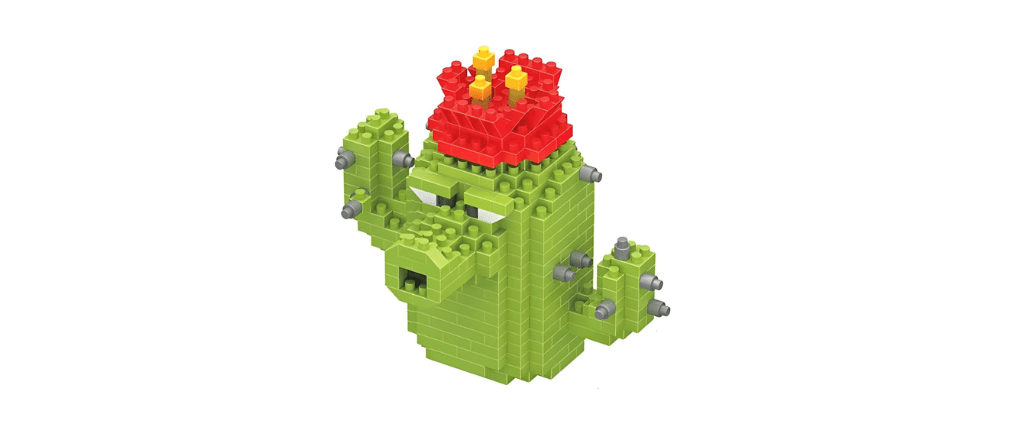
The Future: Reasons for Continued Hope
Despite the setbacks and challenges, there are legitimate reasons for Plants vs. Zombies fans to maintain hope for official LEGO recognition. The gaming landscape continues evolving, and properties that seemed unlikely for LEGO have eventually made it into production. The Overwatch sets, for example, came from a first-person shooter—a genre that might have seemed incompatible with LEGO’s brand before they successfully adapted it with bright colors and character-focused designs rather than emphasizing weapons and combat.
LEGO’s increasing willingness to explore diverse licenses and adult-oriented products suggests the company is more open than ever to partnerships that might have been rejected in the past. The success of sets aimed at adult collectors shows that LEGO understands its market extends beyond children’s toys. Plants vs. Zombies, with its multi-generational appeal and strategic gameplay, fits well within this expanded understanding of LEGO’s audience and could potentially be positioned as an adult-oriented collectible line similar to sets based on classic video games.
Industry Trends Favoring Gaming Licenses
The broader trend in the toy industry increasingly recognizes gaming properties as valuable licenses with dedicated fanbases willing to spend on physical merchandise. As gaming becomes more mainstream and socially accepted across all age groups, the stigma that might have once limited gaming licenses has largely evaporated. LEGO has clearly recognized this trend with their investments in gaming properties, and Plants vs. Zombies represents an opportunity to capture a slightly different demographic than their current gaming portfolio serves.
The enduring popularity of the LEGO Ideas platform means there will always be opportunities for new Plants vs. Zombies submissions. Each iteration learns from previous attempts, potentially getting closer to a design that overcomes LEGO’s previous objections. The right concept, presented at the right time, could finally break through and achieve official approval. Perhaps a design that emphasizes the garden and plant aspects while downplaying the zombie elements, or one that perfectly captures a play mechanic that LEGO’s design team finds irresistible, could be the breakthrough that changes everything.
Potential Catalysts for Change
A Plants vs. Zombies 3 release or major franchise revival could reignite mainstream interest and make the property more attractive for licensing. If EA invests heavily in relaunching the franchise with modern graphics, expanded gameplay, and aggressive marketing, LEGO might reconsider the timing and market potential. New game releases often coincide with merchandise pushes, and coordinating a LEGO launch with a major game release could create synergistic marketing opportunities that benefit both partners.
Changes in leadership or strategy at either LEGO or EA could also shift the dynamics that have previously prevented partnership. New executives might bring fresh perspectives on licensing opportunities, different risk tolerances, or personal appreciation for Plants vs. Zombies that influences decision-making. Corporate strategy evolves, and what didn’t make sense five years ago might become a priority under different leadership or market conditions.

Conclusion: The Garden Grows On
The story of Plants vs. Zombies and LEGO is far from over. Whether through official partnership, LEGO Ideas success, or continued fan creativity, the dream of defending your LEGO lawn from shambling brick-built zombies remains alive and well. The passion of the community, the inherent compatibility of the property with LEGO building, and the ongoing popularity of both brands suggest that some form of Plants vs. Zombies LEGO experience will continue evolving and hopefully eventually achieve official recognition.
For now, fans can celebrate the incredible custom builds, support new LEGO Ideas submissions, and keep the conversation going through social media, forums, and content creation. Every impressive fan diorama, every supportive vote on a LEGO Ideas project, and every respectful request to LEGO and EA contributes to keeping this dream viable and demonstrating that there’s a substantial audience waiting for official products. The collective voice of the community might eventually reach a tipping point where the business case becomes undeniable and both companies decide the time is right to move forward.
The plants continue photosynthesizing sun power, the zombies keep shambling toward the house, and the LEGO bricks remain ready to bring this beloved game to three-dimensional, buildable life. Whether you’re a master builder creating elaborate dioramas or a casual fan just hoping to one day buy an official set at your local store, the Plants vs. Zombies LEGO community welcomes you. Together, we’ll keep building, hoping, and defending our lawns—one brick at a time. The zombies are coming, and LEGO bricks might just be the perfect defense. We just need LEGO and EA to officially agree and make it happen. Until then, the fan community will keep the dream alive through creativity, persistence, and an unwavering belief that this collaboration would be absolutely amazing.