
 Canada
 USA
USA Japan
Japan



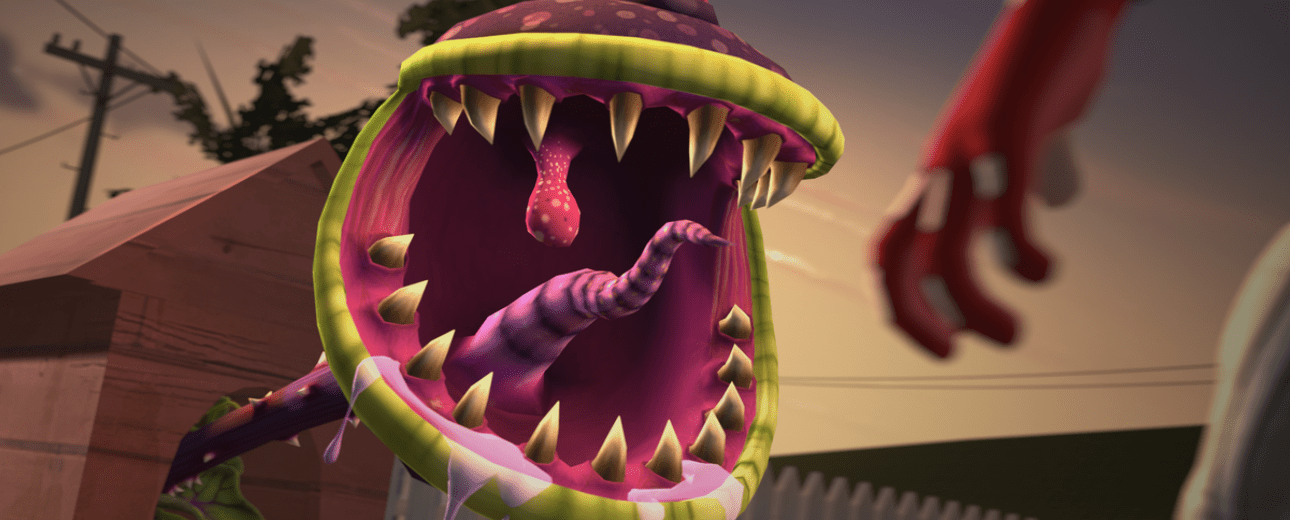
If you’ve ever watched a Chomper devour a zombie whole and wondered whether this carnivorous plant deserves a spot in your defensive lineup, you’re not alone. The Chomper has been one of the most debated plants in the Plants vs Zombies universe since the original game launched back in 2009. Some players swear by this Venus flytrap-inspired defender, while others dismiss it as too risky or situational. After spending countless hours testing Chomper across every game mode, difficulty level, and PvZ iteration, I’m here to give you the complete breakdown on whether this hungry plant is truly worth your sun investment.
The Chomper represents something unique in the Plants vs Zombies roster: a high-risk, high-reward defender that completely breaks the traditional tower defense mold. Unlike most plants that attack from a distance, Chomper gets up close and personal, swallowing zombies whole in a single bite. This aggressive playstyle creates tactical possibilities that no other plant can replicate, but it also comes with significant drawbacks that can sabotage your entire defense if used incorrectly. Understanding when, where, and how to deploy Chomper separates experienced players from beginners, and mastering this plant opens up strategies that make difficult levels suddenly manageable.
Understanding Chomper’s Core Mechanics
Before we can evaluate whether Chomper is worth using, we need to understand exactly how this plant functions and what makes it different from every other defender in your arsenal. Chomper’s mechanics are deceptively simple on the surface but contain nuances that dramatically impact its effectiveness in actual gameplay situations.
The basic attack pattern of Chomper is straightforward: when a zombie enters its tile, Chomper lunges forward and devours it whole, instantly eliminating that threat regardless of the zombie’s health pool. This instant-kill mechanic is incredibly powerful because it means Chomper can take down tough zombies like Bucketheads, Gargantuars (in some versions), and other high-health enemies that would normally require sustained firepower from multiple plants. The satisfaction of watching a heavily armored zombie disappear in one gulp never gets old, and it’s one of the reasons Chomper has such a devoted fan following.
However, this power comes with a critical downside: the digestion period. After consuming a zombie, Chomper becomes completely vulnerable for approximately forty-two seconds while it chews and swallows its meal. During this extended digestion time, Chomper cannot attack, cannot move, and essentially becomes a decorative plant taking up valuable lawn space. If additional zombies approach during this window, they’ll simply walk right past the incapacitated Chomper, potentially reaching your house before you can respond. This vulnerability window is the primary reason many players consider Chomper unreliable or too risky for serious strategies.
The range mechanics are equally important to understand. Chomper can only attack zombies that are directly in front of it, within its immediate tile. Unlike Peashooters that can hit multiple zombies in a lane or Cherry Bombs that affect a large area, Chomper’s attack is limited to a single target in melee range. This means positioning becomes absolutely critical, and you need other plants to slow or group zombies appropriately for Chomper to function effectively.
One often-overlooked aspect of Chomper’s mechanics is its interaction with different zombie types. In the original Plants vs Zombies, Chomper can instantly eliminate almost any zombie except for certain special cases. Zomboni and Catapult Zombies cannot be eaten because they’re vehicle-based rather than individual zombies. Gargantuar zombies in PvZ1 also cannot be swallowed whole, though Chomper can still damage them with bites. Understanding these exceptions prevents frustrating situations where you expect Chomper to save you from a threat it actually cannot handle.
The sun cost of Chomper is one hundred and fifty sun, which positions it in the mid-range pricing tier. This cost is significant enough that you can’t spam Chompers early in a level, but affordable enough that you can reasonably include them in most strategies once your sun production is established. Comparing this to alternatives like Squash (fifty sun) or Jalapeno (one hundred and twenty-five sun), Chomper’s permanent presence on the lawn theoretically provides ongoing value, though whether that value materializes depends entirely on your tactical deployment.
Another crucial mechanic is Chomper’s recharge time in games where it functions as a one-time-use plant rather than a permanent fixture. In Plants vs Zombies 2 and subsequent games, Chomper’s role shifts slightly, and understanding these version-specific differences is essential for evaluating its worth in each game. We’ll dive deeper into these variations later, but the core concept remains: Chomper trades reliability and consistency for raw eliminating power when used correctly.
The planting requirements also matter. Chomper cannot be planted on lily pads in pool levels in the original game, which limits its utility in aquatic scenarios. This restriction makes sense thematically but reduces Chomper’s versatility compared to plants that work in all environments. When planning your strategy, you need to account for these placement limitations and ensure you have alternative solutions for lanes where Chomper cannot be deployed.
Understanding these core mechanics is fundamental because every strategic decision about Chomper flows from these basic rules. The digestion vulnerability creates the need for careful timing and backup defenses. The instant-kill power creates opportunities for eliminating threats that would otherwise overwhelm your lawn. The sun cost and recharge dynamics determine how many Chompers you can afford and when you can deploy them. Mastering these interconnected systems transforms Chomper from a novelty plant into a precision tool.
Chomper Across Different Plants vs Zombies Games
One of the most important factors in evaluating Chomper’s worth is recognizing that this plant functions quite differently across the various Plants vs Zombies games. What works brilliantly in the original game might be terrible in PvZ2, and vice versa. Let’s break down how Chomper performs in each major installment and what that means for your strategic decisions.
Plants vs Zombies Original
In the original Plants vs Zombies, Chomper occupies a unique niche that makes it genuinely useful in specific situations while being suboptimal in others. The classic game’s pacing and zombie variety create scenarios where Chomper’s instant-elimination ability provides tangible value that’s hard to replicate with other plants.
The biggest advantage Chomper has in PvZ1 is handling Pole Vaulting Zombies and Dolphin Rider Zombies. These fast-moving zombies jump over your first line of defense, creating gaps in your formation that can quickly spiral out of control. Chomper placed behind your Wall-nuts can catch these vault-happy zombies and eliminate them instantly, preventing the breakthrough that leads to disaster. This specific use case alone justifies Chomper’s existence in Adventure Mode, especially in later levels where Pole Vaulters appear frequently.
Another strong application in the original game involves cleanup duty behind your main defensive line. Sometimes zombies break through damaged Wall-nuts or survive your primary defenses with just a sliver of health. Rather than wasting sun on additional offensive plants or risking these stragglers reaching your house, a strategically placed Chomper can mop up these survivors efficiently. The forty-two-second vulnerability matters less when you’re using Chomper as a safety net rather than a primary defender.
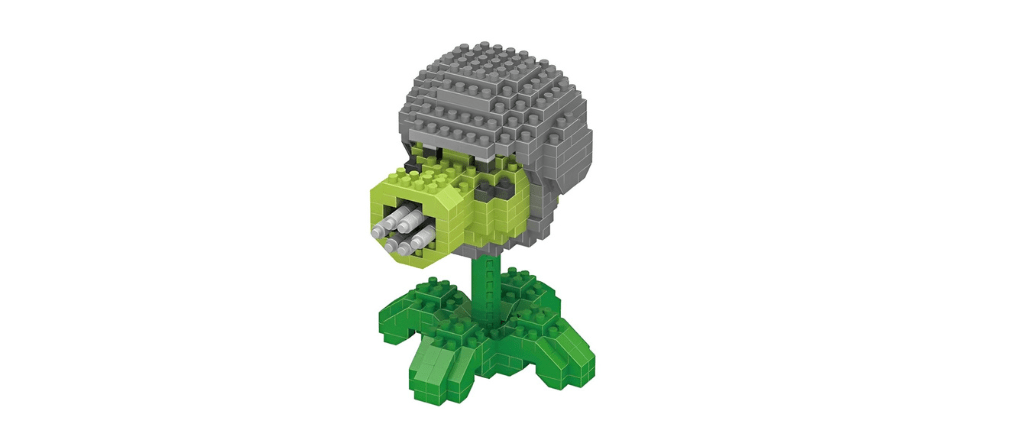
The Survival Mode is where Chomper’s value becomes more questionable in PvZ1. During the intense zombie waves of Survival Endless or even regular Survival modes, the long digestion period creates dangerous gaps in your defense. While Chomper can eliminate a Buckethead instantly, the fifteen to twenty zombies that walk past during digestion often create bigger problems than the one you just solved. Many experienced players phase Chomper out of their Survival strategies entirely, preferring consistent damage dealers like Gatling Peas or area controllers like Winter Melons.
However, Chomper finds renewed purpose in I, Zombie puzzle levels where you play as the zombies attacking plant defenses. Understanding Chomper’s limitations from the plant perspective helps you exploit those weaknesses as a zombie player, and vice versa. These puzzle modes often feature Chompers in ways that highlight both their strengths and vulnerabilities, making them excellent learning opportunities.
The mini-games in PvZ1 sometimes feature Chomper prominently, and these scenarios often showcase creative uses. Seeing Chompers in bowling-style mini-games or slot machine scenarios demonstrates the developers’ recognition that Chomper is a special-case plant rather than a general-purpose defender. These mini-games are specifically designed around Chomper’s unique mechanics, which paradoxically proves that Chomper needs special circumstances to truly shine.
Plants vs Zombies 2
Plants vs Zombies 2 fundamentally reimagined Chomper’s role, and honestly, not always for the better. The sequel’s emphasis on premium plants, plant food mechanics, and significantly harder difficulty created an environment where Chomper struggles more than in the original game.
The plant food ability does give Chomper some interesting capabilities. When fed plant food, Chomper goes on a rampage, pulling three nearby zombies into its mouth simultaneously and devouring them all. This creates a powerful emergency button that can save you from overwhelming waves, and it’s genuinely satisfying to execute. However, plant food is a limited resource, and using it on Chomper often feels wasteful compared to the devastating effects you get from feeding it to Laser Beans, Bowling Bulbs, or other high-damage plants.
One significant change in PvZ2 is that Chomper became a premium plant that players had to purchase with real money rather than earning through gameplay. This monetization decision immediately diminished Chomper’s value proposition for many players. When you’re spending actual dollars, you want plants that provide consistent, reliable performance across most levels. Chomper’s situational nature makes it a hard sell compared to more versatile premium options like Squash or the various power mints.
The difficulty scaling in PvZ2 creates additional problems for Chomper. The game throws massive zombie hordes at players with much greater frequency than the original, and having plants stuck in forty-two-second digestion periods during these rush moments is often fatal. The Zomboss fights and later world levels demand such high DPS that Chomper’s single-target elimination, impressive as it is, simply doesn’t move the needle enough to justify the lawn space and sun investment.
That said, Chomper does have some niche applications in specific PvZ2 worlds. In Ancient Egypt, where fast Mummified Zombies appear frequently, Chomper can catch stragglers before they reach your last line. In Pirate Seas, Chomper can eliminate those annoying Swashbuckler Zombies that swing across your defenses. In Wild West, Chomper can handle the Chicken Wrangler’s chickens reasonably well. However, in almost every case, there’s a more efficient plant that handles these situations better without the vulnerability window.
The Chomper costume system in PvZ2 adds visual customization but doesn’t change the fundamental mechanics that make Chomper challenging to use effectively. You can dress your Chomper in various outfits, which is fun for personalization, but it remains a plant that requires very specific tactical deployment to avoid becoming a liability.
Plants vs Zombies: Garden Warfare Series
The Garden Warfare games transform Chomper from a stationary tower defense plant into a playable character class, and this is where Chomper truly comes into its own. As a playable stealth class in third-person shooter format, Chomper’s risk-reward mechanics translate beautifully into skilled gameplay.
In Garden Warfare 1, 2, and Battle for Neighborville, Chomper plays as an assassin class with the ability to burrow underground, move quickly through the battlefield, and eliminate zombies with instant-kill chomps from behind. The digestion vulnerability becomes a tactical consideration rather than a frustrating limitation because skilled players can position themselves safely before committing to the bite. This agency transforms Chomper’s core weakness into a skill expression opportunity.
The variety of Chomper variants in Garden Warfare games showcases creative interpretations of the basic concept. Fire Chomper, Electric Chomper, Armor Chomper, Hot Rod Chomper, and others each modify the base gameplay in interesting ways. Some trade instant-kill potential for ranged attack options, while others enhance mobility or defensive capabilities. This variety means there’s probably a Chomper playstyle that suits most players, even if the base version doesn’t click.
The skill ceiling for Chomper in Garden Warfare is genuinely high. Learning to burrow effectively, mastering the goop ability to slow enemies before chomping, understanding when to retreat versus commit, and developing map awareness all separate good Chomper players from great ones. Watching expert Chomper gameplay on YouTube reveals tactics and techniques that make this class devastatingly effective in the right hands.
However, Chomper also has the highest skill floor of any Garden Warfare class, meaning new players struggle significantly. The instant-kill mechanic tempts beginners into overly aggressive plays that result in deaths, and the relatively limited ranged options mean you can’t contribute meaningfully to team fights from a distance. Many new players try Chomper, get destroyed repeatedly, and abandon the class entirely without ever discovering its potential.
Plants vs Zombies Heroes
In the collectible card game Plants vs Zombies Heroes, Chomper exists as a card with different stats and abilities than the tower defense versions. Here, Chomper is a four-sun cost plant with four attack and two health, sporting the ability to destroy any zombie it damages. This translates the instant-kill mechanic into card game terms reasonably well, though the low health makes Chomper vulnerable to removal before it attacks.
The strategic considerations in Heroes revolve around protecting Chomper long enough to use its destruction ability effectively. Cards that grant plants shields, protect them from damage, or allow them to attack immediately provide synergy. Conversely, zombie players see Chomper and immediately prioritize removing it, which can actually benefit plant players by forcing opponents to waste removal on Chomper rather than more dangerous cards.
Chomper’s viability in the meta fluctuates with balance changes and new card releases. Sometimes Chomper-based decks tier competitively, while other times the card sees zero play at high levels. The instant-kill effect is powerful enough that Chomper never becomes completely irrelevant, but whether it’s worth including in your deck depends heavily on the current competitive environment and what zombie decks you expect to face.
Strategic Applications: When Chomper Shines
Now that we understand how Chomper functions across different games, let’s explore the specific scenarios where this plant genuinely outperforms alternatives and earns its place in your strategy. These situations represent Chomper’s sweet spots where the instant-kill power overcomes the vulnerability drawbacks.
Dealing with Jump-Over Zombies
The single most compelling use case for Chomper in the original Plants vs Zombies is handling Pole Vaulting Zombies and Dolphin Rider Zombies. These mobility-focused zombies bypass your front-line defenses, creating immediate pressure on your back-line plants. While Tall-nuts can prevent vaulting, they’re expensive and sometimes unavailable or impractical for every lane.
Chomper placed one or two tiles behind your Wall-nuts creates a perfect trap for vaulting zombies. They jump over your Wall-nut, land directly in front of Chomper, and get immediately swallowed. Since Pole Vaulters and Dolphin Riders typically appear individually or in small groups rather than massive waves, Chomper’s digestion period usually isn’t overwhelmed. By the time the next vaulter arrives, your Chomper has finished its meal and reset for another elimination.
This tactic works especially well in levels 4-4 through 4-10 of Adventure Mode where Pole Vaulters become common but haven’t yet appeared in overwhelming numbers. Placing Chompers strategically in the lanes where you observe Pole Vaulters spawning most frequently provides cost-effective defense against these annoying zombies. The one hundred and fifty sun investment pays for itself quickly when the alternative is constantly replacing eaten back-line Sunflowers and Peashooters.
The pool levels create interesting dynamics because Dolphin Riders effectively become the aquatic version of Pole Vaulters. While Chomper can’t be planted on lily pads, strategic placement at the pool’s edge can catch Dolphin Riders as they emerge from the water. Alternatively, using Tangle Kelp in pool lanes while reserving Chomper for ground lanes creates a comprehensive anti-mobility strategy.
Last-Line Defense and Emergency Cleanup
Another excellent application for Chomper is as a final defensive layer positioned just before your house. When zombies break through your primary defenses—whether due to overwhelming numbers, Gargantuar smashing, or Bungee Zombie kidnappings—Chomper provides an emergency elimination option for stragglers that would otherwise end your run.
This defensive positioning works because the stakes are different in your back columns. When Chomper devours a zombie two tiles from your house, you’re not worried about the forty-two-second digestion vulnerability in the same way. Either the level ends before another zombie reaches that position, or your primary defenses have completely collapsed and you’re losing anyway. In this context, Chomper’s instant-kill provides a last chance at survival that no amount of consistent DPS can match.
The psychological benefit shouldn’t be underestimated either. Knowing you have Chompers as a safety net allows you to take calculated risks with aggressive sun production or experimental strategies. You can push your offense harder and cut defensive margins closer when you know Chomper can bail you out if a couple zombies leak through. This confidence enables better overall play and faster level completion.
Combining Chompers with Spikeweed or Spikerock in your back lines creates redundant safety. Spikeweeds damage zombies as they approach while Chomper finishes off survivors. This layered defense handles surprisingly large breakthroughs, buying time for your primary defenses to reset or for you to deploy emergency solutions like Cherry Bombs or Doom-shrooms.
Surgical Elimination of Specific Threats
Chomper excels at removing specific high-priority targets that would otherwise consume disproportionate resources to eliminate. Buckethead Zombies have three hundred and fifty health, requiring seven Peashooter shots to kill. Football Zombies have extremely high health and speed. Screen Door Zombies have massive frontal armor. Chomper eliminates all these threats in one bite regardless of their defensive stats.
The tactical deployment involves identifying which zombie in an approaching wave poses the greatest threat and positioning Chomper to eliminate that specific target. For example, if you see a Football Zombie leading a pack, placing Chomper to catch that Football Zombie while your Repeaters handle the regular zombies behind it maximizes resource efficiency. You’ve used one hundred and fifty sun to solve a four-hundred-plus health problem instantly.
This surgical approach works best when you have good zombie scouting and enough advance notice to position Chomper appropriately. The lawn mower mechanic in PvZ1 actually synergizes with this because you can afford to let certain lanes develop while you focus Chomper on the lane with the nastiest zombie composition. Once you’ve eliminated the Buckethead with Chomper, activating the lawn mower to clear remaining weak zombies in that lane is perfectly acceptable.
The cost-benefit analysis favors Chomper in these scenarios because the alternatives are expensive or risky. You could spam more Peashooters to brute-force through the Buckethead’s health, but that’s significantly more sun investment. You could use a Cherry Bomb, but that’s a one-time use and consumes valuable recharge time. Chomper provides a reusable solution that specifically counters armored zombies while your consistent damage dealers focus on regular threats.
Survival Mode Placement Strategies
While I mentioned earlier that Chomper struggles in Survival modes, there are specific formations where experienced players successfully incorporate Chomper into otherwise meta strategies. The key is positioning Chomper where its weaknesses matter least while maximizing its elimination potential.
One successful approach involves Cob Cannon and Winter Melon formations with Chomper placed in columns three or four, behind your Pumpkin-protected damage dealers. In this position, Chomper catches zombies that survive your initial Cob Cannon strikes and Winter Melon slowing. Since you’re already investing heavily in firepower, Chomper provides redundancy rather than serving as primary defense, which mitigates the digestion risk.
The Gargantuar-focused lanes in later Survival flags actually benefit from Chomper placement because Gargantuars destroy plants by smashing them anyway. Placing Chomper where a Gargantuar will path means you’re trading a plant that would get smashed in one hit anyway for the possibility of eliminating whatever zombie follows the Gargantuar. This nihilistic deployment recognizes that certain lanes will sustain losses regardless, so you might as well extract value from Chomper’s elimination ability before the inevitable destruction.
Some players use Chomper as a deliberate delay tactic in Survival Endless setups. By placing Chomper in positions where you expect regular zombie pressure but not overwhelming waves, you create time-extended eliminations that slightly delay the overall zombie advance. This microsecond advantage compounds across multiple chomps over a long survival run, potentially buying enough time for additional Cob Cannon strikes to recharge.
Special Level and Achievement Hunting
Certain challenge levels and achievements become significantly easier with Chomper. Levels that restrict your plant selection or impose special conditions sometimes have zombie compositions perfectly suited to Chomper’s abilities. Understanding these situations transforms Chomper from questionable to essential.
The “Wall-nut Bowling” style mini-games paradoxically demonstrate Chomper’s value by showing what happens when you DON’T have defensive plants. Attempting these levels makes you appreciate how Chomper provides certainty in chaos. Similarly, challenge levels where you must survive with limited plant types sometimes include Chomper as one of the few defensive options, forcing you to master its timing and deployment.
Achievement hunting for “Chomper Chompathon” or similar plant-specific challenges obviously requires using Chomper extensively. These achievements force players to develop Chomper expertise, and many players discover that they actually enjoy the plant more than expected once they master its nuances. The achievement requirements serve as teaching tools that reveal Chomper’s potential.
Chomper’s Weaknesses and Failure Scenarios
Being honest about where Chomper fails is just as important as celebrating its successes. Understanding these weaknesses prevents costly mistakes and helps you recognize when alternative plants provide better solutions.
The Forty-Two Second Vulnerability Window
The digestion period remains Chomper’s fundamental weakness across all versions. Forty-two seconds represents an eternity in Plants vs Zombies time scales, especially during heavy zombie waves. During this period, Chomper contributes absolutely nothing to your defense while consuming valuable lawn space and representing sunk sun cost.
The math becomes particularly brutal when you consider zombie spawn rates in later levels. If zombies spawn every fifteen to twenty seconds and you have multiple lanes to defend, a single Chomper can eat one zombie and then be useless while six to eight more zombies appear and advance. This asymmetry means Chomper creates more problems than it solves unless you’ve carefully planned your defensive formation to compensate for its downtime.
The opportunity cost of lawn space amplifies this weakness. Every tile Chomper occupies is a tile that could hold a Winter Melon, Gloom-shroom, or Cob Cannon that provides consistent value. In optimized setups where every position matters, Chomper’s extended downtime makes it impossible to justify. Space-efficient strategies simply cannot accommodate a plant that performs zero function for nearly three-quarters of its existence.
Players often fall into the trap of over-investing in Chompers, thinking that multiple Chompers will compensate for individual downtime. However, this just means you’re consuming more sun and lawn space for unreliable defense. Three Chompers at four hundred and fifty sun total still leave gaps when they’re all digesting simultaneously, whereas that sun invested in consistent attackers provides continuous pressure against zombie waves.
Poor Performance Against Swarms
Chomper’s single-target limitation becomes crippling when facing large zombie swarms. While eliminating one Buckethead is valuable, eliminating one Browncoat in a wave of twenty Browncoats is essentially meaningless. The instant-kill power loses all value when the threat isn’t individual strong zombies but rather overwhelming numbers.
The flag waves in Adventure Mode and Survival modes perfectly illustrate this weakness. During huge flag waves, zombies pour onto the lawn from all lanes simultaneously. Chomper might eat one zombie and then helplessly watch as dozens more walk past. Area damage plants like Jalapeno, Cherry Bomb, or even the humble Squash (which at least recharges for repeat use) provide dramatically better value in these situations.
The problem compounds in Plants vs Zombies 2 where swarm tactics dominate the difficulty curve. Worlds like Big Wave Beach or Jurassic Marsh throw massive numbers of zombies at players, and Chomper simply cannot keep pace with this volume. Even with plant food allowing three simultaneous chomps, you’re making a tiny dent in fifty-zombie waves that require sustained AoE damage to survive.
Mobility and Vaulting Counter-Strategies
While Chomper effectively counters Pole Vaulters and Dolphin Riders in the early game, experienced players realize that better counter-strategies exist that don’t come with Chomper’s downsides. Tall-nuts completely prevent vaulting for just one hundred and twenty-five sun—twenty-five sun cheaper than Chomper—and they provide solid defensive health rather than periodic instant-kills.
The Magnet-shroom provides another alternative that indirectly counters mobility zombies by removing their equipment. While this doesn’t stop Dolphin Riders, removing buckets and screen doors from zombies makes them much easier to kill with standard attackers, potentially eliminating the need for Chomper’s specialized elimination entirely.
Advanced players often use formation depth to counter vaulting zombies without needing Chomper. By staggering Wall-nuts across multiple columns rather than creating a single defensive line, vaulting zombies land in kill zones where your attackers immediately eliminate them. This formation-based solution provides permanent value without consuming sun on situation-specific plants.
Sun Economy and Cost Efficiency
At one hundred and fifty sun, Chomper occupies an awkward price point that’s expensive enough to delay deployment but not expensive enough to feel premium. This cost means you typically can’t afford Chomper until you’ve established sun production, but by the time you have that economy, you can afford better defensive options.
The return on investment calculation never quite works out in Chomper’s favor when you run the numbers. A Repeater costs two hundred sun and fires peas continuously. Over forty-two seconds, a Repeater fires approximately fourteen peas, dealing one hundred and forty damage. To match this damage output, the zombie Chomper eats needs to have at least one hundred and forty health, which limits cost-effectiveness to Bucketheads and tougher zombies.
However, this analysis actually understates the problem because Repeater keeps firing after those forty-two seconds while Chomper might sit idle waiting for the next zombie. The continuous value generation of consistent attackers almost always surpasses Chomper’s burst elimination when evaluated over full level duration. The only exceptions occur in ultra-specific scenarios where you need to eliminate exactly one high-value target and don’t care about subsequent performance.
Placement Restrictions and Terrain Limitations
Chomper’s inability to be planted on lily pads significantly reduces its versatility in pool levels, which constitute a major portion of Adventure Mode. This restriction means you need completely different defensive strategies for pool lanes versus ground lanes, creating formation complexity and reducing Chomper’s overall utility.
The two-lane fog levels present similar challenges where Chomper’s close-range attack requirement conflicts with the limited visibility. You can’t effectively position Chomper when you can’t see zombies approaching until they’re nearly at your defenses. While Planterns solve the visibility issue, spending sun on Planterns plus Chomper creates expensive lane solutions that alternatives solve more cheaply.
Roof levels introduce their own complications where the angled playing field and Catapult Zombie prevalence limit Chomper’s effectiveness. Since Chomper can’t eat Catapult Zombies and the roof slope creates awkward spacing, Chomper finds little application in these environments. The Umbrella Leaf becomes mandatory for these levels anyway, and spending sun on both Umbrella Leaf and Chomper leaves insufficient resources for offense.
Comparing Chomper to Alternative Plants
To truly evaluate whether Chomper is worth it, we need direct comparisons to plants that fulfill similar roles or solve the same problems. These head-to-head matchups reveal where Chomper provides unique value versus where alternatives clearly excel.
Chomper vs Squash
Squash represents Chomper’s closest direct competitor, sharing the instant-kill mechanic while operating on completely different tactical principles. Squash costs only fifty sun compared to Chomper’s one hundred and fifty, immediately giving it a three-to-one economic advantage. However, Squash is single-use, jumping and squashing one zombie before disappearing from the lawn.
The recharge mechanics dramatically affect the comparison. Squash has a thirty-second recharge in PvZ1, meaning you can potentially use it multiple times per level if you plan ahead. Chomper provides unlimited uses but requires forty-two seconds between each use. In practice, Squash’s reusability combined with its lower cost often makes it more valuable in actual gameplay.
The flexibility factor strongly favors Squash because you can place it reactively as threats emerge rather than predicting where zombies will appear. Chomper requires anticipatory placement, and if zombies don’t path where you expected, your Chomper investment sits idle. Squash lets you respond to actual threats as they develop, providing tactical flexibility that Chomper cannot match.
However, Chomper does have the advantage of permanence on the lawn. Once placed, Chomper doesn’t consume additional sun or recharge time—it simply exists as a deterrent and eliminator for its entire lane. In very long survival modes or endless scenarios, this permanent presence theoretically provides value that Squash’s repeated sun costs cannot sustain. Practically though, most players find Squash’s flexibility outweighs Chomper’s permanence.
Chomper vs Tangle Kelp
In pool lanes, Tangle Kelp effectively replaces Chomper’s role as an instant-kill plant. Tangle Kelp costs only twenty-five sun—a sixth of Chomper’s price—and provides single-use instant elimination for any zombie that enters the water. The economic efficiency is staggering: you could place six Tangle Kelps for the same cost as one Chomper.
The recharge period for Tangle Kelp is thirty seconds, identical to Squash, meaning you can deploy multiple throughout a level. Combined with the minimal sun cost, Tangle Kelp provides far superior value in pool lanes compared to what Chomper could offer even if placement restrictions didn’t exist. There’s simply no contest—Tangle Kelp dominates this comparison.
This matchup perfectly illustrates why Chomper’s placement restrictions hurt it so badly. Being unable to compete in pool lanes means Chomper automatically loses access to a major gameplay environment where an instant-kill plant would be valuable. The fact that a twenty-five sun plant completely outperforms a one-hundred-fifty sun plant in that environment highlights Chomper’s poor value proposition.
Chomper vs Potato Mine
Potato Mine offers yet another instant-kill option at the incredible price of twenty-five sun. Potato Mine requires fourteen seconds to arm after planting, then explodes when a zombie steps on it, eliminating everything in a small area. The area effect alone makes Potato Mine superior to Chomper against groups of zombies.
The early-game applicability strongly favors Potato Mine because twenty-five sun means you can afford it almost immediately. Placing Potato Mines in lanes where you expect early zombie pressure provides free eliminations while you build sun economy. Chomper’s one hundred and fifty sun cost means you’re placing it much later when you’ve already solved early zombie threats through other means.
The recharge system again provides advantages to the cheaper alternative. Potato Mine recharges in thirty seconds, allowing multiple uses throughout a level. While the arming delay creates vulnerability windows, proper planning usually overcomes this limitation. Chomper’s forty-two-second digestion period is actually longer than Potato Mine’s thirty-second recharge plus fourteen-second arming combined!
Chomper’s only advantage in this comparison is guaranteed elimination rather than Potato Mine’s timing-dependent explosion. If you mistime Potato Mine placement, zombies might walk past before it arms or after it explodes. Chomper eliminates the timing factor—when a zombie reaches Chomper, it dies. For players who struggle with timing and anticipation, Chomper’s guaranteed performance might justify its higher cost.
Chomper vs Standard Damage Dealers
Comparing Chomper to Peashooters, Repeaters, and Gatling Peas reveals fundamental philosophical differences in plant strategy. These consistent damage dealers cost between one hundred and two hundred and fifty sun and provide continuous firing rather than periodic instant-kills.
The sustained damage model proves superior in almost every scenario where you face continuous zombie pressure. A Repeater firing fourteen peas in forty-two seconds damages multiple zombies, potentially eliminating three to five regular zombies in the time Chomper eats one. This efficiency compounds over time—while Chomper sits digesting, Repeater continues accumulating eliminations.
The scaling factor dramatically favors damage dealers when you consider plant food and upgrades. In PvZ2, feeding a Laser Bean or Bowling Bulb plant food creates devastating screen-clearing effects. Feeding Chomper plant food lets it eat three zombies instead of one—impressive but not competitive with the lane-clearing potential of proper damage dealers.
However, Chomper does solve specific problems that damage dealers cannot handle efficiently. A lone Gargantuar requires massive sustained fire to eliminate, consuming significant time during which it’s smashing your plants. Chomper (in games where it can eat Gargantuars) provides instant resolution that no amount of Peashooter spam can match. This emergency problem-solving capability represents Chomper’s true niche.
Chomper vs Area Damage Plants
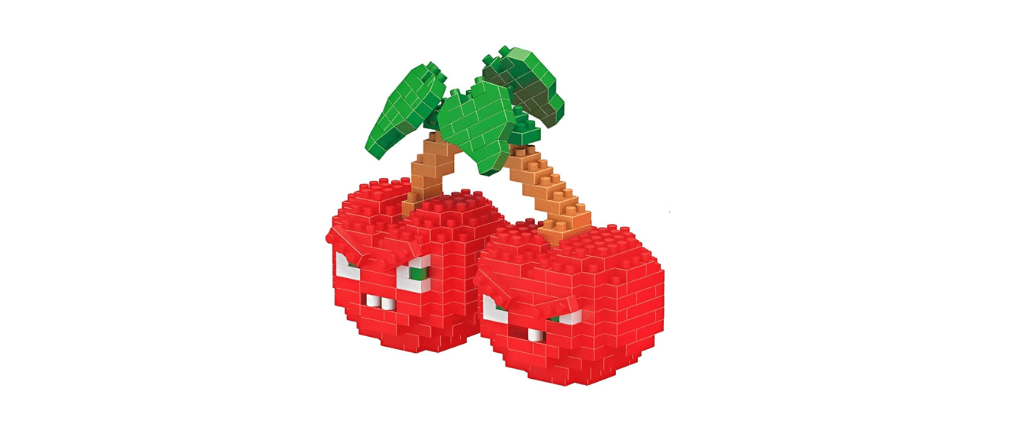
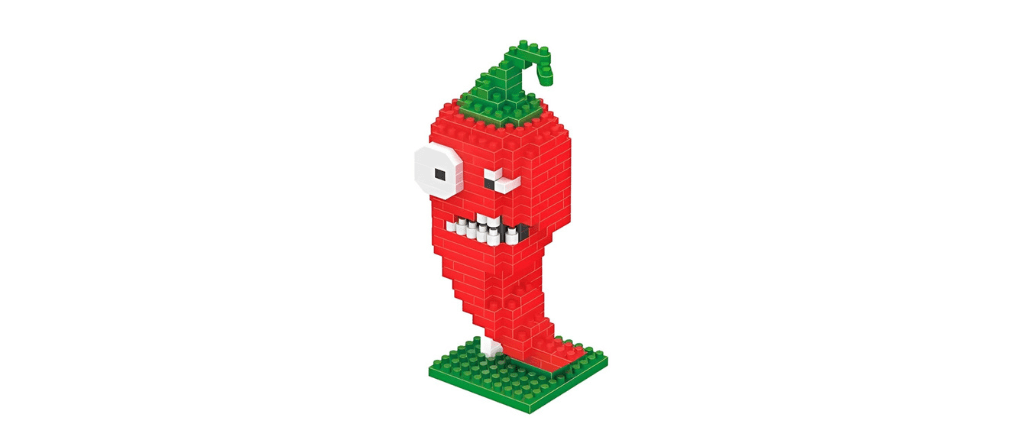
Cherry Bomb, Jalapeno, and Doom-shroom all provide instant elimination like Chomper but affect large areas rather than single targets. These one-time-use plants cost between one hundred and one hundred and twenty-five sun (Cherry Bomb and Jalapeno) or one hundred and twenty-five with a fifty-sun Coffee Bean (Doom-shroom), making them roughly competitive with Chomper economically.
The area effect fundamentally changes the value equation. While Chomper eliminates one zombie, Cherry Bomb eliminates every zombie in a three-by-three area. Against zombie waves, this efficiency difference is insurmountable—Cherry Bomb provides objectively superior elimination. The only scenario where Chomper competes is when facing exactly one isolated zombie in a lane with no nearby threats.
The recharge limitation of explosive plants does create situations where Chomper’s permanence matters. You can only use Cherry Bomb once every fifty seconds, and if you need instant elimination more frequently, Chomper’s reusable nature provides value. However, the correct comparison isn’t “Chomper versus one Cherry Bomb” but rather “Chomper versus multiple Cherry Bombs used strategically throughout the level.”
When evaluated as emergency tools, explosive plants significantly outperform Chomper. The ability to instantly clear an entire lane when disaster strikes provides security that Chomper’s single-target elimination cannot match. Most experienced players prefer saving explosive plants for emergencies while using consistent damage dealers for normal pressure, leaving no clear role for Chomper’s in-between capabilities.
Advanced Chomper Strategies for Expert Players
Despite its limitations, expert players have developed advanced strategies that extract maximum value from Chomper’s unique capabilities. These techniques require precise timing, game knowledge, and tactical planning but demonstrate that Chomper can compete in high-level play when used correctly.
The Chomper-Wall-nut Rotation Technique
One sophisticated strategy involves synchronized cycling between multiple Chompers and Wall-nuts to create a self-sustaining defensive formation. The concept leverages Chomper’s elimination power while compensating for digestion vulnerability through redundant coverage.
The setup requires planting two or three Chompers staggered across different lanes at different depths, combined with Wall-nuts that channel zombies into Chomper positions. As one Chomper digests, the others provide active defense. By the time zombies overwhelm the second Chomper, the first has finished digesting and can engage again. This rotation creates continuous defensive coverage despite individual Chomper downtime.
The critical calculation involves zombie spawn rates versus Chomper digestion time. In levels where zombies spawn every thirty to forty-five seconds per lane, a two-Chomper rotation can theoretically handle all pressure indefinitely. However, this requires precise positioning and assumes zombies arrive individually rather than in waves. Flag waves break this rotation system, necessitating backup explosives.
Advanced players combine this rotation with strategic Wall-nut positioning that funnels zombies toward Chompers while blocking paths to vulnerable plants. Creating chokepoints where zombies must path through Chomper zones maximizes elimination efficiency. Pumpkins protecting the Chompers themselves add another defensive layer, allowing Chompers to survive even if zombies arrive during digestion periods.
Split-Lane Chomper Coverage
Another expert technique involves asymmetric lane defense where certain lanes use Chomper-focused strategies while others employ traditional damage dealers. This specialization allows each lane to use optimal plant combinations based on expected zombie composition.
The strategy assigns armored zombie lanes to Chomper coverage while regular zombie lanes use standard Peashooters or Repeaters. By monitoring which lanes receive Bucketheads and Football Zombies versus which lanes get primarily Browncoats and Coneheads, you can optimize sun allocation. Chomper investment in high-value elimination lanes pays for itself while avoiding waste in lanes where consistent damage suffices.
This approach requires active scouting and quick decision-making to identify zombie distribution patterns. In later Adventure Mode levels and Survival modes, zombie spawning follows semi-predictable patterns that experienced players recognize. Adapting Chomper placement based on these patterns maximizes efficiency and minimizes wasted sun investment.
The psychological advantage of this strategy shouldn’t be overlooked. By solving the scariest zombie threats instantly with Chomper, you reduce mental load and can focus attention on optimizing other lanes. This cognitive load reduction improves overall decision quality, particularly in stressful late-game scenarios where mistakes cascade quickly.
Chomper as Deliberate Zombie Bait
A truly advanced technique uses Chomper as intentional bait to manipulate zombie pathing in advantageous ways. Since zombies always target the nearest plant, placing Chomper in specific positions can draw zombies away from more valuable plants or into kill zones.
The execution involves planting Chomper in forward positions where it attracts zombie attention while your back-line plants remain safe. When zombies commit to eating Chomper during its digestion period, they’ve locked themselves into that lane position. You can then deploy Cherry Bombs or other explosives to eliminate the zombies clustered around Chomper, essentially using Chomper as a gathering point for zombie extermination.
This strategy becomes even more sophisticated when combined with Hypno-shroom or other mind-control plants. Zombies that eat Hypno-shroom and become friendly will attack other zombies. Placing Chomper near Hypno-shroom creates a defensive cluster that handles multiple zombies through different mechanisms—Chomper eats one, Hypno-shroom converts another, and your damage dealers kill the rest.
The risk management requires understanding zombie AI and pathing mechanics deeply. If poorly executed, this strategy just results in losing Chomper without gaining value. However, expert players manipulate zombie behavior like puppet masters, turning Chomper’s vulnerabilities into tactical advantages through clever positioning and timing.
Sun Production Optimization with Chomper
Counter-intuitively, some expert strategies use Chomper to enable aggressive sun production rather than serving primarily as defense. By placing Chompers as safety nets in back positions, players can invest heavily in Sunflowers and Twin Sunflowers with confidence that breakthroughs will be caught before reaching critical plants.
This approach treats Chomper’s one hundred and fifty sun cost as economic insurance rather than defensive investment. The ability to run five or six Sunflowers in early levels without defensive support, knowing Chomper catches any breakthroughs, accelerates sun economy dramatically. The faster you establish massive sun production, the sooner you can deploy overwhelming force that trivializes zombie threats.
The timing windows matter enormously for this strategy. You must establish Chomper safety nets before zombie pressure increases beyond manageable levels. Ideally, Chompers go down around the time Bucketheads start appearing but before huge waves threaten your Sunflower fields. This timing maximizes the sun advantage while minimizing risk.
This strategy works best in levels with gradual difficulty ramps rather than immediate pressure. Adventure Mode levels that start slowly and escalate over time allow the sun economy investment to pay off. Conversely, levels that hit hard immediately don’t provide enough time for this approach to develop before zombies overwhelm your defenses.
Chomper Timing Mind Games
At the highest level of play, expert players use Chomper to create psychological pressure and timing traps that punish zombie spawn patterns. By understanding exactly when huge zombie waves spawn and positioning Chompers to eliminate the most dangerous zombies at wave initiation, you can dramatically reduce effective wave strength.
This technique requires memorizing flag wave timing and zombie spawn sequences for specific levels. When you know that a huge wave spawns at two minutes thirty seconds and always includes two Gargantuars in lanes three and four, you can position Chompers specifically to eliminate those Gargantuars the instant they spawn. This surgical elimination removes the primary threat before the wave fully develops.
The psychological impact extends beyond just the mechanical advantage. Knowing you have Chompers positioned to delete specific threats reduces stress and improves decision-making during intense moments. Confidence in your defensive setup allows more aggressive optimization everywhere else.
Advanced players even use Chomper positioning to force zombie AI decisions in unintended ways. While Plants vs Zombies AI isn’t highly sophisticated, zombies do exhibit basic lane-switching behaviors under certain conditions. Chomper placement can sometimes influence which lanes zombies prefer, allowing you to concentrate zombie pressure where your defenses are strongest.
Special Scenarios: When Chomper Becomes Essential
While Chomper often struggles in standard gameplay, certain special scenarios transform it from optional to essential. Recognizing these situations and adjusting your strategy accordingly separates versatile players from those rigidly committed to meta builds.
Last Stand Survival Challenges
The Last Stand game mode in Plants vs Zombies gives you a limited sun budget to construct defenses before facing predetermined zombie waves. Chomper’s permanent placement and unlimited uses (once digestion finishes) provide specific advantages in these resource-constrained scenarios.
When sun is limited but you need to handle specific high-value threats like Gargantuars or Football Zombies, Chomper provides elimination capability that would otherwise require multiple expensive damage dealers. The one hundred and fifty sun investment handles potentially thousands of zombie health over the course of a Last Stand challenge, making it economically competitive with alternatives.
The wave structure of Last Stand often features distinct pressure waves with rest periods between them. Chomper’s digestion vulnerability matters less when you know exactly when the next wave arrives and can ensure Chomper finishes digesting before it hits. This predictability transforms Chomper’s biggest weakness into a manageable limitation.
Strategic placement in Last Stand involves positioning Chompers where expensive plants would normally go but cannot fit within your sun budget. If you need defense in column five but can’t afford a Winter Melon, Chomper provides cheaper elimination that fulfills a similar role. The perfect is the enemy of the good—Chomper’s imperfect solution beats having no solution at all.
Column Restriction Challenges
Some challenge levels restrict which columns you can plant in or limit the number of plants per column. These constraints create situations where Chomper’s single-plant elimination capability provides outsized value compared to needing multiple damage dealers.
When you can only place three plants in column four, using one slot for Chomper means you get instant-kill capability plus two other plants rather than needing all three slots for damage dealers to handle armored zombies. This slot efficiency becomes critical in severely constrained challenges where every plant choice must provide maximum value.
The instant-kill mechanic bypasses damage calculation entirely, which matters in challenges that modify zombie health or reduce plant damage. If a challenge doubles zombie health but Chomper still eliminates in one bite, suddenly Chomper’s relative value skyrockets. Looking for these multiplicative interactions helps identify when Chomper outperforms seemingly superior alternatives.
Speed Run and Achievement Requirements
Speed running Plants vs Zombies levels creates unique optimization pressures where Chomper sometimes provides the fastest solution. When every second counts and you’re racing against the clock, Chomper’s instant elimination of time-consuming-to-kill zombies can shave precious seconds off completion time.
Specific achievements like “Chomper Lover” or challenges requiring plant-specific eliminations obviously necessitate Chomper use. These requirements force players to develop Chomper expertise and discover tactics they might otherwise never attempt. The achievement hunting community has developed sophisticated Chomper strategies specifically for these challenges.
The optimization mindset of achievement hunting reveals Chomper applications invisible during casual play. When you’re trying to eliminate exactly thirty zombies with Chomper to unlock an achievement, you develop timing precision and positioning intuition that transfers to regular gameplay. This focused practice makes you a better overall player.
Plant Limitation Levels
Adventure Mode and challenge levels that restrict your plant selection sometimes include Chomper as one of few defensive options. When you’re limited to Chomper, Peashooter, Sunflower, and Wall-nut, suddenly Chomper becomes essential rather than optional. These forced-use scenarios demonstrate that Chomper can absolutely succeed when properly supported.
The synergy discovery that happens during restricted-plant challenges often reveals combinations that work better than expected. Chomper plus Ice-shroom slows zombies so Chomper resets before the next zombie arrives. Chomper plus Magnet-shroom removes armor so zombies die faster, reducing pressure during Chomper downtime. These combinations might never occur to players who dismiss Chomper in normal play.
Understanding which plant combinations enable Chomper success helps you recognize when Chomper becomes viable even in unrestricted levels. If you’re already running Ice-shrooms for slow, adding Chomper costs only one hundred and fifty sun and provides elimination capabilities that dramatically improve your defensive stability. The sum becomes greater than the parts.
Chomper Variants and Upgrades Across Games
Different Plants vs Zombies games have introduced Chomper variants and upgrades that modify the base plant’s capabilities. Understanding these variations helps evaluate whether Chomper is worth using in each specific game context.
Plants vs Zombies 2 Costume System
The costume system in PvZ2 provides purely cosmetic changes that don’t affect gameplay but allow personalization. While this doesn’t impact Chomper’s strategic value, the psychological satisfaction of customizing your favorite plants shouldn’t be dismissed. Players who enjoy Chomper often engage more enthusiastically with the game when they can dress their Chomper in various outfits.
The costume unlocking process sometimes creates interesting gameplay goals beyond just progressing through worlds. Collecting all Chomper costumes requires playing specific levels or completing certain challenges, which provides long-term engagement hooks for players who might otherwise lose interest after beating the main campaign.
Garden Warfare Character Variants
Garden Warfare’s multiple Chomper variants each offer dramatically different playstyles that cater to various player preferences. The Fire Chomper leaves burning puddles that damage zombies over time. The Electric Chomper chains damage between nearby zombies. The Armor Chomper has more health but slower movement. Each variant trades different strengths and weaknesses.
The Hot Rod Chomper deserves special mention as probably the most popular variant. Its speed boost ability allows rapid repositioning and quick escapes after chomping, directly addressing one of Chomper’s core vulnerabilities in shooter gameplay. The mobility transforms Chomper’s risk profile, making aggressive plays more survivable.
The Count Chompula variant gains health by vanquishing zombies, creating a snowball effect where successful chomps make subsequent chomps safer. This reward-for-success mechanic appeals to skilled players who can consistently land chomps and leverage the health advantage into longer survival and higher eliminations.
Understanding these variants helps players find their Chomper playstyle in Garden Warfare games. Someone who dislikes base Chomper might love Armor Chomper’s tankier approach or Hot Rod Chomper’s hit-and-run tactics. The variety ensures Chomper appeals to broader player audiences than the tower defense version alone would attract.
Plants vs Zombies Heroes Card Variants
Heroes features multiple Chomper cards with different stats and abilities across various sets and expansions. Some Chomper variants cost more but have better stats. Others have unique abilities like drawing cards or creating zombie destruction effects. This variety means Chomper’s viability in Heroes depends on which specific card version you’re evaluating.
The Chomper legendary card typically represents the most powerful version, with enhanced stats and premium abilities that justify its rarity. Evaluating whether this card merits deck inclusion requires understanding the current meta, which zombie decks are prevalent, and whether Chomper’s destruction effect counters them effectively.
The synergy cards that enhance Chomper or trigger from plant destruction create interesting deck-building opportunities. Cards that grant plants attack bonuses make Chomper’s already high attack even more threatening. Cards that reward you for destroying zombies provide additional value when Chomper successfully eliminates targets. Finding these synergies transforms Chomper from mediocre individual card into engine piece for complete strategies.
Community Opinions and Player Debates
The Plants vs Zombies community has debated Chomper’s value for over a decade, creating a rich discourse that reveals different philosophies about optimal play, fun versus efficiency, and the role of skill expression in tower defense.
The Efficiency vs Fun Debate
One major fault line in community discussions centers on efficiency versus enjoyment as decision criteria. Efficiency-focused players argue that Chomper’s mathematical inferiority to alternatives makes it objectively bad and not worth using. Fun-focused players counter that Chomper’s unique gameplay and satisfying chomping animations justify use even if suboptimal.
The speedrunning community generally dismisses Chomper as too slow and unreliable for competitive time attacks. The forty-two-second digestion creates dead time that adds up to minutes over full level completion, making Chomper fundamentally incompatible with speedrun optimization. This community consensus reinforces the perception that Chomper is objectively weak.
However, casual players often rank Chomper among their favorite plants specifically because it’s fun to use regardless of power level. The visceral satisfaction of watching a Chomper gulp down a Gargantuar creates memorable moments that abstract efficiency calculations cannot match. For players prioritizing entertainment over optimization, Chomper absolutely delivers value.
The resolution involves recognizing that different players have different goals. Competitive players seeking optimal strategies should probably avoid Chomper. Casual players wanting entertaining gameplay should absolutely use Chomper if they enjoy it. Neither perspective is wrong—they’re optimizing for different objectives entirely.
The Skill Expression Argument
Some community members argue that Chomper rewards player skill through timing and positioning requirements that simpler plants don’t demand. Successfully using Chomper requires predicting zombie paths, understanding wave timing, and making judgment calls about when chomping is safe versus dangerous. This skill ceiling creates engagement that brain-dead plant spam cannot match.
This argument finds strongest support in Garden Warfare communities where Chomper skill expression is undeniable. The difference between novice and expert Chomper players is dramatic, with experts consistently achieving high eliminations and survival while beginners feed repeatedly. This clear skill differentiation makes Chomper appealing to players who enjoy mastery curves.
Critics counter that other plants also reward skill while providing more consistent baselines. Learning optimal Winter Melon placement or mastering Cob Cannon timing provides skill expression without Chomper’s failure punishments. Why develop expertise in a high-risk plant when you could develop expertise in reliable plants that perform better on average?
The middle ground recognizes that Chomper offers a different type of skill expression that appeals to certain player personalities. Players who enjoy high-risk, high-reward gameplay and don’t mind occasional failures find Chomper engaging. Players who prefer consistent, reliable strategies find Chomper frustrating. Both preferences are valid.
The Nostalgia Factor
Many players have emotional attachments to Chomper from their first Plants vs Zombies experiences. Discovering that this cool plant could eat zombies whole created memorable moments that transcend pure gameplay analysis. This nostalgia makes Chomper perpetually popular despite its mechanical shortcomings.
The character design contributes significantly to this emotional connection. Chomper has personality and charm that resonant with players. The big eyes, the eager expression, the satisfying gulp animation—these details create attachment that numerical efficiency cannot overcome. Players love Chomper as a character, not just as a gameplay tool.
Community content like fan art, memes, and videos disproportionately feature Chomper compared to statistically superior plants like Winter Melon. This cultural presence reinforces Chomper’s popularity and introduces new players to the plant with positive associations. The virtuous cycle makes Chomper perpetually relevant regardless of meta considerations.
Tournament and Competitive Play Perspectives
The small but dedicated competitive Plants vs Zombies scene almost universally avoids Chomper in serious play. Tournament-level strategies prioritize reliability and optimization, leaving no room for Chomper’s vulnerabilities. This competitive rejection shapes community perceptions that Chomper is weak or bad.
However, competitive scenes represent tiny fractions of total player populations. The vast majority of Plants vs Zombies players never attempt Survival Endless optimization or speedrun competition. For these players, competitive meta judgments are irrelevant. What matters is whether Chomper succeeds in the gameplay contexts they actually experience.
Some tournaments have featured Chomper-required challenges specifically to force creative problem-solving with non-meta plants. These special formats showcase that skilled players can absolutely succeed with Chomper when they’re forced to engage with its mechanics seriously. The results often surprise viewers who dismissed Chomper as unusable.
The Verdict: Is Chomper Worth It?
After this exhaustive analysis, we can finally answer the central question: is Chomper worth using in Plants vs Zombies? The answer, unsatisfyingly but accurately, is it depends entirely on your goals, playstyle, and game context.
When Chomper IS Worth It
Chomper absolutely earns its place in your strategy when you’re facing jump-over zombies like Pole Vaulters or Dolphin Riders without access to Tall-nuts. The surgical elimination of these mobile threats justifies Chomper’s cost and provides defensive stability that alternatives cannot match as cleanly.
Chomper is worth using when you prioritize fun over optimization and enjoy the unique gameplay that instant-kill mechanics provide. Tower defense games are entertainment, and if Chomper makes the game more enjoyable for you personally, that entertainment value overrides any efficiency arguments. Play games to have fun, not to satisfy someone else’s optimization spreadsheet.
Chomper becomes essential in specific challenge levels that restrict plant selection or impose special conditions where its unique capabilities solve problems efficiently. When forced-use scenarios demonstrate Chomper’s viability, recognize that similar situations in normal play might also benefit from Chomper deployment.
For players developing strategic depth, experimenting with Chomper teaches timing, positioning, and resource management skills that transfer to overall gameplay improvement. The practice makes you better at Plants vs Zombies generally, even if you ultimately decide Chomper isn’t your preferred plant.
In Garden Warfare games, Chomper is absolutely worth playing if you enjoy stealth-assassin playstyles and have the patience to develop the skill required for success. The high skill ceiling creates rewarding mastery progression that few other classes match.
When Chomper ISN’T Worth It
Chomper fails to justify its cost during huge zombie swarms where single-target elimination provides negligible value compared to area damage plants. If you’re facing twenty simultaneous zombies, Chomper eating one doesn’t move the needle enough to matter.
Competitive players seeking optimal strategies for Survival Endless, speedruns, or achievement hunting should generally avoid Chomper in favor of mathematically superior alternatives. The efficiency gap becomes insurmountable at high-level optimization, and Chomper cannot compete with specialized meta builds.
When you have better alternatives available, particularly Squash for instant-kill needs or consistent damage dealers for sustained pressure, Chomper’s one hundred and fifty sun cost becomes hard to justify. The opportunity cost of lawn space and sun investment usually favors more reliable plants.
In Plants vs Zombies 2, Chomper’s premium plant status makes it even harder to recommend. Spending real money on a situational, mechanically flawed plant feels bad when countless better options exist both in free plants and among premium alternatives. Unless you specifically love Chomper, your money gets better value elsewhere.
Players who value their time and want to progress through levels efficiently should minimize Chomper use. The extended engagement time that digestion periods create adds up over many levels, making your gameplay sessions longer for no additional benefit.
The Balanced Perspective
The healthiest approach recognizes that Chomper occupies a legitimate niche without being universally optimal. It’s a specialized tool that excels in specific situations while struggling in others. Players who understand these contexts and deploy Chomper appropriately will find it valuable. Players who try forcing Chomper into every scenario will become frustrated with its limitations.
Chomper represents design diversity in the Plants vs Zombies ecosystem. Not every plant needs to be top-tier competitive material. Having plants with unique mechanics that appeal to different playstyles enriches the game even if those plants don’t dominate meta strategies. Chomper’s existence makes Plants vs Zombies more interesting.
The community benefits from multiple valid strategies rather than single dominant approaches. Players who succeed with Chomper-inclusive strategies contribute creative diversity that inspires others. The discourse around whether Chomper is good creates engagement that keeps communities active and passionate.
Personal Recommendation
My personal take after years of Plants vs Zombies across all versions: Chomper is worth trying at least to understand its mechanics and discover whether you enjoy the playstyle. Don’t let efficiency arguments prevent you from experimenting with this unique plant. Many players who initially dismissed Chomper as bad later discovered they actually loved using it once they gave it a fair chance.
However, don’t force yourself to use Chomper if you genuinely dislike how it plays. Plants vs Zombies offers dozens of plants with different mechanics—find the ones that resonate with your preferences. There’s no shame in deciding Chomper isn’t for you after giving it an honest shot.
For intermediate players looking to improve, temporarily incorporating Chomper into your strategies teaches valuable lessons about timing, positioning, and tactical planning. Even if you ultimately phase Chomper out, the skills you develop transfer to mastery of other plants.
Ultimately, Chomper’s worth is personal and contextual. In specific situations with particular goals, Chomper absolutely delivers value that justifies its sun cost and lawn space. In other contexts, it’s clearly inferior to alternatives. Developing the judgment to recognize which situation you’re facing separates good players from great ones.
Final Thoughts: Embracing Chomper’s Place in PvZ History
Chomper has earned its status as one of the most iconic plants in Plants vs Zombies not through raw power or optimal efficiency, but through memorable design and unique gameplay. The image of a Venus flytrap plant gulping down zombies whole captures imaginations and creates moments that players remember years later.
The debates around Chomper’s value reflect broader conversations about game design philosophy. Should every option in a strategy game be competitively viable, or is there value in having clearly weaker choices that appeal to different player preferences? Plants vs Zombies’ approach of including plants across a wide power spectrum creates space for both optimization-focused and fun-focused players to coexist.
Chomper’s journey across multiple Plants vs Zombies games demonstrates character evolution in game design. From tower defense plant to playable third-person character to collectible card, Chomper has been reinterpreted through different gameplay lenses while maintaining core identity. This adaptability speaks to strong character design that transcends specific mechanical implementations.
For new players encountering Chomper for the first time in 2026, my advice is simple: give it a chance. Don’t let internet debates or tier lists prevent you from experiencing this unique plant yourself. Form your own opinions based on your actual gameplay experience rather than accepting secondhand judgments. Resources like the Plants vs Zombies Wikiprovide comprehensive information about all plant mechanics and zombie interactions that can help inform your strategic decisions.
For veteran players who’ve dismissed Chomper in the past, consider revisiting it with fresh perspective. The strategies and applications discussed in this guide might reveal uses you never considered. Sometimes plants we write off as bad actually just require different approaches than we initially attempted. The official EA Plants vs Zombies community forums feature ongoing discussions where players share innovative strategies and creative uses for every plant in the game.
Chomper ultimately represents the heart of Plants vs Zombies as a franchise that prioritizes creativity, variety, and fun over strict balance. Not every plant needs to be competitively optimal. Not every strategy needs to be maximally efficient. Sometimes the best choice is the one that makes you smile, and Chomper absolutely delivers on that front. For deeper strategic analysis and community-tested builds, Reddit’s Plants vs Zombies community offers extensive player experiences and tactical discussions.
Whether you decide Chomper is worth using or not, understanding its mechanics, strengths, limitations, and proper applications makes you a more knowledgeable Plants vs Zombies player. That expertise enhances your enjoyment of the game regardless of which plants ultimately earn spots in your preferred strategies. The Plants vs Zombies YouTube community has created countless video guides demonstrating advanced Chomper techniques and creative applications that visual learners may find particularly helpful.
So is Chomper worth it? For many players in many situations, absolutely yes. For others in different contexts, probably not. The beauty of Plants vs Zombies lies in having options that let every player construct strategies matching their preferences and goals. Chomper might not be everyone’s choice, but it deserves respect as a legitimate option with unique capabilities that no other plant can replicate. For those interested in the game’s development history and design philosophy, EA’s official Plants vs Zombies blog occasionally features developer insights into character creation and balancing decisions.
Now get out there, plant some Chompers, and enjoy watching those satisfying gulping animations. After all, Plants vs Zombies is ultimately about defending your lawn while having fun, and Chomper delivers that experience in its own special way. Whether you become a Chomper enthusiast or decide it’s not your style, you’ll have discovered something about your own preferences as a player, and that self-knowledge is worth more than any tier list ranking.
This comprehensive analysis drew from extensive gameplay experience, community discussions on platforms like GameFAQs, strategic guides from dedicated fans, and ongoing conversations within the Plants vs Zombies community across multiple games and platforms. The passion this community brings to discussing even the most debated plants like Chomper demonstrates why Plants vs Zombies remains beloved nearly two decades after its original release.