
 Canada
 USA
USA Japan
Japan



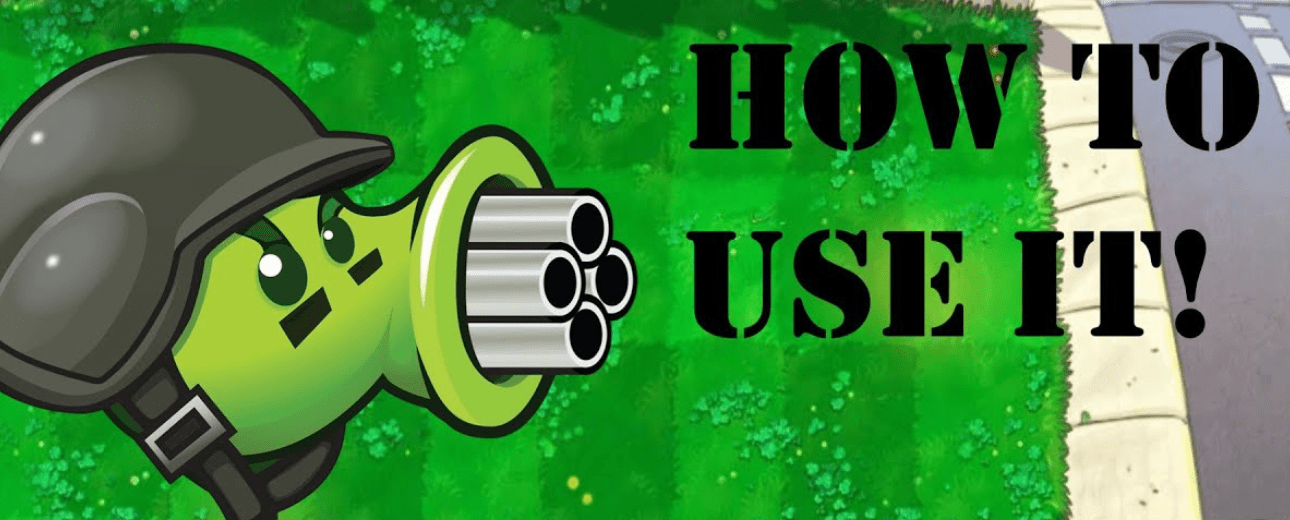
If you’ve spent any time playing Plants vs. Zombies, you know that satisfying feeling when your lawn defense transforms into an unstoppable green fortress. And nothing quite captures that feeling like watching a Gatling Pea unleash its devastating rapid-fire barrage on incoming zombie hordes. This legendary plant has been a fan favorite since the original game’s release, and for good reason: it’s one of the most powerful offensive plants in your entire arsenal. Whether you’re a newcomer trying to understand what makes this plant so special or a veteran player looking to optimize your strategies, you’re in the right place. Let’s dive deep into everything you need to know about the Gatling Pea, from its basic mechanics to advanced tactical deployment, competitive strategies, and its evolution across the entire Plants vs. Zombies franchise.
What is Gatling Pea? Introduction to the Legendary Plant
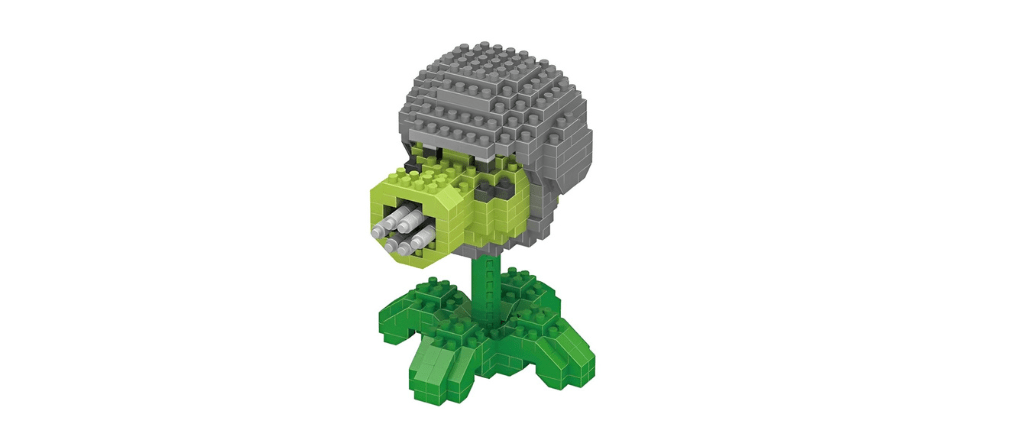
The Gatling Pea is an upgraded version of the Repeater in Plants vs. Zombies, and it represents the pinnacle of pea-shooting technology in your botanical arsenal. This plant fires four peas at a time instead of the Repeater’s two or the standard Peashooter’s one, making it an absolute powerhouse when it comes to raw damage output. The visual design is instantly recognizable: a larger, more imposing plant with what looks like a miniature gatling gun barrel, ready to mow down anything that stumbles onto your lawn.
What makes the Gatling Pea so special isn’t just its firepower, though that’s certainly impressive. It’s the versatility and cost-effectiveness when you factor in the entire game. Yes, it requires an initial investment to unlock and another investment to plant, but once you’ve got a few Gatling Peas set up on your lawn, they become force multipliers that can handle multiple lanes and devastating zombie rushes that would overwhelm lesser plants.
The Gatling Pea first appeared in the original Plants vs. Zombies released by PopCap Games in 2009, and it’s remained a staple throughout various sequels, spin-offs, and iterations. Its core concept has stayed remarkably consistent: this is your go-to plant when you need serious firepower, when the zombie waves are getting intense, and when you need something that can dish out punishment faster than zombies can shamble forward.
The visual and audio design of Gatling Pea
One of the most satisfying aspects of using Gatling Pea is the sensory feedback it provides. Visually, the plant is larger and more menacing than its predecessors, with a distinctive multi-barrel design that immediately communicates “serious business.” When it fires, you see a rapid stream of peas launching across the screen, creating a visual spectacle that’s both beautiful and deadly.
The sound design is equally important to the Gatling Pea experience. That rapid-fire “thup-thup-thup-thup” sound as the peas launch is incredibly satisfying, giving immediate auditory confirmation that your plant is doing its job. When you have multiple Gatling Peas firing simultaneously, the overlapping sound effects create a symphony of destruction that veteran players find deeply gratifying.
The animation when zombies are hit by the Gatling Pea’s barrage adds another layer of satisfaction. Watching a tough zombie like a Football Zombie or Buckethead Zombie get absolutely shredded by the continuous pea assault, with impact effects showing every hit landing, creates a tactical feedback loop that keeps players engaged and strategizing about where to place their next Gatling Pea.
How Gatling Pea fits into the Plants vs. Zombies ecosystem
In the broader Plants vs. Zombies ecosystem, Gatling Pea occupies a specific niche: premium offensive plant. It’s not your first plant, it’s not your cheapest option, and it’s not always necessary for every level. But when the situation demands overwhelming firepower, when you’re facing endless waves of increasingly tough zombies, or when you’re trying to set records on survival modes, the Gatling Pea becomes absolutely essential.
The plant represents a key progression milestone in most players’ journeys through the game. When you first unlock the ability to create Gatling Peas (by upgrading Repeaters with the Cob Cannon’s cousin upgrade system), it feels like you’ve reached a new tier of power. Suddenly, levels that seemed challenging become manageable. Survival modes that felt impossible start to feel conquerable.
Gatling Pea also teaches players important lessons about resource management and strategic planning. Because it requires upgrading from a Repeater (which itself is an upgrade from a Peashooter in some game modes), players learn to think several steps ahead: “I need a Gatling Pea in lane three, so I need to plant a Peashooter now, save up sun for the Repeater upgrade, then save more sun for the Gatling Pea upgrade.” This multi-step planning enhances the strategic depth of the game.
The role of upgrades in Plants vs. Zombies
The upgrade system in Plants vs. Zombies is one of the game’s most innovative features, and Gatling Pea exemplifies why it works so well. Rather than simply planting the most powerful plants from the start, players must make strategic decisions about when and where to invest in upgrades. Do you upgrade that Peashooter in lane one to handle the approaching zombie wave, or do you save your sun to plant more defenses in other lanes?
Gatling Pea sits at the top of the pea-shooter upgrade chain in most game modes, representing the final evolution of your basic offensive plant. This creates a natural progression system where players start with simple Peashooters, upgrade select ones to Repeaters when resources allow, and then eventually transform their most critical Repeaters into Gatling Peas when facing the toughest challenges.
This upgrade path also creates interesting tactical decisions. Sometimes, spreading your resources across multiple Repeaters is more effective than concentrating everything into one or two Gatling Peas. Other times, having even a single Gatling Pea in a critical lane can mean the difference between victory and having zombies eating your brains. Learning to recognize which situation you’re in is part of mastering Plants vs. Zombies.
How to Unlock Gatling Pea: Step-by-Step Guide
Getting your hands on the Gatling Pea varies depending on which version of Plants vs. Zombies you’re playing, but the core concept remains similar across most iterations. Understanding the unlock requirements and optimizing your path to obtaining this powerful plant is crucial for progressing through the game efficiently.
In the original Plants vs. Zombies, the Gatling Pea is actually obtained through Crazy Dave’s shop rather than through standard level progression. You need to purchase the “Gatling Pea Seed Packet” from Crazy Dave’s Twiddydinkies shop, which becomes available after you’ve progressed sufficiently through Adventure Mode. The cost is typically 5,000 coins, which might seem like a lot early in the game but becomes more manageable as you progress and unlock ways to farm coins more efficiently.
Adventure Mode progression and coin farming
To efficiently unlock the Gatling Pea in the original game, you’ll need to focus on coin accumulation. The most reliable method is progressing through Adventure Mode, which provides coins for completing levels, but savvy players know there are much faster methods. The Zen Garden becomes your best friend for coin farming once you unlock it.
The Zen Garden allows you to grow plants that periodically drop coins, and with proper management (watering, fertilizing, playing music), you can generate coins at a much faster rate than simply replaying levels. Some players develop elaborate Zen Garden farming routines, checking in multiple times per day to maximize coin output. While it might seem tedious, this investment pays off when you can afford not just the Gatling Pea but other premium plants and upgrades from Crazy Dave’s shop.
Another effective coin farming method involves replaying certain levels that are particularly generous with coin drops or that you can complete very quickly. Level 4-10 (the Fog level with the Zombie Yeti) is famous among the community for being excellent for coin farming, especially if you’re lucky enough to encounter the Zombie Yeti who drops valuable loot when defeated.
Some players also focus on mini-games as a coin farming strategy. Certain mini-games, once mastered, can be completed quickly and reliably for consistent coin rewards. Wall-nut Bowling, for instance, is a favorite among speedrunners and farmers alike because of its straightforward mechanics and relatively generous rewards.
Plants vs. Zombies 2 unlock methods
In Plants vs. Zombies 2, the unlock system changed significantly, reflecting the game’s free-to-play model. The Gatling Pea in PvZ2 is considered a premium plant, which means it typically requires either real money to purchase or an enormous amount of in-game grinding to obtain through special events or seed packet collection.
For players who don’t want to spend real money, the path to Gatling Pea in PvZ2 involves participating in special events, completing specific world challenges, or collecting seed packets through the Arena mode. The Arena, in particular, offers opportunities to earn premium plant seed packets by competing against other players in weekly tournaments.
The seed packet system in PvZ2 also means that even after unlocking the Gatling Pea, you’ll need additional seed packets to upgrade it to higher levels, increasing its damage output and effectiveness. This creates a long-term progression system where your Gatling Pea continues to improve over weeks or months of play.
Some special events in PvZ2 temporarily offer Gatling Pea for free or at discounted seed packet costs, so keeping an eye on the game’s event calendar can save you significant time or money. The community often shares information about upcoming events on forums like r/PlantsVSZombies, making it easier to plan your unlocking strategy.
Other versions and spin-offs
In Plants vs. Zombies: Garden Warfare and its sequels, the Gatling Pea appears as a playable character variant rather than a placeable plant. The unlock method here typically involves character packs or completing specific challenges. These third-person shooter spin-offs give you direct control of plants, turning the Gatling Pea into a devastating suppressive fire specialist.
In Plants vs. Zombies Heroes, the digital collectible card game, Gatling Pea appears as a card that must be obtained through card packs or crafting using sparks (the game’s crafting currency). The card-based nature of Heroes means you’ll want multiple copies of Gatling Pea to include it in your decks reliably.
The mobile and console ports of the original Plants vs. Zombies generally maintain the same unlock system as the original PC version, requiring you to purchase the Gatling Pea from Crazy Dave’s shop. However, some versions bundle certain plants differently or offer them as part of premium content packs, so it’s worth checking the specific unlock requirements for your platform.
Tips for efficient unlocking
Regardless of which version you’re playing, the key to efficiently unlocking Gatling Pea is prioritization. In the original game, should you buy Gatling Pea first, or invest in other useful plants and upgrades? The answer depends on your playstyle and which levels you’re struggling with.
For players who favor offensive strategies and aggressive lane control, prioritizing Gatling Pea makes sense. Its firepower can carry you through difficult levels and makes certain mini-games significantly easier. However, players who prefer defensive, sun-production focused strategies might find better value in purchasing plants like the Twin Sunflower first to improve their economy.
A balanced approach is to assess which levels or game modes you’re currently attempting. If you’re stuck on Adventure Mode levels with heavy zombie pressure, Gatling Pea becomes a high priority. If you’re comfortably progressing but want to tackle Survival modes or specific mini-games, other plants might offer better value for your initial coin investment.
Don’t forget that in games with the upgrade system, Gatling Pea isn’t just a one-time purchase. You’ll also need sun during matches to actually create them, so improving your sun production infrastructure is equally important to making the Gatling Pea purchase worthwhile.

Gatling Pea Stats and Mechanics: The Numbers Behind the Power
Understanding the exact statistics and mechanics of Gatling Pea is crucial for using it effectively and knowing when it’s the right choice for your strategy. Let’s break down the numbers that make this plant such a powerhouse.
The Gatling Pea fires four peas per shot at a rate of approximately one volley every 1.4 seconds (this varies slightly between game versions). Each individual pea deals 20 damage, meaning a single Gatling Pea volley delivers 80 damage total. To put this in perspective, a basic zombie has 270 health, so a Gatling Pea can eliminate a standard zombie in just over four volleys, or about 6 seconds of continuous fire.
Damage output comparison
When compared to other offensive plants, the Gatling Pea’s damage output is exceptional. A standard Peashooter fires one pea every 1.4 seconds dealing 20 damage, giving it a DPS (damage per second) of approximately 14.3. A Repeater fires two peas per volley for 40 damage total, doubling the Peashooter’s DPS to about 28.6. The Gatling Pea quadruples the base output to approximately 57.1 DPS, making it one of the highest sustained damage dealers in the game.
However, raw DPS doesn’t tell the whole story. What makes Gatling Pea particularly effective is the number of projectiles it fires. Four separate peas mean four separate chances to hit different targets if the first target is destroyed mid-volley. If a Gatling Pea’s first pea kills a zombie, the remaining three peas continue forward to hit the next zombie in line, whereas other plants might “waste” some damage overkilling a single target.
This damage distribution makes Gatling Pea exceptional at handling dense waves of weaker zombies. When multiple regular zombies are stacked in a lane, the Gatling Pea can effectively damage all of them simultaneously, spreading its 80 damage across multiple targets rather than concentrating it on one.
For tougher zombies like Gargantuar (with 3000 health), the Gatling Pea’s sustained damage becomes critical. While a Peashooter would take over three minutes to kill a Gargantuar, a Gatling Pea can do it in roughly 52 seconds of continuous fire. When you factor in typical defensive setups with multiple Gatling Peas focusing fire, even the toughest zombies fall remarkably quickly.
Range and firing mechanics
The Gatling Pea has unlimited range across its lane, meaning its peas will travel the entire length of the lawn until they either hit a zombie or reach the left edge of the screen. This is standard for most shooting plants, but it’s worth noting because it means position doesn’t affect the Gatling Pea’s ability to hit targets (unlike lobbed-shot plants which have minimum ranges).
The projectile speed of peas is consistent across all pea-shooting plants, traveling at a moderate pace that allows players to visually track them. This speed is balanced: fast enough to hit zombies before they get too close, but slow enough that there’s inherent vulnerability during the projectile’s travel time. Understanding this travel time is crucial for timing upgrades and understanding when your Gatling Peas need defensive support.
One important mechanic to understand is projectile interaction. Peas can be destroyed by certain zombie abilities (like the Zomboni’s ice trail in some versions) or blocked by certain zombie shields and equipment. The Gatling Pea’s four-pea volley means that even if one or two peas are blocked, the remaining ones have a chance to slip through and deal damage.
The firing pattern of Gatling Pea is strictly horizontal, meaning it only affects its own lane. Unlike some plants with splash damage or area effects, the Gatling Pea is a pure single-lane specialist. This makes lane management crucial when deploying Gatling Peas—you need to ensure each critical lane has adequate coverage.
Sun cost and economic considerations
The sun cost to create a Gatling Pea varies by game version, but in the original Plants vs. Zombies, the upgrade chain works like this: Peashooter costs 100 sun, upgrading to Repeater costs an additional 200 sun, and upgrading to Gatling Pea costs another 250 sun. This means a Gatling Pea represents a total investment of 550 sun when built from scratch.
This significant sun investment means Gatling Peas are late-game plants in most strategies. You’ll typically spend the early waves building sun production (Sunflowers or Twin Sunflowers), establishing basic defenses (Wall-nuts, basic Peashooters), and only then investing in Gatling Pea upgrades once your economy is stable and zombie pressure demands the extra firepower.
However, the sun-per-damage ratio actually becomes quite favorable at scale. While the initial 550 sun investment is steep, once a Gatling Pea is operational, it provides continuous high damage output for the rest of the level with no additional cost. Compare this to one-use plants or plants that require constant replacement, and the Gatling Pea’s value proposition becomes clearer.
The recharge time for planting or upgrading to Gatling Pea is also a consideration in your timing. You can’t instantly upgrade all your Repeaters to Gatling Peas even if you have the sun; you must wait for the recharge period between each upgrade. This enforced pacing actually helps prevent sun waste and encourages strategic thinking about which lanes to upgrade first.
Synergies with other plants
The Gatling Pea’s effectiveness multiplies when combined with certain other plants. The Torchwood is the most famous synergy: when Gatling Pea’s peas pass through a Torchwood, they ignite, dealing double damage (40 damage per pea instead of 20) and gaining splash damage that can hit nearby zombies. This transforms the Gatling Pea from merely excellent to absolutely devastating, with a four-pea volley dealing 160 damage plus splash.
The Gatling Pea + Torchwood combination is so powerful that it’s considered one of the strongest offensive setups in the entire game. A single lane with a Gatling Pea behind a Torchwood can hold off zombie waves that would require multiple plants in other setups. The sun investment is significant (Torchwood costs 175 sun, plus the 550 for Gatling Pea), but the payoff is enormous.
Wall-nut and Tall-nut defensive plants are essential companions to Gatling Pea. Because the Gatling Pea has no defensive capabilities whatsoever, it relies entirely on other plants to keep zombies at bay while it dishes out damage. A properly placed defensive nut in front of a Gatling Pea creates a formidable defensive position that can hold a lane almost indefinitely.
Pumpkin shells (in versions where they’re available) provide another layer of defense, allowing you to protect your Gatling Peas from being eaten even if zombies breach your first defensive line. Since Gatling Peas represent such a significant sun investment, protecting them with Pumpkins is often worth the additional 125 sun cost.
Certain support plants enhance the Gatling Pea’s effectiveness indirectly. Winter Melons or Snow Peas that slow zombies give Gatling Peas more time to shoot, effectively increasing their total damage output. Umbrella Leaves protect Gatling Peas from Bungee Zombies who might otherwise steal your expensive plants. Thinking about these synergies and building comprehensive defensive lines is key to advanced play.

Best Strategies for Using Gatling Pea Effectively
Knowing the statistics of Gatling Pea is one thing, but deploying it effectively in actual gameplay requires understanding positioning, timing, economic management, and situational awareness. Let’s explore the strategies that separate casual players from Gatling Pea masters.
The fundamental rule of Gatling Pea deployment is simple: position matters. Unlike some plants that can be placed anywhere, Gatling Peas need to be positioned where they can safely deliver sustained fire without being vulnerable to zombie attacks. This typically means placing them in the back columns of your lawn, protected by multiple layers of defensive plants.
Lane prioritization and placement
When you have limited resources and can only afford one or two Gatling Peas, which lanes should you prioritize? The answer depends on the specific level and zombie composition, but some general principles apply. High-traffic lanes where zombies spawn more frequently or in greater numbers should generally get priority for Gatling Pea placement.
In pool levels, the water lanes often see intense zombie pressure because you have fewer plant slots available (unless you’re using Lily Pads). Many players prioritize Gatling Peas in pool lanes for this reason, using the concentrated firepower to compensate for the reduced planting space.
For Fog levels, visibility becomes a factor. Gatling Peas can shoot through fog just fine, but you need to be careful about placement because you can’t see incoming zombie threats as clearly. Some players prefer to spread Gatling Peas across multiple lanes in fog levels to ensure every lane has coverage, while others concentrate firepower in lanes they know will face heavy pressure.
Roof levels present unique challenges because of the slanted roof structure. While Gatling Peas work perfectly fine on roofs, the limited columns and the pressure from Catapult Zombies and other roof-specific threats mean you need to balance Gatling Pea investment against other specialized plants needed for roof defense.
The back column is typically the safest position for Gatling Peas, giving maximum distance for their projectiles to travel and maximum protection from approaching zombies. However, in some defensive strategies, players place Gatling Peas in the second-to-last column to make room for Cob Cannons or other specialty plants in the final column.
Timing your upgrades
One of the most common mistakes players make with Gatling Pea is upgrading too early or too late. Upgrading too early means you’re investing 250 sun (to upgrade from Repeater) when you might not yet have the defensive infrastructure to protect that investment. Upgrading too late means you’re facing overwhelming zombie pressure with inadequate firepower.
The ideal timing for Gatling Pea upgrades is usually during the mid-game phase of a level, after you’ve established solid sun production and basic defenses but before the zombie waves become truly overwhelming. This sweet spot varies by level, but it generally occurs around flag 2-3 in endless modes or during the mid-to-late waves of standard levels.
Watch your sun economy carefully before committing to Gatling Pea upgrades. A good rule of thumb is to ensure you have sun production that can generate at least 100 sun per cycle (the time it takes for Sunflowers to produce sun) before investing heavily in expensive upgrades. This ensures you can continue adapting your defense even after making the Gatling Pea investment.
Some advanced players use a wave-based upgrading strategy: they identify specific upcoming waves that will be particularly challenging (like Flag Zombie waves or Gargantuar waves) and time their Gatling Pea upgrades to be ready just before those threats arrive. This requires knowledge of level patterns but can optimize resource usage.
In Survival modes, the multi-round structure creates different timing considerations. Some players prefer to build toward Gatling Peas in round one, accepting weaker early defense to achieve stronger late-game power. Others prefer to survive the early rounds with cheaper plants and only invest in Gatling Peas once they’ve accumulated significant sun reserves.
Defensive layering
The concept of defensive layering is crucial when using Gatling Pea effectively. Because Gatling Pea has zero defensive capability, it must be protected by multiple layers of defensive plants. A typical optimal setup might look like: Wall-nut or Tall-nut in column 6, empty space or additional nuts in column 5, Gatling Peas in column 2, with Sun production in column 1.
This layering ensures that zombies must chew through multiple defensive plants before they can even reach your Gatling Peas. The Gatling Peas, meanwhile, are continuously dealing damage to every zombie in their lane, whittling down health bars long before zombies reach your defensive line.
Pumpkin shells add another layer to this defense. Placing Pumpkins around your Gatling Peas means that even if zombies somehow breach your Wall-nut line, they still need to eat through the Pumpkin before they can damage your precious Gatling Pea. This redundancy is often the difference between success and failure in the hardest levels.
Some players employ backup plants as an additional safety measure. Keeping a Squash, Jalapeno, or Cherry Bomb in reserve for emergencies allows you to eliminate zombies that breach your defenses before they can destroy your Gatling Peas. This reactive defensive layer complements the proactive layers of Wall-nuts and Pumpkins.
The spacing of your defensive layers matters too. You want enough distance between your Wall-nuts and your Gatling Peas that zombies spend maximum time under fire. However, you don’t want so much space that fast-moving zombies can rush through gaps in your defense. Finding this balance is part of the skill curve.
Resource management and opportunity cost
Every sun spent on a Gatling Pea is sun not spent on something else, and understanding this opportunity cost is essential for optimal play. Sometimes, the sun required for one Gatling Pea could instead create two Repeaters, or three Peashooters, or a crucial defensive plant plus sun production.
In levels with limited sun income, the opportunity cost of Gatling Peas becomes more significant. You need to carefully assess whether the concentrated firepower of one Gatling Pea is better than the distributed coverage of multiple cheaper plants. Often, the answer depends on the zombie types you’re facing and the level layout.
Sun production scaling is a key concept here. Early in a level, when you only have one or two Sunflowers, every 50 sun takes a long time to accumulate. Later, with six or eight Twin Sunflowers, sun flows much more freely. This means Gatling Pea upgrades become relatively cheaper as the level progresses, which is another argument for mid-to-late game upgrading.
Some players track their sun-per-second rate and only commit to Gatling Pea upgrades when their economy reaches certain thresholds. For example, a player might decide they need at least four Twin Sunflowers before investing in their first Gatling Pea. This disciplined approach prevents economically crippling yourself with premature expensive upgrades.
In competitive scenarios or challenge runs, resource management becomes even more critical. When every sun point counts toward a scoring system or when sun is extremely limited, the decision to build a Gatling Pea versus alternatives needs careful consideration and often requires intimate knowledge of the level’s zombie spawns and timing.
Adapting to different game modes
The optimal Gatling Pea strategy varies significantly across different game modes. In Adventure Mode, levels are relatively short and zombie pressure follows predictable patterns. Gatling Peas are powerful but not always necessary—many Adventure levels can be completed with cheaper plant combinations.
In Survival modes, especially Survival: Endless, Gatling Peas become nearly mandatory. The sustained, ever-increasing zombie pressure demands the kind of raw damage output that only Gatling Peas (especially with Torchwood) can reliably provide. Most serious Survival: Endless strategies revolve around establishing multiple Gatling Pea + Torchwood combinations as quickly as possible.
Mini-games each have unique rules that affect Gatling Pea viability. In some mini-games, Gatling Peas are restricted or unavailable. In others, the modified rules make them either incredibly powerful or less useful than normal. Understanding each mini-game’s specific context is key.
Puzzle modes like Vasebreaker or I, Zombie typically don’t involve Gatling Peas since these modes use different plant selection mechanics. However, some special puzzle variations do allow plant selection, and in those cases, Gatling Pea can be a solid choice if available.
Last Stand modes give you a fixed amount of sun to build your defense and then test whether it can hold out. Gatling Peas are excellent in Last Stand because their sustained damage output provides continuous value. The one-time sun investment isn’t a drawback when you’re not accumulating more sun anyway.

Gatling Pea vs. Other Offensive Plants: Comparative Analysis
While Gatling Pea is undeniably powerful, Plants vs. Zombies offers numerous offensive options, each with its own strengths and weaknesses. Understanding how Gatling Pea compares to alternatives helps you make informed strategic decisions about when to use it versus other plants.
The most direct comparison is obviously with other pea-shooting plants: Peashooter, Repeater, and Snow Pea. We’ve already covered the damage output differences, but the cost-effectiveness comparison is worth exploring. A Peashooter costs 100 sun and delivers about 14.3 DPS. A Gatling Pea costs 550 sun and delivers about 57.1 DPS. This means the Gatling Pea provides 4x the DPS for 5.5x the cost—slightly less efficient per sun spent, but with the crucial advantage of concentrating that damage in a single plant slot.
Melon-pults and Winter Melons
Melon-pult and its upgrade Winter Melon represent a different offensive philosophy: splash damage with slowing effects. A Melon-pult costs 300 sun and deals 80 damage per shot (40 to the main target, 40 splash) at a slower fire rate than Gatling Pea. Winter Melon adds a slowing effect to all zombies hit, making it incredible for crowd control.
The Gatling Pea vs. Winter Melon debate is one of the classic Plants vs. Zombies strategic discussions. Gatling Pea offers higher single-target DPS and works better with Torchwood synergies. Winter Melon offers superior crowd control, slowing entire groups of zombies and spreading damage across multiple lanes if positioned correctly.
Many optimal strategies use both plants: Winter Melons for slowing and area control, Gatling Peas for concentrated damage output on priority targets. This combination creates a defense where zombies are constantly slowed while being shredded by rapid pea fire.
In terms of pure damage numbers, a Winter Melon costs 500 sun total (200 for Cabbage-pult, plus 300 for Winter Melon upgrade) versus Gatling Pea’s 550, making them similar investments. The choice often comes down to level layout and zombie composition rather than clear superiority.
Cob Cannon: The artillery option
The Cob Cannon represents the ultimate in offensive firepower: a manually-targeted explosive plant that can devastate entire areas of zombies. However, it requires two plant slots, costs 500 sun (after the initial Kernel-pults), and has a long recharge between shots.
Gatling Pea vs. Cob Cannon isn’t really an either-or choice; they serve different roles. Cob Cannons are reactive weapons that you fire at specific threats (like Gargantuar waves or dense zombie clusters). Gatling Peas are proactive constant damage dealers that whittle down all threats continuously.
The most effective strategies often incorporate both: Cob Cannons for burst damage when needed, and Gatling Peas for sustained damage at all times. In Survival: Endless, the meta strategy typically involves multiple Cob Cannons for offense supplemented by Gatling Pea + Torchwood lanes for continuous damage.
One advantage Cob Cannon has over Gatling Pea is its ability to target anywhere on the lawn, not just its own lane. This flexibility allows you to eliminate threats in multiple lanes with a single plant (though it occupies two slots). Gatling Pea’s lane-specific nature means you need multiple Gatling Peas for multi-lane coverage.
Cattails and aquatic alternatives
In pool levels, Cattail offers an interesting alternative: it can shoot in any lane, prioritizing threats, and doesn’t require a lily pad. A Cattail costs 225 sun total (Lily Pad + Cattail) and provides modest but flexible offense.
Gatling Pea on pool levels requires a Lily Pad (25 sun) plus the full upgrade chain (525 sun additional), totaling 550 sun—significantly more expensive than Cattail. However, Gatling Pea’s damage output is far superior. Two Cattails cost 450 sun and still don’t match a single Gatling Pea’s damage.
The choice here often depends on whether you need flexibility (Cattail’s ability to shoot any lane) or power (Gatling Pea’s massive DPS). In many pool strategies, players use both: Cattails for flexible support and threat prioritization, Gatling Peas for concentrated firepower on the most dangerous lanes.
One often-overlooked advantage of Cattail is that it doesn’t require the upgrade chain—you can place it at full effectiveness immediately. Gatling Pea’s need to start as a Peashooter and work up means there’s a period of vulnerability and weakness before it reaches full power.
Instant-use offensive plants
Plants like Cherry Bomb, Jalapeno, and Doom-shroom provide instant massive damage but are one-time use. These aren’t really comparable to Gatling Pea’s sustained damage model, but they’re worth mentioning because they fill the “oh crap, emergency!” niche that Gatling Pea can’t address.
A well-placed Cherry Bomb can instantly eliminate a group of zombies threatening to overwhelm your defenses, buying crucial time to upgrade your Peashooters to Gatling Peas or to build additional defenses. These explosive plants and Gatling Peas are complementary rather than competitive choices.
In terms of sun-per-damage efficiency, instant plants are generally poor value—their entire purpose is emergency response, not sustained economy. However, the ability to eliminate immediate threats can save your Gatling Peas from being destroyed, making instant plants an indirect investment in protecting your higher-value sustained damage plants.
Specialized plants and niche uses
Plants like Starfruit, Threepeater, and Split Pea offer specialized firing patterns that can be more efficient than Gatling Pea in specific situations. A Threepeater shoots three peas across three adjacent lanes, making it excellent for multi-lane coverage at a lower sun cost than three separate pea-shooters.
Starfruit shoots in five directions, providing coverage that Gatling Pea simply can’t match. However, its random firing pattern and modest damage make it less reliable than Gatling Pea for concentrated lane defense.
The Gatling Pea’s superiority comes from situations where you need maximum sustained single-lane damage. When you identify a lane that consistently has heavy zombie pressure (common in endless modes), concentrating a Gatling Pea there provides better value than spreading your resources across multiple lanes with weaker plants.
In the end, the “best” offensive plant depends entirely on context. Gatling Pea excels in sustained, single-lane scenarios especially when combined with Torchwood. Other plants excel in different niches: splash damage, crowd control, multi-lane coverage, or burst damage. The mark of a skilled player is knowing when to deploy each option.
Advanced Tactics and Pro Strategies
Once you’ve mastered the basics of Gatling Pea usage, there’s a whole world of advanced tactics that can take your gameplay to the next level. These strategies are used by top players in endless modes, speedruns, and challenge runs.
The Gatling Pea + Torchwood combination we’ve mentioned is just the beginning. The optimal positioning of this combo involves placing Torchwood in column 5 or 6 (near the front of your defense) with Gatling Pea in column 1 or 2 (at the back). This maximizes the distance peas travel as flaming projectiles, giving them maximum time to hit zombies.
The “killing field” strategy
The concept of creating a killing field involves establishing multiple overlapping lanes of Gatling Pea + Torchwood combinations positioned to create maximum concentrated damage at specific points on the lawn. In Survival: Endless, advanced players create killing fields in columns 5-7 where zombies accumulate before reaching defensive plants.
By positioning Torchwoods in column 5 across multiple lanes with Gatling Peas behind them, and using Gloom-shrooms or other area damage plants in columns 7-9, you create a zone where zombies take catastrophic damage from multiple sources simultaneously. This killing field can destroy even Gargantuars before they reach your Wall-nuts.
The key to killing field strategies is synchronized defense: every element works together to funnel zombies into the optimal damage zone. Tall-nuts block in specific positions, Imitator allows duplicate plants, and every sun point is optimized for maximum defensive efficiency.
Plant positioning within the killing field requires precision. You want overlapping fields of fire without wasting plant slots on redundant coverage. Some players use spreadsheets or lawn diagrams to plan their optimal killing field layouts before even starting a level.
Sun production optimization
At advanced levels of play, sun production becomes a science. The goal is to reach maximum sustainable sun income (typically 8 Twin Sunflowers) as quickly as possible while maintaining adequate early defense. This allows you to build multiple Gatling Peas and other expensive plants.
Some players use mathematical optimization: they calculate the exact number of Twin Sunflowers needed to sustain their planned defensive build and work backward to determine the optimal planting order. For example, if your end-game build requires X sun per wave to maintain, you need Y Twin Sunflowers to generate that sun, so you prioritize reaching Y Twin Sunflowers before investing heavily in Gatling Peas.
Wave management ties into sun optimization. By understanding when zombie waves spawn, advanced players time their sun production plants to mature just before major waves, ensuring they have maximum sun income during critical moments. This allows aggressive Gatling Pea upgrading during windows of lower zombie pressure.
The Imitator plant allows you to have duplicate plant types, which opens interesting optimization strategies. Having both regular Twin Sunflower and Imitator Twin Sunflower means you can plant sun production twice as fast during critical early game moments. Some players use Imitator for Gatling Pea itself, allowing two Gatling Peas to be ready simultaneously.
Targeting and focus fire
While Gatling Pea automatically shoots at the furthest zombie in its lane, understanding the targeting priority system helps you position plants strategically. By manipulating zombie positions with defensive plants or ice slowing, you can effectively control which zombies your Gatling Peas engage first.
For instance, placing a Wall-nut slightly forward of others creates a “chokepoint” where zombies cluster. Gatling Peas firing at this cluster will continuously hit multiple zombies as they stack up, maximizing damage efficiency. This is more effective than allowing zombies to spread out across the lawn.
Against special threats like Gargantuar, sometimes you want to concentrate multiple Gatling Peas’ fire on a single lane. By building multiple Gatling Pea lanes that the Gargantuar must walk through sequentially (like in a pool level where the Gargantuar spawns on ground lanes but must walk past pool lanes), you multiply your effective firepower against the threat.
Lane switching strategies involve recognizing when a lane has become less critical and allowing its defenses to fall to reallocate resources to more threatened lanes. While this sounds counterintuitive, in some endless mode situations, strategically sacrificing a lane temporarily to build overwhelming force in priority lanes leads to better long-term outcomes.
Speedrun and challenge strategies
In speedrun contexts, where the goal is to complete levels as quickly as possible, Gatling Pea strategies change dramatically. The slow upgrade chain from Peashooter to Gatling Pea can be a time sink, so speedrunners sometimes skip Gatling Pea entirely in favor of faster-to-deploy plants like Cherry Bombs and instant-use plants.
However, in longer speedrun categories (like speedrunning a specific world or mode), investing in Gatling Peas early can save time in later levels by allowing faster zombie elimination. The calculation becomes about total time across all levels rather than individual level speed.
Challenge runs like “no sun production” or “minimal plant varieties” create interesting contexts where Gatling Pea’s role changes. In a no-sun-production run, every sun point from zombie drops is precious, making the expensive Gatling Pea a risky but potentially game-changing investment.
The “no-duplicate plant” challenge forces players to choose between Peashooter, Repeater, or Gatling Pea (can only have one pea-shooter variant). In this context, experienced players almost always choose Gatling Pea for its superior firepower, accepting the higher sun cost as necessary.
Survival: Endless meta strategies
In the legendary Survival: Endless mode, where players attempt to survive as many flags as possible against infinitely scaling difficulty, Gatling Pea sits at the heart of most successful strategies. The current meta involves establishing multiple Gatling Pea + Torchwood lanes supplemented by Cob Cannons and Winter Melons.
The typical endgame build in Survival: Endless features four or five lanes with Gatling Pea + Torchwood setups, providing continuous devastating damage. These are protected by Pumpkins, which are themselves protected by Tall-nuts, creating redundant defensive layers. Gloom-shrooms provide close-range area damage, and Cob Cannons handle burst damage needs.
Getting to this ideal setup requires perfect execution of the early flags. Players must balance sun production, early defense, and gradual upgrading of plants. One common approach is to use cheaper plants like Repeaters (without upgrading to Gatling Pea) for the first several flags, accumulating sun reserves, then upgrading everything to Gatling Pea during a planned transition phase.
Cob Cannon timing becomes crucial at higher flags when Gargantuar spam becomes overwhelming. Players must have precise knowledge of when to fire Cob Cannons to eliminate Gargantuars before they can throw their Imps. Gatling Peas provide the sustained damage to clean up Imps and other zombies while Cob Cannons handle the giants.
The world record strategies for Survival: Endless have been refined over years by the community, with slight variations in plant positioning and upgrade timing making the difference between reaching flag 100 versus flag 200+. These strategies are extensively documented on StrategyWiki and similar resources for players looking to push their limits.
Gatling Pea Across Different PvZ Games
The Gatling Pea has appeared in various forms across the Plants vs. Zombies franchise, and understanding how it differs between games helps you adapt your strategies when playing different titles.
In the original Plants vs. Zombies, Gatling Pea is purchased from Crazy Dave’s shop and functions exactly as we’ve described throughout this guide. It’s a straightforward upgrade plant focused purely on damage output, and it has remained beloved in this form for over a decade.
Plants vs. Zombies 2 variations
Plants vs. Zombies 2 reimagined Gatling Pea with some significant changes. The plant now exists as a standalone premium plant rather than an upgrade to Repeater, which fundamentally changes its strategic role. You plant a Gatling Pea directly rather than upgrading, which is faster but removes the tactical decision of where and when to commit to the upgrade chain.
In PvZ2, Gatling Pea also has a leveling system. As you collect more seed packets and level up your Gatling Pea, its damage increases, fire rate improves, and it gains additional abilities. At higher levels, Gatling Pea can become absurdly powerful, far exceeding its original game counterpart.
The Plant Food mechanic in PvZ2 gives Gatling Pea a special ability: when fed Plant Food, it fires a massive barrage of peas in rapid succession, dealing enormous burst damage. This makes PvZ2’s Gatling Pea more versatile, excelling at both sustained and burst damage depending on Plant Food availability.
Different worlds in PvZ2 also affect Gatling Pea’s viability. In Ancient Egypt, the straightforward zombie types make Gatling Pea excellent. In Far Future, the presence of shield-bearing zombies and special mechanics sometimes makes other plants more valuable. Learning which plants excel in which worlds is part of PvZ2’s strategic depth.
Garden Warfare series
In the Garden Warfare third-person shooter games, Gatling Pea becomes a playable character variant of the Peashooter class. This completely transforms the concept from a tower-defense plant into an FPS character with unique abilities.
The Garden Warfare Gatling Pea functions as a heavy weapons specialist, with a primary fire mode that shoots rapid peas at the cost of mobility. When firing, the Gatling Pea slows down significantly (rooting in place in some versions), creating a tradeoff between firepower and maneuverability.
This variant emphasizes positional play: finding good sightlines, setting up before enemies arrive, and mowing them down with sustained fire. It’s less effective at run-and-gun gameplay but devastating when properly positioned, mirroring its tower-defense roots.
Special abilities in Garden Warfare typically include things like Pea Gatling (activating the rapid-fire mode), Hyper (a mobility skill to reposition), and some form of damage boost or defensive ability. These make the character feel distinct from other Peashooter variants while maintaining the core identity of “lots of bullets downrange.”
Plants vs. Zombies Heroes card game
In the digital collectible card game Plants vs. Zombies Heroes, Gatling Pea appears as a card that can be played in plant hero decks. It costs 5 sun and has 4 attack and 4 health, making it a mid-game powerhouse that can trade favorably with zombie cards.
The Heroes version of Gatling Pea has a special ability: when it attacks, it fires multiple times, dealing damage to the defending zombie and potentially overflow damage. This mechanic translates the original plant’s multi-pea attack into card game terms.
Strategically in Heroes, Gatling Pea fits into aggressive and midrange deck archetypes that want to pressure the zombie player’s health total. Its ability to deal multiple instances of damage makes it particularly effective against zombie tricks that only block once or against weak defensive zombies.
Synergies in Heroes include cards that boost attack (making each of Gatling Pea’s shots stronger), cards that activate when plants do damage (triggering multiple times from Gatling Pea’s multi-shot), and cards that protect plants (allowing Gatling Pea to survive and attack multiple turns).
Mobile and platform variations
Various mobile and console ports of Plants vs. Zombies have introduced slight variations to Gatling Pea. Some versions adjust costs, fire rates, or damage numbers for balance purposes. The Nintendo DS version, for instance, had slightly different mechanics due to hardware limitations.
The GOTY (Game of the Year) edition and various PC re-releases generally maintain the original Gatling Pea mechanics, preserving the classic experience that players love. However, some console adaptations made small tweaks to accommodate controller-based play or different screen formats.
iOS and Android versions of the original PvZ mostly maintain consistency with the PC version, though some optimization was done for touchscreen controls. The ability to quickly tap and upgrade plants translates well to mobile, actually making Gatling Pea strategies slightly easier to execute on touch devices.

Common Mistakes and How to Avoid Them
Even experienced players sometimes make strategic errors when deploying Gatling Peas. Recognizing these common mistakes and learning to avoid them will significantly improve your gameplay.
The single most common mistake is upgrading too early. New players get excited about Gatling Pea’s power and rush to upgrade their first Peashooter as soon as they can afford it, often neglecting sun production or defensive plants. This leaves them economically crippled and vulnerable in other lanes.
Over-investment and tunnel vision
Over-investing in Gatling Peas while neglecting other aspects of defense is another frequent error. Some players pour all their resources into creating multiple Gatling Peas while having inadequate defensive plants to protect them. Zombies then break through weak defenses and eat the expensive Gatling Peas before they can provide value.
This relates to tunnel vision: focusing so intently on building “the perfect Gatling Pea setup” that you ignore immediate threats in other lanes. Plants vs. Zombies requires constant awareness of all five (or six) lanes simultaneously. Obsessing over one lane while others collapse is a recipe for disaster.
The solution is balanced development: build sun production first, establish basic defenses in all lanes, then selectively upgrade to Gatling Peas in priority lanes. Think of it as building a strong foundation before adding the fancy elements.
Poor positioning and protection
Placing Gatling Peas too far forward exposes them to zombie attacks before they’ve delivered adequate damage to justify their cost. While it might seem logical to place offensive plants closer to where zombies spawn (maximizing time under fire), this backfires when defenses are breached and zombies quickly reach your expensive plants.
Conversely, some players place Gatling Peas in the very back column (column 1) when columns 2 or 3 would be better. This wastes potential planting space and can create awkward situations with plant combinations. Finding the optimal positioning for your specific strategy takes practice.
Failing to protect Gatling Peas adequately is costly. A Gatling Pea without Pumpkin protection or adequate defensive plants in front is vulnerable to zombies, Bungee Zombies, and other threats. The 550 sun investment disappears quickly if the plant gets eaten before providing value.
Misunderstanding upgrade mechanics
Some players don’t realize that the Gatling Pea upgrade must be researched at Crazy Dave’s shop before it becomes available in levels. Wondering why they can’t upgrade their Repeaters, they might waste time or even restart levels before realizing they need to purchase the upgrade from the shop first.
Another common misunderstanding involves the recharge timer. Players sometimes think they can upgrade all their Repeaters to Gatling Peas simultaneously if they have enough sun, not realizing there’s a recharge period between upgrades. This leads to poor strategic planning and wasted time waiting for recharges.
Forgetting about sun costs is surprisingly common. Players might check that they have 250 sun for the Gatling Pea upgrade but forget they also need to afford other plants or defenses. Then they’re stuck with a Gatling Pea but insufficient sun to respond to immediate threats.
Neglecting synergies
Failing to combine Gatling Pea with Torchwood in situations where it would be optimal is leaving massive damage on the table. The Torchwood synergy is so powerful that, in many cases, a Gatling Pea without Torchwood is less valuable than a Repeater with Torchwood.
Similarly, some players build Gatling Peas but neglect slowing plants like Winter Melon or Snow Pea. The increased time zombies spend under fire when slowed significantly multiplies Gatling Pea’s effectiveness. These synergies aren’t just “nice to have”—they’re often essential for optimal performance.
Ignoring defensive synergies is equally problematic. Gatling Peas need robust protection, but players sometimes build them without adequate Wall-nuts, Tall-nuts, or Pumpkins. This oversight usually results in the expensive plants being destroyed, wasting both sun and time.
Game mode confusion
Using Survival mode strategies in Adventure mode or vice versa leads to suboptimal play. Adventure levels have fixed lengths and predictable zombie spawns, so you don’t need the endgame scaling that Survival mode demands. Investing heavily in Gatling Peas when cheaper plants would suffice wastes resources that could be used elsewhere.
Conversely, trying to complete Survival: Endless with Adventure mode strategies (relying on cheaper plants, minimal Gatling Peas) hits a hard wall at higher flags when zombie scaling overwhelms anything less than optimal defensive setups.
Understanding which mini-games allow or benefit from Gatling Pea versus which don’t is also important. Some mini-games restrict plant selection or have modified rules that make Gatling Pea less effective than you might think.

The Community and Gatling Pea Culture
The Plants vs. Zombies community has developed a rich culture around Gatling Pea, with strategies, memes, challenges, and creative content celebrating this iconic plant.
On Reddit’s r/PlantsVSZombies, Gatling Pea frequently appears in strategy discussions, achievement posts, and memes. Players share their first time unlocking Gatling Pea, their Survival: Endless records using Gatling Pea setups, and creative challenges like “Gatling Pea only” runs.
Strategy guides and resources
The community has produced extensive strategy guides for Gatling Pea optimization. Websites like Plants vs. Zombies Wiki contain detailed information about Gatling Pea’s statistics, upgrade paths, and optimal usage across different game versions.
YouTube channels dedicated to Plants vs. Zombies, such as those run by speedrunners and challenge runners, frequently showcase Gatling Pea strategies in action. Watching experienced players deploy Gatling Peas in real-time provides valuable learning opportunities that written guides can’t fully capture.
Forum discussions on sites like GameFAQs feature extensive debates about Gatling Pea versus alternative plants, optimal positioning theories, and mathematical analyses of damage-per-sun efficiency. These discussions have refined the community’s understanding of optimal play over many years.
Some particularly dedicated community members have created spreadsheets and calculators that help players optimize their Gatling Pea usage. These tools calculate things like “how many Twin Sunflowers do I need to sustain X Gatling Peas” or “at what flag in Survival: Endless does my setup become cost-effective.”
Memes and cultural references
Gatling Pea has become a meme within the community, representing overwhelming firepower or “overkill” solutions to problems. The phrase “just add more Gatling Peas” appears in strategy discussions, both seriously and sarcastically, depending on context.
Fan art depicting Gatling Pea in various styles—cute chibi versions, realistic military interpretations, anime-style artwork—regularly appears in community spaces. Some artists create entire comic series featuring Gatling Pea as a character with personality and dialogue.
Gatling Pea cosplay appears at gaming conventions, with creative fans building wearable Gatling Pea costumes complete with functioning (foam) rotating barrels. The dedication to recreating even the plant’s firing sound effects shows the depth of fan engagement.
Challenge runs and speedruns
The community has developed numerous challenge runs that prominently feature or exclude Gatling Pea. “No Gatling Pea” challenges test whether players can complete difficult content without this powerful plant, while “Gatling Pea only” challenges restrict players to only using Gatling Peas (plus essential support plants).
Speedrun categories for Plants vs. Zombies sometimes specifically regulate Gatling Pea usage to create balanced competition. Some categories allow any plants, while others restrict premium plants like Gatling Pea to create different strategic environments.
The world record progression for various PvZ categories shows how community understanding of optimal Gatling Pea usage has evolved. Early records used less efficient setups, while modern records incorporate years of collective learning about positioning, timing, and synergies.
Educational content and analysis
Some community members produce deep-dive analysis videos examining Gatling Pea mechanics in extreme detail. These videos might test obscure interactions, calculate exact damage numbers in various scenarios, or explore bugs and quirks that affect Gatling Pea performance.
New player guides created by experienced community members always feature sections on Gatling Pea, recognizing its importance to progression and strategy. These guides help newcomers avoid common mistakes and understand when and how to invest in this powerful plant.
The competitive community (yes, PvZ has competitive players) has developed meta analyses around Gatling Pea, particularly in PvZ2’s Arena mode where player-versus-player scoring creates strategic depth. Understanding when Gatling Pea is meta versus when other plants outperform it requires staying current with community discussions.
Tips for New Players: Getting Started with Gatling Pea
If you’re new to Plants vs. Zombies or just unlocked Gatling Pea for the first time, here are essential tips to help you start using this plant effectively without falling into common beginner traps.
First and foremost: don’t rush to use Gatling Pea immediately after unlocking it. While it’s tempting to deploy your shiny new plant in every level, Gatling Pea isn’t always necessary or even optimal for every situation. Use it selectively when you genuinely need its firepower.
Start with Adventure Mode
Adventure Mode is the perfect place to practice Gatling Pea usage because levels are shorter and less punishing than Survival modes. Experiment with different positioning, timing, and combinations without the pressure of endless waves or limited continues.
Try dedicating a few Adventure replays to testing Gatling Pea setups. Pick levels you’ve already beaten and experiment: what happens if you build three Gatling Peas? What if you combine Gatling Pea with Torchwood from the start? How many Twin Sunflowers do you need before Gatling Pea becomes affordable?
This experimentation builds intuition about when Gatling Pea is worth the investment. You’ll start recognizing situations—lots of tough zombies in one lane, extended level duration, adequate sun income—where Gatling Pea shines versus situations where cheaper plants are sufficient.
Focus on fundamentals first
Before going all-in on Gatling Pea strategies, master the fundamentals: sun production management, basic defensive positioning, understanding zombie types and threats. Gatling Pea is powerful, but it can’t compensate for poor fundamental play.
Practice building economic engines (sun production) quickly and efficiently. A common beginner pattern is two columns of Sunflowers (later upgraded to Twin Sunflowers), which provides the economic base to support Gatling Pea production. Master this foundation before adding complexity.
Learn to identify threat levels in different lanes. Which lanes have heavy zombie traffic? Which have the toughest zombies? These are your Gatling Pea priority lanes. Lanes with light zombie presence can make do with cheaper plants, reserving your sun for where it matters most.
Use Torchwood when you can
Once you unlock Torchwood, practice combining it with Gatling Pea. This combination is so effective that it’s worth learning early. A simple drill: in a level where both are available, try to build at least one Gatling Pea + Torchwood lane and observe how much more effective it is than Gatling Pea alone.
The positioning takes practice: Torchwood needs to be forward enough that peas ignite and travel as flaming projectiles for maximum distance, but not so forward that it gets eaten before providing value. Column 5 or 6 is usually ideal.
Save up replays or mental notes of particularly successful Gatling Pea + Torchwood setups. When you find a positioning that works well, remember it for similar levels. Building a mental library of successful setups accelerates your learning.
Don’t over-commit early
One of the hardest lessons for new players is patience. You see you have enough sun for a Gatling Pea upgrade and want to do it immediately, but sometimes waiting a bit longer to build more sun production or defensive plants is smarter.
A good rule of thumb: don’t upgrade to Gatling Pea until you have at least 4 Twin Sunflowers operational. This ensures your economy can recover from the investment and continue supporting additional plants. Breaking this rule sometimes works, but following it prevents most economic disasters.
Watch your sun bank as you approach Gatling Pea investment points. If upgrading to Gatling Pea would leave you with less than 100 sun remaining, consider waiting another sun production cycle. That remaining sun buffer allows you to respond to unexpected threats.
Learn from the community
Don’t reinvent the wheel—leverage community knowledge. Watch a few YouTube videos of skilled players using Gatling Pea effectively. You’ll pick up positioning tricks, timing cues, and strategic insights that would take dozens of hours to discover independently.
Read strategy guides on wikis and forums, but don’t follow them blindly. Understand the reasoning behind recommendations so you can adapt strategies to your playstyle and specific situations. The best strategies are those you understand, not just memorize.
Join community discussions on Reddit or Discord servers dedicated to PvZ. Asking questions like “When should I prioritize Gatling Pea versus Winter Melon?” will get you helpful responses from experienced players who remember being in your shoes.
Practice specific scenarios
Create practice drills for yourself: “This run, I’ll try to build three Gatling Peas before flag 3” or “This run, I’ll experiment with Gatling Pea in pool lanes only.” Focused practice on specific aspects of Gatling Pea usage builds competence faster than aimless play.
Replay levels where you failed with Gatling Pea strategies and analyze what went wrong. Did you upgrade too early? Invest in the wrong lanes? Neglect defense? Understanding failures teaches more than successes.
Gradually increase difficulty: master Gatling Pea in easy Adventure levels, then move to harder Adventure levels, then try Survival modes, then attempt Survival: Endless. This progressive challenge keeps you in the learning zone where you’re stretched but not overwhelmed.

The Future of Gatling Pea in Plants vs. Zombies
As the Plants vs. Zombies franchise continues to evolve with new games, updates, and content, what does the future hold for the iconic Gatling Pea?
In Plants vs. Zombies 2, ongoing updates continue to introduce new plants, zombies, and worlds. Gatling Pea remains relevant because its straightforward damage-dealing role is always valuable, but new plants sometimes outshine it in specific contexts. The developers seem committed to keeping Gatling Pea viable through periodic balancing and the leveling system.
Potential for PvZ3 and beyond
Plants vs. Zombies 3 is in development (with various soft launches and revisions over the years), and while specific plant rosters haven’t been finalized, it’s almost certain that Gatling Pea will appear in some form. The plant is too iconic to the franchise identity to exclude.
The question is how Gatling Pea’s mechanics might evolve in PvZ3. Will it return to being an upgrade plant like the original, or remain a standalone plant like PvZ2? Will new mechanics like hero abilities or PvZ3-specific systems change how Gatling Pea functions? The community eagerly awaits details.
One exciting possibility is cross-game integration. As mobile gaming evolves, we might see systems where unlocking or leveling Gatling Pea in one PvZ game provides benefits in other PvZ games. This would reward dedicated fans while incentivizing engagement across the franchise.
Garden Warfare and shooter spin-offs
Future Garden Warfare titles or similar shooter spin-offs will almost certainly feature Gatling Pea as a playable character variant. The heavy weapons specialist role it fills is too fun and distinct to abandon.
Potential new abilities for Garden Warfare Gatling Pea could include things like overheating mechanics (sustained fire increases damage but builds heat that eventually forces cooldown), explosive pea ammunition as a special ability, or defensive stance modes that trade mobility for increased fire rate.
The esports potential of Garden Warfare games might spotlight Gatling Pea in competitive play, particularly if balance changes make it more viable at high levels. Community tournaments already exist, and Gatling Pea specialists could become recognized in competitive scenes.
Mobile and casual gaming trends
As mobile gaming continues to dominate, Plants vs. Zombies properties will likely continue expanding in that space. Gatling Pea’s future might include appearances in puzzle games, idle games, or other casual genres beyond traditional tower defense.
Imagine a Gatling Pea-themed mini-game or special mode: levels specifically designed around Gatling Pea mechanics, perhaps with unique challenges or scoring systems. These could appear as limited-time events in PvZ2 or as standalone mobile experiences.
Merchandise and media featuring Gatling Pea could expand beyond games. The plant’s distinctive appearance makes it perfect for toys, collectibles, and apparel. Fans would likely embrace Gatling Pea plushies, action figures with firing action, or even LEGO-style building sets.
Community-driven content
The modding community for Plants vs. Zombies has created custom levels, game modes, and plant variations. Future modding tools or official support could lead to an explosion of Gatling Pea-related custom content, from impossibly difficult Gatling Pea-only challenges to creative new upgrade paths.
User-generated content systems in future PvZ games could allow players to create and share levels specifically designed to showcase Gatling Pea strategies. A level editor with sharing functionality would empower the community to extend the game’s life indefinitely.
Fan projects like ROM hacks and total conversions sometimes reimagine Gatling Pea with new mechanics or in different contexts. While unofficial, these projects demonstrate community passion and sometimes inspire official content.
Conclusion: Why Gatling Pea Remains Legendary
After exploring every aspect of the Gatling Pea—from basic mechanics to advanced strategies, from its original appearance to its evolution across the franchise—one question remains: why has this plant remained so beloved for over a decade?
The answer lies in a perfect combination of power fantasy and strategic depth. Gatling Pea delivers the visceral satisfaction of overwhelming firepower—watching that stream of peas tear through zombie hordes never gets old. But it’s not mindlessly powerful; deploying Gatling Pea effectively requires planning, resource management, and tactical thinking.
Gatling Pea represents progression and achievement in a way few other plants do. When you finally unlock it, when you first upgrade a Repeater and see that Gatling gun emerge, when you establish your first Gatling Pea + Torchwood combo and watch it demolish everything in its path—these are milestone moments that create lasting positive memories.
The plant has transcended its original game to become a symbol of the franchise itself. When people think Plants vs. Zombies, they think of Sunflowers, Wall-nuts, and yes, Gatling Pea. It’s become iconic not just mechanically but culturally, recognized even by people who’ve never played the games.
What makes Gatling Pea truly special is how it grows with the player. Beginners find it powerful but don’t fully optimize it. Intermediate players learn the upgrade timing and positioning. Advanced players master the synergies and economic management. Expert players incorporate it into elaborate endless-mode strategies that push the game to its limits. There’s always another level of mastery to achieve.
The community around Gatling Pea—the shared strategies, the memes, the challenges, the discussions—has kept the plant relevant long after some players might have moved on from the games. New players discover Gatling Pea through community content and join the tradition of experimentation and optimization.
Looking forward, Gatling Pea’s legacy seems secure. As long as Plants vs. Zombies continues as a franchise, this rapid-fire powerhouse will likely continue appearing, evolving, and delighting players. Whether you’re defending your lawn in the original game, competing in PvZ2’s Arena, or playing as Gatling Pea in Garden Warfare, that distinctive “thup-thup-thup-thup” of peas launching never fails to bring satisfaction.
So to all the players reading this guide: may your Gatling Peas always have full Torchwood support, may your sun production be plentiful, may your Wall-nuts hold strong, and may your lawns remain zombie-free. The Gatling Pea stands ready—now it’s your turn to master it.

Useful Links and Resources
For those looking to deepen their Gatling Pea expertise and Plants vs. Zombies knowledge, here are essential community resources. The Plants vs. Zombies Wiki provides comprehensive information on every plant, zombie, and game mechanic across the entire franchise, including detailed Gatling Pea statistics and strategies. For real-time community engagement, r/PlantsVSZombies on Reddit features daily discussions, strategy sharing, achievement posts, and memes from thousands of active players. StrategyWiki’s PvZ section offers detailed walkthroughs and optimized strategies for every game mode, including advanced Survival: Endless tactics. YouTube channels like FryEmUp and other PvZ content creators showcase high-level gameplay, challenge runs, and strategy guides featuring Gatling Pea. For competitive players, Speedrun.com’s PvZ leaderboards track world records and showcase optimal strategies. The official EA Plants vs. Zombies site provides news about updates, new releases, and official events. Finally, GameFAQs hosts extensive forums where players discuss everything from basic questions to advanced theorycrafting about Gatling Pea optimization.