
 Canada
 USA
USA Japan
Japan



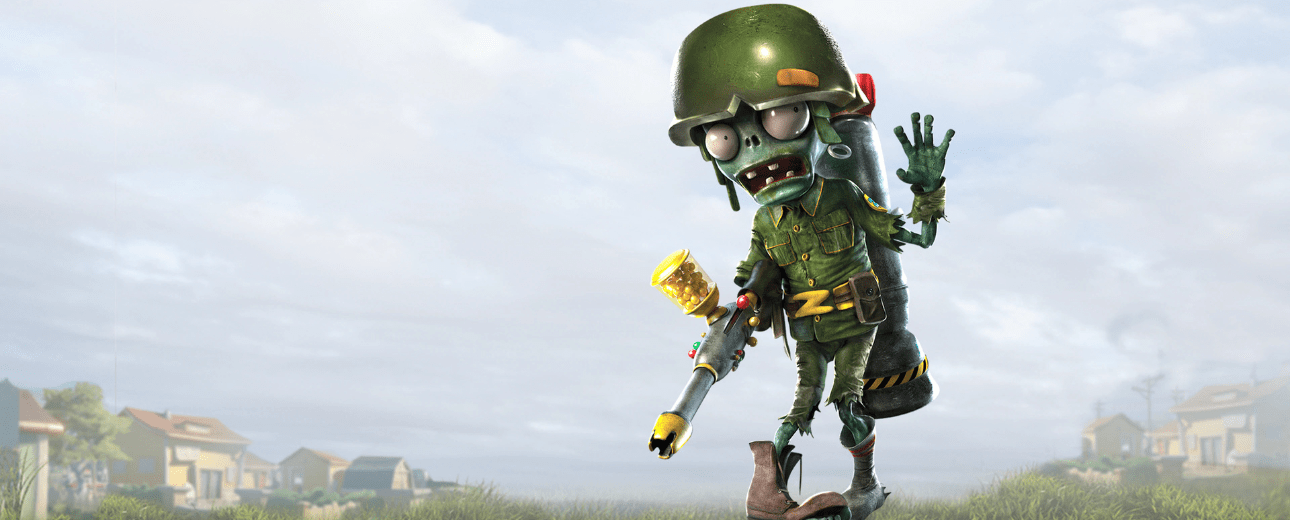
If you’ve ever jumped into the chaotic, colorful battlefields of Plants vs. Zombies Garden Warfare, you know that picking the right character can make or break your experience. And when it comes to versatile, reliable, all-around powerhouse characters, the Foot Soldier stands tall as one of the most iconic and beginner-friendly options in the entire game. This rocket-launching, jet-packing soldier of the undead army offers a perfect blend of mobility, firepower, and tactical flexibility that appeals to both newcomers and seasoned veterans alike. Whether you’re looking to dominate Team Vanquish matches, support your team in Gardens & Graveyards, or simply understand what makes this character tick, you’re in the right place. We’re diving deep into everything Foot Soldier—from basic mechanics to advanced tactics, from every variant’s strengths to the loadouts that will transform you into a battlefield menace. So strap on that jetpack, load up those rockets, and let’s march into the ultimate Foot Soldier guide.
What is Foot Soldier? Introduction to the Iconic Character
The Foot Soldier is one of the core zombie classes in Plants vs. Zombies Garden Warfare and its sequels, serving as the franchise’s answer to the classic military shooter soldier archetype. Armed with an assault rifle (the Z-1 Assault Blaster), a rocket launcher, and a jetpack, the Foot Soldier embodies versatility and straightforward combat effectiveness. Unlike some of the more specialized classes in Garden Warfare, the Foot Soldier excels at medium-range combat, can handle most situations competently, and doesn’t require mastering overly complex mechanics to be effective.
What makes the Foot Soldier particularly special is how it bridges the gap between Plants vs. Zombies’ whimsical charm and traditional third-person shooter gameplay. You’re playing as a literal zombie soldier with decomposing flesh and military gear, shooting pea-based weaponry and plant creatures, yet the core gameplay feels satisfyingly similar to established shooter franchises. This familiar yet unique combination is part of what made Garden Warfare such a surprising success when it launched.
The Foot Soldier’s role in team composition is typically that of a versatile DPS (damage per second) dealer who can adapt to various situations. Need someone to contest an objective? Foot Soldier can get there with his jetpack. Need sustained damage on a tough plant target? The assault rifle delivers consistent firepower. Need to clear out a group of enemies or damage a heavily defended position? The rocket launcher and ZPG (Zomboss Precision Guided missile) provide explosive solutions. This adaptability makes Foot Soldier valuable in virtually every game mode.
The design philosophy behind Foot Soldier
PopCap Games clearly designed the Foot Soldier as an accessible entry point for players new to Garden Warfare or even third-person shooters in general. The character doesn’t have steep learning curves like the Scientist’s teleportation mechanics or the complexity of managing the Engineer’s deployables. You point, you shoot, you use abilities when appropriate—it’s intuitive and immediately satisfying.
The assault rifle primary weapon fires in a fully automatic manner with minimal recoil, making it forgiving for players still developing their aim. The damage falloff is reasonable, allowing effectiveness at multiple ranges without being oppressively dominant at any single range. This balance prevents Foot Soldier from being a crutch character while maintaining accessibility.
Visually, the Foot Soldier sports a militaristic zombie aesthetic that’s simultaneously humorous and cool. The tattered uniform, the undead features, the oversized weapons—everything about the design communicates “zombie army grunt” while maintaining the playful tone that defines Plants vs. Zombies. Different variants offer visual customization ranging from arctic camouflage to superhero costumes, giving players ways to express personality.
Foot Soldier’s place in the Garden Warfare ecosystem
Across the Garden Warfare series (Garden Warfare 1, Garden Warfare 2, and Battle for Neighborville), the Foot Soldier has remained a consistent presence with relatively stable core mechanics. While specific variants and abilities have been tweaked between games, the fundamental identity—mobile assault class with explosive abilities—has remained intact.
In Garden Warfare 1, Foot Soldier was introduced alongside the Engineer, Scientist, and All-Star as the four base zombie classes. Even in this original incarnation, Foot Soldier established itself as perhaps the most well-rounded option, lacking the extreme strengths and weaknesses of other classes.
Garden Warfare 2 expanded the Foot Soldier roster significantly with new variants while refining the base mechanics slightly. The increased variant selection gave players more options for specialization—preferring fire damage over raw DPS, choosing accuracy over fire rate, etc. This depth added longevity to the character without fundamentally changing the core experience.
In Battle for Neighborville, the character was streamlined somewhat as part of the game’s shift away from variants toward customizable upgrades. The core Foot Soldier experience remained, but the approach to customization changed to focus on ability modifications and perk selections rather than entirely different character variants.
Foot Soldier Abilities: Complete Breakdown
Understanding the Foot Soldier’s abilities is crucial to mastering the character. Each ability serves a distinct tactical purpose, and knowing when and how to deploy them separates average players from exceptional ones. Let’s break down each ability in detail, exploring not just what they do but how to use them effectively.
The Foot Soldier in Garden Warfare typically has three core abilities (the exact abilities can vary slightly between game versions and variants, but the standard loadout includes): Rocket Jump (or Rocket Leap), ZPG (Zomboss Precision Guided missile), and Zombie Stink Cloud. These abilities combine to give the Foot Soldier tools for mobility, burst damage, and area denial/support.
Rocket Jump: Mastering mobility
Rocket Jump (sometimes called Rocket Leap in different versions) is the Foot Soldier’s signature mobility ability, allowing him to launch into the air using his rocket pack. This isn’t just a simple jump—it’s a powerful tactical tool that opens up positioning options unavailable to most other characters.
The mechanics are straightforward: activate the ability, and the Foot Soldier fires his rockets downward, propelling himself upward and slightly forward. At the peak of the jump, you have a brief moment of aerial hang time where you can aim and shoot before beginning your descent. The cooldown is relatively short (around 15 seconds in most versions), encouraging frequent use rather than hoarding the ability for emergencies.
Strategic applications of Rocket Jump are numerous and diverse. The most obvious use is vertical mobility—reaching rooftops, elevated platforms, or vantage points that other characters struggle to access. Many maps in Garden Warfare feature strategic high ground positions that offer sight lines over objectives or choke points. A Foot Soldier who masters Rocket Jump can claim these positions first and maintain aerial superiority.
The ability also serves as an excellent escape tool. When overwhelmed by plant enemies or caught in a bad position, Rocket Jumping creates immediate distance and forces opponents to readjust their aim vertically. Many players struggle to track targets during sudden vertical movement, giving you precious seconds to either escape completely or turn the tables with a mid-air ZPG shot.
Offensive applications shouldn’t be overlooked. Rocket Jumping directly over enemy positions allows you to rain down fire from above, bypassing cover that would protect them from ground-level attacks. The aerial perspective also gives you clear sight of enemy positions and movements, improving situational awareness even if you don’t secure kills during the jump itself.
Advanced players use Rocket Jump for unpredictable movement patterns. Instead of simply jumping straight up, you can angle your camera to influence the jump’s horizontal trajectory. Jumping at angles, over obstacles, or in unexpected directions makes you harder to hit and harder to predict. Combining Rocket Jump with strafing and erratic movement creates a mobility profile that’s genuinely difficult to counter.
One critical consideration is landing positioning. Where you land matters as much as where you jump from. Landing in the open with no cover nearby leaves you vulnerable during the brief recovery animation. Skilled Foot Soldiers plan their jump trajectory to land behind cover, near health pickups, or in positions that force enemies to reposition to engage them.
ZPG: The precision nuke
The ZPG (Zomboss Precision Guided missile) is the Foot Soldier’s ultimate offensive ability—a manually-guided rocket that deals massive damage in a small area. This ability perfectly embodies the “easy to use, difficult to master” philosophy, as landing ZPGs consistently against skilled, mobile opponents requires practice and prediction.
Mechanically, activating ZPG switches your view to a targeting mode where you’re locked in place and controlling a reticle. After a brief charging period, the rocket launches and you guide it toward your target using the reticle. The rocket has a fairly generous blast radius and deals devastating damage—enough to instantly eliminate most plant characters at full health if they take a direct hit.
The damage potential of ZPG cannot be overstated. Against stationary or slow-moving targets like Sunflowers planting in the open, Chompers mid-burrow, or rooted Cacti, ZPG virtually guarantees a kill. Even against mobile targets, the splash damage can chunk significant health, softening them for follow-up shots from your primary weapon.
However, the ability has significant vulnerabilities that skilled opponents will exploit. During the charging and firing animation, you’re completely immobile and vulnerable. Plants can rush you, snipe you, or simply move unpredictably to dodge the rocket. The lock-in-place mechanic means using ZPG requires either positioning in a safe location or accepting the risk of exposure.
Prediction and leading targets is the key skill for ZPG mastery. Against moving opponents, you must anticipate where they’ll be when the rocket arrives, not where they are when you fire. This requires understanding common movement patterns, recognizing when opponents are likely to change direction, and developing a sense for rocket travel time versus target speed.
Environmental factors affect ZPG effectiveness. Obstacles can block rockets, so you need clear line-of-sight not just to the target’s current position but to their predicted position. Some plants can use abilities (like Peashooter’s Hyper) to suddenly accelerate, making prediction harder. Learning which plant abilities allow sudden movement changes helps you time ZPGs for moments when opponents are committed to their current trajectory.
Group targeting with ZPG can be extremely effective. When multiple plants cluster together (common when attacking or defending objectives), a well-placed ZPG can damage or eliminate multiple targets simultaneously. The psychological impact of a multi-kill ZPG often disrupts plant team coordination, as survivors scatter to avoid being the next target.
Advanced players also use ZPG as area denial. The mere threat of ZPG can force plants to maintain distance or abandon positions. If plants know a Foot Soldier with ZPG ready is watching an area, they must either find alternative routes or risk the rocket. This tactical pressure creates space for your zombie team even without firing a shot.
Zombie Stink Cloud: Area denial and support
The Zombie Stink Cloud is the Foot Soldier’s most team-oriented ability, deploying a noxious green cloud that deals damage over time to any plants who enter it while also obscuring vision. This ability excels at area denial, objective control, and supporting allied zombies by creating hazardous zones that plants must respect or navigate around.
When deployed, the Stink Cloud creates a stationary gas cloud that persists for several seconds. Any plant character who enters the cloud takes continuous damage—not enough to kill quickly on its own, but significant enough to be threatening, especially to low-health stragglers or when combined with other damage sources. The cloud also reduces visibility for both teams, though zombies can move through it without harm.
Objective control is where Stink Cloud shines brightest. In Gardens & Graveyards, deploying the cloud on a garden point forces defending plants to either leave the point (allowing zombie capture) or stay and take damage. This creates lose-lose situations for plants—abandon the objective or sacrifice health. Combined with zombie team pressure, Stink Clouds can turn contested objectives in your favor.
The vision obstruction aspect creates tactical opportunities for your team. While plants are blinded or disoriented by the cloud, zombies can push through it or flank around it to secure advantageous positions. The cloud effectively creates a temporary smoke screen that zombies can exploit for aggressive plays or strategic repositioning.
Zoning specific plant classes is another strong use case. Long-range plants like Cactus rely on clear sight lines to be effective. Deploying Stink Cloud to block their vision or force them to relocate disrupts their ability to control areas. Similarly, placing clouds on common approach routes forces plants to take alternative paths, which you and your team can anticipate and punish.
Defensive applications shouldn’t be ignored. If zombies are retreating or trying to hold a position against plant pushes, Stink Cloud placed in choke points or doorways creates hazardous zones that slow plant advances. Plants must either take damage pushing through or find alternative routes, buying precious time for zombie reinforcements or ability cooldowns.
Combining Stink Cloud with other abilities amplifies effectiveness. Drop a cloud on a group of plants, then immediately Rocket Jump above them and rain down fire—they’re already taking cloud damage and have reduced visibility, making your aerial assault more effective. Coordinating with teammate abilities (like Engineer’s Sonic Grenade or All-Star’s Imp Punt) can trap plants in the cloud for extended damage.
The ability’s cooldown is moderate, encouraging regular use rather than hoarding. Treat Stink Cloud as a tool to be deployed frequently at strategic moments rather than an ultimate ability saved for perfect situations. Regular cloud deployment maintains constant pressure on plant teams and creates recurring tactical advantages.
All Foot Soldier Variants: Complete Analysis and Rankings
One of Garden Warfare’s most beloved features is the variant system, offering different versions of each character with unique weapons, stats, and playstyles. The Foot Soldier has numerous variants across the Garden Warfare games, each catering to different preferences and strategies. Let’s explore every major Foot Soldier variant, analyzing their strengths, weaknesses, and ideal use cases.
Understanding variant differences allows you to select the Foot Soldier that best matches your playstyle. Some players prefer high fire rate for consistent damage, others want burst damage for quick eliminations, and some prioritize accuracy for long-range engagements. The variant system accommodates all these preferences while maintaining the core Foot Soldier identity.
Default Foot Soldier: The reliable all-rounder
The standard Foot Soldier (sometimes called Basic Foot Soldier or simply Foot Soldier) serves as the baseline against which all variants are measured. Armed with the Z-1 Assault Blaster, this version offers balanced stats across the board—decent damage, good fire rate, manageable recoil, and no elemental gimmicks.
The default variant’s greatest strength is versatility. It performs adequately in all situations without excelling or failing dramatically in any specific context. This makes it excellent for learning the character’s mechanics, understanding ability usage, and developing general Foot Soldier skills before specializing into more niche variants.
For players who value consistency over specialization, the default Foot Soldier remains viable even at high-level play. Its lack of extreme strengths means it also lacks extreme weaknesses—you’re never at a severe disadvantage in any matchup or situation. This reliability appeals to players who prefer steady performance over situational dominance.
Super Commando: The sniper soldier
Super Commando trades the assault rifle for a semi-automatic, high-damage weapon that excels at long range. Each shot deals significantly more damage than default, but the fire rate is much slower, requiring more precise aim and rewarding headshots.
This variant transforms Foot Soldier into a pseudo-sniper, capable of threatening plants at ranges where other Foot Soldiers struggle. The increased damage per shot means fewer hits needed for eliminations, which is crucial when engaging targets who can quickly find cover. Patient, accurate players excel with Super Commando.
However, the slower fire rate creates vulnerability in close combat. Against aggressive plants like Chomper or close-range Sunflowers, Super Commando’s inability to quickly dish out damage can be fatal. This variant requires strong positioning awareness—maintaining advantageous range while avoiding situations where plants can close distance.
Headshot consistency determines Super Commando effectiveness. Body shots are still decent, but landing headshots dramatically reduces time-to-kill and establishes Super Commando as a genuine threat. Players with good aim should prioritize this variant, while those still developing accuracy might find the slower fire rate frustrating.
General Supremo: The burst damage king
General Supremo features a burst-fire weapon that shoots three-round bursts, balancing between full-auto spray and semi-auto precision. Each burst deals solid damage, especially if all three rounds connect with critical hit zones.
The burst-fire mechanic rewards controlled engagement. Unlike full-auto variants where holding the trigger works fine, General Supremo benefits from timing your bursts and aiming carefully to maximize all three shots connecting. This creates a higher skill ceiling but also higher damage potential for skilled players.
This variant excels at medium range where you can reliably land full bursts without extreme recoil interfering. Too close and enemies can strafe erratically between bursts; too far and spread/dropoff reduces effectiveness. Finding that sweet spot distance makes General Supremo devastating.
Ammo management becomes more relevant with General Supremo since you’re firing in discrete bursts rather than continuous spray. You can more easily track remaining ammo and plan reloads strategically. The forced pauses between bursts also create natural rhythm for assessing situations and adjusting positioning.
Tank Commander: The armored assault
Tank Commander (available in Garden Warfare 2) offers increased health at the cost of reduced movement speed. This variant embodies the “tank” archetype—you’re harder to kill but easier to hit, emphasizing sustained firefights over mobility.
The extra health allows aggressive playstyles that would be suicidal on squishier variants. You can push objectives more boldly, trade damage more favorably, and survive encounters that would eliminate other Foot Soldiers. This makes Tank Commander excellent for objective-focused modes where you need bodies on points.
However, the reduced movement speed has significant downsides. Escaping bad situations becomes harder, dodging projectiles requires earlier reactions, and you’re more vulnerable to being overwhelmed by multiple opponents. The Rocket Jump remains available, but the slower base movement makes positioning between jumps more critical.
Tank Commander pairs well with team support. Having Engineer healing stations or Scientist support amplifies your durability advantage, making you an extremely difficult target to dislodge. Playing near your team rather than solo flanking maximizes Tank Commander’s strengths.
Camo Ranger: The stealth damage dealer
Camo Ranger fires slightly slower than default but deals increased damage, positioning itself between standard and Super Commando on the damage-versus-fire-rate spectrum. The aesthetic features military camouflage, fitting the variant’s identity as a special forces operative.
This variant represents a damage upgrade without committing fully to the semi-auto playstyle of Super Commando. You maintain reasonable fire rate for close-to-medium encounters while gaining extra punch that reduces shots-to-kill. It’s essentially a “better default” for players who can handle slightly slower fire rate.
The damage increase becomes most noticeable when finishing wounded targets or engaging lower-health plant classes. That extra damage per shot often means the difference between an enemy escaping with a sliver of health versus securing the elimination. Over the course of a match, these micro-advantages accumulate significantly.
Recoil patterns and handling feel similar to default Foot Soldier, making Camo Ranger an easy transition for players comfortable with the standard variant but wanting a bit more damage output. The learning curve is minimal while the performance gain is tangible.
Arctic Trooper: Ice and nice
Arctic Trooper fires ice-based projectiles that deal slightly reduced damage compared to default but have a chance to freeze targets after sustained hits. The ice effect slows enemy movement and, with enough consecutive hits, can completely freeze them in place briefly.
The crowd control aspect makes Arctic Trooper valuable for team play. Slowing or freezing dangerous plant threats allows your teammates to secure kills more easily. Against mobile plants like Peashooter, the slow effect significantly reduces their defensive advantage of speed and agility.
However, the slightly reduced damage means lower solo kill potential. In one-on-one fights, you’re mathematically disadvantaged compared to higher-damage variants. Arctic Trooper works best when capitalizing on the utility it provides rather than trying to be a primary damage dealer.
Freeze mechanics require sustained fire on a single target, which isn’t always practical in chaotic team fights where targets constantly change. Arctic Trooper shines in scenarios where you can focus fire on priority targets—defending/attacking objectives with predictable plant positions, or in smaller skirmishes where target switching is less frequent.
Sky Trooper: Explosive specialist
Sky Trooper (Garden Warfare 2) features a fully automatic weapon that fires explosive rounds, dealing area-of-effect damage with each shot. This unique mechanic makes Sky Trooper exceptional at damaging groups and dealing with plants behind partial cover.
The splash damage means near-misses still deal damage, making Sky Trooper more forgiving for players with developing aim. You don’t need perfect accuracy—shooting near targets is often enough, especially against grouped enemies where splash from multiple shots accumulates quickly.
This variant excels at suppression and area denial. The explosive nature of every shot creates visual clutter and psychological pressure. Plants under Sky Trooper fire often retreat or panic even if they’re not taking catastrophic damage, simply because the constant explosions are overwhelming.
However, Sky Trooper has drawbacks. The explosive rounds deal reduced direct damage compared to other variants, so you need more direct hits or rely on splash accumulation. Against single, mobile targets in open spaces, higher-damage variants might secure kills faster.
Indirect fire potential is unique to Sky Trooper. You can shoot slightly over cover or around corners, with splash damage affecting targets you don’t have perfect line-of-sight on. This creates tactical options unavailable to other variants, particularly in objective modes with lots of cover.
Park Ranger: The critical hit specialist
Park Ranger features reduced fire rate but deals significantly increased critical damage. Headshots with Park Ranger are devastating, often requiring fewer hits to eliminate targets compared to any other variant. This variant rewards precise, deliberate aim.
Players with strong aim mechanics find Park Ranger incredibly rewarding. The damage potential from consistent headshots is unmatched, allowing you to delete targets faster than they can react. Against rooted Cacti, stationary Sunflowers, or any plant not actively evading, Park Ranger becomes a elimination machine.
The reduced fire rate makes missed shots costly. In fast-paced encounters where both players are moving erratically, landing headshots becomes difficult, and the slower fire rate means you’re dealing less damage overall compared to variants that spray more bullets. Park Ranger has a high skill floor and high skill ceiling.
Long-range engagements suit Park Ranger well. At distance, targets move more predictably relative to your reticle, making headshots more achievable. The increased critical damage compensates for any range-related damage falloff that affects other variants, maintaining lethality at extended ranges.
Scuba Soldier: Underwater specialist
Scuba Soldier (Garden Warfare 2) specializes in underwater combat, moving faster and dealing more damage while submerged. On land, it performs similarly to default Foot Soldier, making it a versatile pick on maps with significant water areas.
The underwater advantages are significant on appropriate maps. Scuba Soldier dominates aquatic combat, easily eliminating plant characters who venture into the water. This creates area denial—plants must avoid water zones or risk fighting at severe disadvantage.
However, many maps have limited or no water, making the specialization irrelevant. On these maps, Scuba Soldier effectively becomes a default Foot Soldier without any particular advantage. Map knowledge and selection are crucial for maximizing this variant’s value.
Strategic players use Scuba Soldier to control water-based flanking routes. On maps where water offers alternative paths to objectives, Scuba Soldier can patrol these routes efficiently, preventing plant flanks and securing safe passage for zombie teammates.
Centurion: The balanced elemental
Centurion offers a balanced approach with fire-based ammunition that can set targets aflame, dealing damage over time. The base damage is reasonable, and the fire effect adds additional total damage if targets burn for the full duration.
The fire damage over time is excellent against plants who escape with low health. Even if they reach cover or healing, the burn continues ticking, potentially securing eliminations you wouldn’t otherwise get. This makes Centurion particularly good at finishing fleeing targets.
Unlike some elemental variants that sacrifice too much base damage for their effect, Centurion maintains competitive direct damage. You’re not severely handicapped in straight firefights, while the added burn gives you an edge in prolonged engagements or when targets break line of sight.
Psychological impact of being on fire shouldn’t be underestimated. Plants who catch fire often panic or play more defensively, even if the actual damage isn’t immediately lethal. This behavioral change creates opportunities for you or your teammates to capitalize on their disrupted play.
Best Loadouts and Ability Combinations
Creating the optimal loadout for Foot Soldier involves more than just picking your favorite variant. Understanding how abilities synergize, which customization options complement your playstyle, and how to adapt loadouts for different game modes separates good Foot Soldier players from great ones.
A loadout in Garden Warfare context typically includes your chosen variant, your selected abilities (in games where you can customize beyond the defaults), and any character upgrades or customizations available. In Battle for Neighborville specifically, this extends to choosing ability upgrades and perk selections that modify how your abilities function.
Aggressive assault loadout
For players who want to be in the thick of combat, constantly pressuring plants and fighting over objectives, an aggressive loadout emphasizes damage output and survivability during extended fights. The ideal variant for this approach is often Tank Commander or Centurion, both of which can sustain prolonged engagements.
The ability priority shifts toward offensive application. Use Rocket Jump primarily for positioning on objectives or closing distance to vulnerable targets rather than escaping. The added health (Tank Commander) or burn damage (Centurion) allows you to commit to fights that other variants would need to disengage from.
Stink Cloud becomes crucial for objective denial. When pushing a garden or defending a graveyard, immediately deploy clouds on the contested point to force plants into disadvantageous positions. Combine this with your team’s push for maximum effectiveness—the cloud softens targets your teammates can then eliminate.
ZPG usage in aggressive play requires confidence and timing. You’re often firing from exposed positions or mid-combat rather than from safe ranges. Learning to fire ZPG during brief pauses in plant aggression (when they’re reloading, using abilities, or momentarily taking cover) minimizes the vulnerability window.
Upgrade selections (in games offering this) should prioritize survivability and objective performance. Health regeneration perks, reduced ability cooldowns for Stink Cloud, or ZPG damage improvements all support the aggressive playstyle by increasing your impact during extended objective fights.
Ranged support loadout
For players who prefer supporting their team from safer positions, picking off weakened targets, and maintaining pressure without being the frontline, a ranged loadout emphasizes accuracy and damage at distance. Super Commando or Park Ranger excel in this role.
Rocket Jump becomes primarily a repositioning tool for claiming high ground or escaping when plants push your position. Rather than jumping into combat, you jump away from danger or to elevated sniping positions that offer clear sight lines over objectives.
ZPG serves as your long-range elimination tool against stationary or predictable targets. From safe range, you can take time to line up perfect shots on rooted Cacti, planted Sunflowers, or plants focused on your frontline teammates. The distance provides safety during the vulnerable firing animation.
Stink Cloud usage shifts toward area denial at choke points rather than aggressive objective contestation. Deploy clouds to block plant advancement routes or obscure their long-range plants’ sight lines. You’re controlling space rather than directly fighting on points.
Customization focus should emphasize accuracy and critical damage where available. Any upgrades that tighten spread, improve aim-down-sights effectiveness, or increase headshot damage amplify your ranged effectiveness. Zoom sensitivity adjustments can also improve long-range targeting consistency.
Balanced all-rounder loadout
The jack-of-all-trades approach uses Default Foot Soldier, Camo Ranger, or General Supremo—variants without extreme specialization. This loadout remains flexible, adapting to whatever the match demands without being pigeonholed into one role.
Ability usage becomes situational and adaptive. Rocket Jump serves as both aggressive positioning and defensive escape depending on context. ZPG targets both grouped enemies for multi-kills and single high-value targets like Sunflowers supporting their team. Stink Cloud deploys offensively on objectives or defensively at choke points.
This approach requires strong game sense to recognize what your team needs moment-to-moment. Are you short on objective pressure? Push aggressively. Too many zombies dying on point? Hang back and provide covering fire. Team lacks finishers for low-health escaping plants? Focus on securing those eliminations.
Customization for balanced play emphasizes reducing cooldowns and improving general effectiveness. Faster ability recharge allows you to use tools more frequently, adapting to more situations. General damage or health upgrades improve performance across all scenarios without overspecializing.
Team support loadout
Some players find their greatest value in maximizing team utility rather than personal eliminations. For this, Arctic Trooper or variants with team-friendly abilities work best, combined with tactical ability usage that sets up teammates for success.
Arctic Trooper’s freezing effect becomes the primary value proposition. You’re not necessarily securing kills yourself but making kills easier for teammates. Slow or freeze high-priority targets, allowing your team’s close-range zombies or Engineers to capitalize on the immobilized plants.
Stink Cloud deployment focuses on creating advantages for teammates. Drop clouds that obscure plant defenders’ vision during zombie pushes, or place clouds that force plants into predictable retreat paths where your teammates can intercept them. You’re thinking two steps ahead about team positioning.
Communication enhances this playstyle significantly. Calling out frozen targets, announcing Stink Cloud placements, or coordinating ZPG shots with teammates’ ultimate abilities creates synergistic plays that win team fights and objectives.
Upgrade priorities should improve team utility where possible. Longer-lasting Stink Clouds, larger ZPG blast radius for easier teammate follow-up, or even personal survivability to maintain utility presence all support the team-focused approach.
Mode-specific loadouts
Different game modes have different optimal loadouts. Gardens & Graveyards emphasizes objective control and team fights, making Tank Commander with aggressive Stink Cloud usage ideal. Team Vanquish prioritizes eliminations, favoring damage-focused variants like Super Commando or Park Ranger.
In Gnome Bomb, mobility becomes crucial for retrieving and planting bombs. Variants with good all-around stats like Default or Camo Ranger work well, with Rocket Jump used extensively for bomb-running mobility. Stink Cloud placed on bomb sites (whether attacking or defending) creates advantageous scenarios.
Turf Takeover modes require adaptability as objectives change. A balanced loadout that can contribute to multiple phases—both assault and defense—provides more consistent value than hyper-specialized builds that excel in one scenario but struggle in others.
Advanced Tactics and Pro Strategies
Once you’ve mastered the basics of Foot Soldier, there’s an entirely deeper layer of tactics and techniques that separate elite players from merely competent ones. These advanced strategies require practice, game knowledge, and situational awareness, but they’ll elevate your Foot Soldier gameplay to the next level.
Ability chaining represents one of the most impactful advanced techniques. Rather than using abilities in isolation, elite players string them together in combinations that amplify effectiveness. The classic chain: Rocket Jump above enemies → ZPG mid-air toward grouped targets → Stink Cloud on their position as you land → finish weakened targets with primary fire. This sequence deals massive damage, creates chaos, and establishes positional advantage all within seconds.
Aerial ZPG mastery
One of the most spectacular and effective advanced techniques is firing ZPG while airborne during Rocket Jump. This combines mobility with burst damage, allowing you to reposition while simultaneously threatening a devastating attack. The aerial perspective also gives you clearer sight lines over cover and obstacles that would block ground-level ZPG shots.
The timing requires practice. You must activate ZPG at the apex of your jump to maximize the time you have for aiming before landing. Activating too early means you’re still rising and the aiming window is awkward; too late and you’re falling before the rocket launches.
Target selection for aerial ZPG focuses on clustered enemies or stationary targets. The additional complexity of aiming while airborne makes hitting single mobile targets difficult even for skilled players. However, grouped plants defending an objective present a large target where precision is less critical.
Risk management is crucial with this technique. You’re using both major abilities simultaneously, leaving you without escape or burst damage options afterward. Only attempt aerial ZPG when success would be game-changing (multi-kill potential, eliminating key plant defenders) or when you can safely retreat after landing.
Spawn point manipulation
Understanding and manipulating spawn points creates significant tactical advantages. In modes with fixed spawn locations, controlling areas that force enemy spawns farther from objectives is valuable. As Foot Soldier, your mobility allows you to quickly reach and pressure enemy spawn zones.
However, overextending into spawn areas can be counterproductive if it pulls you away from objectives your team needs to contest. The balance is pressuring spawns enough to buy your team time (forcing plants to travel farther to reach contested areas) without abandoning objective participation entirely.
Spawn camping, while controversial, is sometimes strategically optimal. If eliminating a key plant character (like a dominant Cactus or skilled Sunflower) repeatedly prevents them from impacting the match, the individual eliminations matter less than the sustained pressure. However, recognize when a plant has adapted to your pressure and is successfully evading or countering—persistence becomes stubbornness at that point.
Alternatively, protecting your team’s spawn from plant infiltrators falls within Foot Soldier’s capabilities. If enemy Chompers or Peashooters are harassing your spawn, Foot Soldier’s balanced kit allows you to defend effectively without needing extreme specialization.
Cross-map positioning
Elite Foot Soldiers develop macro-level map awareness, understanding the entire battlefield flow rather than just their immediate surroundings. This allows strategic positioning that impacts multiple areas—holding locations that overlook several routes, positioning to support multiple lanes, or setting up flanks that threaten plant backlines.
Identify keystone positions on each map: elevated spots offering sight lines over critical areas, locations that allow quick rotation between objectives, or positions that are difficult for plants to assault but easy for you to defend. Claim these early and use them as operational bases.
Rotation timing separates good positioning from great positioning. Moving between positions or objectives at optimal times—after securing an elimination that buys you time, when abilities are on cooldown anyway, or when teammates can cover your absence—maintains constant pressure without leaving vulnerabilities.
Understanding when to abandon positions is as important as claiming them. If plants commit multiple characters to dislodging you, sometimes the correct play is relocating rather than fighting to the death. Your survival allows continued contribution elsewhere, while the plants waste time and resources on an empty position.
Ammunition and reload management
While seemingly basic, advanced ammunition management impacts DPS significantly. Reloading at suboptimal times—mid-fight with rounds remaining, when enemies push, or without cover—reduces your combat effectiveness dramatically.
Develop habits of reloading during downtime: after securing eliminations when no immediate threats exist, while in cover with teammates providing security, or during ability animations (Rocket Jump travel time is perfect for quick reloads). Never enter engagements with partial magazines unless absolutely necessary.
Counting shots mentally allows you to know exactly how many rounds remain without constantly checking ammo counters. Elite players develop a feel for magazine capacity, knowing “I’ve fired approximately 20 rounds, meaning 10 remain” without consciously thinking about it. This subconscious tracking prevents unexpected empty magazines mid-fight.
Some variants benefit from partial reloads when safe—topping off magazines after small engagements even if you only fired a few shots. This ensures you enter the next fight with full capacity. Other variants have long enough reload times that you’re better off fully committing magazines and reloading only when empty.
Target prioritization frameworks
Developing consistent target priority improves team fight impact. A framework like: 1) Sunflowers healing allies, 2) low-health targets you can quickly eliminate, 3) threats targeting you or teammates, 4) generic targets allows quick decision-making without analysis paralysis during chaotic fights.
Sunflower elimination should almost always be your highest priority when feasible. Sunflowers healing their team dramatically extend fights and negate your damage output. One eliminated Sunflower often cascades into multiple plant eliminations as their team loses sustain.
However, recognize when target switching is necessary. If you’re damaging a full-health tank plant while an allied zombie dies to a low-health Peashooter you could’ve finished, your target priority was poor. Adaptability within your framework beats rigid adherence to rules.
Threatened teammates sometimes warrant shifting focus. If an allied Scientist is about to die to a Chomper you could interrupt with quick fire, saving the Scientist provides more value than continuing damage on your current target. Team preservation multiplies long-term effectiveness.
Ultimate ability timing
In Battle for Neighborville and some Garden Warfare 2 modes, ultimate abilities or super-charged states become available periodically. Holding ultimates for perfect moments versus using them regularly for steady value is a constant tension.
Generally, using powerful abilities somewhat proactively rather than reactively generates more value. Waiting for the “perfect” ZPG quad-kill opportunity might mean never using it, while firing at decent opportunities (2-3 targets, securing objective-critical eliminations) generates concrete value.
However, recognize game-decisive moments where holding abilities for critical pushes makes sense. If your team is about to make the final push on the last objective, having ZPG ready for the decisive team fight justifies holding it for several seconds rather than using it earlier for a single elimination.
Economy of resources applies to ability usage. If using ZPG secures an objective that wins the round, the ability’s cooldown doesn’t matter—the match is over anyway. Understanding when resource conservation is irrelevant because the match will end soon allows aggressive ability expenditure for maximum impact.
Common Mistakes and How to Avoid Them
Even experienced Foot Soldier players sometimes fall into traps that reduce their effectiveness. Recognizing these common mistakes and consciously avoiding them will immediately improve your gameplay and consistency.
The most prevalent mistake is overusing Rocket Jump offensively without planning the landing or escape. New players discover Rocket Jump’s fun mobility and start launching into enemy formations without considering what happens when they land. You’re surrounded, low on health from incoming fire, and your escape ability is on cooldown—usually resulting in death.
Ability wastage and cooldown mismanagement
Using abilities unnecessarily or thoughtlessly creates periods where you lack crucial tools. Firing ZPG at a single low-health target you could’ve eliminated with primary fire wastes the ability’s potential. Deploying Stink Cloud in random areas without tactical purpose means it’s on cooldown when you actually need area denial.
Cooldown tracking helps prevent wastage. Before using an ability, consciously ask: “Is this the best use right now, or should I save it for an imminent better opportunity?” If a major objective push is happening in 10 seconds, maybe hold that ZPG for the team fight rather than firing it at a single target immediately.
However, the opposite mistake—hoarding abilities excessively—is equally problematic. Players who always wait for “the perfect moment” end matches having barely used their abilities at all. The perfect balance is using abilities regularly at good opportunities while retaining flexibility for truly critical moments.
Staggering ability usage rather than dumping everything simultaneously provides sustained pressure. Use Rocket Jump now, ZPG in 5 seconds, Stink Cloud 5 seconds after that—creating waves of threats rather than one burst followed by prolonged vulnerability.
Poor positioning and map awareness
Many Foot Soldier deaths result from positioning errors rather than losing direct firefights. Standing in the open without cover, overextending beyond teammate support, or failing to notice flanking plants creates easy eliminations for the enemy team.
Develop constant environmental scanning: where’s the nearest cover? Where are my teammates? Where could enemies be approaching from? This habitual awareness prevents being caught by surprise and enables quick defensive reactions when threats emerge.
Overextending kills more Foot Soldiers than any other single mistake. Chasing low-health targets deep into plant territory, pushing alone while your team regroups, or holding forward positions without support inevitably results in getting overwhelmed. Recognize when you’ve pushed too far and retreat before it’s too late.
Conversely, playing too passively reduces your impact. If you’re constantly at maximum range, never pressuring objectives, avoiding any risk, you’re not fulfilling Foot Soldier’s role as a versatile combatant. Find the aggressive-safe balance that maximizes contribution without feeding eliminations.
Ignoring team composition and roles
Playing Foot Soldier as if you’re in a single-player game ignores the team dynamics that determine match outcomes. Failing to support struggling teammates, not adapting to what your team needs, or duplicating roles that are already filled reduces overall team effectiveness.
If your team already has multiple long-range zombies, consider playing closer to objectives rather than adding to the backline crowd. If your team lacks frontline pressure, be more aggressive even if it’s not your preferred style. Adaptation to team needs beats playing your comfort zone when it’s inappropriate.
Communication amplifies team play. Calling out enemy positions, announcing ability usage (“ZPG ready, group up for the push”), or requesting support when overwhelmed helps coordinate team actions. Even simple callouts dramatically improve team cohesion.
Variant mismatch to situation
Using inappropriate variants for specific situations or maps reduces effectiveness. Taking Super Commando on a close-quarters map with limited sight lines negates your range advantage. Using Tank Commander when the objective requires speed and mobility frustrates your slower movement.
Map knowledge informs variant selection. Learn which maps favor certain playstyles—long sight lines for Super Commando, tight corridors for high-fire-rate variants, lots of vertical spaces for mobility-focused play—and select accordingly.
Similarly, adapting to enemy composition improves performance. If plants are running multiple Chompers or close-range threats, variants with better close-quarters capability (higher fire rate, movement bonuses) perform better than slow-firing precision variants.
Tunnel vision on eliminations
Focusing exclusively on kill counts rather than objective play loses matches. You might have impressive eliminations but if you never contest objectives, defend teammates, or create space for your team, your contribution is superficial. Eliminations are a means to objectives, not the end goal.
Recognize situations where not fighting is correct. If contesting a specific plant pull you away from where you need to be, sometimes letting them go is right. If fighting over an irrelevant area wastes time, disengage. Elimination opportunities aren’t always worth taking.
Objective priority should guide decision-making in objective modes. One elimination on the objective is worth more than two eliminations in backfield fights that don’t impact objective control. Keep asking “does this action help us win?” rather than “will this get me a kill?”
Foot Soldier Across Game Modes: Tactical Guides
Different game modes in Garden Warfare require different approaches and tactics. Understanding how to optimize Foot Soldier’s kit for each mode’s unique objectives and flow patterns significantly improves your win rate and contribution.
Gardens & Graveyards represents the signature Garden Warfare mode, featuring objective-based attack/defense gameplay where zombies push through multiple sequential objectives while plants defend. Foot Soldier excels in this mode due to versatile contribution potential on both sides.
Gardens & Graveyards: Objective warfare
When attacking in Gardens & Graveyards, Foot Soldier’s primary responsibility is creating and maintaining pressure on contested gardens. Use Rocket Jump to quickly reach objectives from spawn, Stink Cloud to force defenders off points, and ZPG to eliminate groups of defenders or key targets sustaining plant defense.
The sequential nature creates timing windows. In the seconds immediately after capturing an objective, plants are spawning farther away and traveling toward the new objective. This window is perfect for aggressive positioning—claim strong spots before defenders arrive. Conversely, in the final seconds before objectives time out, sometimes suicide pushing to contest matters more than survival.
When defending, Foot Soldier becomes a flexible responder. Position centrally to quickly rotate to whichever objective needs reinforcement. Use ZPG to punish zombie clusters attempting to swarm objectives. Deploy Stink Clouds on contested points to damage multiple zombies simultaneously while obscuring their vision.
Spawn control matters more in Gardens & Graveyards than other modes. As attackers, pressuring plant spawns creates advantageous situations; as defenders, protecting your spawn from harassment ensures consistent reinforcements. Foot Soldier’s balanced kit handles both roles adequately.
Ultimate timing in Gardens & Graveyards should align with objective phase transitions. Having abilities ready for critical moments—last desperate objective defense, final push for victory—matters more than using them on cooldown. Plan ability expenditure around phase structure.
Team Vanquish: Elimination focus
Team Vanquish is pure deathmatch—first team to reach the elimination target wins. Foot Soldier’s consistent combat effectiveness makes it strong in this mode, though it doesn’t have the extreme specialization of some other classes.
Engagement selection becomes crucial in Vanquish. Unlike objective modes where you must sometimes take unfavorable fights to contest points, Vanquish allows pure opportunistic fighting. Only engage when you have advantages—numerical superiority, positional advantage, ability availability—and disengage from disadvantageous fights.
Kill securing versus damage dealing creates interesting decisions. Dealing 90% damage to a target that a teammate finishes awards them the point. Sometimes focusing on securing kills from damaged targets rather than starting fresh damage on full-health enemies maximizes your personal score and team points.
However, team coordination still matters more than individual performance. A coordinated team trading favorably (losing one zombie to eliminate two plants) will outscore a team of skilled individuals fighting selfishly. Support teammates, focus fire priority targets, and value team eliminations over personal stats.
Map control through strategic positioning allows you to choose engagements. Holding areas with good sight lines and multiple escape routes lets you engage threats when you have advantage and retreat when overwhelmed. Let enemies come to your controlled space rather than constantly pushing into theirs.
Gnome Bomb: Tactical objective mode
Gnome Bomb combines objective play with elimination focus—teams fight to retrieve a neutral bomb, plant it at enemy objectives, or defend their own sites. Foot Soldier’s mobility and versatility excel in this mode’s dynamic flow.
Bomb running becomes a consideration. Rocket Jump allows quick retrieval of the bomb and rapid transport toward plant sites. However, carrying the bomb makes you the focal point for all enemy attention, requiring either teammate support or suicide-run mentality.
When your team has the bomb, create space for the carrier. Engage and eliminate plants threatening the runner, use Stink Cloud to zone defenders away from the planting site, and use your own positioning to draw attention away from the actual carrier.
When plants have the bomb, elimination becomes prevention. You don’t need to contest the bomb directly—eliminating the carrier from range works perfectly. Use Super Commando or Park Ranger variants to snipe carriers from safety, or ZPG groups of plants protecting their carrier.
Site defense after planting requires holding positions against plant defusal attempts. Stink Cloud on the bomb site damages plants trying to defuse, ZPG punishes groups attempting coordinated rushes, and Rocket Jump allows quick repositioning if your defensive position gets overrun.
Turf Takeover: Epic scale warfare
Turf Takeover (Garden Warfare 2’s evolution of Gardens & Graveyards) features larger maps and more complex multi-stage objectives. Foot Soldier’s flexibility allows contribution across all phases, but understanding each map’s unique flow is critical.
Different Turf maps have different chokepoints and flanking routes. Learn these thoroughly—which routes allow quick Rocket Jump navigation, which positions overlook multiple lanes, where plants typically set up defenses. This knowledge lets you exploit map geometry effectively.
Some Turf objectives require specific approaches. Defend-the-garden objectives benefit from Tank Commander’s durability, while assault phases favor mobile variants. Consider switching variants between phases if the mode allows it, or at minimum adapt your playstyle.
Vehicle destruction sometimes becomes relevant in Turf modes with plant or zombie vehicles. Foot Soldier’s sustained damage and ZPG burst both contribute to vehicle elimination. Prioritize immobile vehicles (planted plants, rooted Corn strikethrough abilities) over mobile threats you struggle to hit.
In final objective defenses where the match is decided, commit everything. Ability cooldowns are irrelevant if the match ends anyway, so use ZPG aggressively even in suboptimal situations. Trade your life for critical eliminations that prevent plant victory or secure zombie success.
Boss Hunt and special modes
Various special modes and events introduce unique rules or objectives. Some feature boss enemies with massive health pools (ideal for Foot Soldier’s sustained damage), others have modified rules that change normal tactics.
In modes with boss enemies, Foot Soldier contributes strong sustained DPS while remaining mobile enough to avoid boss attacks. Position at medium range to maximize uptime on the boss while maintaining dodge potential. ZPG during boss stun phases or when the boss is immobile maximizes guaranteed damage.
Modified rule sets (doubled damage, infinite abilities, random variants) require tactical adaptation. Infinite ability modes obviously favor ZPG spam, while doubled damage emphasizes first-shot accuracy and positioning over sustained fighting. Embrace the chaos while applying fundamental positioning and awareness principles.
Countering Plants: Matchup Guide
Understanding how to fight each plant character improves your Foot Soldier effectiveness dramatically. Different plants require different approaches, and recognizing these matchups allows you to adapt tactics on the fly.
Peashooter represents a relatively balanced matchup. Both characters excel at medium range with automatic weapons, so fights often come down to movement, aim, and ability usage. Respect Peashooter’s Hyper ability—it grants sudden mobility that can dodge your ZPG or close distance rapidly. Wait for Hyper to end before committing ZPG, or use it while Peashooter is using other abilities and can’t Hyper-dodge.
Chomper: The close-range threat
Chomper is probably Foot Soldier’s most dangerous matchup when the Chomper player is skilled. Chomper’s burrow allows ambush attacks that can instantly eliminate you, and the close-range goop immobilizes you for easy kills. However, Chomper struggles at range and is vulnerable while burrowing.
Maintain distance as your primary defensive tool against Chomper. Your assault rifle outranges all Chomper attacks significantly. If you keep Chomper at medium range, you can damage them freely while they have no answer. The moment Chomper closes distance or burrows, use Rocket Jump to create space and reset the engagement.
Audio cues warn of burrowing Chompers—learn to recognize the burrow sound and immediately Rocket Jump to safety. Chompers leave a visible dirt trail while burrowed, allowing you to track their position and predict where they’ll emerge. Pre-aim at likely emergence points to punish them as they surface.
If Chomper gets close and you lack Rocket Jump, backpedal while firing. Maintain facing toward Chomper (never turn your back and run—you’re slower and they’ll catch you) while dealing damage as you retreat. Sometimes you’ll eliminate them before they close the final distance. If goop hits you, immediately prepare to fire ZPG the moment you can move again—many Chompers approach during goop duration expecting easy elimination.
Sunflower: Priority target
Sunflower might not be the most dangerous plant in direct combat, but eliminating Sunflowers is often the key to winning team fights. Their healing sustains plant teams through damage that should eliminate them, turning won fights into extended stalemates.
Prioritize Sunflower elimination whenever feasible without abandoning more immediate threats. A planted Sunflower healing teammates is a perfect ZPG target—they’re immobile and high-value. Even forcing Sunflowers to stop healing and defend themselves provides value by disrupting their sustain.
However, don’t tunnel vision on Sunflowers to the extent that other plants freely damage you. If you’re taking heavy fire from other plants while trying to eliminate a Sunflower, reassess priorities. Sometimes zoning the Sunflower (forcing them to relocate or stop healing) is enough, allowing you to then focus on eliminating their damage dealers.
Sunbeam (Sunflower’s beam attack) is dangerous but requires Sunflower to root in place. This immobility makes them perfect ZPG targets. If you see Sunbeam starting, immediately prepare ZPG—they can’t dodge while beaming, making it a guaranteed hit unless they cancel the beam (which stops their damage output anyway).
Cactus: The range battle
Cactus excels at long-range combat with powerful sniping weapons. Foot Soldier versus Cactus is determined largely by positioning and variant choice. Super Commando and Park Ranger can contest Cactus at range; other variants struggle to damage Cactus before taking significant return fire.
Close the distance if using non-sniper variants. Use Rocket Jump to quickly traverse open areas where Cactus has sight lines, taking routes with cover to minimize exposure. Once at medium range, your higher fire rate overwhelms Cactus’s slow-firing precision weapon.
Cactus mines create area denial that you must respect. Watch for the visual indicators and avoid running through mined areas. Sometimes shooting mines from range to detonate them safely is worth the ammunition expenditure. A destroyed mine network opens aggressive routes that were previously too dangerous.
Rooted Cacti using Tallnut Battlements become immobile fortified positions. This is actually advantageous for you—they can’t dodge ZPG, and their immobility makes them easier to hit consistently. The battlements absorb some damage but don’t actually prevent elimination if you commit to the engagement.
Kernel Corn: The aerial duel
Kernel Corn shares similarities with Foot Soldier—mobile, versatile, strong at medium range. Kernel Corn’s Shuck Shot ability provides vertical mobility similar to your Rocket Jump, creating interesting aerial battles where both characters are airborne simultaneously.
Ability management becomes crucial in Foot Soldier versus Corn matchups. If you Rocket Jump and Corn Shuck Shots, both players are airborne and vulnerable, often resulting in both taking heavy damage or mutual elimination. Consider waiting for Corn to use Shuck Shot first, then Rocket Jumping to take advantageous position while their mobility is on cooldown.
Husk Hop (Corn’s dash) provides sudden positional changes that can dodge ZPG or close distance unexpectedly. Don’t fire ZPG at Corn unless Husk Hop was recently used or Corn is clearly committed to their current position (capturing objective, using other abilities). Baiting out the dash then punishing with ZPG is more effective than hoping they won’t dodge.
In straight gunfights, strafing and movement determine outcomes more than raw aim. Both weapons have similar effective ranges and damage profiles, so whoever moves more unpredictably while maintaining aim accuracy wins. Practice erratic movement patterns while keeping your reticle on target.
Rose: The support wildcard
Rose is a unique threat because of transformation abilities and utility rather than raw damage. A skilled Rose can polymorph you (turning you into a goat temporarily) at critical moments, removing you from fights entirely. Rose’s homing projectiles require less aim precision, making her easier for newer players to use effectively.
Aggressive pressure prevents Rose from dictating engagement terms. Rose’s weapon works better at medium-to-long range where homing has time to track; up close, strafing perpendicular to Rose can sometimes outrun homing adjustment. Push aggressively with Rocket Jump to close distance before Rose can establish comfortable range.
Goatify awareness is critical—if Rose raises her wand to begin transformation, immediately use Rocket Jump to escape transformation range or break line of sight. Transformation removes you from the fight entirely for several seconds, often resulting in death as you’re vulnerable in goat form.
Time Snare (Rose’s slowing ability) makes you vulnerable to team focus fire. If slowed, immediately look for cover or use abilities—ZPG can be fired while slowed, potentially eliminating Rose or forcing her to dodge and break focus on you. Stink Cloud provides concealment even while slowed.

Customization, Upgrades and Progression
Across the Garden Warfare series, various customization and progression systems allow you to personalize your Foot Soldier’s appearance and sometimes functionality. Understanding these systems helps you work toward meaningful upgrades while expressing your personal style.
In Garden Warfare 1 and 2, character customization primarily involves cosmetic items earned through sticker packs purchased with in-game coins. These include hats, accessories, weapon skins, and character variants. While mostly cosmetic, unlocking all variants requires significant playtime or coin investment.
Variant unlocking strategy
Variant sticker packs contain character pieces that must be collected to unlock new variants. Each variant requires finding all their sticker pieces (usually 5 pieces per variant), making full variant collection a long-term progression goal.
Prioritize variant pack types that contain pieces for characters you enjoy playing. Generic packs contain pieces for all characters but dilute the chances of getting specific variants. Character-specific packs focus on one class, improving odds of completing your desired Foot Soldier variants.
Coin farming accelerates progression. Completing daily and weekly challenges, performing well in matches, and opening coin-reward sticker packs all contribute to coin accumulation. Some players optimize this by focusing on easily-completable challenges rather than chasing difficult ones with marginal additional rewards.
Consider which variants you actually want versus completionist collection. If you have no interest in playing Tank Commander, spending coins trying to unlock it may be inefficient. Focus resources on variants matching your playstyle preferences.
Battle for Neighborville upgrade system
Battle for Neighborville replaced the variant system with an upgrade system, where you unlock ability modifications and perk selections that change how the base Foot Soldier functions. This creates customizable loadouts rather than fixed variants.
Ability upgrades modify your special abilities—faster ZPG charge time, larger Stink Cloud radius, shorter Rocket Jump cooldown, etc. These upgrades allow specialization toward your preferred playstyle. Players who use ZPG frequently should prioritize ZPG-related upgrades; those who prefer mobility should focus on Rocket Jump enhancements.
Perk selection provides passive benefits like increased health, faster movement, improved regeneration, or enhanced critical damage. Perks are often limited (can only equip 2-3 simultaneously), forcing meaningful choices rather than stacking everything.
The upgrade system creates build diversity even among players using the same base character. Your Foot Soldier might emphasize survivability and objective play (health perks, Stink Cloud radius), while another player builds for assassination (critical damage, ZPG damage, mobility). Neither is objectively superior—they suit different playstyles.
Unlock progression in Battle for Neighborville often involves completing character-specific challenges or earning experience with the character. This encourages actually playing Foot Soldier to unlock Foot Soldier upgrades, ensuring you have experience with the base character before accessing modifications.
Cosmetic customization
Across all games, cosmetic options allow visual personalization without affecting gameplay. Hats, accessories, tattoos, emotes, and victory celebrations let you express personality or showcase rare unlocks.
Some cosmetics are rarity-tiered (common, rare, super rare, legendary), with rare items being status symbols showing dedication or luck. While purely aesthetic, completing rare sets or obtaining legendary items provides satisfaction and goals beyond mechanical improvement.
Event-exclusive cosmetics create time-limited collection opportunities. Seasonal events often introduce themed cosmetic items available only during the event period. Dedicated collectors plan their playtime around these events to ensure they don’t miss exclusive items.
Prestige and mastery systems
Some Garden Warfare games include prestige or mastery systems where continuing to play a character after reaching max level provides additional rewards or rankings. This creates long-term progression for players who’ve unlocked everything else.
Master ranks or similar systems often unlock special cosmetic items (often shiny or recolored variants of existing cosmetics) exclusive to high-mastery players. These serve as visible indicators of dedication to specific characters.
The grind to high mastery can be substantial, sometimes requiring hundreds of hours on a single character. For players who genuinely enjoy Foot Soldier and play it primarily, this progression feels natural. For those forcing themselves purely for unlocks, it can become tedious. Evaluate whether you genuinely enjoy the character before committing to mastery grinds.
The Foot Soldier Community and Culture
The Plants vs. Zombies Garden Warfare community, while smaller than some AAA shooter communities, is passionate and creative. Foot Soldier, as one of the most popular and iconic characters, features prominently in community content, discussions, and culture.
YouTube content creators frequently showcase Foot Soldier gameplay, ranging from casual fun matches to high-level competitive play and challenge runs. Watching skilled players provides learning opportunities—observe their positioning, ability usage timing, and decision-making patterns.
Strategy discussions and meta analysis
Community forums and Reddit’s r/PvZGardenWarfare host extensive strategy discussions about optimal Foot Soldier play. These discussions evolve as players discover new tactics or as game updates adjust balance.
Tier lists ranking character variants appear regularly, with Foot Soldier variants often placing solidly in mid-to-high tiers. Community consensus generally considers Default, Camo Ranger, and Super Commando among the stronger variants, while acknowledging that player skill matters more than character choice in most scenarios.
Meta discussions explore which characters and strategies are currently most effective. While Garden Warfare doesn’t have the aggressive competitive scene of some games, dedicated players still analyze optimal compositions and counter-strategies. Foot Soldier’s versatility keeps it relevant across most metas.
Challenge runs and creative gameplay
Some community members create self-imposed challenges for entertainment and bragging rights: Foot Soldier-only matches, no-ability runs, variant-specific challenges, or speedrun-style objectives. These challenges showcase mastery and create engaging content for viewers.
Montage culture celebrates impressive plays—multi-kills, perfect ZPG shots, clutch objective contests. Foot Soldier features prominently in montages due to the visual satisfaction of aerial ZPG eliminations and rapid-fire eliminations.
Memes and humor involving Foot Soldier include jokes about ZPG missing slow-moving targets (representing player error humorously), Rocket Jump escapes from impossible situations, or the “basic” nature of choosing Foot Soldier as your main (affectionate joking about it being the “easiest” class).
Competitive play and tournaments
While Garden Warfare lacks official large-scale esports, community-organized tournaments occur occasionally. Competitive players take these seriously, developing strategies and practicing coordination.
In competitive contexts, Foot Soldier sees consistent play due to reliability and versatility. Unlike some characters who excel in specific scenarios but struggle in others, Foot Soldier contributes adequately in all situations, making it a safe competitive pick.
Team compositions in competitive play often include at least one Foot Soldier for consistent ranged pressure and objective contestation. The character’s lack of hard counters (every plant matchup is at least manageable with skilled play) makes it dependable for tournament settings.
Content creation and guides
Many community members create comprehensive guides similar to this one, covering various aspects of Foot Soldier play. The quality varies, but the collective knowledge helps new players accelerate their learning curve.
Video tutorials demonstrating specific techniques (aerial ZPG timing, optimal Rocket Jump routes on specific maps, variant comparisons) provide visual learning that text guides can’t match. Combining multiple learning resources accelerates improvement.
The community’s willingness to share knowledge rather than gatekeep creates a welcoming environment for newcomers. Asking for advice on forums or in-game chat typically results in helpful responses rather than toxicity, making Garden Warfare’s community notably positive.
Conclusion: Why Foot Soldier Remains Iconic
After exploring every aspect of the Foot Soldier—from basic mechanics to advanced tactics, from variant analysis to community culture—we return to the fundamental question: why has this character remained so beloved across the entire Garden Warfare franchise?
The answer lies in perfectly balanced design that makes Foot Soldier accessible to newcomers while rewarding mastery. New players can pick up Foot Soldier and immediately feel effective, understanding the basic shoot-rockets-jump gameplay loop within minutes. Yet hundreds of hours later, skilled players continue discovering nuances in positioning, ability timing, and tactical decision-making.
Foot Soldier represents the platonic ideal of versatility. It’s not the absolute best at any single dimension—other characters out-damage it in specific ranges, out-tank it in survivability, or out-mobility it in movement speed. But Foot Soldier’s combination of competence across all dimensions creates a character that’s never the wrong choice and always contributes meaningfully.
The character’s aesthetic and identity resonate with players. The zombie soldier concept, mixing undead horror with military archetypes, creates a visually distinctive and thematically coherent design. The animations, sounds, and visual effects all reinforce this identity while maintaining Plants vs. Zombies’ playful tone.
From a game design perspective, Foot Soldier serves as the baseline against which other characters are balanced. When developers design new characters or variants, they likely ask “how does this compare to Foot Soldier?” Using this reliable baseline helps maintain overall game balance and prevents power creep.
For the community, Foot Soldier represents a shared reference point. Nearly every Garden Warfare player has spent significant time as Foot Soldier, creating common experiences and memories. This shared history builds community cohesion and provides endless discussion material.
Looking to the future, any new Plants vs. Zombies shooter will almost certainly feature Foot Soldier or a closely related equivalent. The character’s design is too successful, too iconic, and too beloved to abandon. Whatever form future PvZ games take, the spirit of the jetpack-equipped rocket-launching zombie soldier will likely persist.
So whether you’re a new player just discovering Garden Warfare, a returning veteran revisiting old favorites, or a dedicated Foot Soldier main grinding toward complete mastery, remember: you’re part of a legacy stretching across multiple games and years of community passion. The Foot Soldier stands ready for duty—now it’s your turn to master it.
Useful Links and Resources
For players looking to deepen their Foot Soldier expertise and Garden Warfare knowledge, here are essential community resources. r/PvZGardenWarfare on Reddit serves as the primary community hub with daily discussions, strategy sharing, update news, and community events. The Plants vs. Zombies Wiki provides comprehensive documentation on every character, variant, ability, and game mechanic across the entire franchise. For video tutorials and high-level gameplay examples, search YouTube channels like ZEROxFUSIONZ and other PvZ content creators who regularly post Foot Soldier guides and gameplay. EA’s official Plants vs. Zombies site provides news about updates, new content, and official announcements for current games. The Plants vs. Zombies Discord servers (multiple community-run servers exist) offer real-time discussion, group formation for matches, and direct advice from experienced players. For competitive players interested in tournaments or organized play, community tournament Discord servers occasionally host events—check the main subreddit for announcements. Finally, Twitch streams of skilled Garden Warfare players provide live learning opportunities where you can ask questions and see high-level decision-making in real-time.