
 Canada
 USA
USA Japan
Japan



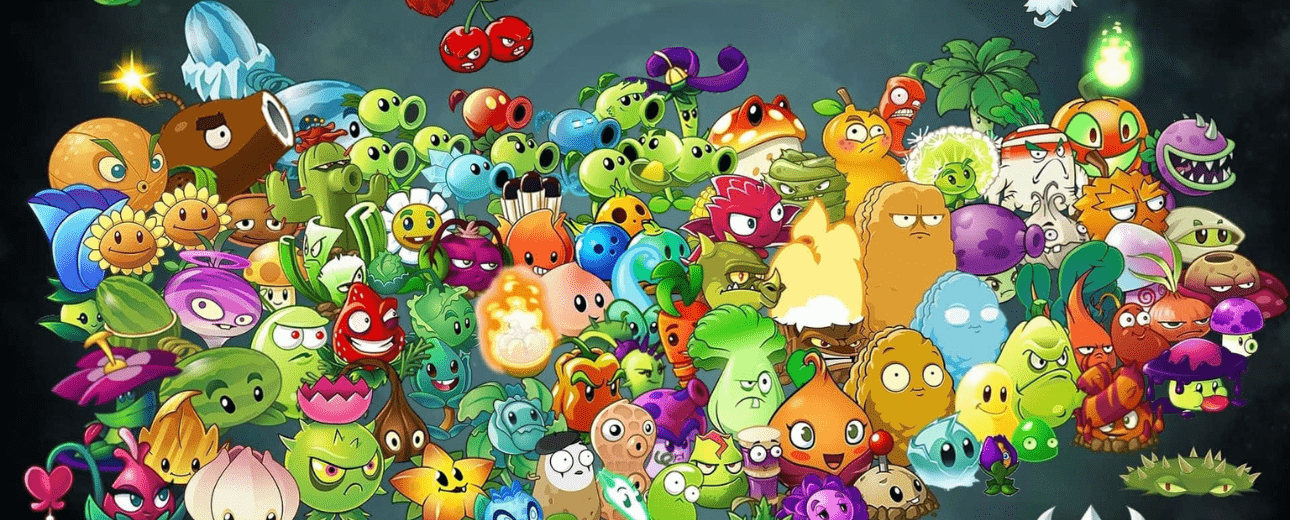
The internet is buzzing, fan forums are exploding with speculation, and LEGO enthusiasts everywhere are crossing their fingers so hard they might need medical attention. The dream of official Plants vs. Zombies LEGO sets has gone from wishful thinking to a legitimate possibility that’s capturing imaginations across the globe. Whether you’ve been following this saga since the first LEGO Ideas submission or you’re just discovering the incredible potential of PvZ in brick form, one thing is crystal clear: the hype surrounding Plants vs. Zombies LEGO is absolutely, undeniably, spectacularly real.
What makes this particular collaboration dream so special? It’s the perfect storm of two beloved franchises that seem destined to merge. Plants vs. Zombies brought strategic tower defense gaming to the masses with its charming characters, addictive gameplay, and humor that appeals to literally everyone from kids to grandparents. LEGO has spent decades proving that anything imaginable can be built from colorful bricks, constantly expanding into new licenses and surprising fans with partnerships nobody saw coming. When you put these two juggernauts together, the result isn’t just exciting—it’s potentially groundbreaking. The question isn’t whether Plants vs. Zombies LEGO would be amazing, but rather when we’ll finally get to experience it firsthand and how incredible those sets will be when they arrive.
Why the Plants vs. Zombies LEGO Hype Train Has No Brakes?
The enthusiasm surrounding Plants vs. Zombies LEGO isn’t some fleeting internet trend that’ll disappear next week. This is a passion that’s been building for over a decade, fueled by a dedicated community that refuses to give up on seeing their favorite game immortalized in brick form. Every time someone creates a stunning fan build and shares it online, the hype intensifies. When LEGO Ideas submissions reach 10,000 supporters in record time, it proves the demand is real and massive. This isn’t manufactured excitement—it’s organic, grassroots enthusiasm from people who genuinely love both properties and can envision exactly how perfect they’d be together.
The gaming community has watched LEGO successfully adapt franchises like Minecraft, Super Mario, and Overwatch into beloved product lines. Each successful gaming collaboration makes Plants vs. Zombies feel more inevitable rather than impossible. Fans see the precedents being set and reasonably ask, “If LEGO can make incredible sets based on those games, why not PvZ?” The logic is sound, the market clearly exists, and the creative possibilities are endless. This combination of proven demand, successful comparable products, and obvious creative potential creates a perfect recipe for sustained hype that just keeps building momentum.
The Fan Community’s Unwavering Dedication
What truly sets the Plants vs. Zombies LEGO movement apart is the incredible dedication of the fan community. These aren’t casual observers hoping something cool might happen—these are passionate builders, collectors, and gamers actively working to make this dream a reality. They create elaborate custom builds that prove the concept works beautifully. They organize support campaigns for LEGO Ideas submissions, getting thousands of people to vote and show their enthusiasm. They engage respectfully with both LEGO and EA on social media, demonstrating that there’s a mature, enthusiastic audience ready to support official products.
The community creates content that keeps the conversation alive and growing. YouTube videos showcasing Plants vs. Zombies LEGO MOCs regularly rack up hundreds of thousands of views, introducing new people to the possibility and inspiring them to join the movement. Instagram accounts dedicated to LEGO Plants vs. Zombies builds attract devoted followings who eagerly await each new creation. Reddit threads discussing potential set designs generate hundreds of comments with ideas, suggestions, and genuine excitement. This sustained community engagement signals to companies that this isn’t a flash in the pan—it’s a lasting passion that could support a successful product line for years.
Convention appearances amplify the hype to new levels. When builders display their Plants vs. Zombies LEGO creations at events like BrickCon or Brickworld, they consistently report that these displays generate more interest and questions than almost anything else they’ve built. Attendees who’ve never played the game stop to admire the colorful, creative builds. PvZ fans who’ve never considered LEGO building suddenly see the potential and get inspired. Industry representatives and LEGO employees attending these events can’t help but notice the crowds gathering around these displays and the enthusiasm they generate.
Social Media Momentum and Viral Moments
Social media has supercharged the Plants vs. Zombies LEGO hype in ways that wouldn’t have been possible a decade ago. When someone creates an particularly impressive Chomper build or an elaborate garden defense diorama, it doesn’t just get seen by a small circle of friends—it goes viral, spreading across platforms and reaching millions of potential fans. Hashtags like #PlantsVsZombiesLEGO and #PvZLEGO create centralized hubs where enthusiasts share creations, discuss possibilities, and coordinate advocacy efforts.
The viral nature of exceptional fan builds serves as free marketing that demonstrates the concept’s viability to both LEGO and EA. When a well-photographed Plants vs. Zombies diorama gets 50,000 likes on Instagram or a YouTube building video hits half a million views, that’s tangible proof of public interest. Corporate decision-makers pay attention to these numbers because they represent potential customers actively engaging with the concept. Every viral moment adds fuel to the hype train and brings the dream of official sets closer to reality.
Influencer engagement amplifies the message even further. When major LEGO YouTubers with hundreds of thousands of subscribers create Plants vs. Zombies content, they’re not just entertaining their audiences—they’re legitimizing the concept and demonstrating that serious builders and collectors are genuinely interested. These influencers often have direct connections to LEGO through affiliate programs, early review opportunities, and industry relationships, meaning their enthusiasm for PvZ LEGO potentially reaches decision-makers in ways that individual fan requests never could.

The LEGO Ideas Rollercoaster: Hope, Heartbreak, and Determination
The journey of Plants vs. Zombies through the LEGO Ideas platform reads like an epic saga with moments of triumph, crushing disappointment, and unwavering determination. For those unfamiliar with the process, LEGO Ideas allows fans to submit original set designs for community voting. Projects that reach 10,000 supporters enter an official review where LEGO evaluates them for potential production. It’s a democratic process that has given us amazing sets like the Saturn V rocket, the Medieval Blacksmith, and countless other fan-favorite builds that might never have existed through traditional LEGO design channels.
Plants vs. Zombies has been submitted to LEGO Ideas multiple times, and several submissions have successfully crossed the 10,000 supporter threshold. Each time this happens, the community erupts in celebration because it means LEGO must officially review the project. The designs that reached this milestone weren’t half-hearted attempts—they were meticulously crafted, beautifully photographed, thoroughly planned sets that demonstrated exactly how Plants vs. Zombies could work in LEGO form. They featured buildable lawns, multiple plant varieties, diverse zombie types, play features, and impressive attention to detail that showed the submitters truly understood both properties.
The Sting of Rejection and Community Response
The heartbreak comes when review results are announced and Plants vs. Zombies projects consistently don’t get selected for production. LEGO provides limited explanation for these decisions, citing factors like licensing complexity, market considerations, or competition from other projects in the same review period. Each rejection feels like a setback, especially when the community has invested so much hope and advocacy into the submission. Comment sections fill with disappointed fans expressing frustration, confusion, and determination to try again.
But here’s where the Plants vs. Zombies community shows its true character: rejection doesn’t kill the dream. Instead of giving up, builders analyze what might have prevented approval and iterate on their designs. New submissions appear incorporating lessons learned from previous attempts. Some focus on smaller, more affordable set concepts. Others emphasize different aspects of the game—maybe more plants and fewer zombies, or vice versa. Some designers create modular systems that could theoretically expand into multiple sets rather than trying to cram everything into one release.
The community’s resilience in the face of repeated rejections actually strengthens the hype rather than diminishing it. Each new submission becomes a rallying point where fans unite to push the project to 10,000 supporters, often achieving that goal faster than the previous attempt. This acceleration demonstrates growing rather than waning interest, which is exactly the opposite of what you’d expect after multiple disappointments. It proves that this isn’t a fad that people will eventually forget about—it’s a genuine desire that persists despite obstacles.
Learning from Success Stories
The community studies successful LEGO Ideas projects to understand what might improve future Plants vs. Zombies submissions. They notice that projects with clear play features tend to perform well in reviews. They observe that sets positioned at family-friendly price points often get greenlit over expensive, collector-focused designs. They recognize that LEGO seems to favor projects that could potentially support multiple sets rather than one-and-done releases. All these insights inform new submission strategies and increase the chances that eventually, one Plants vs. Zombies project will clear all the hurdles and achieve approval.
Success stories from other gaming licenses on LEGO Ideas provide particularly valuable lessons. When Minecraft-related projects succeeded before LEGO developed their official Minecraft line, it demonstrated that gaming properties could thrive on the platform. Sonic the Hedgehog getting approved showed that classic gaming franchises maintain appeal across generations. Each gaming-related approval creates a precedent that makes Plants vs. Zombies feel more viable and strengthens the argument for why it deserves the same treatment.

What Official Plants vs. Zombies LEGO Sets Could Actually Include?
Let’s talk specifics about what we might actually see if LEGO and EA finally make this partnership happen, because imagining the possibilities is half the fun of the hype. Based on LEGO’s design philosophy for other licenses, successful gaming sets from their catalog, and the natural elements of Plants vs. Zombies, we can make educated guesses about what official products might look like—and trust me, the possibilities are absolutely mouthwatering for fans of both franchises.
The starter set would likely capture the iconic backyard lawn defense scenario that defines Plants vs. Zombies. Picture a buildable lawn section representing maybe a three-by-five grid of planting spots, constructed with green tiles, grass elements, and the distinctive pathway where zombies shamble toward the house. This set would include essential plants—definitely Peashooter and Sunflower as the game’s most recognizable defenders, probably Wall-nut for defense, and maybe Cherry Bomb for explosive fun. The zombie roster would include basic zombies, Conehead zombies, and possibly Buckethead zombies to represent increasing difficulty levels.
Play Features That Bring the Game to Life
What would make official Plants vs. Zombies LEGO sets special isn’t just static builds—it’s interactive play features that capture the gameplay mechanics we love. The Peashooter could incorporate a launching mechanism using spring-loaded shooters or flick-fire missiles, allowing kids (and adults, let’s be honest) to actually shoot at approaching zombies. The Sunflower might include transparent yellow pieces representing sun production that can be collected in a special container. Cherry Bomb could feature a simple mechanism that makes parts “explode” outward when triggered.
The zombies themselves could have brilliant interactive elements. Imagine Buckethead Zombie with a removable bucket helmet that comes off after taking damage, just like in the game. Picture the lawnmower last-resort defense built as a rolling element that can be pushed along the lane to clear out zombies when things get desperate. These play features transform the set from a display piece into an actual game that children can play repeatedly, creating scenarios that mirror the digital gameplay while offering the tactile satisfaction of physical LEGO building and playing.
LEGO has mastered creating sets that work both as play experiences and display pieces, and Plants vs. Zombies is perfect for this dual approach. The completed lawn diorama would look fantastic on a shelf, with colorful plants arranged strategically and zombies frozen mid-shamble. But it could also be reconfigured for different defensive strategies, with plants moved to different positions and zombies reset to play through another attack wave. This replayability mirrors the game’s endless mode and provides lasting value beyond a single build experience.
Expansion Sets and Themed Environments
Beyond the starter set, LEGO could develop expansion packs representing different game environments and challenges. A nighttime/mushroom set would feature Puff-shroom, Scaredy-shroom, and other nocturnal plants with darker color schemes and perhaps glow-in-the-dark elements. The pathway could use dark blue and purple tiles to suggest moonlight, and the zombie selection would include nighttime-specific variants. This set could even include simple lighting elements using LEGO’s light bricks to create an atmospheric nighttime scene.
Pool and aquatic sets open up entirely new building challenges and play opportunities. Transparent blue bricks would represent water, aquatic plants like Lily Pad and Tangle Kelp would introduce different building techniques, and zombies would include Ducky Tube and Snorkel variants. The structural challenges of creating stable “water” sections using transparent pieces would showcase LEGO’s engineering excellence while giving builders something visually unique compared to standard lawn sets.
The rooftop levels could translate into vertical building challenges with sloped tiles, potted plants instead of ground planting, and specialized zombies like Bungee Zombie and Ladder Zombie. This would likely be positioned as a more advanced set for experienced builders, featuring more complex building techniques and higher piece counts. The vertical orientation would make it a striking display piece that looks completely different from flat lawn sets.
Crazy Dave and Special Characters
You absolutely cannot have Plants vs. Zombies LEGO without Crazy Dave, and an official set would give this beloved character the treatment he deserves. A premium Crazy Dave’s Shop set could feature a buildable structure representing where players purchase plants and upgrades. The build might include shelves displaying various plant pots, a cash register using the sun currency, and of course Crazy Dave himself with his signature pot hat perfectly represented in LEGO form. This set would appeal to collectors who want a substantial, display-worthy build while also serving as a central hub for a larger Plants vs. Zombies LEGO collection.
Dr. Zomboss deserves his own premium set as the game’s ultimate antagonist. This could feature a buildable Zombot mech with articulated limbs, opening cockpit, and launching mechanisms for missiles. A set like this might be positioned at a higher price point similar to LEGO’s large villain sets from other franchises, targeting serious collectors and fans who want the crown jewel of a Plants vs. Zombies collection. Including multiple zombie minions and perhaps a Crazy Dave minifigure to oppose Zomboss would create an epic confrontation scene perfect for display.

The Business Case That Makes This Partnership Inevitable
Let’s talk money and markets, because ultimately that’s what will convince both LEGO and EA to make this partnership happen. The business case for Plants vs. Zombies LEGO isn’t just strong—it’s overwhelming when you look at comparable successes, demographic overlaps, and market opportunities.
Plants vs. Zombies has generated over $1 billion in revenue since its release, with the mobile versions alone accounting for hundreds of millions of downloads. This isn’t some niche indie game with a small fanbase—it’s a legitimate gaming phenomenon with mass market appeal and ongoing player engagement. Plants vs. Zombies 2 continues to be downloaded millions of times annually, various spin-off games maintain active player communities, and the brand remains culturally relevant fifteen years after the original release. This sustained popularity provides confidence that a LEGO line wouldn’t just succeed at launch but could maintain sales momentum for years.
Demographic Sweet Spot
The demographic overlap between LEGO consumers and Plants vs. Zombies players is nearly perfect. The game appeals to children as young as six or seven who enjoy the colorful characters and simple mechanics, teenagers who appreciate the strategic depth and challenge, and adults who love the humor and nostalgia. Similarly, LEGO has successfully expanded beyond traditional child-focused products to capture adult collectors through sets like the Modular Buildings, Creator Expert vehicles, and licensed properties positioned for mature audiences. A Plants vs. Zombies line could effectively serve all these age groups with products ranging from simple starter sets for young kids to elaborate, expensive displays for adult collectors.
The gaming license portfolio LEGO has built demonstrates clear strategic intent to capture the gamer demographic. Minecraft LEGO became one of their most successful themes, proving that blocky video games translate beautifully to brick form and appeal across age ranges. The Super Mario sets introduced innovative interactive elements that brought digital gameplay into physical form, showing LEGO’s willingness to innovate for gaming properties. Overwatch sets demonstrated that even first-person shooters could work as LEGO products when approached with creativity and family-friendly design sensibility. Each of these successes creates a proven template that Plants vs. Zombies could follow and potentially exceed.
Market Timing and Competition
From a competitive standpoint, securing Plants vs. Zombies licensing prevents competitors from gaining this valuable property. While LEGO dominates the building brick category, companies like Mega Construx have successfully secured major licenses including Pokémon, Halo, and Call of Duty. If Mega Construx or another competitor signed Plants vs. Zombies, it would represent both a lost opportunity for LEGO and a marketing win for rivals. Proactive licensing strategy means identifying desirable properties before competitors do and securing partnerships that strengthen market position while denying competitors those same advantages.
The retail perspective strongly favors Plants vs. Zombies LEGO. Store buyers appreciate properties with built-in name recognition because they reduce marketing costs and simplify purchase decisions for consumers. Parents and gift-givers shopping for kids recognize Plants vs. Zombies and understand what they’re buying, unlike more obscure licenses that require explanation. The colorful, visually appealing packaging that PvZ sets would feature creates shelf presence that attracts attention in crowded toy aisles. These retail advantages translate to better placement, stronger initial orders, and higher likelihood of reorders when sets sell well.

Fan Creations Proving the Concept Works Brilliantly
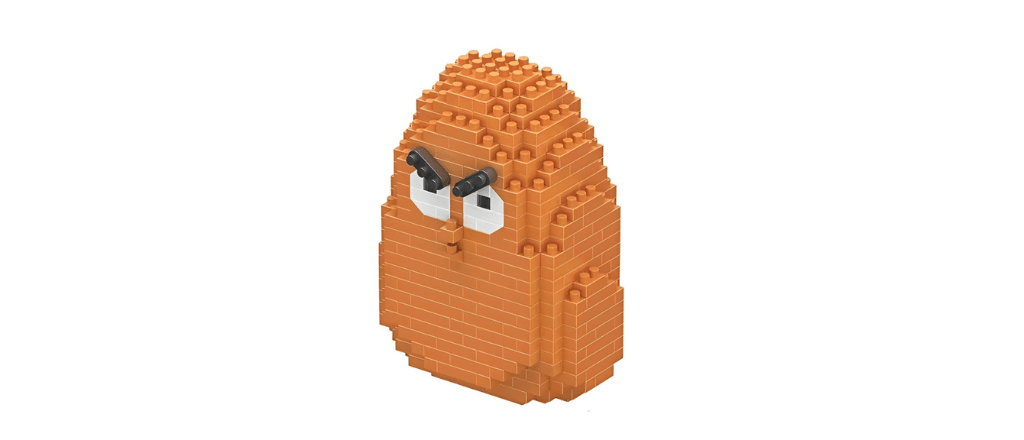
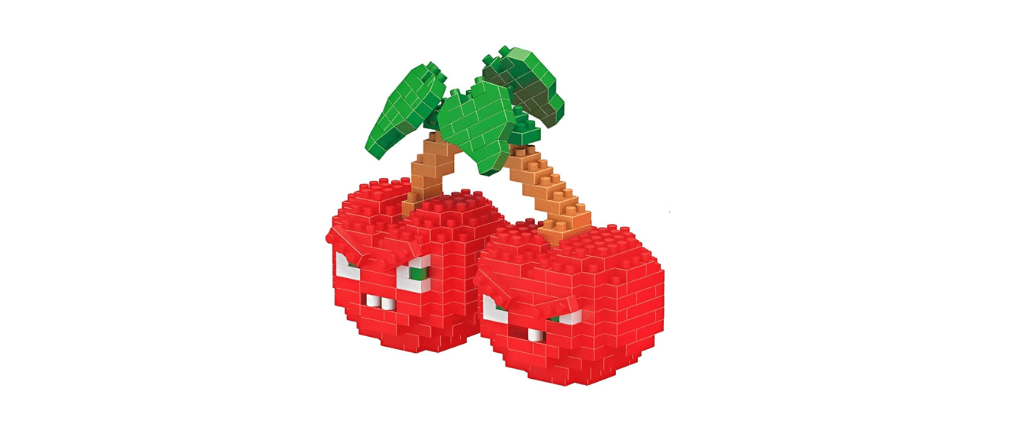
While we wait for official sets, the fan community has been doing LEGO’s market research for them by creating incredible custom builds that prove Plants vs. Zombies works spectacularly in brick form. These aren’t amateur attempts—many are sophisticated, well-engineered, beautifully photographed creations that rival the quality of official LEGO products. Scrolling through platforms like Instagram, Reddit, or YouTube reveals a treasure trove of PvZ LEGO content that demonstrates exactly what’s possible and why the hype is completely justified.
Fan builders have tackled every aspect of Plants vs. Zombies with impressive creativity and technical skill. Buildable plants ranging from simple minifigure-scale versions to elaborate display models show the variety of approaches that work. Some builders prioritize game accuracy, carefully matching colors and proportions to exactly replicate the digital designs. Others take creative liberties, reimagining characters in more realistic styles or exaggerating features for dramatic effect. Both approaches produce stunning results that would translate beautifully to official products.
Technical Innovation and Problem-Solving
The mechanical innovations fans have developed for their Plants vs. Zombies builds are genuinely impressive and could inform official set designs. Builders have engineered Peashooter launching mechanisms using various techniques from simple flick-fires to elaborate spring-loaded systems to pneumatic shooters powered by LEGO pneumatics. Chomper builds feature articulated jaws using hinges, Technic connections, or even motorized mechanisms that open and close automatically. These fan innovations demonstrate that the interactive play features we’d want in official sets are absolutely achievable with existing LEGO elements.
The diorama bases that fans create show sophisticated understanding of composition, storytelling, and building techniques. Modular lawn systems allow reconfiguring plant arrangements for different strategic setups. Multi-level displays incorporate the house being defended, the approaching zombie horde, and the defensive plant line in visually compelling compositions. Lighting integration using LEDs brings scenes to life with glowing Sunflowers, moonlit nighttime levels, and dramatic spotlighting. These builds prove that Plants vs. Zombies LEGO can be far more than simple toys—they can be legitimate art pieces and impressive displays.
Community Knowledge Sharing
What’s particularly special about the fan building community is how generously they share knowledge and techniques. Builders post detailed photo galleries showing construction details, explain their design decisions in video walkthroughs, and even create custom building instructions that others can follow. Some designers upload their creations to digital design software like BrickLink Studio and share the files freely, allowing anyone to build virtual versions or generate parts lists for physical construction. This collaborative spirit accelerates innovation and helps newer builders attempt ambitious projects by learning from experienced MOC creators.
The custom minifigure market has responded to fan demand with unofficial Plants vs. Zombies products that demonstrate the commercial viability. Third-party manufacturers produce zombie minifigures with custom printing, plant accessories, and themed elements that LEGO fans eagerly purchase despite them not being official products. The existence of this gray market is telling—it proves people are willing to spend money on Plants vs. Zombies LEGO content even without official licensing, suggesting that legitimate products would find an even larger, more enthusiastic market.
The Hype Cycle: Why This Time Feels Different?
If you’ve been following the Plants vs. Zombies LEGO story for years, you might be wondering why this current wave of excitement feels different from previous surges of hope and speculation. There are legitimate reasons to believe we’re closer than ever to seeing this dream become reality, and understanding these factors helps explain why the hype has reached unprecedented levels.
The maturation of LEGO’s gaming portfolio represents a significant shift in corporate strategy. Five years ago, LEGO’s gaming licenses were limited and cautious. Today, they’re actively pursuing gaming properties and demonstrating willingness to experiment with how digital games translate to physical bricks. This strategic evolution means Plants vs. Zombies fits better within LEGO’s current direction than it might have during earlier consideration periods. Companies that were previously skeptical about gaming licenses are now believers based on proven successes.
Industry Trends and Cultural Shifts
The broader cultural acceptance of gaming as mainstream entertainment rather than niche hobby benefits Plants vs. Zombies LEGO prospects. Gaming revenues now exceed movie and music industries combined, competitive gaming fills stadiums, and video game franchises generate massive merchandising success. Companies that once viewed gaming licenses as risky now recognize them as potentially lucrative partnerships. EA’s increased focus on brand expansion and licensing for their properties aligns perfectly with LEGO’s interest in popular gaming franchises, creating favorable conditions for partnership discussions.
The success of nostalgia-driven products in the current market environment works strongly in Plants vs. Zombies favor. Adults who played the original game when it launched in 2009 are now in their prime earning years with disposable income for collectibles and hobbies. These grown fans represent a market segment that’s valuable because they purchase premium products, collect entire lines rather than buying singles, and engage deeply with brands they love. LEGO has increasingly targeted this adult fan of LEGO (AFOL) demographic with sophisticated sets, and Plants vs. Zombies perfectly positions to capture nostalgia-driven adult collectors while also appealing to children discovering the games today.
Timing Indicators and Market Signals
Recent corporate movements and announcements create tea leaves worth reading. When LEGO representatives are asked about Plants vs. Zombies at conventions or in interviews, their responses have evolved from “no plans currently” to more ambiguous answers that don’t outright dismiss the possibility. While companies are always careful about pre-announcing partnerships, slight shifts in language can signal changing internal discussions. The fact that LEGO no longer flatly denies interest suggests that conversations might be happening behind closed doors.
EA’s increased activity around Plants vs. Zombies intellectual property, with new mobile releases, updates to existing games, and merchandising pushes, indicates the company values and actively maintains the franchise. This ongoing investment makes licensing partnerships more attractive because it shows EA’s commitment to keeping the brand relevant and valuable. A partnership with LEGO would fit naturally into a broader strategy of expanding Plants vs. Zombies presence across multiple platforms and product categories.
What Fans Can Do to Keep the Momentum Building?
The hype is real, the demand is proven, and the business case is strong—but fan enthusiasm remains crucial for pushing this partnership from possibility to reality. There are concrete actions the community can take to demonstrate ongoing interest, keep the conversation active, and show both LEGO and EA that Plants vs. Zombies LEGO deserves to happen.
Supporting LEGO Ideas submissions when they appear remains the most direct path to influencing official decisions. When a new Plants vs. Zombies project launches on the platform, spreading the word through social media, fan communities, and personal networks helps it reach 10,000 supporters quickly. Each successful project that enters review forces LEGO to formally evaluate the concept and see concrete evidence of public demand. Even if individual submissions don’t get approved, consistent strong performance of PvZ projects signals that interest isn’t fading and the community remains passionate.
Constructive Community Engagement
Engaging with LEGO and EA on social media should be enthusiastic but respectful. Companies respond better to positive advocacy than demanding complaints. Instead of “Why haven’t you made this yet?!” try “We’d love to see this partnership happen—here’s why it would be amazing for both companies.” Frame requests as opportunities rather than criticisms. Share fan builds tagging both companies to show what’s possible. Use relevant hashtags to create visible momentum. This approach is more likely to be well-received by social media teams and potentially forwarded to decision-makers.
Creating and sharing your own Plants vs. Zombies LEGO content—whether physical builds, digital designs, or even just concept ideas—contributes to the collective conversation. Every impressive MOC that goes viral, every building tutorial that helps newcomers attempt their own creations, every piece of fan art imagining official sets adds to the groundswell of enthusiasm. Quality content demonstrates that this isn’t a small niche interest but a widespread passion that crosses communities and platforms.
Economic Demonstration Through Engagement
Supporting Plants vs. Zombies through official channels shows EA that the franchise maintains commercial value worth licensing. Playing the games (especially newer releases), purchasing official merchandise, and engaging with EA’s social media content signals that there’s an active fanbase willing to spend money on the property. Companies are more likely to pursue licensing deals for franchises that demonstrate ongoing revenue potential and fan engagement.
Patronizing LEGO products, particularly gaming-related sets, sends market signals about what themes succeed. When Minecraft sets or Super Mario sets sell well, LEGO’s data analytics track those successes and inform future licensing decisions. Strong sales of gaming properties justify expanding that category with additional licenses. While you shouldn’t buy products you don’t want just to prove a point, supporting quality LEGO gaming sets demonstrates that this product category has healthy market demand.

The Future: When Dreams Become Bricks?
The question isn’t really “if” anymore—it’s “when” and “what form will it take.” The convergence of fan demand, proven market potential, successful comparable products, and evolving corporate strategies creates conditions where Plants vs. Zombies LEGO feels increasingly inevitable rather than wishful. Maybe it happens through LEGO Ideas success, with a fan submission finally clearing all hurdles and entering production. Perhaps LEGO and EA negotiate directly for a full licensed line independent of the Ideas platform. It’s even possible that we see Plants vs. Zombies appear in one of LEGO’s gaming collaborations like Dimensions or a future gaming-focused product line.
The hype isn’t just noise—it’s the sound of a community that knows something special could exist and refuses to stop believing until it does. Every fan build showcases the potential. Every LEGO Ideas submission demonstrates the demand. Every social media post keeps the conversation alive. This collective enthusiasm is powerful and persistent, exactly the kind of groundswell that eventually breaks through corporate inertia and makes partnerships happen.
Preparing for the Glorious Day
When official Plants vs. Zombies LEGO sets finally arrive (and I genuinely believe they will), the fan community will erupt with celebration and probably crash a few websites trying to pre-order. The first wave will likely sell out quickly, driven by pent-up demand from fans who’ve waited years for this moment. Social media will explode with unboxing videos, speed builds, and creative displays as builders race to be among the first showcasing official sets.
The long-term impact could extend far beyond individual product sales. Official Plants vs. Zombies LEGO could introduce an entirely new audience to LEGO building, as PvZ fans who’ve never seriously considered LEGO suddenly discover the hobby through their favorite game. Similarly, LEGO enthusiasts who’ve never played Plants vs. Zombies might be drawn to the games by impressive brick builds, creating cross-pollination between fanbases that benefits both franchises. This synergy represents exactly the kind of win-win outcome that makes licensing partnerships so valuable.

Conclusion: Keep Eating Those Peas (and Building Those Bricks!)
The hype around Plants vs. Zombies LEGO isn’t just some random internet enthusiasm that’ll fade when the next shiny thing comes along. This is real, sustained, justified excitement for a collaboration that makes perfect sense and could deliver incredible products that fans would treasure for years. The colorful plants with their defensive abilities, the quirky zombies shambling toward defeat, and the strategic gameplay translate naturally to LEGO’s strengths of creative building, interactive play, and collectible sets.
We’ve proven the demand through Ideas submissions, demonstrated the concept through fan builds, articulated the business case through market analysis, and maintained enthusiasm through years of waiting and occasional disappointment. This persistence deserves to be rewarded with official products that do justice to both franchises. The community has done its part—now it’s time for LEGO and EA to recognize the opportunity and give fans what they’ve been asking for.
Until that glorious day arrives, keep building your custom creations, keep supporting Ideas submissions, keep sharing your passion with fellow fans, and keep the hype train rolling at full speed. The zombies are coming, and eventually, we’ll defend against them with official LEGO bricks. Eat your peas (or shoot them at zombies), keep your Chompers hungry, trust Crazy Dave’s wild strategies, and above all, keep believing that Plants vs. Zombies LEGO will happen. Because if there’s one thing this community has proven, it’s that when fans are this passionate and persistent, amazing things eventually become reality. The hype is real, justified, and unstoppable—just like a well-defended lawn with proper plant placement. Now let’s make this dream come true, one brick at a time!