
 Canada
 USA
USA Japan
Japan




In the colorful and chaotic world of Plants vs. Zombies, where sunflowers smile and zombies shamble across suburban lawns, one plant stands out as the ultimate overachiever: the Repeater. With his distinctive angry eyebrows, extra leaves sprouting from the back of his head, and relentless double-shot capability, Repeater has earned his reputation as the hardest working plant in Crazy Dave’s garden arsenal. From his humble beginnings as the last Day plant you unlock in the original game to his evolution across multiple sequels and spin-offs, Repeater’s story is one of fierce dedication, hidden vulnerability, and unwavering commitment to defending your lawn against the undead horde.
Origins: The Birth of a Double-Threat Legend
When Plants vs. Zombies launched in 2009, it revolutionized the tower defense genre with its perfect blend of strategy, humor, and charm. Among the roster of botanical defenders, Repeater arrived as something special—a plant that embodied the principle of working twice as hard as everyone else. Created by the legendary team of George Fan, Rich Werner, and Laura Shigihara, Repeater was designed with a simple but powerful concept: what if you could get two Peashooters for the price of… well, almost two Peashooters?
The Name Behind the Legend
The evolution of Repeater’s identity started with his name, which carries layers of meaning that define his entire character. The name “Repeater” itself carries dual significance that perfectly encapsulates this plant’s identity. On one hand, it references the repeating rifle, a weapon that revolutionized 19th-century warfare by incorporating reloading and re-cocking actions into a single mechanism, allowing soldiers to fire multiple shots without manually reloading between each one. This connection to military history gives Repeater a sense of power and efficiency that fits his role as an upgraded combat unit. On the other hand, the name has a more literal, playful meaning—Repeater literally repeats himself, firing two peas at once instead of just one. This duality defines everything about him, from his combat capabilities to his personality quirks.
Botanical Foundations and Game Design Philosophy
Based on the humble pea plant, scientifically known as Pisum sativum, Repeater takes the foundation laid by his cousin Peashooter and doubles down on it. Where Peashooter fires a single pea every 1.5 seconds, Repeater fires two 40-damage peas at that same rate. He costs 200 sun—precisely twice the cost of a single Peashooter at 100 sun—and delivers exactly double the firepower. It’s elegant math, really. The developers understood that players would instinctively grasp this relationship, making Repeater feel like a natural progression rather than an arbitrary upgrade.
Strategic Placement in Player Progression
In the original Plants vs. Zombies, Repeater holds a special place as the last Day plant players unlock, appearing after they’ve completed Level 1-8. This positioning wasn’t accidental. By the time you earn Repeater, you’ve already mastered the basics of lawn defense, learned to manage sun economy, and understand the fundamental rhythms of zombie waves. Repeater arrives just when you’re ready to graduate from simple strategies to more sophisticated defenses, serving as both a reward for your progress and a tool for tackling the escalating challenges ahead. This careful timing in the unlock sequence shows how thoughtfully the developers approached game pacing and player skill development.
Personality: Fierce on the Outside, Soft on the Inside
If there’s one thing that makes Plants vs. Zombies truly special among tower defense games, it’s the personality infused into every plant and zombie. Thanks to the brilliant writing of Stephen Notley, who crafted the humorous Almanac entries that give each character their unique voice, we get a glimpse into who these botanical warriors really are beneath their defensive capabilities.
The Original Almanac Entry: A Character Study
The original Plants vs. Zombies Almanac entry for Repeater is one of the most beloved in the entire game, revealing a character far more complex than his simple gameplay mechanics might suggest.
Deconstructing Repeater’s Tough Guy Persona
Here’s what the Almanac tells us: “Repeater is fierce. He’s from the streets. He doesn’t take attitude from anybody, plant or zombie, and he shoots peas to keep people at a distance. Secretly, though, Repeater yearns for love.” Let that sink in for a moment. This isn’t just flavor text—it’s a complete character portrait painted in just three sentences. Repeater presents himself as tough, streetwise, and unapproachable. Those angry eyebrows that distinguish him from Peashooter aren’t just for show; they’re a visual manifestation of his attitude. He shoots peas rapidly, maintaining distance, keeping everyone at arm’s length. He’s built walls around himself, both literally through his defensive role and metaphorically through his fierce demeanor.
The Vulnerability Beneath the Armor
But then comes that final revelation: “Secretly, though, Repeater yearns for love.” It’s heartbreaking and beautiful. Beneath all that toughness, beneath the rapid-fire pea-shooting and the street-hardened exterior, Repeater is just looking for connection. He wants what we all want—to be understood, to be loved, to belong. The peas he fires to keep people at a distance are also a defense mechanism protecting a vulnerable heart. This duality makes Repeater one of the most relateable characters in the PvZ universe. Many of us have been there—putting up a tough front to protect ourselves from potential hurt, keeping people at a distance even though connection is what we truly crave. Repeater embodies this universal human experience in a way that’s both funny and genuinely touching.
Evolution of the Almanac Across Games
When Plants vs. Zombies 2 rolled around, the Almanac entry for Repeater got an update that plays brilliantly with his name and abilities.
The Meta-Humor of Repetition
“Everyone always asks me if we’ve met before,” says Repeater. “Everyone always asks me if we’ve met before. Wait, did I just say that?” It’s a perfect example of meta-humor—Repeater literally repeats himself mid-sentence, demonstrating the same tendency to duplication that defines his combat style. The entry acknowledges its own repetition with that final “Wait, did I just say that?” showing self-awareness about the gag while making it even funnier. This clever writing shows how the franchise evolved while maintaining respect for the character’s core identity.
Cultural Variations in Character Portrayal
The Chinese version of Plants vs. Zombies 2 offered yet another perspective on Repeater’s character: “If you treat Repeater well, he will treat you with double the respect; if you anger him, he will respond with double the pain. He has very good connections with people, but that’s probably because everyone loves lending him money.” This version emphasizes Repeater’s reciprocal nature—everything he does comes in doubles, whether it’s respect or retribution. The bit about people lending him money is a cheeky reference to his higher sun cost, reframing an economic game mechanic as a character trait. Together, these Almanac entries paint a picture of Repeater as someone fierce yet vulnerable, repetitive yet self-aware, expensive yet worth the investment. He’s a plant with depth, history, and personality—exactly the kind of character that makes Plants vs. Zombies more than just a strategy game.
Physical Appearance: Small Details, Big Differences
At first glance, Repeater might seem almost identical to Peashooter, and honestly, that’s kind of the point. They’re both pea-shooting plants, both green, both with that classic PvZ aesthetic. But look closer, and you’ll notice the details that set Repeater apart and give him his unique identity.
Distinctive Visual Features That Define Repeater
The visual design of Repeater serves both functional and storytelling purposes, communicating his enhanced status through carefully chosen details.
The Iconic Angry Eyebrows
The most obvious difference is those angry eyebrows. Where Peashooter has a more neutral, determined expression, Repeater furrows his brow in a perpetual scowl that immediately communicates his fierce attitude. These aren’t just decorative—they’re visual shorthand for his personality, telling you at a glance that this is a plant who takes his job seriously and won’t tolerate any nonsense from the zombie horde. The eyebrows became so iconic that they’re instantly recognizable to PvZ fans, representing Repeater’s tough-guy persona even in simplified fan art or merchandise.
Enhanced Foliage and Botanical Complexity
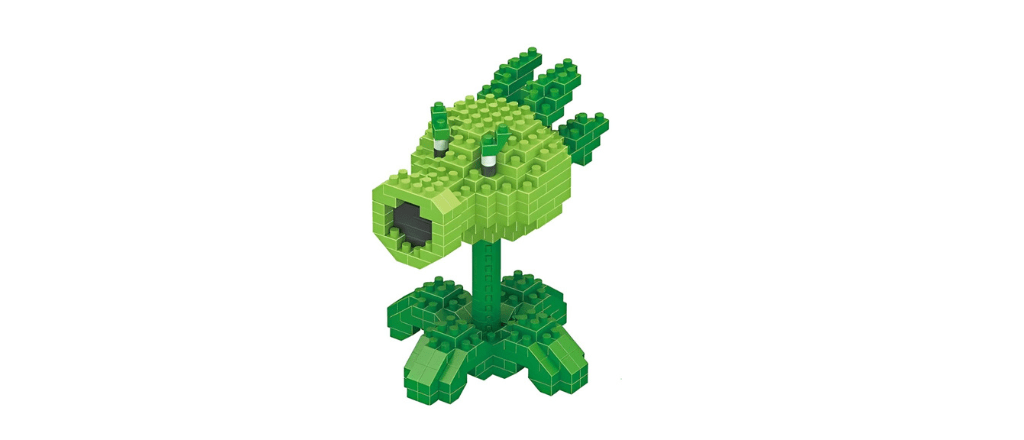
Then there are the extra leaves sprouting from the back of Repeater’s head. While Peashooter has a clean, simple silhouette, Repeater sports additional foliage that gives him a more complex, developed appearance. These leaves aren’t just cosmetic flourishes; they visually represent his enhanced capabilities. Just as he fires twice as many peas, he has twice as much botanical equipment. Everything about him is doubled, right down to his physical features.
Design Evolution and Platform Variations
Interestingly, early in the development of the original Plants vs. Zombies, Peashooter actually had Repeater’s extra leaves in his design. The developers eventually simplified Peashooter’s appearance to make him look more basic and approachable as the first offensive plant players encounter, giving those distinctive leaves exclusively to Repeater as a mark of his advanced status. This design evolution shows the thought that went into every visual element of the game. In different versions and platforms, Repeater’s appearance has seen subtle variations. The iOS version features slightly different leaves on the back of his head compared to the PC original. The Plants vs. Zombies: Garden Warfare games, which brought the Plants vs. Zombies universe into 3D third-person shooter territory, present an interesting case: their standard Peashooter character actually more closely resembles Repeater than the original Peashooter, complete with extra leaves and angry eyebrows. This suggests that in the Garden Warfare universe, the baseline Peashooter has absorbed some of Repeater’s characteristics, or perhaps that Repeater’s fierce attitude has become the new standard for pea-shooting plants in combat.
Color Palette and Visual Cohesion
Across all his appearances, Repeater maintains a consistent color palette of bright greens with slightly darker accents, fitting the cheerful yet strategic aesthetic of the PvZ universe. He’s designed to be instantly recognizable while still fitting seamlessly into the lawn-defense battlefield, bright enough to spot in the chaos of zombie waves but not so garish as to break visual cohesion. The color choices reinforce his plant identity while the darker green tones give him a slightly more mature, serious appearance compared to Peashooter’s lighter, friendlier green.
Combat Capabilities: The Mathematics of Double Damage
Let’s talk strategy, because understanding Repeater’s combat capabilities is essential to appreciating why he’s earned his reputation as the hardest working plant on the lawn. On paper, Repeater is simple: he fires two peas at a time, each dealing 40 damage, at the same 1.5-second firing rate as a standard Peashooter. But in practice, this apparently simple doubling effect has profound implications for lawn defense strategy.
Statistical Comparison and Damage Output Analysis
Understanding the raw numbers behind Repeater helps players make informed strategic decisions about when and where to deploy him.
Repeater vs Peashooter: The Core Comparison
First, let’s compare Repeater directly to his cousin Peashooter. A single Peashooter costs 100 sun and fires one pea every 1.5 seconds, dealing 40 damage per shot. That works out to roughly 26.67 damage per second (40 damage divided by 1.5 seconds). Repeater costs 200 sun and fires two peas every 1.5 seconds, dealing 80 damage per shot. That’s approximately 53.33 damage per second—exactly double Peashooter’s output. The elegance of this mathematical relationship makes Repeater intuitive to understand and easy to incorporate into strategic planning.
Space Efficiency and Resource Management
Now, you might think: “Okay, so Repeater is just two Peashooters in one plant slot. What’s the big deal?” Well, here’s where the math gets interesting. If you were to plant two Peashooters side by side, you’d spend 200 sun (100 per plant) and occupy two tile spaces. They’d deliver the same 80 total damage per 1.5 seconds as a single Repeater, but they’d require double the real estate on your lawn. But wait—there’s more. Repeater has a faster recharge time than you’d get from planting two Peashooters sequentially. When you plant a Peashooter, you have to wait for the cooldown before planting another. With Repeater, you get both pea shooters’ worth of firepower in a single planting action with a single cooldown period. This means you can deploy double-strength defenses faster, which can be the difference between survival and defeat when zombie waves are bearing down on your house.
Tactical Advantages of Tile Consolidation
The space efficiency cannot be overstated. In the original Plants vs. Zombies, you typically have five lanes to defend and nine columns to work with (less in pool levels). Every tile is precious real estate. Being able to deliver double damage from a single tile means you can fit more defensive plants, support plants like Sunflowers, or defensive walls like Wall-nuts into your strategy. Repeater essentially solves a resource management puzzle by giving you more firepower per square foot of lawn. This becomes especially critical in later levels where you need to balance offense, defense, sun production, and specialized utility plants all within limited space.
Weaknesses and Countering Strategies
No plant is perfect, and Repeater has specific vulnerabilities that players must account for when building their defensive strategies.
Crowd Control Limitations
However, Repeater inherits some of Peashooter’s weaknesses along with his strengths. Like all straight-shooting pea plants, Repeater struggles with crowd control. His peas travel in a straight line and deal damage to individual zombies rather than groups. When you’re facing a massive wave of basic zombies, Repeater will methodically take them down one at a time, but plants with area-of-effect damage like Cherry Bomb or Jalapeño can clear multiple threats simultaneously. This means Repeater excels against individual tough zombies but needs support when dealing with large hordes.
Shield-Bearing Zombie Challenges
Repeater also can’t bypass certain zombie defenses. Screen Door Zombie and Ladder Zombie carry shields that completely block peas from the front, forcing you to use alternative strategies like Lobber plants (Cabbage-pult, Kernel-pult, Melon-pult) that fire over obstacles or support plants like Magnet-shroom that can remove the defensive equipment. A column of Repeaters will helplessly plink peas against a screen door while the zombie behind it advances, which can be frustrating if you’ve invested heavily in pea-based defenses. Smart players diversify their plant selection to handle these specific threats rather than relying solely on Repeater’s raw damage output.
Synergies and Force Multipliers
Repeater reaches his true potential when combined with support plants that enhance his already impressive damage output.
The Legendary Torchwood Partnership
This is where Torchwood enters the picture as Repeater’s best friend and force multiplier. Torchwood is a support plant that ignites any peas passing through it, doubling their damage and adding small splash damage. When you place a Repeater behind a Torchwood, magic happens. Each of Repeater’s peas gets converted into a flaming projectile dealing 80 damage instead of 40, and those flaming peas can damage nearby zombies with splash. Suddenly, your single Repeater is dealing 160 damage per shot with area effect—and remember, Repeater shoots twice per volley, so that’s potentially 320 damage every 1.5 seconds if both peas hit their target or spread damage across multiple zombies.
Strategic Formation and Optimal Positioning
The Repeater + Torchwood combination became so iconic in the Plants vs. Zombies community that it’s often cited as the standard endgame strategy. In Survival: Endless mode, where zombie waves become genuinely apocalyptic, players typically establish multiple columns of this combination: a back column of Repeaters, a middle column of Torchwoods, and defensive Wall-nuts or Tall-nuts in front to protect the damage dealers. This formation can sustain continuous fire against even the toughest zombie hordes, making Repeater the backbone of many high-level strategies.
Managing Elemental Interactions
One important note for players using Torchwood with ice-based plants: flaming peas will remove freeze effects from their direct targets, making plants like Snow Pea or Winter Melon less effective when combined with Torchwood. However, the splash damage from flaming peas won’t remove freeze effects, so there’s some interesting strategic depth in managing these interactions. This is where Repeater shines—his pure damage output without elemental effects makes him the perfect partner for Torchwood without worrying about status effect conflicts. Advanced players learn to position ice plants in lanes without Torchwood while maximizing Repeater + Torchwood combinations in other lanes for optimal battlefield control.
Upgrade Path: The Journey to Gatling Pea
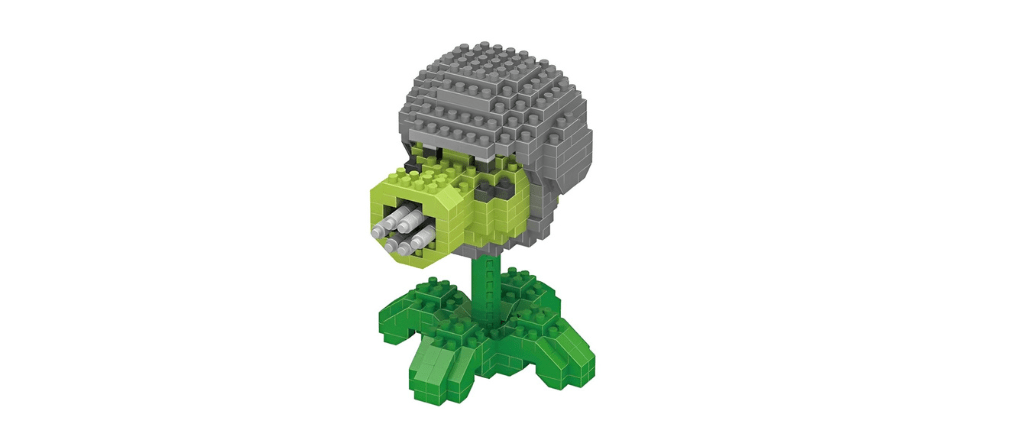
No discussion of Repeater would be complete without talking about his ultimate evolution: Gatling Pea. In the original Plants vs. Zombies, once you’ve purchased Gatling Pea from Crazy Dave’s Twiddydinkies shop for $5,000 (in in-game currency earned through gameplay), you unlock the ability to upgrade Repeater for an additional 250 sun during gameplay. This transforms Repeater into Gatling Pea, a plant wearing a distinctive helmet and sporting a rotary pea-shooting mechanism that fires four peas at a time.
The Power of Quadruple Firepower
Gatling Pea represents the pinnacle of pea-shooting firepower in the original game, transforming Repeater into an absolute damage powerhouse.
Damage Output Analysis
While Peashooter fires one pea and Repeater fires two, Gatling Pea fires four peas at that same 1.5-second rate. That’s 160 damage per shot or approximately 106.67 damage per second from a single plant. When you place Gatling Pea behind Torchwood, each pea deals 80 damage after ignition, resulting in 320 damage per shot or 640 damage every 1.5 seconds. Under ideal conditions, a Gatling Pea + Torchwood combination achieves the highest damage-per-second potential of any plant setup in the game. This incredible firepower makes Gatling Pea the ultimate answer to Gargantuars, Dr. Zomboss, and other high-health threats that would otherwise require multiple plants to take down.
Strategic Investment and Progression Design
The upgrade path from basic shooter to ultimate powerhouse teaches important lessons about resource management and strategic planning.
The Three-Tier Evolution System
The progression from Peashooter → Repeater → Gatling Pea represents a satisfying evolution arc. Each step doubles the firepower (1 pea → 2 peas → 4 peas) while also doubling or increasing the investment required. Peashooter costs 100 sun and is available from the start. Repeater costs 200 sun and requires progression to Level 1-8 to unlock. Gatling Pea costs 250 sun to upgrade from Repeater plus the $5,000 shop purchase, making him a significant investment that pays off in raw destructive power.
Decision-Making and Strategic Timing
This upgrade path teaches players important strategic lessons about resource investment and timing. Should you plant basic Peashooters early to get some defense up quickly? Should you save sun to deploy Repeaters for better space efficiency? Should you invest in Gatling Pea upgrades during a level or save sun for other plants? These questions don’t have universal answers—they depend on the level, zombie composition, and your overall strategy, which is what makes Plants vs. Zombies endlessly replayable. Expert players develop an intuitive sense for when to commit to expensive upgrades versus when to diversify their defensive options.
Gatling Pea’s Unique Personality
Interestingly, Gatling Pea himself has his own personality in the Almanac: “Who’s your daddy? Gatling Pea’s your daddy, that’s who. Gatling Pea lays down the peas, fast and hard. Zombies? Don’t make him laugh. Gatling Pea eats zombies for breakfast. Literally. Zombies give him bad breath, though.”
Character Transformation Through Power
This entry contrasts beautifully with Repeater’s vulnerable interior—where Repeater yearns for love beneath a tough exterior, Gatling Pea is pure confidence and aggression, having fully embraced the combat role without any hidden softness. It’s almost like the upgrade process doesn’t just enhance firepower; it transforms the plant’s entire psychology. Repeater’s defensive walls around his heart seem to have solidified into Gatling Pea’s complete combat focus. This character evolution adds narrative depth to what could have been a purely mechanical upgrade system, showing how the developers thought about these plants as characters with growth arcs rather than just stat blocks.
Repeater Across the PvZ Universe: Evolution and Adaptation
Repeater’s story doesn’t end with the original Plants vs. Zombies. Like many beloved characters from the franchise, he’s appeared in numerous sequels, spin-offs, and adaptations, each adding new dimensions to his character and capabilities. Let’s explore how Repeater has evolved across the Plants vs. Zombies universe.
Plants vs. Zombies 2: It’s About Time
When Plants vs. Zombies 2 launched in 2013, Repeater made his return, and players unlock him after beating Ancient Egypt – Day 19. In many ways, Repeater remains unchanged from his original incarnation—same cost (200 sun), same firing rate, same double-pea mechanics. This consistency is both a strength and a weakness.
Continuity and Familiarity in Gameplay
The strength is familiarity. Players who loved Repeater in the original game can jump right back into using him with the same strategies and muscle memory. There’s comfort in that continuity, especially in a sequel that introduced many new mechanics and plants. The weakness, however, is that PvZ2’s environment changed significantly around Repeater while he stayed the same. The sequel introduced many more zombies with shields, deflection abilities, and resistance to straight-line projectiles. Jester Zombie, for instance, can deflect peas back at your plants, turning Repeater’s own projectiles into weapons against him. Parasol Zombie blocks overhead lobbed projectiles but laughs at pea shooters. The game’s increased complexity means Repeater faces stiffer competition than ever before.
Competitive Dynamics and Premium Plant Challenges
Perhaps the biggest challenge Repeater faces in PvZ2 is Fire Peashooter, a premium plant that costs only 175 sun (25 sun cheaper than Repeater) and deals the same total damage while also providing fire-based benefits like thawing frozen plants in Frostbite Caves. Fire Peashooter directly competes with Repeater’s niche, offering similar firepower at a better price point. However, Repeater still has an advantage when used with Torchwood—his peas can be ignited for bonus damage, whereas Fire Peashooter’s already-flaming projectiles don’t benefit from Torchwood’s ignition effect. This creates interesting strategic decisions about which pea shooter to invest in depending on your overall lawn composition.
Plant Food Ability: Temporary Gatling Transformation
One of the coolest additions to Repeater in PvZ2 is his Plant Food ability. When fed Plant Food (a limited resource that supercharges plants), Repeater temporarily transforms into Gatling Pea, complete with a blue spiked helmet reminiscent of a Stahlhelm (the steel helmet used by the German military in World Wars I and II). During this powered-up state, Repeater fires 90 peas in rapid succession, then briefly glows red before launching one enormous pea that deals 600 damage to its target. This Plant Food ability is spectacular to watch and incredibly satisfying to use. It can single-handedly eliminate tough zombies like Gargantuars, especially when combined with Torchwood’s fire enhancement. A Repeater + Torchwood combo with Plant Food activation can dish out enough burning pea punishment to take down even the most resilient undead threats. The visual transformation into Gatling Pea for the ability is a nice callback to the original game’s upgrade system, acknowledging Repeater’s evolutionary potential even in a game that doesn’t include permanent upgrades.
Power Mint Integration and Family Systems
Repeater is part of the Appease-mint family in PvZ2, which is a categorization system for plants that respond to specific Power Mints. When Appease-mint is active on the lawn, all pea-shooting plants (including Repeater) deal an additional 120 damage per pea, massively amplifying their effectiveness during the mint’s duration. This family system adds another layer of strategy—do you bring Appease-mint to supercharge your pea shooters, or do you diversify your plant families for more flexibility? Expert players learn to time Appease-mint activation with difficult zombie waves, turning Repeater into a temporary damage powerhouse that can clear entire lanes of threats.
Chinese Version Unique Features
In the Chinese version of PvZ2, Repeater received extensive upgrade capabilities that aren’t present in the international version. Players could purchase him for 100,000 coins and then upgrade him further to shoot fire, ice, and napalm peas simultaneously. While this sounds awesome in theory, it creates contradictory effects in practice—the ice peas slow zombies while fire and napalm peas remove those same slow effects, making the ice component essentially useless. It’s a case of more not always being better, and it shows the challenges of balancing a character who’s already defined by doubling effects.
Plants vs. Zombies Adventures
The ill-fated Facebook game Plants vs. Zombies Adventures (which ran from 2013 to 2014 before being shut down) featured Repeater in an interesting role. Instead of being a separate plant from Peashooter, Repeater was essentially Peashooter’s VIP counterpart—a direct upgrade that cost the same amount of sun as Peashooter but fired two peas instead of one, with each pea dealing twice the damage of a basic pea.
This meant that Repeater dealt four times the damage of Peashooter in PvZ Adventures while costing the same sun. It was an extremely powerful proposition, though balanced by the game’s energy system and different progression mechanics. The game didn’t last long enough for players to fully explore all the strategic implications of this buffed Repeater, but it demonstrated how the character could be rebalanced for different gameplay contexts.
Plants vs. Zombies 3: Tacobility and Beyond
Plants vs. Zombies 3 (in both its pre-2021 “Welcome to Zomburbia” version and the current “Evolved” version) treats Repeater in a unique way. In the original PvZ3 iteration, Repeater appeared as Peashooter’s Tacobility—a temporary transformation triggered by feeding Peashooter a taco between rounds. When activated, Peashooter would transform into Repeater and fire two peas at a time instead of one.
What made this particularly interesting is that the Tacobility could be upgraded further, allowing Repeater to fire more than two peas at a time as you progressed. This creates a scaling system where Repeater isn’t just a static double-shooter but can grow even more powerful, potentially reaching Gatling Pea levels or beyond depending on your upgrade investment.
In PvZ3: Evolved, Repeater can be created by merging two Peashooters together, which makes thematic sense—Repeater is literally two Peashooters combined into one plant. This fusion mechanic reinforces Repeater’s identity as the doubled version of his basic counterpart while giving players direct agency in creating him. The merged Repeater in this version also has enhanced health compared to other plants, acknowledging that as a mid-tier plant, he should be tougher than the basic starter options.
Plants vs. Zombies Heroes
In the collectible card game Plants vs. Zombies Heroes, Repeater appears as a Basic Common plant card in the Mega-Grow class. He costs 3 sun, has 2 attack and 3 health, belongs to the Pea tribe, and possesses the Double Strike trait—which is perfect thematic adaptation of his double-shooting ability.
The Double Strike Mechanic Explained
Double Strike in Heroes means that Repeater attacks twice during combat if he survives his first attack. This creates interesting strategic possibilities. If Repeater attacks a weak zombie and destroys it with his first hit, his second hit goes to the player’s hero for additional damage. If he’s attacking a tough zombie, he gets two chances to take it down. The trait makes Repeater valuable in aggressive decks that want to pressure opponents quickly. This mechanical adaptation perfectly captures Repeater’s essence from the original game—he always hits twice, whether that’s firing two peas or landing two combat strikes.
Synergies and Deck-Building Strategies
Because he attacks twice, Repeater synergizes beautifully with cards like Torchwood (which boosts pea plants’ attack), The Podfather (which gives all pea plants +2/+2), and Party Thyme (which draws cards when plants do bonus attacks). A Repeater under The Podfather’s effect becomes a 4/5 with Double Strike, capable of dishing out 8 total damage if both hits connect. That’s devastating value from a 3-cost card. The synergies available to Repeater in Heroes mirror his support plant relationships in the main games, showing how the card game designers understood and translated his core identity across different gameplay systems.
Counterplay and Strategic Depth
However, Heroes also introduces counterplay. Zombies with Armored traits reduce damage from each of Repeater’s hits separately, potentially neutralizing a lot of his effectiveness. Cards like Rocket Science or Cut Down to Size can remove Repeater before he gets value. Bonus Track Buckethead prevents bonus attacks, shutting down Repeater’s Double Strike entirely. This rock-paper-scissors interaction is what makes Heroes strategically deep. One cute detail: Repeater’s card description in Heroes references his PvZ2 Almanac entry about repeating himself, continuing the running gag about his redundant tendencies across different games.
Vasebreaker and Special Modes
In the Vasebreaker puzzle mode from the original PvZ, Repeater takes on a special role as the Reverse Repeater. This variant fires backwards (right to left instead of left to right), effectively acting like a Split Pea without the forward-firing capability. The Reverse Repeater appears when you break certain vases, providing phenomenal support for fighting tough zombies like Gargantuars from behind.
The Reverse Firing Mechanic
The mechanic is brilliant because Reverse Repeater can constantly chip away at zombies from the rear, dealing damage as they advance toward your house. However, there’s a strategic wrinkle: because the zombies are moving in the same direction as Repeater’s peas, the peas take longer to connect with their targets. Normally, peas and zombies travel in opposite directions, so the relative velocity is high. With Reverse Repeater, peas are basically chasing zombies, which can lead to peas missing if zombies move into attack range of your defenses before the peas catch up. To maximize Reverse Repeater’s effectiveness in Vasebreaker, you want to control the flow of zombies carefully, letting only a select number advance in each lane so Repeater can focus fire and ensure his peas land before zombies reach critical positions.
Hidden Development Decisions
Interestingly, Reverse Repeater has an unused sun cost of 200 in the game’s code, which can be viewed through hacking. This suggests the developers considered making him plantable in regular gameplay modes but ultimately decided to keep him as a Vasebreaker exclusive. It would’ve been fascinating to see Reverse Repeater in Adventure mode—imagine defending against zombies entering from both sides of the lawn!
Beghouled Mode Integration
In Beghouled and Beghouled Twist mini-games, Repeater serves as the upgrade option for Peashooter. By matching three or more Peashooters in a row (like a match-3 puzzle game), you can spend 1,000 sun to upgrade them all into Repeaters. This creates satisfying moments where you set up matches specifically to transform your front-line defenders into double-damage powerhouses, adding a puzzle-solving element to the combat strategy. The match-3 mechanic combined with tactical plant selection creates a unique hybrid gameplay experience that showcases Repeater’s versatility across different game modes.
Strategic Applications: When and How to Use Repeater
Understanding Repeater’s capabilities is one thing; knowing when and how to deploy him effectively is what separates casual players from lawn defense masters. Let’s explore the strategic contexts where Repeater shines and situations where other plants might serve you better.
Early Game vs. Late Game
The timing of when to deploy Repeater represents one of the most important strategic decisions in Plants vs. Zombies gameplay.
Early Game Sun Economy Constraints
In the early game of most PvZ levels, sun is scarce and zombies are relatively weak. This is typically when Peashooter shines brightest—you can quickly plant several Peashooters for 100 sun each, establishing a basic defensive line before the first zombies reach your house. Trying to save up 200 sun for a Repeater during these opening moments often means leaving lanes undefended for too long, which can lead to early breakthroughs. Smart players prioritize getting some defense established quickly, even if it means settling for lower-damage Peashooters initially.
Mid to Late Game Power Scaling
However, as levels progress into the mid and late game, Repeater becomes increasingly valuable. By this point, you’ve (hopefully) established a solid sun economy with multiple Sunflowers or Sun-shrooms, giving you the income to afford Repeater’s higher cost. You’ve also encountered tougher zombies—Coneheads, Bucketheads, Footballs—that have more health and require sustained damage to take down. A single Peashooter’s 40 damage per shot feels inadequate against these threats, while Repeater’s 80 damage makes a noticeable difference.
Space Optimization in Complex Layouts
The space efficiency also becomes critical in late game. Once your lawn starts filling up with plants, every tile matters. Being able to deliver double firepower from a single tile means you can dedicate more space to support plants (Sunflowers, Torchwoods, defensive Wall-nuts) or specialized utility plants (Magnet-shrooms, Blover) without sacrificing offensive capability. This is especially important in levels with obstacles like tombstones, water lanes, or Crazy Dave’s lawn mower tracks that reduce available planting space.
Defensive Formations
The classic defensive formation that made Repeater famous is the multi-column setup: Column 1 (back): Sunflowers for sun production, Column 2: Repeaters for sustained damage, Column 3: Torchwoods to ignite Repeater peas, Column 4: Wall-nuts or Tall-nuts for zombie tanking, Columns 5-9: Varied based on level requirements.
The Standard Multi-Column Setup
This formation is incredibly robust. The Sunflowers generate income to replace fallen plants and add additional defenses. The Repeaters provide consistent, high-volume damage. The Torchwoods double the pea damage and add splash effect. The defensive nuts absorb zombie attacks, protecting the damage dealers behind them. This layered defensive strategy has become the gold standard for many PvZ players because it balances economy, offense, and defense in a single cohesive system.
Formation Adaptations for Specific Threats
You can modify this formation based on specific challenges. Against Balloon Zombies, add Blover or Cattail. Against Digger Zombies that tunnel under your defenses, plant Split Peas or additional Repeaters in the back columns. Against Screen Door Zombies, supplement with Lobber plants or Magnet-shrooms to remove the screens before Repeater peas bounce off harmlessly. The flexibility to adapt the core Repeater formation to handle specific zombie types demonstrates why it’s remained popular across years of community play.
Pool Level Modifications
In pool levels, the formation adapts: use Lily Pads to create platforms for your plants in water lanes, prioritize Cattails for their all-range targeting capability, and consider whether you want to defend all five lanes equally or concentrate defenses on land lanes while using Tall-nuts and Garlic to redirect pool zombies. The addition of water lanes adds complexity to Repeater deployment but also creates opportunities for creative defensive arrangements that take advantage of zombie pathing patterns.
Survival Mode Strategy
Survival Mode, especially Survival: Endless, represents the ultimate test of Plants vs. Zombies mastery. Zombie waves never stop coming, increasing in difficulty until either your defenses fall or you quit. This is where Repeater truly proves his worth as one of the hardest working plants in the game.
The Optimal Endgame Formation
In Survival: Endless, the Repeater + Torchwood + Cob Cannon combination is considered optimal by many players. Cob Cannons provide massive area damage for crowd control, handling zombie swarms. Repeaters with Torchwood provide sustained single-target and small-area damage to handle individual tough zombies like Gargantuars and Dr. Zomboss’s various vehicles. Together, they create a defense that can run indefinitely if managed properly. This synergistic combination represents the culmination of strategic plant selection, where each component serves a specific role in countering different zombie threat types.
Building for the Long Haul
The key is establishing this defense formation during the early flags when zombies are still manageable, then refining and reinforcing it as the difficulty scales. Players who’ve reached flag 1000+ in Survival: Endless rely heavily on Repeater’s consistent damage output—there simply isn’t a better plant for reliable, sustained firepower that you can count on wave after wave after wave. The mental endurance required for ultra-long Survival: Endless runs makes Repeater’s reliability even more valuable—you need plants you can trust completely when managing dozens of lanes over hours of gameplay.
Advanced Deployment Techniques
One advanced technique is using Imitater Repeater (Imitater copying Repeater’s form) to effectively double your Repeater deployment speed. Since Repeater and Imitater Repeater have separate cooldown timers, you can plant them alternately, rapidly establishing double-damage positions across multiple lanes. This technique requires the Imitater upgrade from Crazy Dave’s shop but pays dividends in high-pressure situations where every second counts and zombie waves are overwhelming your defenses.
Pool and Roof Levels
Pool levels introduce water lanes that require Lily Pads before you can plant anything. This adds complexity to deploying Repeaters—you’re paying 25 sun for the Lily Pad plus 200 sun for the Repeater, totaling 225 sun per water-lane Repeater. That’s expensive, but often worthwhile because pool lanes are typically the most vulnerable to zombie incursions (Dolphin Rider Zombies, Snorkel Zombies, Zombie Ducks).
Pool Lane Economics and Trade-offs
Many players prefer using Cattail in pool lanes for its unique targeting ability (it can hit any zombie on the lawn) and defensive Lily Pad removal (it pops balloons). However, Cattail costs 225 sun anyway (25 for Lily Pad + 200 for Cattail), the same as Lily Pad + Repeater, and Repeater dishes out more raw damage per second. The choice comes down to whether you value Cattail’s flexibility or Repeater’s firepower. This decision point showcases how PvZ’s economic system creates meaningful strategic choices rather than obvious optimal paths.
Roof Level Challenges and Creative Solutions
Roof levels present their own challenges. You can’t use pea-shooting plants effectively without Flower Pots to plant them in, and the slanted roof means straight-line projectiles have strange angles. Most players shift away from Repeater on roof levels, favoring Cabbage-pults and Kernel-pults that lob projectiles over the roof’s slope, with upgrades to Melon-pult and Winter Melon for devastating area damage. However, some creative players have found success using Repeaters on roof levels in back rows where the slope is less pronounced, pairing them with Umbrella Leaves to protect against Bungee Zombies and Torchwoods to maximize damage. It’s not the standard strategy, but it demonstrates Repeater’s versatility—even in environments designed around lobbed projectiles, his double-shot damage can find applications.
Solo Play vs. Community Challenges
When playing through Adventure Mode solo, your Repeater strategy can be relatively straightforward—use him whenever you need reliable sustained damage and have the sun economy to support his cost. The levels are designed to be beatable with various plant combinations, giving you freedom to experiment.
Constraint-Based Challenge Runs
Community challenges and player-created restrictions are where Repeater truly gets to show off. The PvZ community loves setting challenges like “Beat this level using only Day plants,” “No Sunflowers allowed,” or “Minimal plants strategy.” In these constrained scenarios, Repeater’s efficiency becomes paramount. For instance, in “minimal plants” challenges where you’re trying to beat levels with the fewest plant types or instances possible, Repeater’s space efficiency is invaluable. Instead of planting six Peashooters across two columns, you can plant three Repeaters in a single column, freeing up space for Wall-nuts or a single Sunflower. These optimizations are the difference between success and failure when working within tight restrictions.
Speedrunning and Optimization Strategies
The speedrunning community has extensively tested optimal plant usage for completing levels as quickly as possible. Repeaters feature prominently in many speedrun strategies because their upfront cost is offset by their ability to quickly eliminate zombies without requiring constant replanting or multiple defensive lines. A single column of Repeaters can often handle all zombie types in a level if positioned and protected correctly, allowing speedrunners to focus their attention on sun collection and dealing with special zombie threats. The speedrunning meta has evolved to recognize Repeater as a key plant for shaving seconds off completion times through efficient damage delivery.

Community Impact and Fan Culture
Repeater’s influence extends far beyond his in-game capabilities. He’s become a beloved icon in the Plants vs. Zombies community, inspiring fan art, memes, strategy discussions, and creative tributes that celebrate his character and role in the game.
Digital Content Creation and Strategy Sharing
On YouTube, you’ll find countless strategy videos showcasing Repeater in action.
YouTube Strategy Content
Channels like BeyondTheBrick and JAYSTEPHER have featured Repeater-focused builds, demonstrating creative ways to maximize his damage output or complete difficult challenges using Repeater-centric strategies. These videos often rack up hundreds of thousands of views, showing the enduring interest in Plants vs. Zombies content even years after the original game’s release. The YouTube PvZ community has developed sophisticated analysis of Repeater’s capabilities, with frame-by-frame breakdowns of optimal firing patterns and damage calculations that help players master advanced techniques.
Reddit Community Discussions
The Reddit community, particularly r/PlantsVSZombies, regularly features discussions about Repeater’s viability across different game versions, optimal upgrade paths, and nostalgic threads from players sharing memories of first discovering Repeater or achieving victory with Repeater-based defenses. The subreddit’s wiki includes detailed plant guides where Repeater is consistently ranked among the top-tier plants for general use, a testament to his balanced design and strategic value. The ongoing debate about whether Repeater or other damage dealers represent the “best” choice for various scenarios keeps the community engaged and generates valuable strategic insights for players of all skill levels.
Artistic Interpretations and Creative Expression
Fan artists on platforms like DeviantArt and Instagram have created countless interpretations of Repeater, from adorable chibi versions to serious artistic portraits that emphasize his tough-guy persona.
Fan Art Themes and Emotional Resonance
Some artists lean into the “fierce but yearning for love” contradiction from his Almanac entry, creating artworks that show Repeater in vulnerable moments or forming friendships with other plants. These humanizing depictions resonate with fans who appreciate the depth hidden beneath Repeater’s simple sprite. The artistic community has embraced Repeater as a subject because his character design—simple enough to be recognizable, complex enough to allow creative interpretation—provides the perfect canvas for artistic expression.
Physical Manifestations: Cosplay and Merchandise
The cosplay community has even embraced Repeater.
Convention Presence and Creative Costumes
At gaming conventions like PAX, E3, and various Comic-Cons, you’ll occasionally spot Repeater costumes—usually featuring the distinctive green coloring, angry eyebrows, and creative interpretations of the extra leaves sprouting from his head. Some cosplayers incorporate working mechanisms that actually shoot soft projectiles like foam balls or peas, bringing Repeater’s combat capabilities into the real world in a fun, interactive way. The engineering challenges of creating a functional pea-shooting costume have led to impressive displays of craftsmanship and mechanical ingenuity within the cosplay community.
Modding Communities and Fan-Created Content
Modding communities have created extensive modifications for Plants vs. Zombies that feature Repeater in new contexts.
Custom Content and Total Conversions
Custom levels, new zombie types designed specifically to counter or challenge Repeater-based strategies, and even total conversion mods that change Repeater’s abilities while maintaining his core identity have flourished. These fan-created experiences extend the life of the game and demonstrate the creative inspiration Repeater provides. One particularly popular series of fan-created content is the “Plants vs. Zombies fusion” concept, where players imagine combining different plants to create new hybrids. Repeater is frequently featured in these combinations: Repeater + Snow Pea = Ice Repeater (firing two freezing peas), Repeater + Cherry Bomb = Cherry Repeater (firing explosive peas), Repeater + Sunflower = Sun Repeater (firing peas while generating sun). These creative mashups show how Repeater’s clear mechanical identity makes him an ideal building block for imaginative game design.
Merchandise and Commercial Presence
Merchandise featuring Repeater has been surprisingly popular.
Official and Fan-Made Products
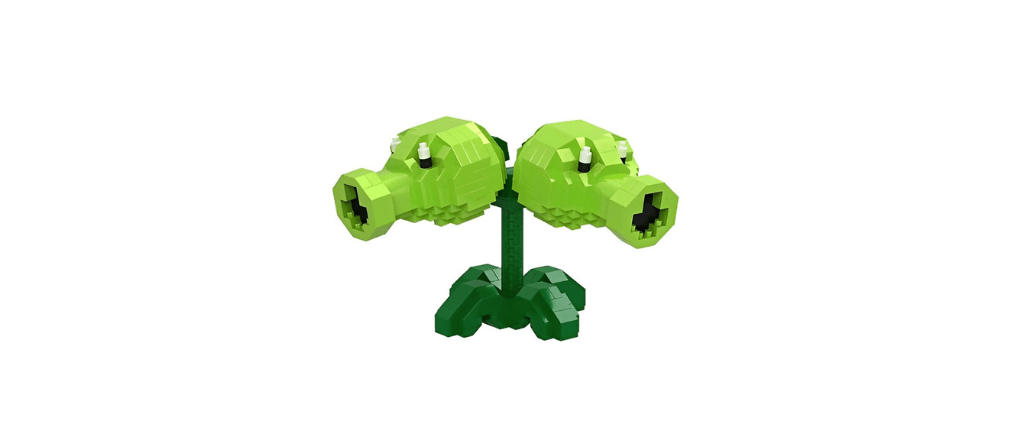
While Sunflower and Peashooter dominate the official PvZ product line (plushes, figures, apparel), Repeater appears on various collectibles and fan-made items. You can find Repeater plushes on Etsy, custom Repeater keychains, and even LEGO-compatible Repeater builds that fans have designed and shared online. For a character who’s technically just an upgraded version of the starter plant, Repeater has carved out a distinctive market presence. The commercial success of Repeater merchandise demonstrates that players connect with him on a level beyond pure gameplay utility—he represents something meaningful enough that fans want physical representations of the character in their lives.
Legacy and Impact on Tower Defense Gaming
To truly appreciate Repeater’s significance, we need to zoom out and look at his role in the broader context of tower defense game design. Plants vs. Zombies didn’t invent the tower defense genre, but it refined it to near-perfection, and Repeater exemplifies many of the design principles that make PvZ so successful.
Core Design Principles That Define Excellence
Repeater embodies several fundamental game design principles that have influenced tower defense gaming as a whole.
Clarity of Purpose and Intuitive Design
Clarity of purpose is Repeater’s greatest design strength. You don’t need to read a complex tooltip or watch a tutorial to understand what Repeater does—he shoots peas, twice as many as Peashooter, for twice the cost. This immediate comprehension allows players to make informed strategic decisions quickly. In many modern tower defense games, units have convoluted abilities with multiple conditions and exceptions. Repeater’s simplicity is elegant and timeless, proving that great game design doesn’t require complexity for the sake of complexity.
Progression Systems and Strategic Depth
Meaningful progression is another key element. Repeater represents a clear upgrade from Peashooter while still occupying a distinct strategic niche. He’s not just “Peashooter but better”—he’s “Peashooter but doubled,” which changes how you think about sun economy, tile placement, and defensive formation. The later upgrade to Gatling Pea continues this progression in a logical, intuitive way. This clear evolutionary path is something many tower defense games struggle with, often introducing new towers that render old towers completely obsolete rather than creating a tiered system where each level has value.
Risk-Reward Economics
Risk-reward balance defines Repeater’s role in gameplay. Spending 200 sun on a single plant is a significant investment, especially in the early game. If that Repeater gets destroyed by a Newspaper Zombie’s rage burst or a Jack-in-the-Box Zombie’s explosion before it’s paid for itself in zombie kills, you’ve lost substantial resources. But if you protect that Repeater and it survives through multiple waves, it’ll eliminate dozens or hundreds of zombies, making it one of the best investments you can make. This tension between risk and reward creates engaging moment-to-moment decisions that keep players invested.
Skill Expression and Long-Term Engagement
Skill scaling is where Repeater separates casual players from experts.
Multi-Tiered Mastery Curve
Beginners might just spam Repeaters everywhere because they do more damage. Intermediate players learn optimal timing—deploying cheap Peashooters early, then upgrading to Repeaters once sun economy is established. Advanced players master nuanced decisions: when to save sun for a Gatling Pea upgrade versus planting additional Repeaters, how to protect high-value Repeaters from specific zombie threats, and how to position Repeaters to maximize Torchwood synergy while minimizing vulnerability to Gargantuars or Bungee Zombies. This multi-layered skill expression means that Repeater remains relevant and interesting across hundreds of hours of gameplay. You never fully “solve” how to use Repeater optimally because each level, zombie composition, and random zombie spawn presents new optimization puzzles.
Emotional Design and Player Connection
Emotional connection might seem like an odd thing to mention in a tower defense game, but it’s real.
Character Depth Beyond Mechanics
Players develop attachments to their plants, and Repeater’s vulnerable personality (yearning for love beneath a fierce exterior) creates genuine emotional investment. When your Repeater gets eaten by a Gargantuar after defending your lawn for ten waves, there’s a moment of loss that goes beyond the strategic setback. You feel bad for Repeater—he was working so hard, shooting those peas twice as fast as everyone else, and he still couldn’t save himself. This emotional layer elevates Plants vs. Zombies from a pure strategy game to something more memorable and personal.
Influence on Modern Game Design
Modern tower defense games have learned from Plants vs. Zombies, and you can see Repeater’s influence in many contemporary designs. Games now routinely include “upgrade” paths for basic units that double or triple their effectiveness while increasing cost proportionally. The idea of combining multiple instances of a unit into a single, more powerful version has become a genre staple. The emphasis on clear visual communication—making upgraded units immediately distinguishable from their basic versions through visual details like Repeater’s extra leaves and angry eyebrows—is now standard practice. Repeater’s legacy extends beyond Plants vs. Zombies into the fundamental language of tower defense game design.
Repeater in Competitive and Challenge Contexts
While Plants vs. Zombies isn’t primarily known as a competitive game (no multiplayer modes in the original), the community has created extensive competitive and challenge frameworks where Repeater plays interesting roles.
Speedrunning Strategies and Optimization
Speedrunning Plants vs. Zombies involves completing Adventure Mode as quickly as possible.
Aggressive Plant Deployment Tactics
World record speedruns use heavily optimized strategies where every plant placement and sun expenditure is calculated for maximum efficiency. Repeater features prominently in many speedrun routes because his damage output allows for aggressive strategies—taking risks that faster zombie elimination enables. For example, in certain levels, speedrunners will deliberately skip planting defensive Wall-nuts, instead relying on rapid Repeater deployment to eliminate zombies before they reach dangerous positions. This “all-in on offense” approach saves the time that would be spent planting and maintaining defensive plants, but it requires precise execution and deep understanding of zombie spawn patterns. A misplaced Repeater or delayed deployment can result in breakthroughs that cost more time than the aggressive strategy saved.
Community-Created Challenge Runs
Challenge runs created by the community test player skill in various constrained scenarios.
Resource Restriction Challenges
No Sunflowers runs force players to work with limited sun income from sky drops. Repeater becomes harder to justify at 200 sun when you’re not generating sun efficiently, but his firepower is essential for defeating zombies quickly before overwhelming numbers arrive.
Plant Limitation Variants
No Upgrade runs prohibit purchasing any shop items, including Gatling Pea, Imitater, and other upgrades. This makes Repeater your top-tier offensive plant for the entire game—you can never upgrade him to Gatling Pea, so optimizing Repeater usage becomes paramount. Single Plant Type runs restrict you to using only one offensive plant type throughout the game. “Repeater Only” runs are surprisingly viable, showcasing his versatility across different level types and zombie compositions when you’re forced to rely exclusively on his double-shot mechanics. Minimal Plants runs challenge you to complete levels with the fewest plant types or total plant instances possible. Repeater’s space efficiency makes him invaluable here—every tile where you can consolidate two Peashooters’ worth of firepower into a single Repeater brings you closer to the minimal solution.
User-Created Content and Competitive Rankings
User-created levels and mods often feature Repeater in creative ways.
Custom Scenarios and Mastery Tests
Some modders have created “Repeater’s Revenge” scenarios where zombies are actually plants and Repeater leads the assault on their garden. Others have designed levels specifically testing Repeater mastery—extreme zombie waves designed to be barely survivable with optimal Repeater placement and Torchwood positioning. These community creations extend the game’s replayability and provide platforms for players to demonstrate advanced Repeater techniques.
Community Tier Rankings
The PvZ competitive ranking community (yes, it exists!) has developed tier lists ranking all plants by their overall utility and strategic value. Repeater consistently ranks in the A-tier or S-tier across most community tier lists. While he’s not quite as universally powerful as some premium plants or specialized powerhouses like Melon-pult with Winter Melon upgrade, his combination of reliability, accessibility, efficiency, and upgrade potential earns him top marks. This high competitive ranking isn’t just about raw numbers—it’s about trustworthiness in unpredictable situations.
This high competitive ranking isn’t just about raw numbers—it’s about trustworthiness. In a game with random zombie spawn patterns and occasional luck-based challenges (will the Jack-in-the-Box explode next to your most valuable plant or harmlessly in an empty lane?), having plants you can absolutely rely on is crucial. Repeater is reliable. He shows up, does his job (shooting peas, double-time), and doesn’t have weird conditions or limitations. That consistency is competitively valuable.
The Psychology of Playing Repeater
There’s a fascinating psychological dimension to how players relate to and use Repeater that speaks to broader themes in game design and player behavior.
Core Psychological Rewards
Repeater triggers several fundamental psychological satisfaction mechanisms that enhance player engagement.
The Satisfaction of Doubling
The Satisfaction of Doubling is a fundamental human pleasure. There’s something deeply satisfying about taking what you have and doubling it. Repeater embodies this satisfaction—you’re not adding 50% more damage or a random amount; you’re exactly doubling your firepower. The human brain loves this clarity. It’s the same psychological appeal as matching two cards in a memory game or combining two 2s to make a 4 in 2048. Doubling feels complete and harmonious in a way that more complex multipliers don’t. This innate preference for clean doubling makes Repeater intuitively appealing even to players who don’t consciously analyze game mechanics.
The Efficiency Mindset Development
The Efficiency Mindset that Repeater encourages shapes how players think about resource management. Once you start using Repeaters effectively, you begin viewing the lawn differently. Every tile isn’t just space for a plant; it’s potential for optimization. Could you consolidate two Peashooters into one Repeater? Could you free up space for a Sunflower by using Repeaters instead of multiple basic plants? This efficiency mindset translates to real-world skills like spatial reasoning and resource allocation. Players report that optimizing Repeater placement has improved their general problem-solving approaches in other areas of life.
Emotional Investment Mechanisms
The Protector Role and Attachment Formation
The Protector Role creates emotional investment. When you plant a Repeater—especially after saving up the 200 sun investment—you feel a sense of responsibility to protect it. You’ll plant Wall-nuts in front of it, shovel up weaker plants to save a threatened Repeater, and feel genuinely anxious when a Gargantuar targets your Repeater’s column. This protective instinct makes the game more emotionally engaging than a purely abstract strategy puzzle would be. The investment you make (both resources and attention) creates genuine attachment to individual Repeater units on your lawn.
RPG-Style Progression Satisfaction
The Upgrade Progression taps into RPG-style character advancement satisfaction. Going from Peashooter to Repeater to Gatling Pea mirrors the level-up progression in role-playing games. Your “character” (the plant) becomes stronger, and you feel that progression tangibly through increased damage numbers and visual changes (from basic Peashooter to extra-leaves Repeater to helmeted Gatling Pea). This progression creates a sense of growth and achievement that keeps players engaged across long play sessions.
Strategic Psychology and Playstyle Expression
The Specialist vs. Generalist Decision Framework
The Specialist vs. Generalist Dilemma is a strategic psychology question that Repeater raises. Do you specialize in a few well-protected, high-value Repeaters, or do you generalize with many cheaper Peashooters spread across the lawn? There’s no universally correct answer—it depends on level conditions and personal playstyle. Some players are naturally risk-averse and prefer the spreading-out strategy (if one plant dies, others remain). Other players are risk-tolerant and prefer concentrating power in fewer high-value targets. Repeater accommodates both approaches, which is excellent inclusive design that respects different player personalities.
Character Resonance and Identity Connection
The Personality Resonance effect shouldn’t be underestimated. Repeater’s Almanac entry—fierce exterior hiding a desire for love—resonates with many players on a personal level. We’ve all felt like we had to act tough to protect ourselves while secretly hoping for connection. This emotional resonance transforms Repeater from a game piece into something more like a character or companion. Players who connect with this aspect of Repeater’s personality often become loyal Repeater advocates, defending his strategic value in online discussions and preferring him even when other plants might be slightly more optimal.
Repeater Trivia and Little-Known Facts
For the truly dedicated Repeater fans, here are some obscure details and trivia that even veteran PvZ players might not know.
Development History and Design Evolution
The original Peashooter design actually included the extra leaves that now define Repeater’s appearance. During development, the team simplified Peashooter’s visual design to make him look more basic and approachable as the first offensive plant. Those leaves were transferred exclusively to Repeater to differentiate him and mark him as the “advanced” version.
Technical Quirks and Hidden Code
Repeater’s firing animation occasionally glitches in certain versions of the game, causing him to fire one pea once before resuming the normal two-pea pattern. This isn’t intentional behavior—it’s a minor animation desync bug that happens when Repeater is planted while other shooting animations are already occurring on screen. Most players never notice it, but speedrunners who watch frame-by-frame footage have documented this quirk extensively.
The Reverse Repeater found in Vasebreaker levels has fully implemented game code despite being unused in normal gameplay. Dataminers have discovered that Reverse Repeater has a defined sun cost of 200 (same as normal Repeater) and all the properties needed to be plantable in Adventure Mode. It’s speculated that the developers considered adding backwards-shooting plants to certain levels but ultimately decided the mechanic was too confusing for most players.
Creative Team Insights
Repeater’s personality was written by Stephen Notley, who also writes the webcomic “Bob the Angry Flower.” His distinctive humor style—combining absurdity with genuine emotion—is why Repeater’s Almanac entry manages to be simultaneously funny (“He’s from the streets”) and touching (“Secretly, though, Repeater yearns for love”). Notley wrote flavor text for the entire original game, and his contribution to Plants vs. Zombies’ charm cannot be overstated.
Regional Variations and Market Adaptations
In the Chinese version of PvZ2, Repeater was originally a premium plant that cost real money to unlock. The Almanac entry for this version reference this directly: “If you treat Repeater well, he will treat you with double the respect; if you anger him, he will respond with double the pain. He has very good connections with people, but that’s probably because everyone loves lending him money.” The bit about people lending him money is a tongue-in-cheek acknowledgment of his premium status—players were literally spending money to “lend” Repeater into their plant roster.
Garden Warfare’s Peashooter character design more closely resembles Repeater than the original Peashooter. The developers explained in an interview that the extra leaves and angry eyebrows made the character look more “action-ready” for the third-person shooter gameplay, so they incorporated Repeater’s visual elements into what’s technically supposed to be the basic Peashooter. This has led to some amusing confusion in the fanbase about whether Garden Warfare’s Peashooter is actually Repeater in disguise.
Visual Design Details and Easter Eggs
The Gatling Pea helmet that appears during Repeater’s Plant Food ability in PvZ2 is modeled after the Stahlhelm, the distinctive steel helmet used by German forces in World Wars I and II. The helmet’s spiked design gives it an aggressive, military appearance that fits Gatling Pea’s role as the ultimate pea-shooting powerhouse. Some players initially thought it was just a generic army helmet, but the spike on top is a specific reference to the historic Stahlhelm’s Pickelhaube-inspired design elements.
Repeater plushes manufactured for the Asian market have slightly different proportions than the Western-market Plants vs. Zombies plushes. The Asian Repeater plushes emphasize the angry eyebrows more prominently and use a brighter shade of green, making them more vibrant and cartoon-like. Western Repeater plushes tend toward more muted colors and softer expressions, reflecting different toy design philosophies between markets.
Early Development and Balancing
In internal playtesting documents that leaked during early PvZ development, Repeater was originally named “Double Pea” and cost 250 sun instead of 200. The developers found that at 250 sun, players almost never used him because two Peashooters cost only 200 sun total and provided almost the same firepower. Dropping Repeater to 200 sun made him competitively priced while the name change to “Repeater” better captured his personality and firing mechanism. This careful balancing process shows how even small cost adjustments can dramatically impact a character’s viability and usage rates.
Conclusion: Why Repeater Endures
More than fifteen years after the original Plants vs. Zombies launched, Repeater remains one of the most beloved and recognizable characters in the franchise. His enduring popularity isn’t accidental—it’s the result of masterful game design, charming characterization, and genuine strategic value that has stood the test of time.
At his core, Repeater represents the principle of excellence through effort. He’s not flashy like Cherry Bomb or exotic like Winter Melon. He doesn’t have complex abilities or situation-specific niches. Repeater just shows up and does his job—shooting peas, double-time, wave after wave, without complaint or drama. In a world full of specialists and showboats, there’s something deeply admirable about Repeater’s straightforward dedication to the work.
The emotional complexity hidden within Repeater’s tough exterior makes him more than a game piece. He’s fierce, yes—from the streets, hardened by the endless zombie wars. But he’s also vulnerable, yearning for the love and connection he keeps at a distance with his rapid-fire pea volleys. This contradiction makes him relatable in ways few tower defense units ever achieve. We see ourselves in Repeater—our own defenses, our own hidden desires, our own dreams of connection masked by protective barriers.
Strategically, Repeater has proven his worth across countless zombie waves, challenge runs, speedruns, and competitive tier lists. His combination of cost-effectiveness, space efficiency, reliable damage output, and upgrade potential makes him valuable in nearly every gameplay context. Whether you’re a newcomer experiencing Plants vs. Zombies for the first time or a veteran tackling your thousandth flag in Survival: Endless, Repeater has a role in your strategy.
The community has embraced Repeater enthusiastically, creating fan art, strategies, memes, and tributes that celebrate his character and contributions to lawn defense. This grassroots appreciation shows that great game design transcends the screen—it creates cultural touchpoints that bring people together through shared experiences and affection for memorable characters.
Looking forward, Repeater’s legacy seems secure. With each new Plants vs. Zombies game, spin-off, or adaptation, he appears in some form, whether as a core plant, a fusion component, a Tacobility upgrade, or a card in a deck-building game. The developers understand that Repeater isn’t just a functional unit in a strategy game—he’s a symbol of what makes Plants vs. Zombies special.
So here’s to Repeater: the hardest working plant on the lawn, the double-shooting guardian of our gardens, the fierce defender with a soft heart. May his peas fly true, may his eyebrows stay angry, and may he always find the love he yearns for—whether in the form of a Torchwood partnership, a Wall-nut friendship, or simply the appreciation of players who recognize excellence when they see it.
Because at the end of the day, when zombies are shambling across your lawn and hope seems lost, there’s comfort in knowing that Repeater will be there, doing what he does best: showing up, working twice as hard as anyone else, and never giving up. That’s not just good game design. That’s inspiration.
The next time you plant a Repeater on your lawn, take a moment to appreciate him. This fierce little pea shooter from the streets, with his extra leaves and angry eyebrows, represents something larger than a 200-sun investment. He represents dedication, reliability, and the beautiful contradiction of strength and vulnerability existing in the same being.
Keep shooting those peas, Repeater. We love you too.